
 By Prakash Nair
Ahmedabad, February 22: The lights are on at Narendra Modi Stadium, the stands are thick with tricolour and green, and the air carries that particular kind of noise that only a World Cup night can generate. India and South Africa are not strangers to high-pressure evenings, but this one already feels heavy. It is Match 43 of the Super 8 stage at the ICC Men’s T20 World Cup 2026, and there is very little room left for error.
As the first few overs unfolded, the tension was visible in small details. A slightly overpitched ball. A mistimed drive. A nervous single turned sharp. For a fixture of this scale, rhythm takes a few minutes to settle.
A Toss That Tilted The Mood
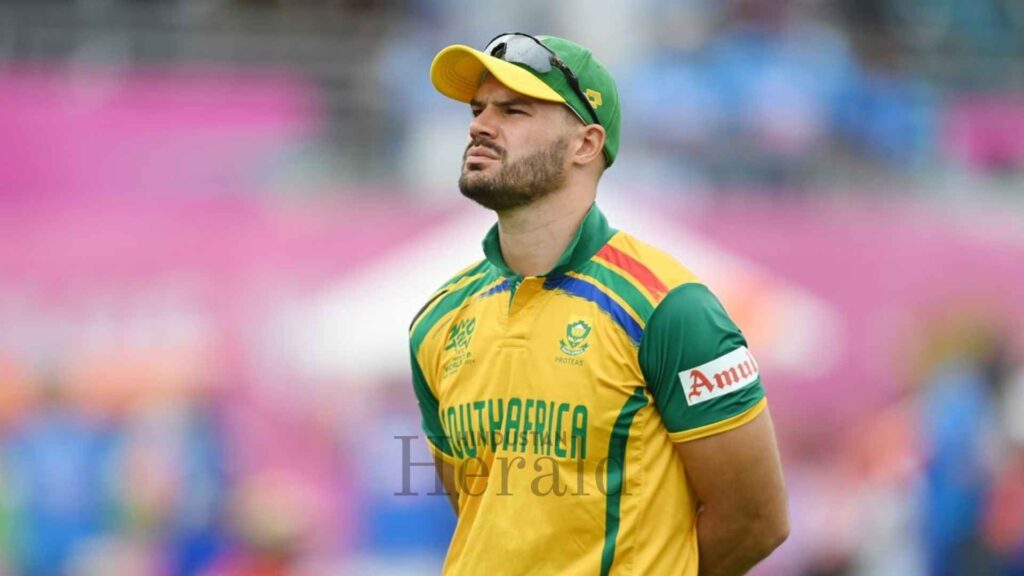
When Aiden Markram called correctly at the toss and opted to bat, it drew a murmur across the stadium. Dew was always going to be a factor later in the evening, but South Africa chose to put runs on the board and test India under scoreboard pressure.

The Indian XI, led by Suryakumar Yadav, did not look surprised. This group has chased under tougher circumstances. Still, tournaments are shaped by these moments. One decision at 6.30 PM can echo well past midnight.
South Africa began cautiously. The first over passed without incident. Then came a burst. An over from Washington Sundar that went for 11 loosened things. Within a few overs, the Proteas had pushed past the 50 mark, though not without damage. Three wickets fell in that early exchange, and suddenly the innings had both promise and peril.
There is something about power play collapses that changes body language. Fielders grow louder. Batters grow quieter.
Miller’s Calm In The Middle

If there was a steady pulse in the South African innings, it came from David Miller.
Miller did not begin with fireworks. He rarely does in these situations. Instead, he read the surface. The Ahmedabad pitch offered bounce but also held up just enough to make blind slogging risky. Miller picked gaps. He waited for a while. When India erred, he did not miss.
His half-century was not theatrical. It was methodical. Singles into the deep, a pick-up over midwicket, a crisp drive through cover. The innings gathered shape because he refused to panic.
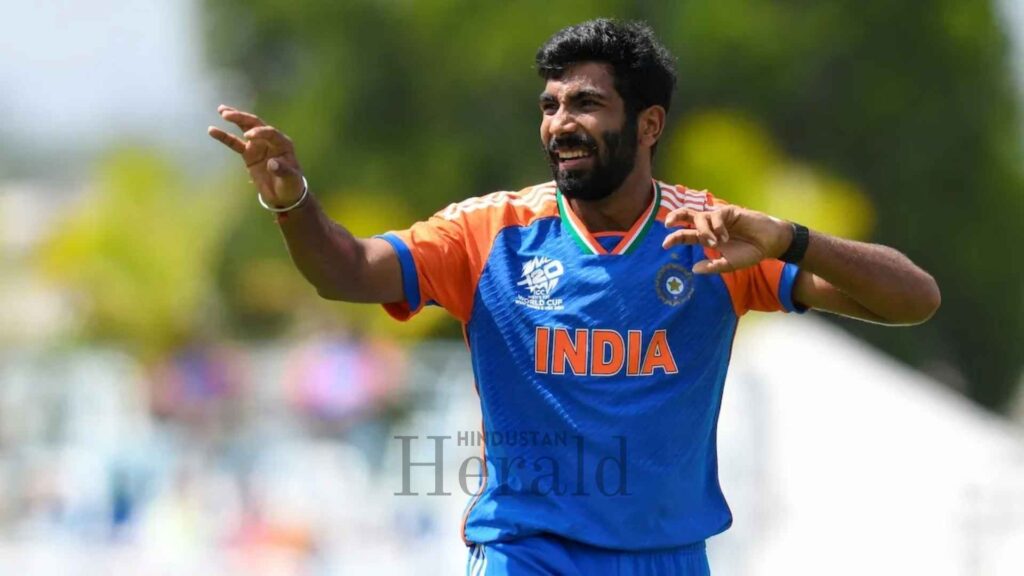
On the other end, India kept probing. Jasprit Bumrah delivered the kind of over that reminds everyone why he remains the reference point for death bowling in T20 cricket. Hard lengths, late seam movement, that unreadable slower ball. Every dot ball felt amplified.
Yet Miller’s presence ensured South Africa did not unravel. By the time the innings closed at 187 for 7, the total felt competitive, perhaps even slightly above par.
The number itself is tricky. On some nights in Ahmedabad, 188 is chaseable. On others, it looms.
India’s Chase And The Weight Of Expectation
Chasing 188 in a World Cup Super 8 clash is not merely arithmetic. It is psychological.
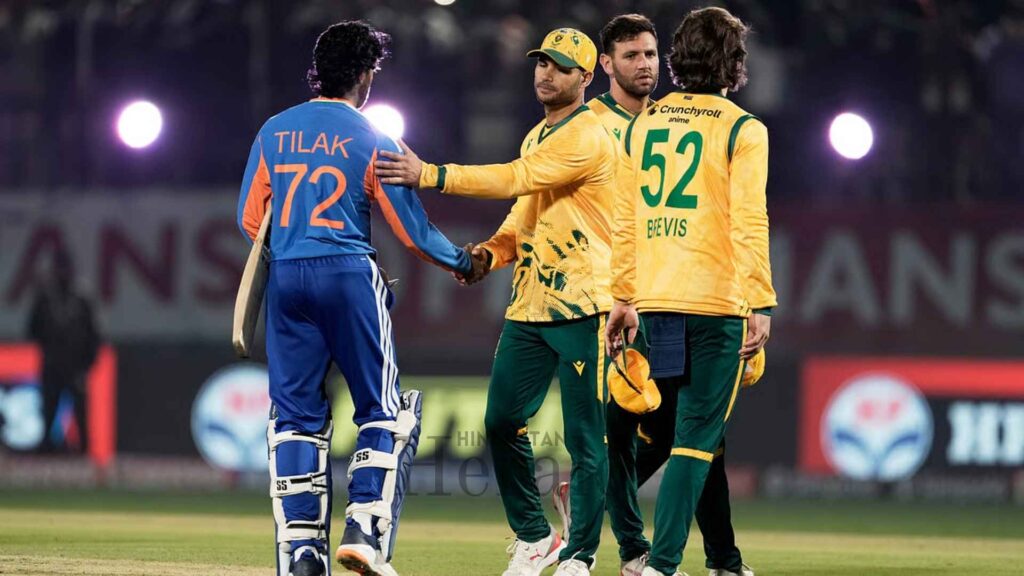
India’s top order carries flair, but also scrutiny. Every attacking stroke is celebrated. Every mistimed loft is dissected. The crowd in Ahmedabad does not show indifference.
The opening exchanges of the chase were measured. South Africa’s pace trio searched for swing under lights, testing the edges. There were early boundaries, but nothing reckless. India seemed aware that this was not a 220 wicket. It required pacing.
Suryakumar, captaining in a global event of this magnitude, appeared calm. He rotated strike, spoke often with his partner, and gestured frequently toward the dugout. Leadership in T20 cricket is subtle. It is rarely about speeches. It is about reading tempo.
Still, South Africa’s fielding injected energy. A diving stop at a point. A relay throw from deep square. These small acts build belief.
As it stands, the contest hangs delicately. One partnership could tilt it. One over could undo it.
Why This Match Matters Beyond Tonight
Super 8 fixtures do not allow comfort. Points carry forward implications for semifinal permutations. Net run rate calculations hover in the background even if no one publicly admits it.
For India, this match is about asserting control in a tournament where expectations are sky-high. Playing at home, before massive crowds, the pressure is layered. Every win strengthens the narrative. Every stumble triggers questions about middle overs, about combinations, about temperament.
For South Africa, this is about rewriting familiar scripts. In ICC tournaments, they have often dazzled early and faltered late. Victories against India in knockout pathways alter that perception. They build muscle memory.
There is also a tactical subplot. India’s reliance on spin through the middle overs versus South Africa’s power-hitting depth. Ahmedabad’s surface has traditionally rewarded pace later in the evening, but spinners who bowl quick and flat have found success. The margins are thin.
The Ahmedabad Factor
It is impossible to ignore the scale of the venue. The Narendra Modi Stadium does not merely host matches. It stages them.
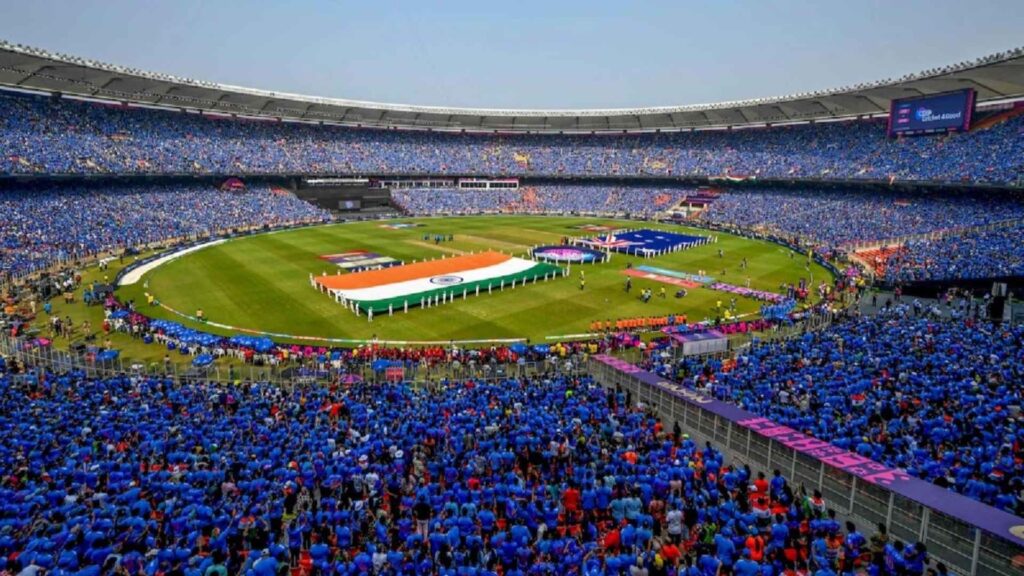
Crowd noise here travels differently. A boundary in the 12th over can sound like a match-winning strike. Players often speak about the visual effect of a packed bowl. For younger cricketers, it can be overwhelming. For veterans, it can be energising.
On nights like this, the pitch becomes secondary to emotion. Every appeal is roared at. Every review decision is dissected in real time by thousands of raised phones.
And yet, beneath the spectacle, cricket remains stubbornly simple. Bat, ball, field.
The Bowlers Who Could Decide It
Bumrah’s spell in the death overs may prove decisive. If India manages to squeeze the chase into the final over, his earlier containment will be referenced. Conversely, South Africa’s closing overs with the ball will define whether 187 is defended or erased.
T20 cricket punishes hesitation. A yorker missed by an inch becomes a full toss. A slower ball read early disappears into the stands.
There is also the matter of temperament. In knockout-style pressure, clarity often beats aggression. The side that absorbs the crowd, rather than reacting to it, usually edges ahead.
A Familiar Rivalry, A Fresh Chapter
India versus South Africa rarely lacks intensity. There have been last-over finishes, controversial decisions, and individual brilliance that lingers in memory. This edition adds another chapter, one shaped by new leadership and evolving squads.
Suryakumar’s attacking instinct against Markram’s composed captaincy creates an interesting contrast. One thrives on improvisation. The other leans on structure. Both approaches have merit. On this surface, under these lights, one will look wiser by midnight.
For now, the equation is straightforward on paper. India requires 188. South Africa needs wickets at the right intervals.
But anyone who has followed T20 cricket knows how deceptive simplicity can be.
As the game moves deeper into the evening, the dew will settle, the ball may skid on, and fielding could become uncertain. A single misfield might shift momentum. A dropped catch could haunt.
The Super 8 stage is designed to test depth. Tonight, depth will be measured not just in batting order, but in nerve.
When the final over arrives, and it usually does with drama in contests like these, the narrative will crystallise. Either India continues their march with authority, or South Africa reminds the tournament that they are no longer content with near misses.
For now, the stadium waits between overs. The noise dips, then swells again. The scoreboard glows at one end. The contest breathes.
And somewhere in the middle of it all, under floodlights in Ahmedabad, two teams chase not just runs, but momentum that could define their World Cup.
Stay ahead with Hindustan Herald — bringing you trusted news, sharp analysis, and stories that matter across Politics, Business, Technology, Sports, Entertainment, Lifestyle, and more.
Connect with us on Facebook, Instagram, X (Twitter), LinkedIn, YouTube, and join our Telegram community @hindustanherald for real-time updates.

Sports reporter covering cricket, football, and Olympic disciplines, with on-ground event experience.
- Prakash Nair

- Prakash Nair
- Prakash Nair
- Prakash Nair