
 By Dr. Ritu Malhotra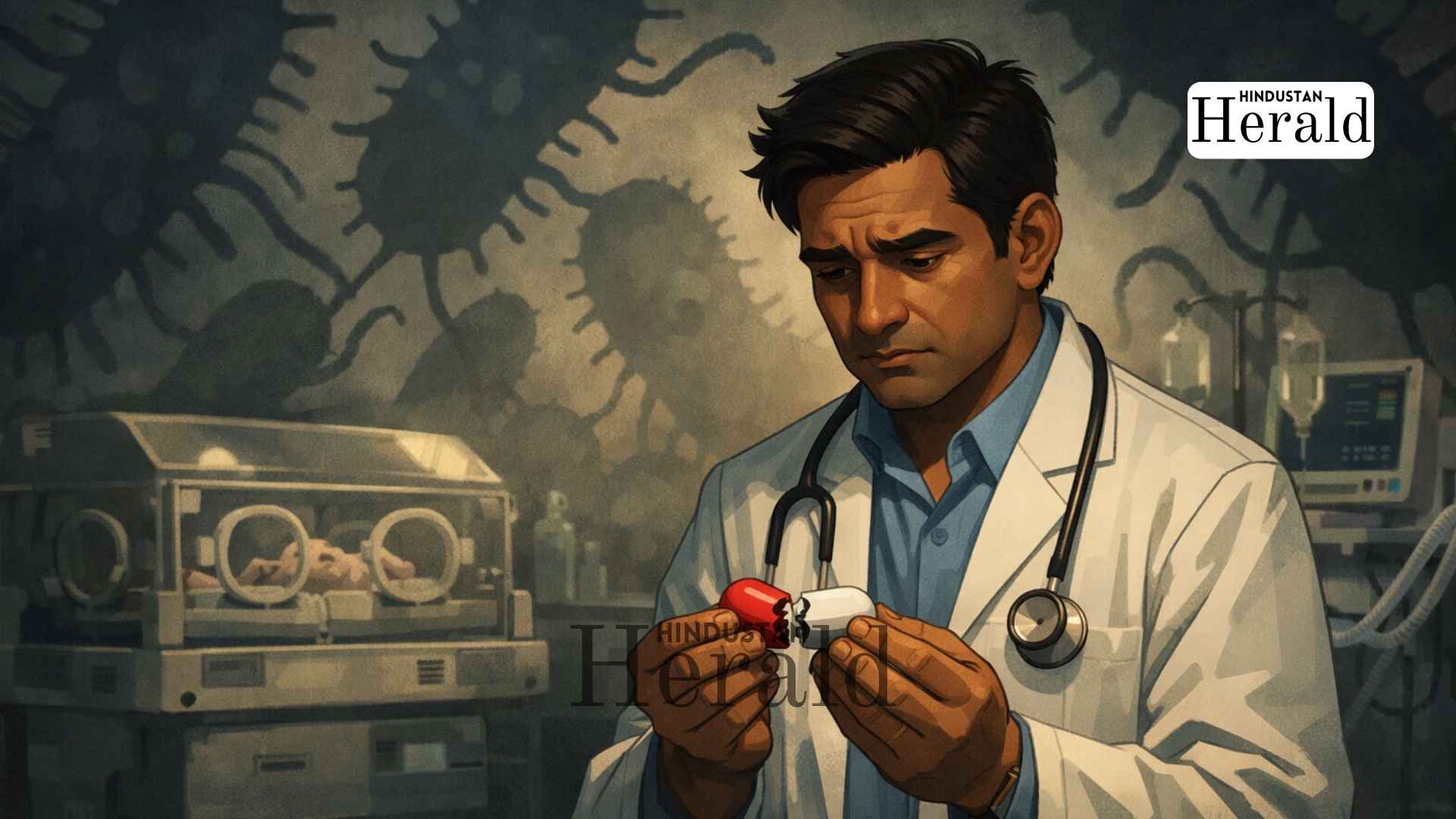
New Delhi, January 1: For years, India’s antibiotic resistance problem lived in footnotes. In dense medical papers. In warnings doctors gave to each other, but rarely to the public. Then, quietly but unmistakably, it crossed into everyday life.
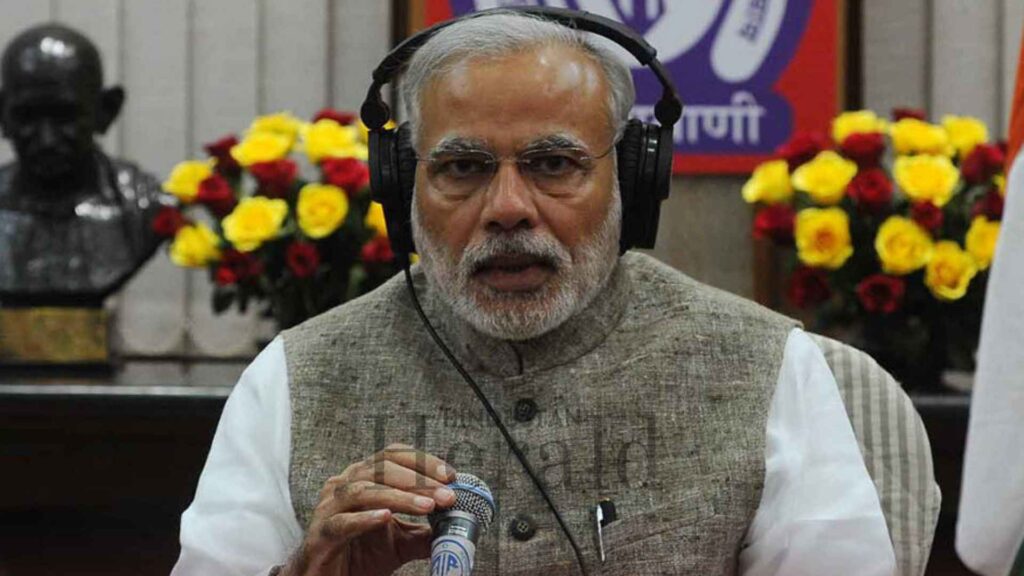
When Prime Minister Narendra Modi spoke about antibiotic misuse during his Mann Ki Baat address this December, it landed differently. This was not a passing health tip. It was an admission that something foundational in Indian healthcare is breaking.
The warning came after months of unsettling data. A Lancet study showed India has the highest burden of drug-resistant bacteria in the world. An ICMR report confirming that medicines doctors rely on daily are no longer working. And a blunt television explanation by Dr. Ravi Godse, who said out loud what many clinicians have been thinking for years.
This is no longer a future problem. It is already here.
When Superbugs Become Routine
The Lancet study, published in late 2025, was startling not just for its numbers but for what those numbers imply. Eighty-three percent of Indian patients in the study were already carrying multidrug-resistant bacteria before any hospital treatment began.
That matters. These were not infections picked up in the ICU. These were bacteria people were walking around with in their bodies.
In countries like the Netherlands, that figure was just over 10 percent. In the United States, about 20 percent. India stood alone, and not in a way anyone should want.

The bacteria involved are familiar names to doctors. E. coli, Klebsiella, and Acinetobacter. The difference now is that many of them can shrug off entire classes of antibiotics. Some are resistant even to carbapenems, drugs meant to be used only when everything else fails.
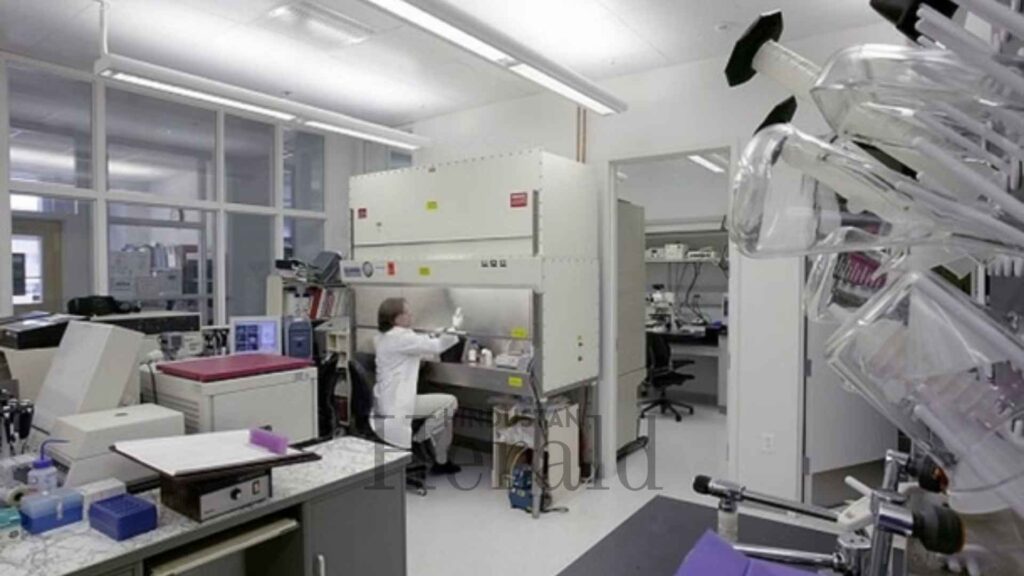
For patients, this changes everything. A simple infection that once meant a short hospital stay now becomes a guessing game. Antibiotic after antibiotic is tried. Days stretch into weeks. Costs spiral. Outcomes worsen.
Doctors at large private hospitals describe the same pattern again and again. Non-resistant infections resolve quickly. Resistant ones spiral. ICU admission. Sepsis. Sometimes survival, sometimes not.
The Quiet Tragedy in Newborn Wards
If there is a single statistic that captures the cruelty of antibiotic resistance, it is this. Around 58,000 newborns die every year in India from drug-resistant infections.

These are babies who often receive care on time. Antibiotics are started promptly. But the drugs fail. By the time doctors identify something that might work, it is often too late.
For families, there is rarely closure. Just disbelief that modern medicine had no answer.
ICMR Confirms What Doctors See Daily
The Indian Council of Medical Research did not sugarcoat its findings in the 2024 antimicrobial resistance report. Common antibiotics are failing across hospitals, wards, and ICUs.
Fluoroquinolones, once handed out casually for fevers and stomach infections, are nearly useless against typhoid. Third-generation cephalosporins are routinely defeated by resistant enzymes. Even carbapenems, supposed to be the final shield, are crumbling in intensive care units.
In ventilated patients, resistance rates to key drugs now exceed 90 percent for some pathogens. Doctors are reaching back to older, harsher medicines, aware of the damage they can cause, but left with no alternatives.
This is not alarmism. It is the daily reality of Indian hospitals.
Why Modi’s Comment Mattered
Politicians talk about health all the time. Rarely do they talk about antibiotics.
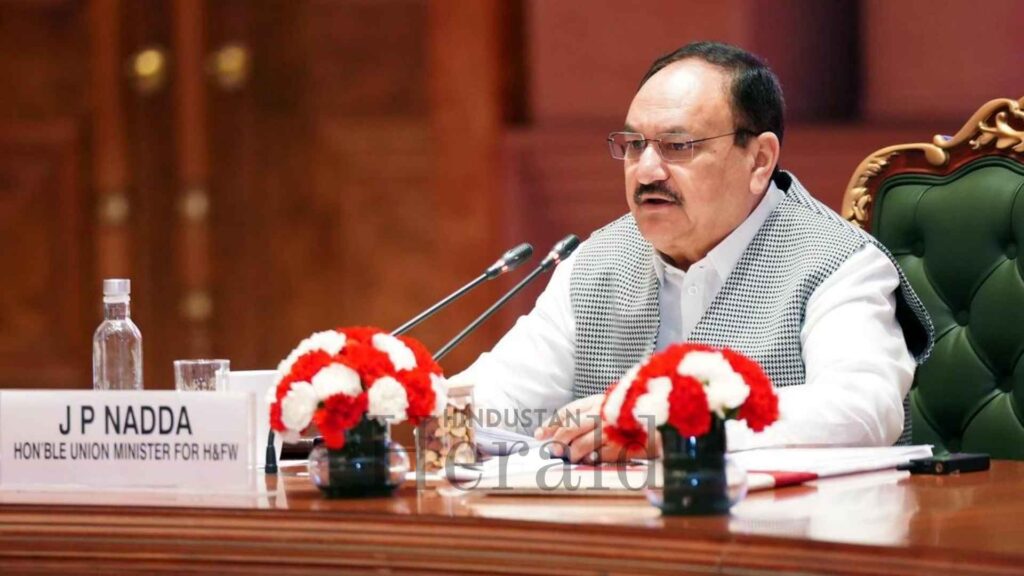
When Modi warned against misuse, he was acknowledging something uncomfortable. A culture of casual antibiotic use, combined with weak enforcement and systemic pressure, has pushed the country into a corner.

Doctors welcomed the message, but many also warned that words would not be enough. Regulations already exist. Antibiotics are meant to be prescription-only. In practice, they remain easy to buy across much of the country.
Without enforcement, awareness alone will fade.
Dr. Ravi Godse Put It Plainly
Public attention sharpened after Dr. Ravi Godse explained the crisis on their Instagram page. He did not speak like a policymaker or an academic. He spoke as a doctor tired of watching the same mistakes repeat.
His example stuck. One hundred patients with fever. One hundred antibiotic prescriptions. Only a handful actually need them. It is not always greed or ignorance, he said. It is pressure. Patients expect antibiotics. Doctors fear losing them or missing something serious. Pharmacies comply because enforcement is lax.
Godse’s warning went further. The world has not developed a truly new antibiotic class in over four decades. The science is hard. The economics are worse. Companies invest billions only to be told to restrict use once the drug works.
If today’s antibiotics fail, nothing is waiting in reserve.
How India Reached This Point
The causes are layered and uncomfortable. Antibiotics are sold easily, often without prescriptions. Courses are stopped early. Doses are wrong. Drugs are chosen blindly.
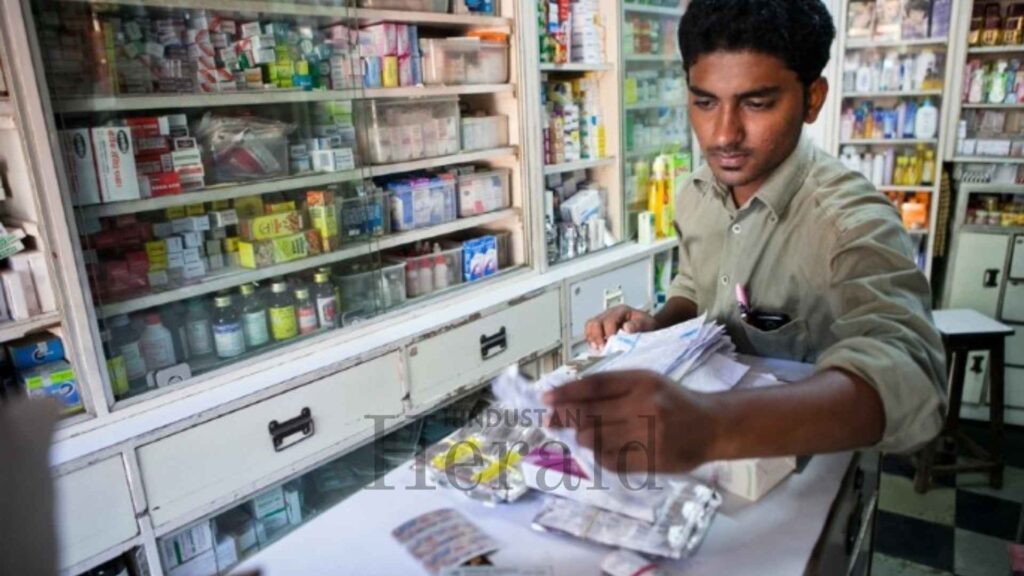
In agriculture, antibiotics are used not just to treat illness but to promote growth in poultry and livestock. Resistant bacteria move from farms to food to people. Sanitation gaps allow these organisms to circulate freely. Hospital infection control struggles under pressure and overcrowding. ICUs, meant to save lives, become amplifiers of resistance.
None of this is unique to India. But the scale is.
Inside the ICU, the Crisis Is Acute
According to medical academies, more than half of serious ICU infections in major Indian hospitals are now classified as difficult to treat. These are infections resistant to multiple antibiotic classes, with mortality rates that can cross 40 percent.
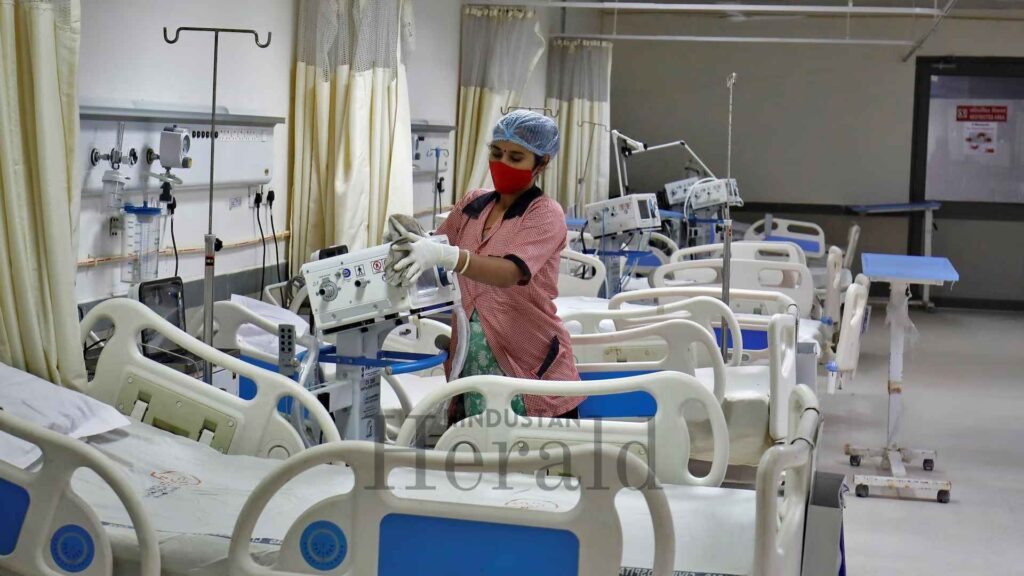
Ventilator-associated pneumonia is a common example. Once manageable, it is now among the hardest infections to control. Doctors often know the odds are against them before treatment even begins.
What a Post-Antibiotic World Looks Like
Strip antibiotics away, and modern medicine falters. Caesarean sections become dangerous. Chemotherapy becomes riskier. Organ transplants become nearly impossible. Even minor surgeries carry disproportionate risk.
Before antibiotics, pneumonia routinely killed otherwise healthy adults. Childbirth infections were feared. That history is not as distant as we like to think.
Policy Is Catching Up, Slowly
The government’s National Action Plan on Antimicrobial Resistance 2.0 lays out the right goals. Surveillance, stewardship, regulation, and research.
What remains uncertain is execution. Doctors say enforcement against illegal antibiotic sales must be visible and sustained. Hospitals must be forced to adopt stewardship programmes, not encouraged politely.
Without that, resistance will continue to outpace policy.
A Rare Chance to Lead
There is another way to read this crisis. India has the pharmaceutical capacity, scientific talent, and clinical scale to become a leader in antimicrobial innovation.
New antibiotics. Rapid diagnostics. Phage therapy. Resistance-blocking drugs. If India resolves its own superbug problem, it will also be addressing a global one.
The Moment We Are In
Antibiotic resistance does not arrive with sirens or lockdowns. It advances quietly, one prescription at a time. Modi’s warning cracked the silence. The data has done the rest. What happens next will decide whether antibiotics remain a pillar of medicine or a fading memory.
This is not about fear. It is about realism. The tools are still in our hands. The window is narrowing.
Stay ahead with Hindustan Herald — bringing you trusted news, sharp analysis, and stories that matter across Politics, Business, Technology, Sports, Entertainment, Lifestyle, and more.
Connect with us on Facebook, Instagram, X (Twitter), LinkedIn, YouTube, and join our Telegram community @hindustanherald for real-time updates.

Public health researcher and science communicator translating complex topics into accessible insights.
- Dr. Ritu Malhotra

- Dr. Ritu Malhotra
- Dr. Ritu Malhotra
- Dr. Ritu Malhotra