
 By Ananya Sharma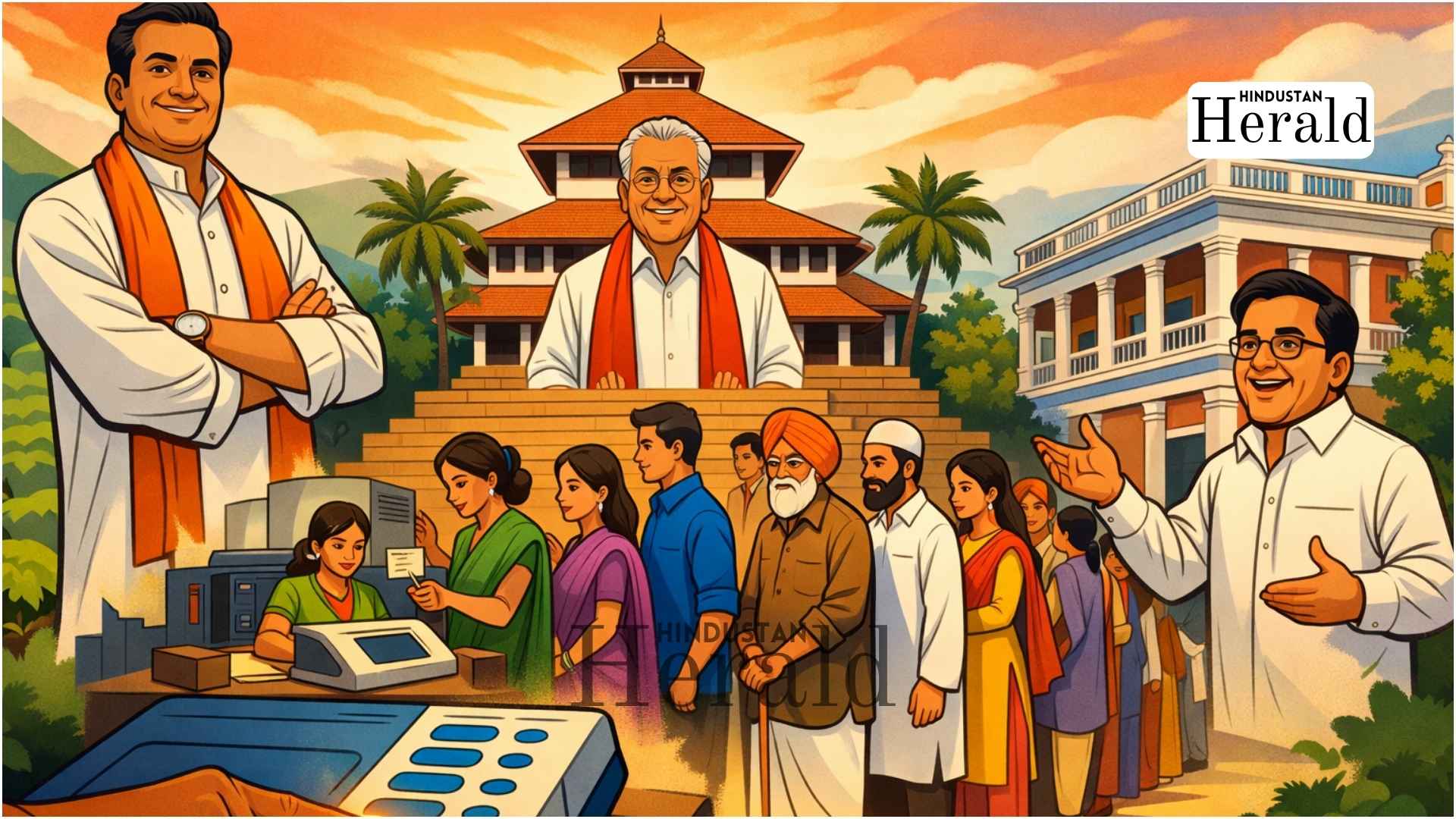
New Delhi, April 8: India Elections 2026. Three parts of India go to the polls tomorrow. Assam, Kerala, and the union territory of Puducherry will vote on Thursday, April 9, to elect new state assemblies, with nearly four crore citizens deciding who governs them for the next five years. It is the first major electoral test of 2026, and the results, due on May 4, will send clear signals about where national politics is headed ahead of the next general election in 2029.
The Election Commission of India says everything is ready. Polling opens at 7 in the morning and closes at 6 in the evening. Campaigning stopped on the evening of April 7 when the mandatory silent period kicked in. From here, it is up to the voters.
India Elections 2026: Three Regions, Three Very Different Stories
The three regions voting tomorrow could not be more different in character.
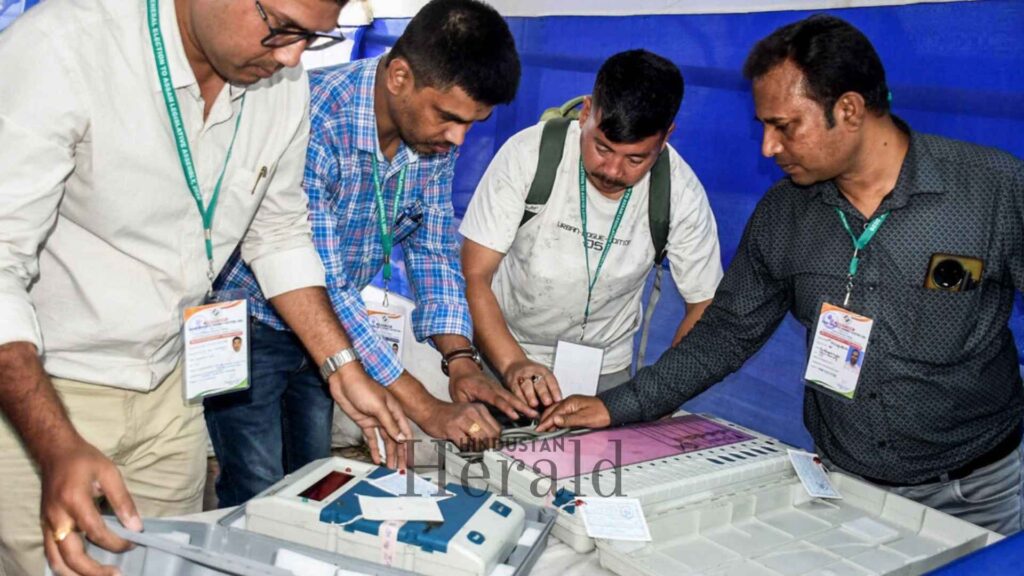
Assam is a 126-seat assembly where the ruling BJP is fighting to hold power for a third straight time. Kerala is a 140-seat battle that could either rewrite the state’s political history or restore its old pattern of governments coming and going. And Puducherry, a compact union territory with just 30 seats, is a place where alliances are everything and every single seat counts.
Together, they make up 296 seats. One day’s voting. Weeks of waiting.
Kerala: Can The Left Make History?
This is the one everybody is watching most closely.
For the CPI(M)-led Left Democratic Front, led by Chief Minister Pinarayi Vijayan, these elections are about retaining power for a third straight term. That would be genuinely historic in a state that has almost always voted out whoever is in power.
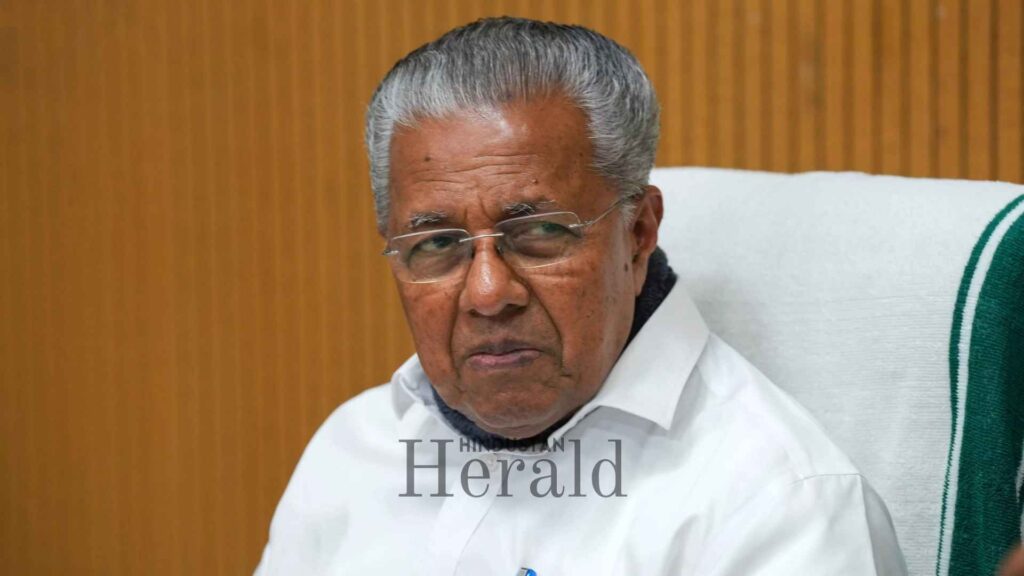
Vijayan’s government has been in office for ten years. It has delivered on welfare, built infrastructure, and managed crises, including the Wayanad landslide. But ten years is a long time, and voters everywhere eventually get restless.
What is playing out on the ground in Kerala is not a clean wave against the LDF, but more of a scattered frustration, directed mainly at local representatives rather than the government as a whole. That distinction matters enormously in a state where individual constituency dynamics often override statewide trends.
The Congress-led UDF believes this is their moment. The UDF sees the election as a major opportunity to return to power, banking on Kerala’s alternating voting trend and what it calls growing public dissatisfaction with the incumbent government. Congress has campaigned hard on corruption allegations, governance drift, and questions about how flood relief funds were handled.
Then there is the BJP, which has turned what was once a straight fight between the Left and Congress into something more complicated. The BJP has succeeded in making Kerala’s elections a tripolar contest, and has won its first-ever assembly and Lok Sabha seats in the state in recent years. It may not win enough seats to govern, but by eating into both LDF and UDF vote banks in marginal constituencies, it is quietly shaping the outcome.
Pre-poll surveys suggest an extremely close finish. The Matrize opinion poll projects the LDF winning 62 to 68 seats and the UDF securing 67 to 73, with no alliance likely to win a clear majority. The BJP-led NDA is projected at 5 to 8 seats, potentially giving it a kingmaker role.
The single seat that captures everything is Dharmadam, where Pinarayi Vijayan himself is on the ballot. For Vijayan, Dharmadam is not just a seat, it is a statement of power. Having won comfortably in both 2016 and 2021, he is banking on completed infrastructure projects and local development to carry him through again. A reduced margin here would be read as a warning sign for the LDF even if it manages to hold on.
Most political analysts give the UDF a slight edge, but they are quick to add that this is still the election to lose. Nothing is settled.
Assam: Himanta’s Personal Reckoning
In Assam, the central question is simpler to state but just as hard to answer. Can Chief Minister Himanta Biswa Sarma win the state a third consecutive time for the BJP, and can he do it by a margin big enough to cement his own national standing?
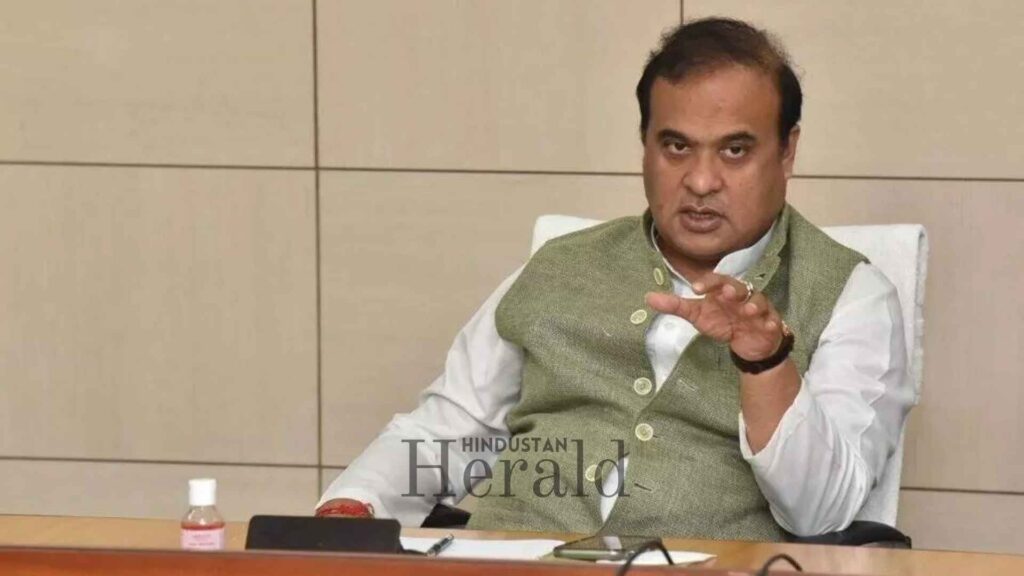
The campaign closed on a polarising note. While Assam’s elections have historically turned on questions of indigenous identity, this cycle went further, with accusations about foreign connections and overseas assets traded between both camps right up to the final days of campaigning.
Sarma himself raised questions about the British connections of Congress state chief Gaurav Gogoi‘s wife. Congress hit back, alleging that Sarma’s wife held three passports and properties abroad. Both sides denied everything and threatened legal action.
It was combative, even by Assam’s standards. But underneath the noise, there are real issues.
Tea tribe communities, descendants of labourers brought to Assam during the colonial era from present-day Jharkhand, Odisha and Bihar, are settled across Upper Assam and parts of the Barak Valley and influence outcomes in over 35 assembly seats. The BJP has worked hard to win them over. The Sarma government distributed Rs 95 crore among 486 tea gardens through a scheme covering interest subvention, subsidies, machinery support and an agricultural income tax holiday. Daily wages were also raised. Congress says these are one-time gestures that do not add up to real welfare.
Youth voters are another wild card. Nearly 29 per cent of Assam’s electorate is between 18 and 29 years old. Among the issues weighing on young voters is the death of beloved Assamese singer Zubeen Garg in September 2025, which raised questions of foul play and sparked a demand for justice that multiple parties have tried to tap into.
The numbers from opinion polls suggest Sarma is likely to win, and win big. Surveys predict the BJP-led NDA winning between 92 and 102 seats in the 126-seat assembly. The Congress-led bloc is projected at 22 to 32 seats.
When results come in on May 4, they will mean more than just another state government. An overwhelming majority would be the first assembly election fought entirely under Sarma’s direct leadership, and that would raise his standing considerably at the national level.
Puducherry: Small State, Complicated Math
Puducherry operates on a different scale entirely. Thirty seats, about nine and a half lakh voters, and an alphabet soup of alliances that have been shifting right up to the final days.
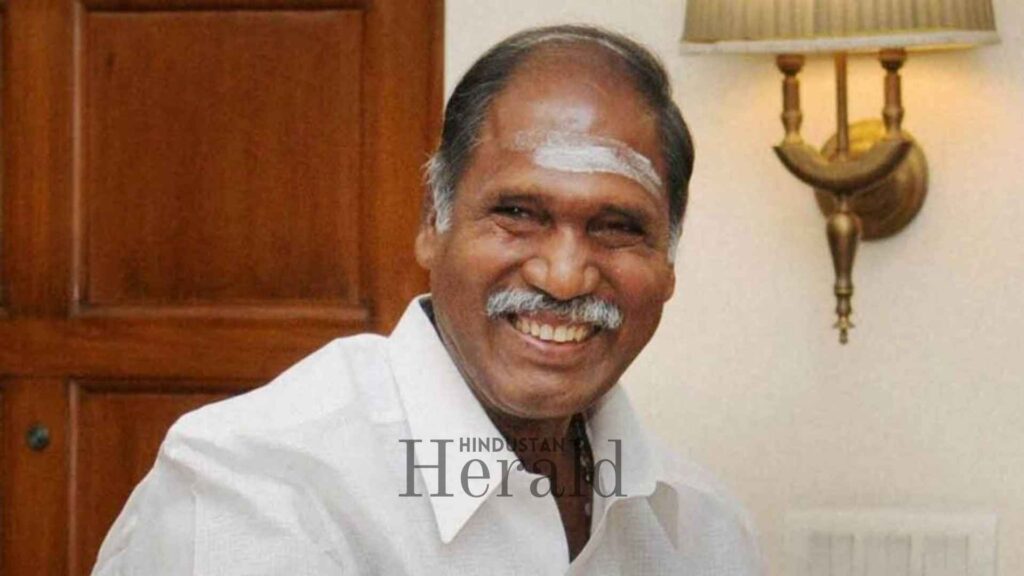
In 2021, the All India N.R. Congress-led NDA won 16 of 30 seats and N. Rangaswamy became Chief Minister. He is seeking re-election on a platform of administrative continuity and the central government’s support for the territory.
The opposition this time is a Congress-DMK combine, though the alliance had its share of pre-poll drama. The Viduthalai Chiruthaigal Katchi exited the alliance on March 24 over seat-sharing disagreements, and the CPI and CPI(M) also withdrew to field candidates independently in select constituencies.

Adding another dimension is TVK, the party launched by Tamil film star Vijay. TVK announced candidates for all 30 Puducherry constituencies on March 22, and while the party is a newcomer, its presence means votes will be split in ways that neither the NDA nor the INDIA alliance can fully predict.
Enforcement has been active throughout. About Rs 8.4 crore in cash and goods meant to induce voters was seized during the campaign period.
Security, EVMs, And What To Carry Tomorrow
The machinery of the election is fully in place.
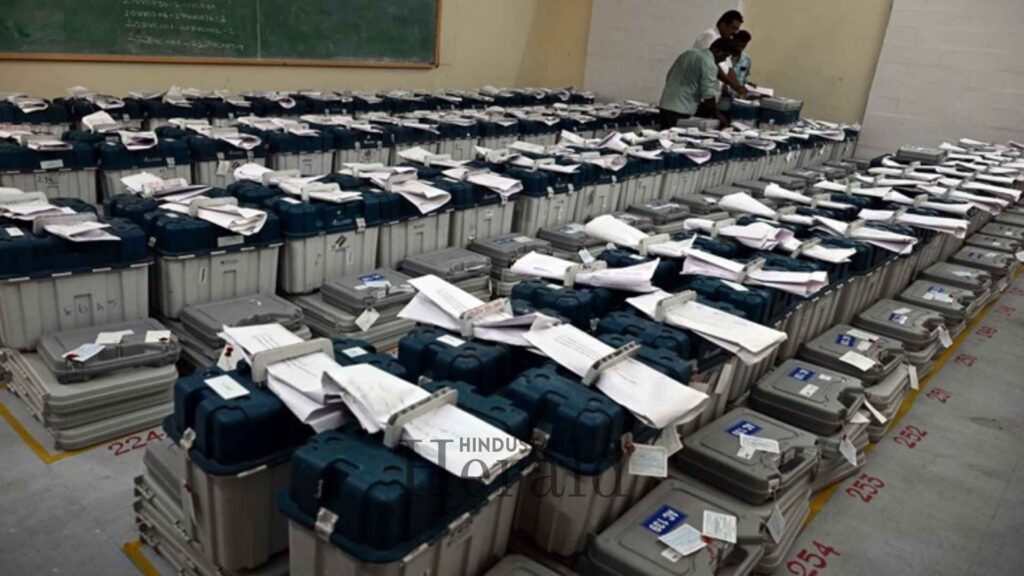
In Kerala, the Chief Electoral Officer has confirmed that all 31,490 polling stations will be under live webcasting surveillance, with 1.5 lakh polling personnel and over 43,000 VVPAT machines deployed. Over 76,000 security personnel and 160 central force teams are stationed across the state.
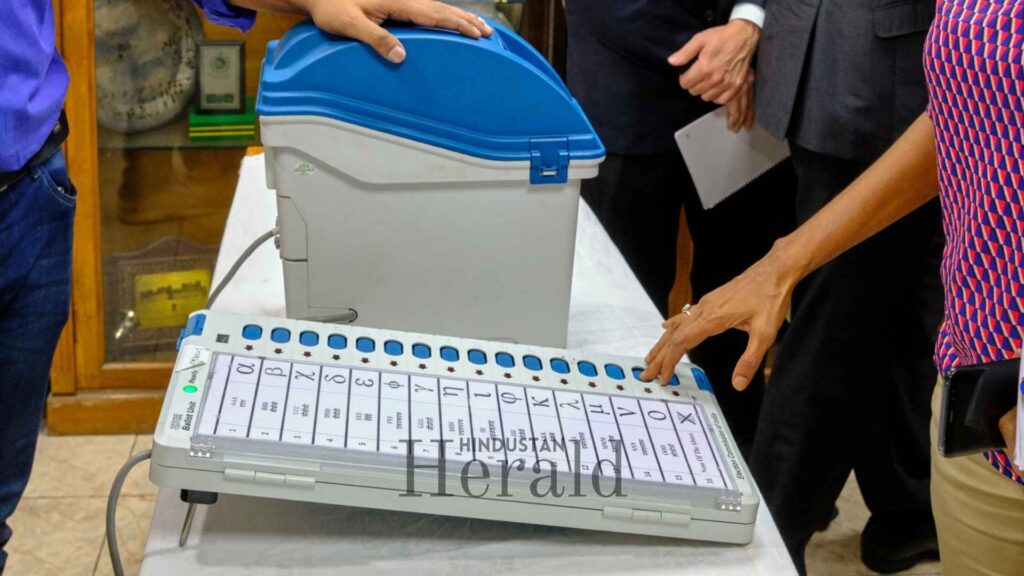
More than 34,000 elderly and differently-abled citizens in Assam have already exercised their franchise through home-based postal ballots.
In Puducherry, reserve EVMs are held under Returning Officers and will be ready for deployment if any technical issues arise at booths.
Voters heading out tomorrow need to carry a valid photo ID. The Voter ID (EPIC) is the primary document. If you do not have it on hand, alternatives include your Aadhaar card, PAN card, passport, driving licence, or a bank passbook with a photograph. Your Voter Information Slip helps you find your serial number and booth but is not mandatory on its own.
Booth locations and voter roll details can be checked via the National Voter Services Portal or the Voter Helpline app.
Why This Election Matters For National News India
This is more than a state-level story. The 2026 assembly elections are a key political test for both national and regional parties, setting the stage for the Lok Sabha elections in 2029.
If the BJP holds Assam comfortably and makes real inroads in Kerala, it can point to a strengthening national footprint. If the Congress leads a UDF comeback in Kerala while limiting BJP damage in Assam, it has a story to tell about momentum. And if neither side scores cleanly, the picture going into 2029 gets murkier.
Tamil Nadu and the first phase of West Bengal vote on April 23. But tomorrow is where India’s 2026 election season truly begins.
Stay ahead with Hindustan Herald — bringing you trusted news, sharp analysis, and stories that matter across Politics, Business, Technology, Sports, Entertainment, Lifestyle, and more.
Connect with us on Facebook, Instagram, X (Twitter), LinkedIn, YouTube, and join our Telegram community @hindustanherald for real-time updates.

Covers Indian politics, governance, and policy developments with over a decade of experience in political reporting.
- Ananya Sharma

- Ananya Sharma
- Ananya Sharma
- Ananya Sharma