
 By Ananya Sharma and Kavita Iyer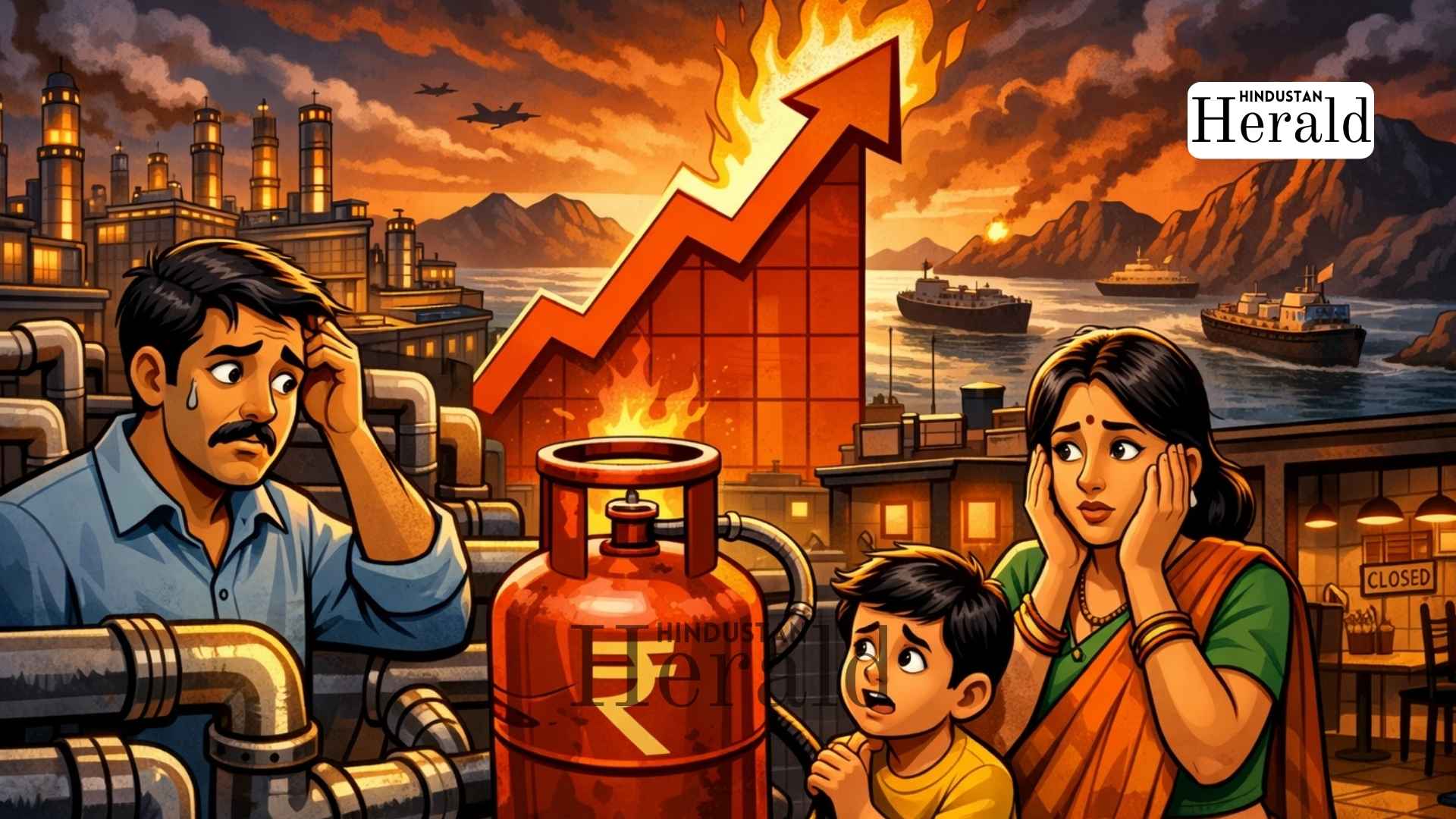
New Delhi, March 9: LPG Crisis Okay, so here is what happened. Sometime over the weekend, someone in the Ministry of Petroleum and Natural Gas signed a paper that most Indians will never read but will almost certainly feel. Maybe in their kitchen. Maybe in their next refill booking. Maybe, if they run a dhaba in Bengaluru or a crematorium in Pune, something considerably more disruptive than that.
The paper in question is an emergency directive. It was issued on March 9 under the Essential Commodities Act, a law that has been around since 1955 and gets dusted off when the government decides a situation is serious enough to override normal market functioning. This time, the situation is serious enough.
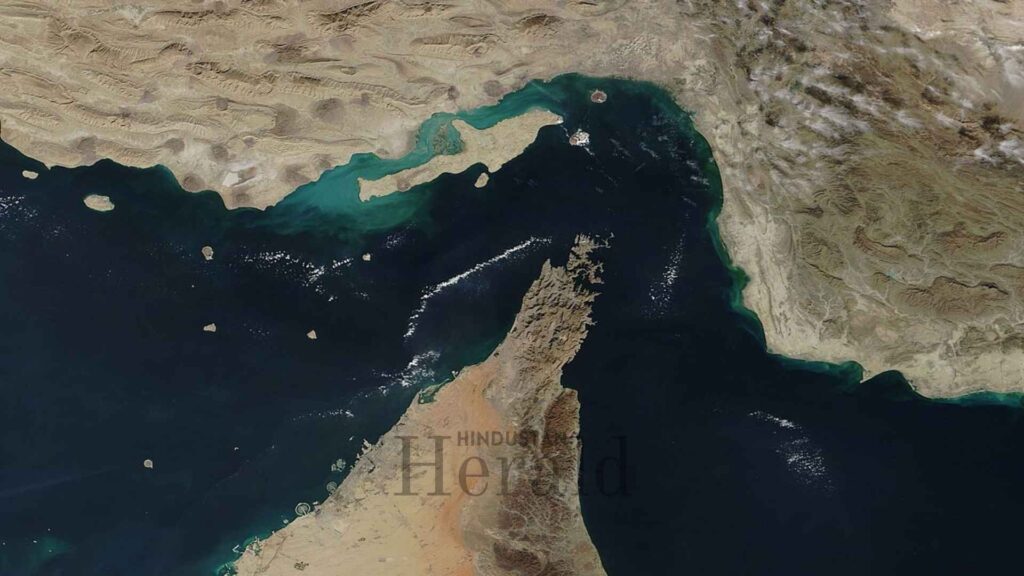
So What’s Actually Happening in West Asia
The Strait of Hormuz is a narrow stretch of water between Iran and Oman. It is, depending on which estimate you go with, the passage through which somewhere between 20 and 30 percent of the world’s seaborne oil and gas travels every day. Tankers go through. LPG carriers go through. It is the kind of geography that makes energy ministers worldwide lose sleep when the region heats up.
West Asia has been heating up for several weeks now.
India imports roughly 85 percent of its LPG from the Middle East. That number has been flagged as a vulnerability in energy policy discussions for years. Nobody moved fast enough to change it. Now the chickens, as the saying goes, have come home to roost.
The government is not sitting still. But the options available in the short term are limited, and the one it has chosen to exercise first is to squeeze as much cooking gas as possible out of refineries that were not originally set up to prioritise cooking gas above everything else.
The Directive, In Plain Language
Every Indian refinery, and this includes private ones, and those inside Special Economic Zones which usually get a bit more operational independence, has been told to reroute something called C3 and C4 streams entirely into LPG production.
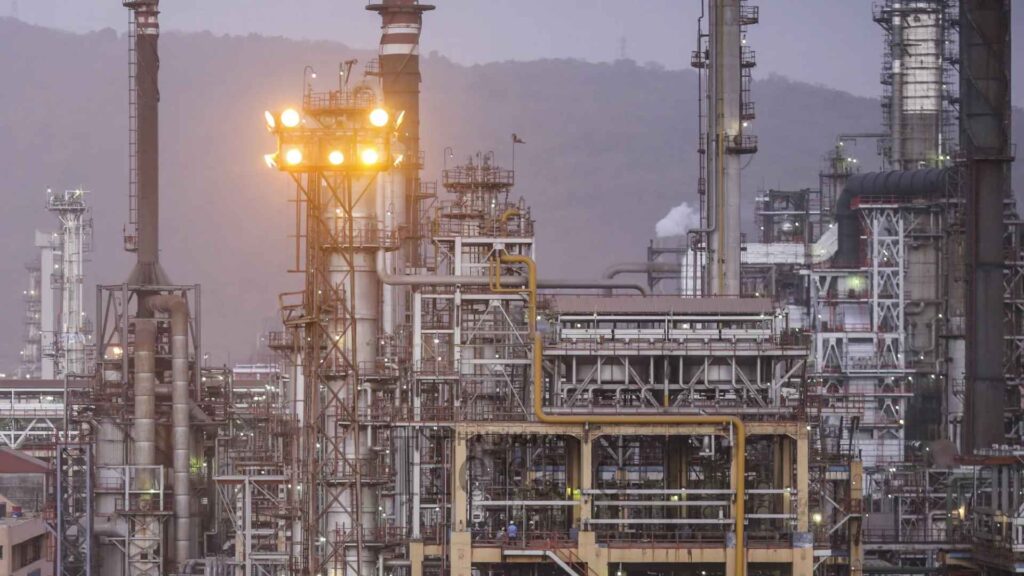
C3 and C4 streams, if you have never come across the term, are just the lighter fractions that come out during the oil refining process. Propane, butane, propylene and a few related compounds. Normally, refineries make a commercial call about how to use these: some goes toward making cooking gas, some goes to petrochemical plants that manufacture plastics, synthetic fabrics, and industrial chemicals.
That commercial call has been suspended. The entire stream, all of it, makes cooking gas now. No petrochemicals, no alkylates, no polypropylene, none of it until further notice.
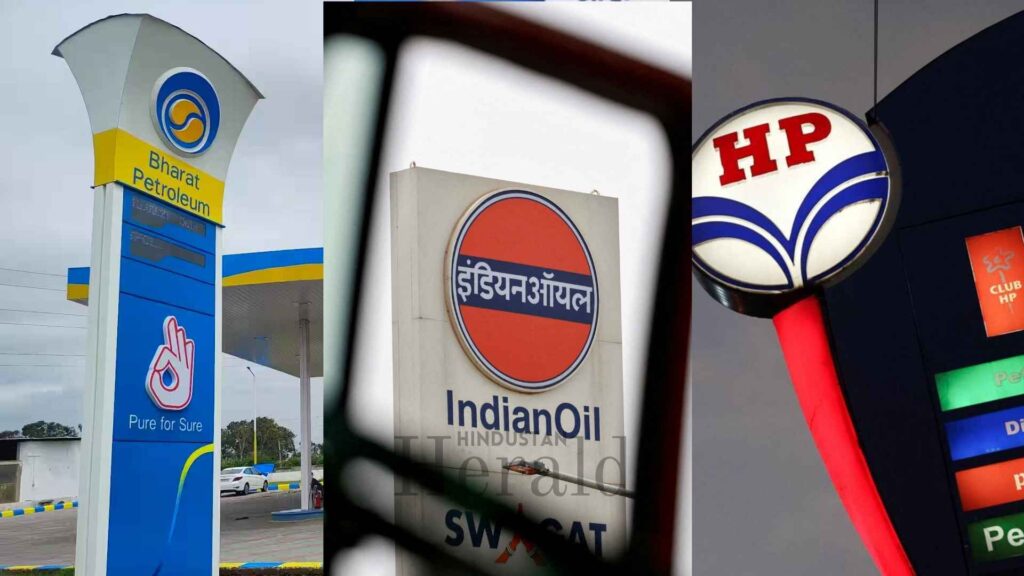
And the cooking gas produced as a result goes exclusively to Indian Oil, Bharat Petroleum, and Hindustan Petroleum, the three state-run companies that handle domestic cylinder distribution. From there it goes into household cylinders. Hotels, restaurants, industries — those supply lines are, for now, effectively frozen.
The 15-Day Problem
Before the directive came through, distribution people had already spotted something odd in the numbers.
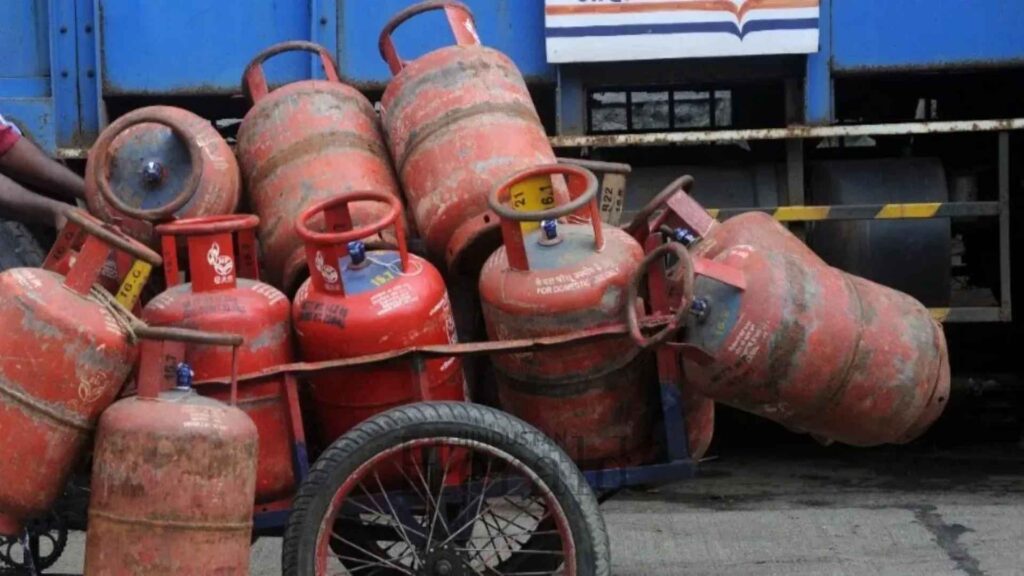
A standard household LPG cylinder, under normal cooking patterns, lasts somewhere between 50 and 55 days. That is the baseline the whole system is calibrated around.
People were booking refills every 15 days.
Not because Indian families had suddenly started cooking five meals a day. Because word travels fast, and when people hear that supply might tighten, they fill up. Then they fill up again. It is the same instinct that cleared supermarket shelves of rice and flour in early 2020, just playing out through the LPG booking system instead.
The government’s response was to push the minimum booking gap from 21 days to 25 days. Not dramatic. Not particularly satisfying as a policy response. But it slows the drain, and right now slowing the drain is the immediate priority.
Your Cylinder Just Got More Expensive
This part is simple and not pleasant.
Domestic LPG prices are up Rs 60 per cylinder. Commercial LPG is up roughly Rs 115. These hikes are already in effect.
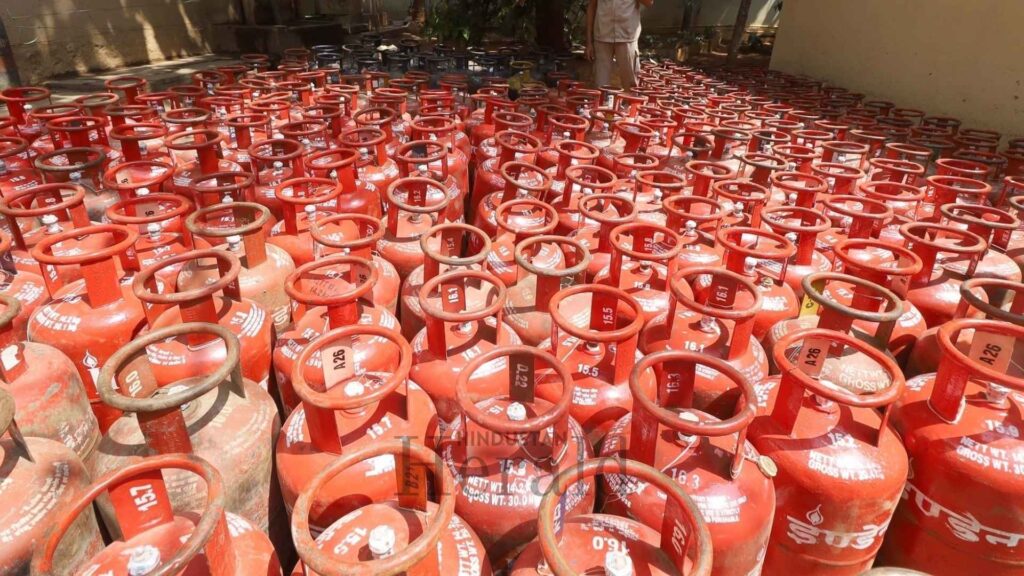
For most middle-class households, the Rs 60 is annoying. For households at the lower end of the income scale, where a cylinder is a meaningful monthly expense, it is more than that.
Petrol and diesel are stable for now, official sources say. The caveat attached to that statement is that stability holds only as long as global crude prices do not cross $130 a barrel. Given that prices have already been climbing, that ceiling deserves to be watched.
India’s fuel stockpiles currently cover about seven to eight weeks of consumption. That is not nothing. It is also not infinite, and the clock on that buffer starts mattering a lot if alternate supply lines do not come online quickly.
Bengaluru, Pune, and the People Already Feeling It
The commercial supply freeze is producing effects that nobody really advertised when the directive went out.
Bengaluru’s Hotels Association put out a warning this week that restaurants face the prospect of shutting down if the commercial cooking gas supply is not restored. The city’s restaurant industry is enormous, with thousands of establishments and hundreds of thousands of workers. A sustained supply cut does not just inconvenience diners.
Pune has a different, quieter problem. Several gas-fired crematoriums have switched to electric furnaces or wood because their propane and butane supply has been cut as a direct result of the directive. It is worth sitting with that for a moment. The emergency order meant to keep kitchens running has, as a side effect, disrupted how some communities bury their dead.
A committee of three Executive Directors from the OMCs has been set up to hear complaints and representations from commercial users. No one has published a timeline for when those reviews will produce actual relief. Businesses are waiting.
The American Connection, Because Nothing Is Simple
The long-term answer to India’s Hormuz problem is not a mystery. It is diversification. It has always been diversification.
A contract for 2.2 million tonnes of LPG from the US Gulf Coast has been signed for 2026, with shipment schedules being pushed forward given current conditions. American LPG travels farther to get here, costs more in freight, and takes longer in transit. But it comes through shipping lanes that have nothing to do with West Asian tensions, and right now that geography is worth paying for.
Still, contracts signed this month do not fill cylinders next week. The structural fix and the emergency fix are operating on completely different timescales. Both are necessary. Only one is fast enough to matter right now.
Nobody Has an End Date
The directive runs “until further notice.”
In practice, that means no one in the government is publicly committing to when petrochemical plants get their feedstock back, when commercial supply to restaurants and industries resumes, or when the booking gap goes back to 21 days.
The petrochemical industry is absorbing the disruption quietly for the moment. That will not last indefinitely. Petrochemicals are not a marginal business in India. The plants that have been told to stand down represent substantial investment and employment.
What the government has done, and it is a defensible thing to have done, is decide that in a supply crunch, households come before industry. Indian kitchens before Indian factories.
It is the kind of decision that sounds simple when stated in a press note. It is considerably messier in practice, as the crematoriums in Pune and the restaurant owners in Bengaluru could tell you this week.
Whether the system holds depends almost entirely on how long the West Asia situation drags on. India can manage seven to eight weeks. It can bridge some gap with American imports. What it cannot do, not quickly, is build new supply chains from scratch.
The Strait of Hormuz is not going to get wider anytime soon. And 85 percent dependency on a region that is on fire is the number that everyone in the petroleum ministry is staring at right now, hoping it does not define the next few months the way it is already defining this week.
Stay ahead with Hindustan Herald — bringing you trusted news, sharp analysis, and stories that matter across Politics, Business, Technology, Sports, Entertainment, Lifestyle, and more.
Connect with us on Facebook, Instagram, X (Twitter), LinkedIn, YouTube, and join our Telegram community @hindustanherald for real-time updates.

Covers Indian politics, governance, and policy developments with over a decade of experience in political reporting.
- Ananya Sharma

- Ananya Sharma
- Ananya Sharma
- Ananya Sharma





Former financial consultant turned journalist, reporting on markets, industry trends, and economic policy.
- Kavita Iyer
- Kavita Iyer
- Kavita Iyer
- Kavita Iyer