
 By Ananya Sharma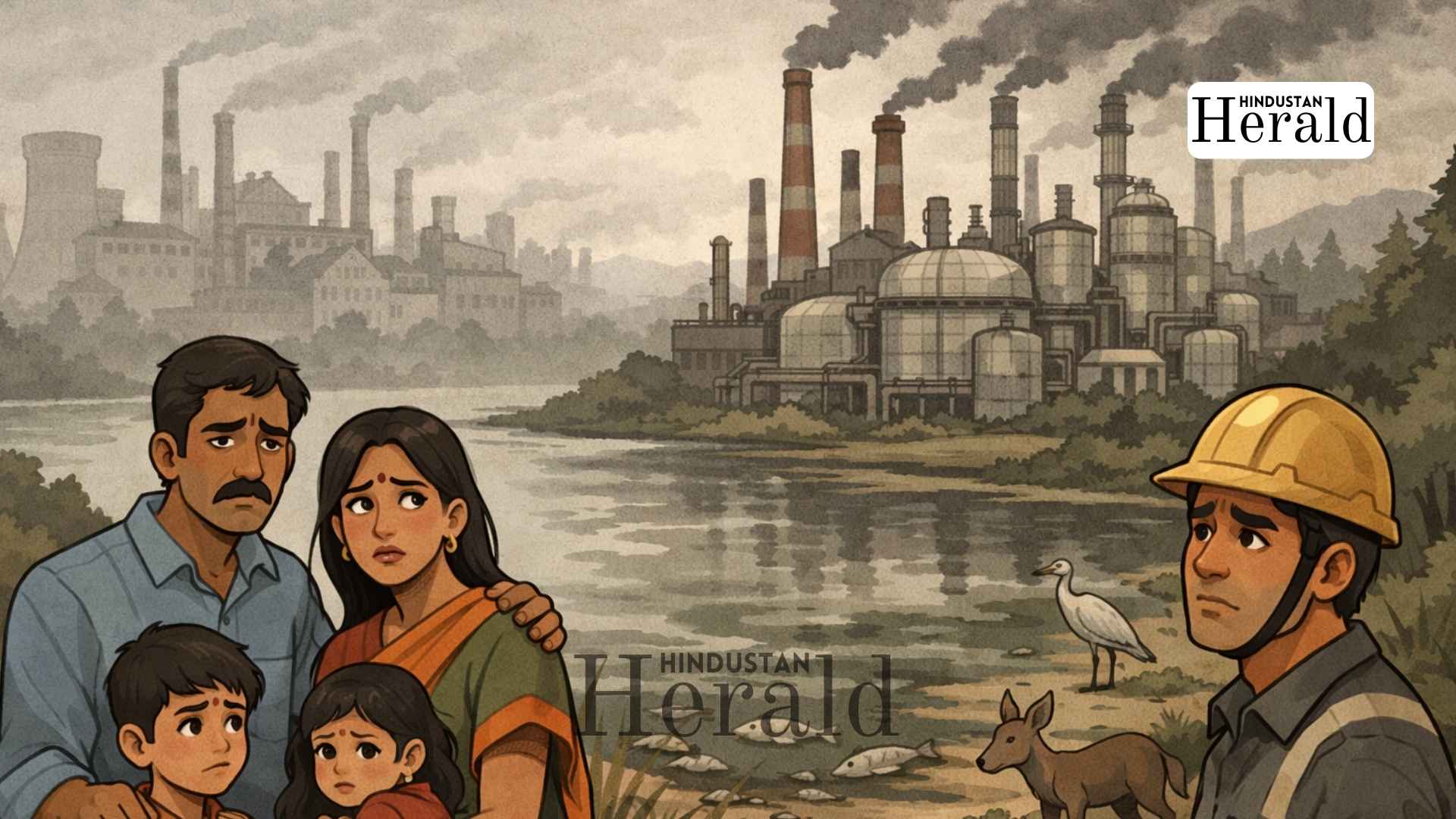
New Delhi, December 22: Not every environmental crisis announces itself with smoke in the air or dead fish floating on a river. Some arrive quietly, without colour, without smell, without warning. By the time people realise something is wrong, the damage has already settled deep inside the body.
India is now facing one such moment.
The chemicals involved are called PFAS. The name sounds technical, even distant. But their impact is anything but. These substances are increasingly being found in drinking water, food, and even breast milk. Once they enter the body, they do not leave easily. That is why scientists across the world call them forever chemicals.
So What Exactly Are PFAS
PFAS are man-made chemicals used to make everyday products tougher. They stop water from soaking in, oil from sticking, and heat from damaging surfaces. That is why they are used in non-stick pans, food wrappers, waterproof clothing, electronics, car parts, and industrial equipment.
For manufacturers, they are extremely useful. For nature and human health, they are a long-term problem.
PFAS do not break down in soil or water. They do not disappear inside the body. Instead, they slowly accumulate. You may drink a glass of contaminated water today and feel nothing. But repeat that exposure over the years, and the chemicals begin to build up in the blood and organs.
The harm does not come quickly. It comes quietly.
Italy’s Experience Shows What Happens When PFAS Are Ignored
This is not a hypothetical risk. Europe has already seen what unchecked PFAS production can do. For decades, an Italian chemical company called Miteni produced PFAS in northern Italy. For years, nobody outside the factory knew what was leaking into the ground.

In 2013, authorities discovered that groundwater across a wide region had been contaminated. Nearly 350,000 people had been drinking polluted water, some of them for decades. Blood tests later showed alarmingly high PFAS levels. Doctors began noticing patterns: higher cases of kidney cancer, testicular cancer, thyroid disorders, fertility problems, and weakened immune systems.
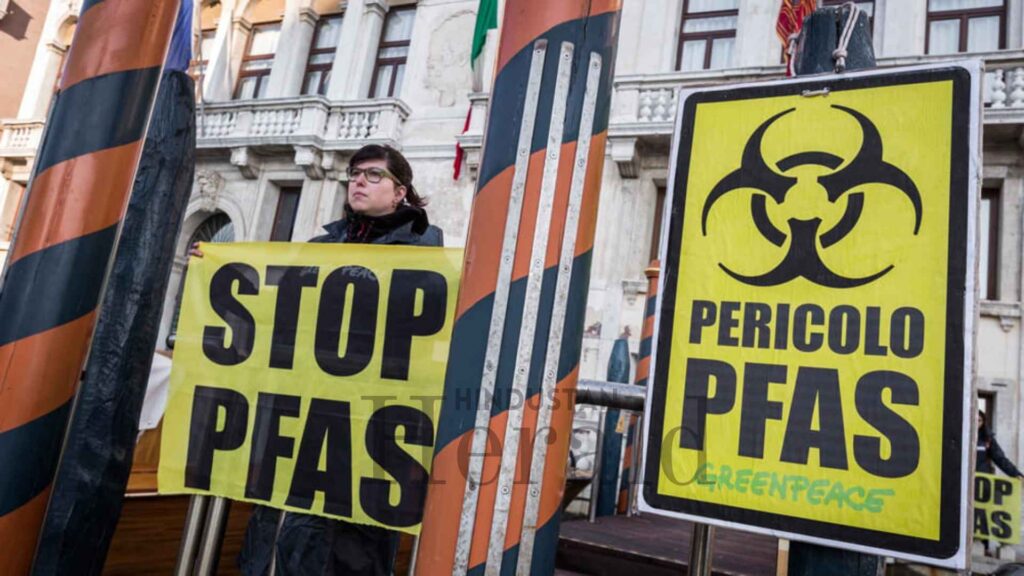
The factory shut down. The company collapsed. And in 2025, Italian courts sentenced 11 former executives to prison. The judgment sent a clear message. This was not bad luck. It was preventable damage.
Why That Story Matters To India
When the Italian factory closed, its machines did not disappear.
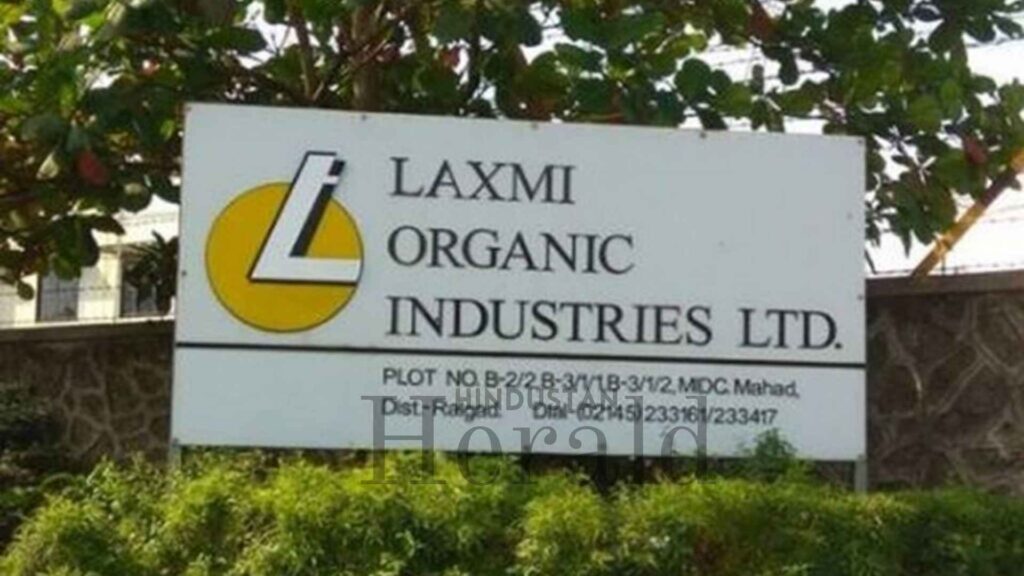
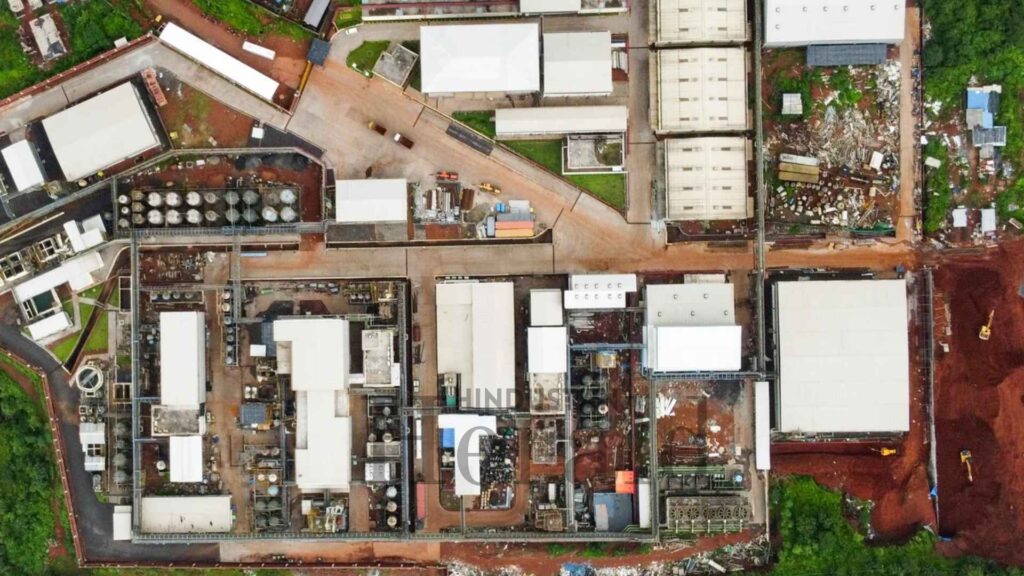
In 2019, Laxmi Organic Industries bought the equipment and technical know-how. Over time, the plant was taken apart in Italy and rebuilt at Lote Parshuram MIDC in Ratnagiri district, Maharashtra.

By early 2025, the factory was running.
The location is sensitive. The industrial zone lies close to the Koyna Wildlife Sanctuary, an ecologically rich area that supports rivers, forests, and wildlife found nowhere else. If PFAS enter this environment, they will not be flushed away by rain or diluted over time. They will remain.
PFAS Are Already Here
What makes this more worrying is that PFAS are not new to India.
Scientists have already detected these chemicals in rivers, groundwater, and city water supplies. Even more troubling, studies have found PFAS in breast milk in Indian cities. That means exposure can begin before a child has even taken their first step.
Researchers warn that if current trends continue, PFAS levels in some regions could cross internationally accepted safety limits in the coming decades.
Almost No Rules To Stop It
Despite this, India has no clear national rules governing PFAS. There are no legal limits for PFAS in drinking water. Industries are not required to regularly test or disclose PFAS pollution. There are no strict controls on producing or releasing these chemicals. In Europe and the United States, PFAS have become a regulatory and legal nightmare. In India, they exist largely in a blind spot.
That difference explains why factories move.
Health Damage That Takes Years To Surface
Medical research now links PFAS exposure to kidney cancer and other serious illnesses. They are also associated with fertility problems, pregnancy complications, reduced vaccine effectiveness in children, high cholesterol, and kidney damage.

This is not pollution that causes immediate alarm. It works slowly. Often silently. By the time patterns emerge, entire communities may already be affected.
Why Cleanup Is Not The Answer
Once PFAS contaminate groundwater, removing them is extremely difficult. Some filtration systems can trap the chemicals, but they do not destroy them. The PFAS still exist, concentrated as toxic waste that must be managed indefinitely.
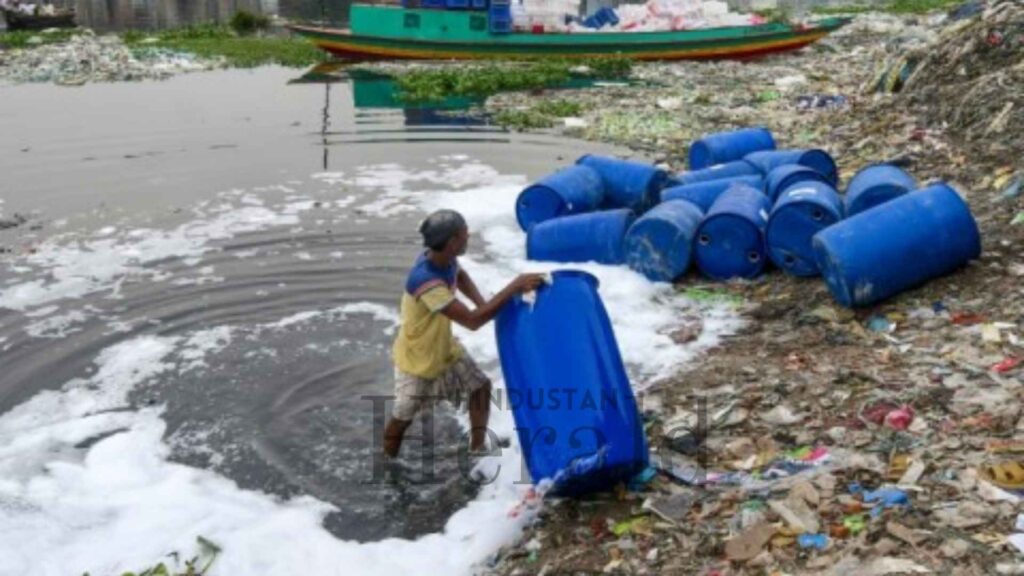
In many cases, especially where groundwater is involved, complete cleanup may not even be possible. That is why countries dealing with PFAS today spend billions just trying to limit exposure.
A Global Pattern Repeating Itself
Experts describe this shift of hazardous industries as pollution colonialism. When environmental laws become strict in wealthy countries, companies move dangerous operations to places with weaker regulation.
India’s expanding chemical industry and regulatory gaps make it an easy destination.
Warnings Are Already Coming From Within India
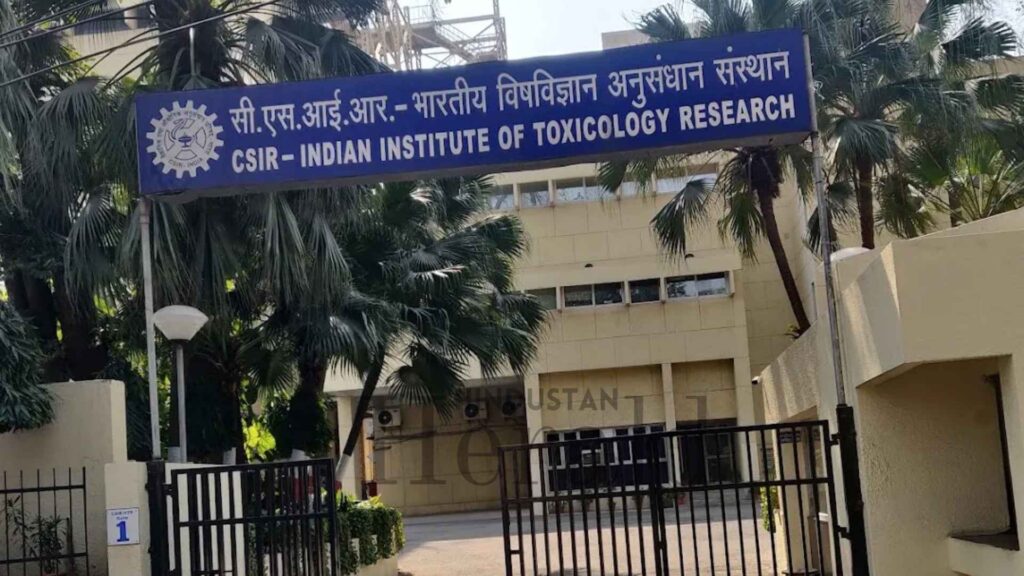
Indian scientists are not silent. The CSIR-Indian Institute of Toxicology Research has begun mapping PFAS contamination across water, food, and consumer products. In October 2025, the Food Safety and Standards Authority of India proposed banning PFAS in food packaging.
It is a meaningful step. But it addresses only one source of exposure. Drinking water and industrial discharge remain largely untouched.
Why The Next Few Years Matter
Europe did not understand the scale of PFAS damage when these factories were allowed to operate. India does.
That knowledge creates responsibility.
Strong rules, monitoring, and enforcement introduced now could still prevent widespread contamination. Delay would allow the problem to spread quietly, becoming harder and eventually impossible to undo. This is one crisis India can still stop before it becomes permanent. The choice, for now, remains open.
Stay ahead with Hindustan Herald — bringing you trusted news, sharp analysis, and stories that matter across Politics, Business, Technology, Sports, Entertainment, Lifestyle, and more.
Connect with us on Facebook, Instagram, X (Twitter), LinkedIn, YouTube, and join our Telegram community @hindustanherald for real-time updates.

Covers Indian politics, governance, and policy developments with over a decade of experience in political reporting.
- Ananya Sharma

- Ananya Sharma
- Ananya Sharma
- Ananya Sharma




 Rajiv Menon and Ananya Sharma