
 By Kavita Iyer and Ananya Sharma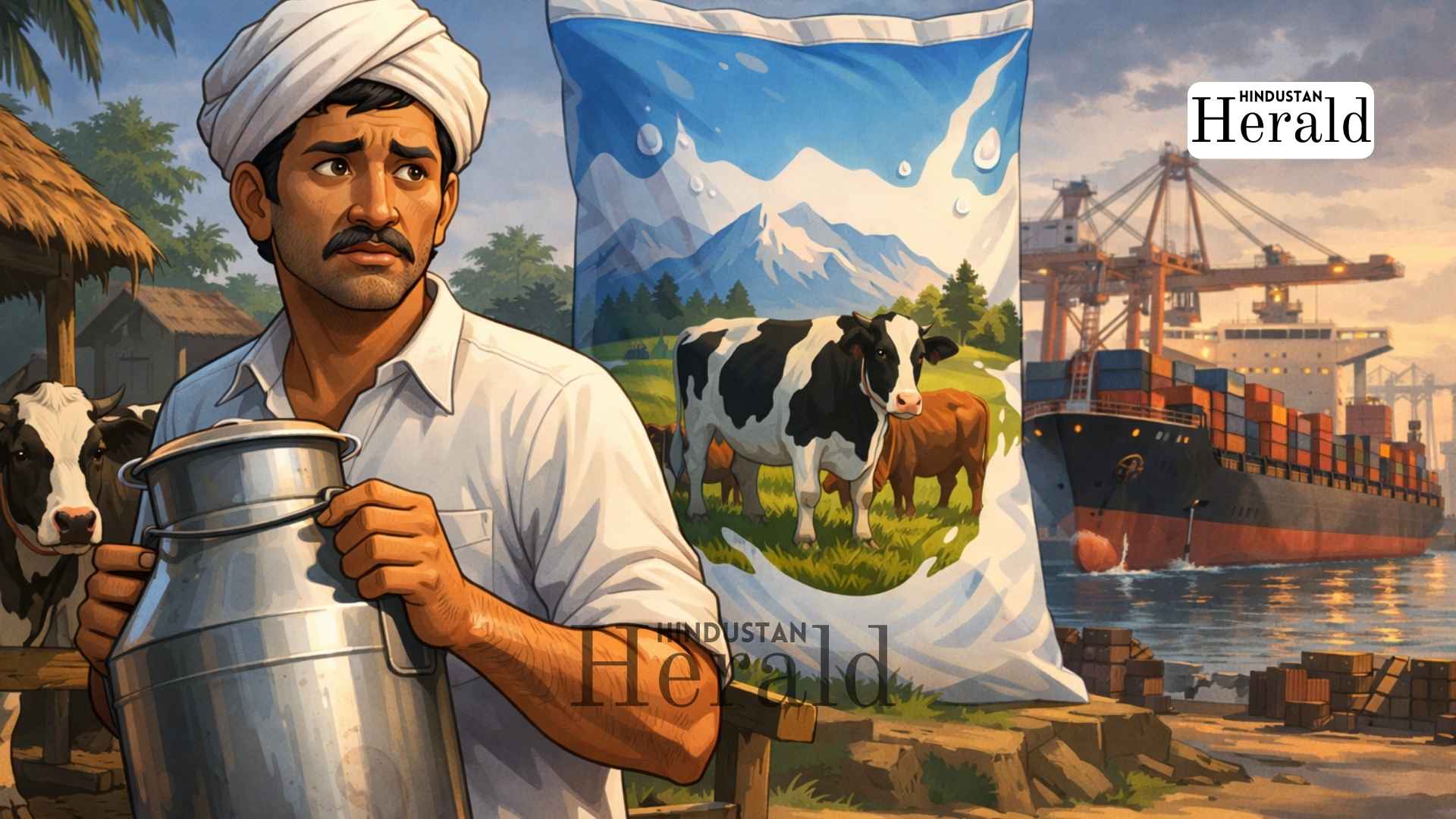
New Delhi, February 13: It is not every day that milk becomes a political talking point. Yet over the past 48 hours, India’s dairy sector has found itself in the middle of an unusually heated public argument. What should have been a technical trade clause has spiralled into a debate about vegetarianism, farmer livelihoods, corporate power and the future of the country’s cooperative movement.
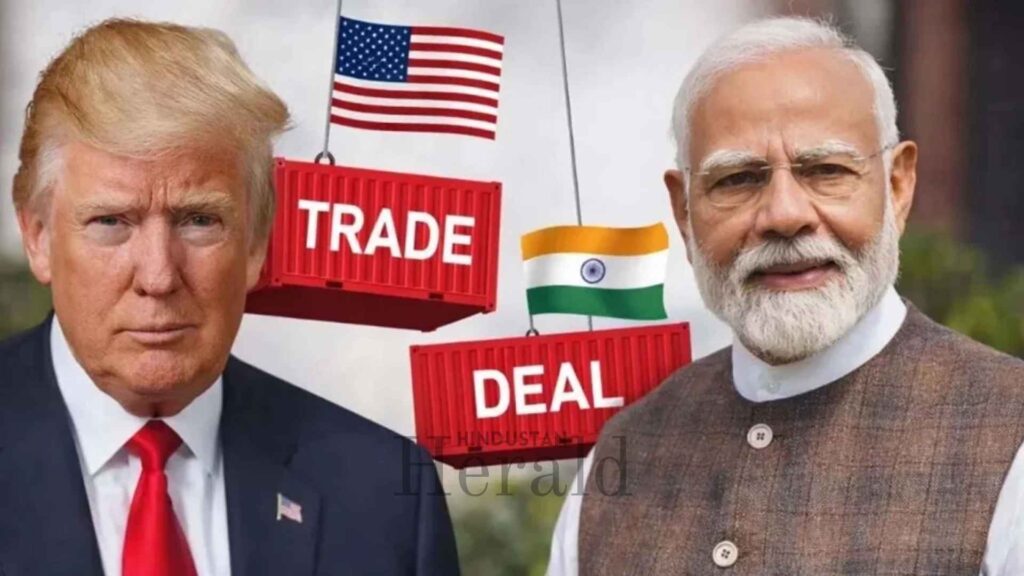
At the centre of it all is Amul, the brand most Indians grew up with, and a newly signed India–US interim trade deal that few outside policy circles were paying attention to until social media took over.
What followed has been loud, emotional and, in many cases, confusing.
Where The “Non-Veg Milk” Claim Came From
The immediate spark was India’s decision to allow imports of DDGS, short for Dried Distillers Grains. It is a byproduct of ethanol production and is widely used abroad as animal feed.
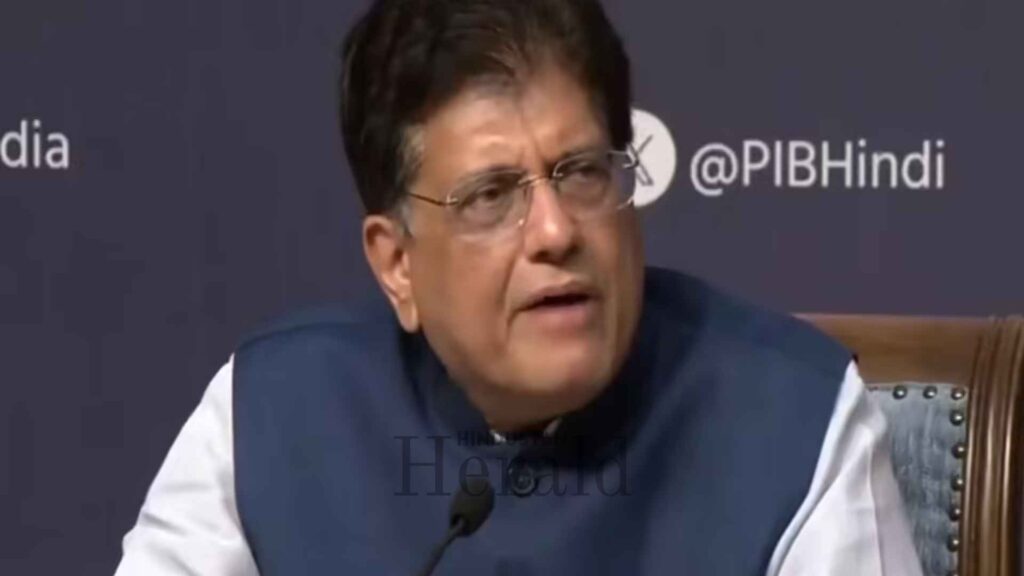
On paper, this is not milk. It is cattle or poultry feed. The government has clarified that the allowed imports are limited and largely meant for poultry. Commerce Minister Piyush Goyal has publicly stated that dairy itself remains protected and that the feed imports account for a very small fraction of total consumption.
But nuance rarely survives on WhatsApp.
Within hours, posts began claiming that DDGS may contain “blood meal,” an animal-based protein supplement sometimes used in feed abroad. The leap from there was quick and dramatic. If cows eat feed containing animal-derived material, would the milk be considered vegetarian?
For millions of Indians, that is not a technical question. It is emotional. It touches faith, food habits and personal identity.
There has been no official confirmation that the permitted imports include blood meal. Government statements so far have focused on efficiency and cost management. Still, the phrase “non-veg milk” began trending, and once that phrase stuck, the damage was done.
In a country where even a rumour about food purity can spark outrage, this was always going to hit a nerve.
Why The Reaction Feels Bigger Than The Policy
To understand the anger, you have to look beyond the trade clause.
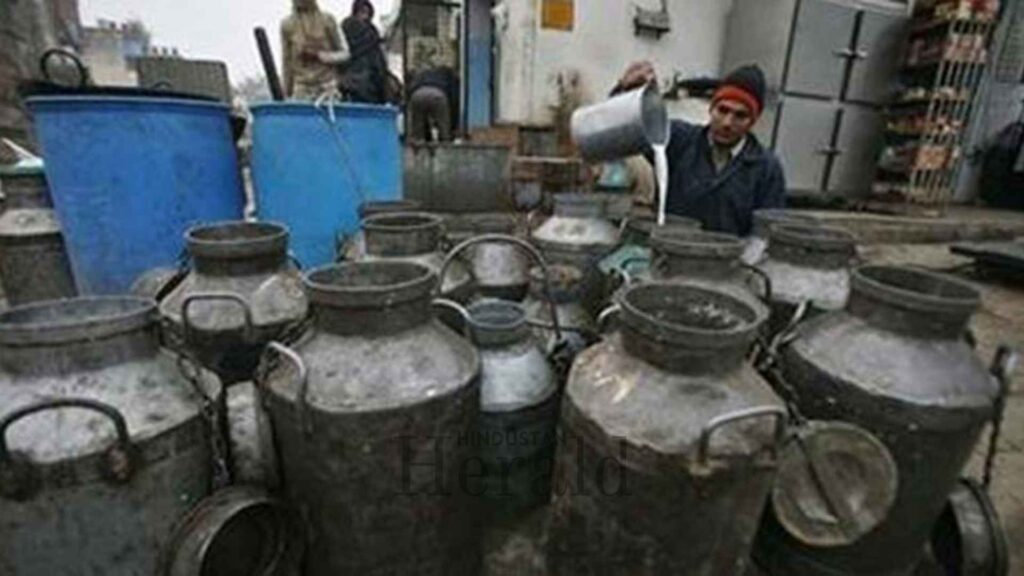
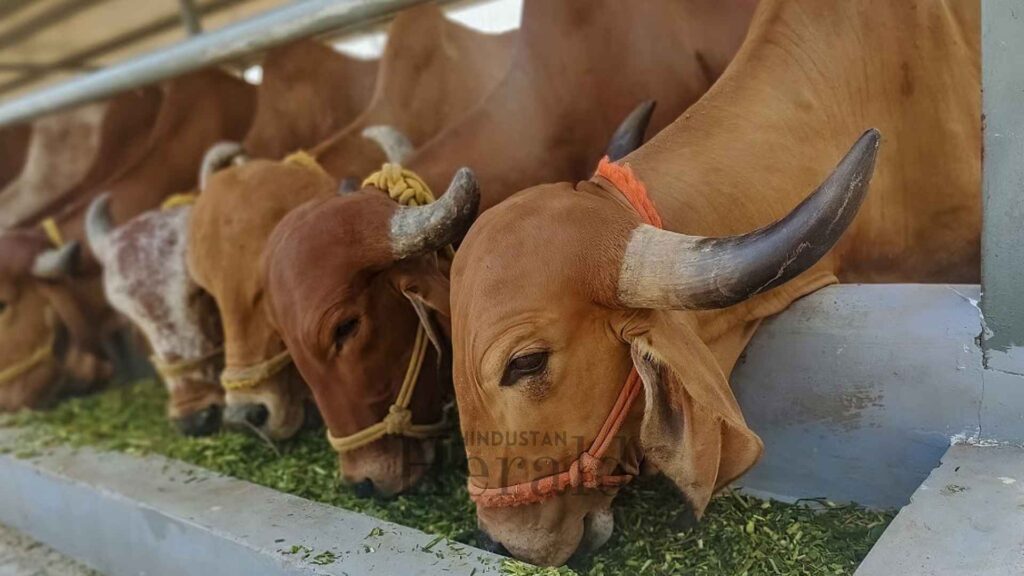
India’s dairy system is not dominated by large factory farms the way it is in some Western countries. It runs on small households. Two or three cows. Women who wake before sunrise to milk them. Cooperative collection centres that pool the supply. It is not just an industry. It is woven into rural life.
Nearly 80 million smallholder farmers are part of this ecosystem. For many families, milk sales are their most stable source of cash income.
So when social media posts suggest that India is inching toward an American-style “factory farming” model, the fear spreads quickly. People imagine corporate barns, imported feed, and small farmers being pushed aside.
There is no official announcement suggesting such a shift. But perception is powerful. Once the narrative becomes “India is surrendering its dairy culture,” every policy decision is viewed through that lens.
Amul’s Separate But Related Headache
As if the trade debate was not enough, Amul is also dealing with a credibility challenge of its own.
Last month, a content creator known as Trustified released a video alleging that Amul’s Masti Dahi showed discrepancies in fat and protein levels between its pouch and cup variants. The video included lab-style visuals and detailed breakdowns. It quickly went viral.
Amul responded strongly, calling the claims misleading and describing the video as fear-mongering. The cooperative stated that its products go through dozens of quality checks and meet food safety norms.
Yet the reaction online was telling.
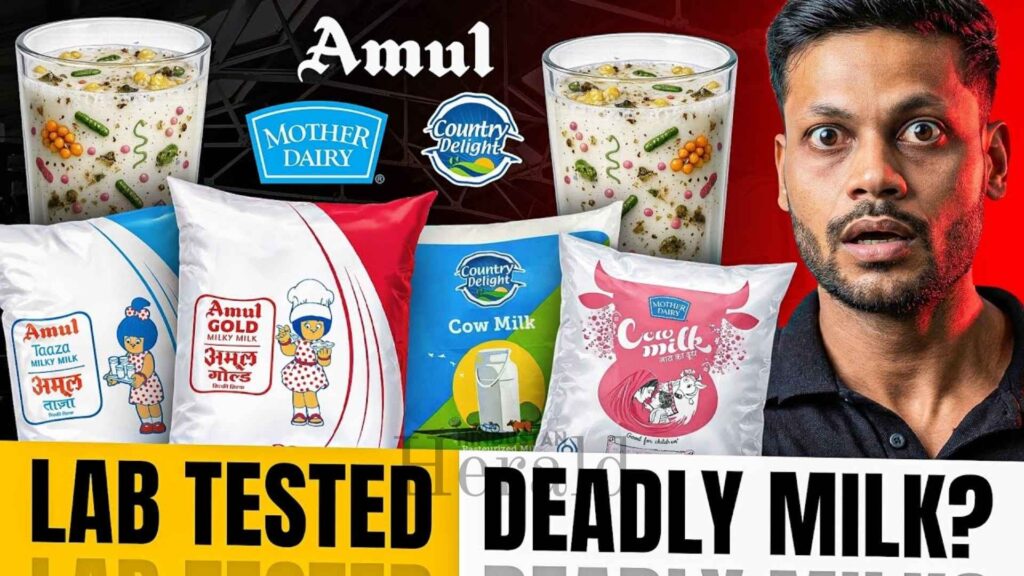
Instead of instinctively defending the brand, many users asked questions. Hashtags like #AmulTransparency began circulating. Some consumers said they felt confused. Others said they trusted independent testers more than corporate statements.
There is, at present, no official regulatory finding that confirms the allegations. But in the age of viral reels and DIY lab tests, brand authority does not carry the automatic weight it once did.
For a company built on decades of trust, even a small dent feels significant.
Farmers’ Worries Are Not Just About Purity
Away from social media debates, farmer groups are looking at the trade deal from a different angle.
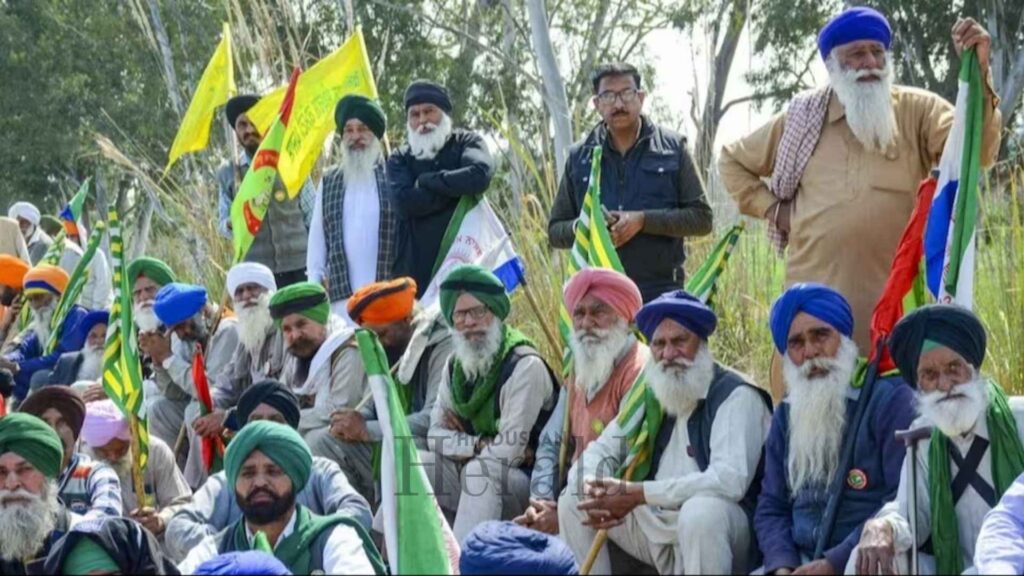
The Samyukt Kisan Morcha, which previously led nationwide protests against farm laws, has criticised the interim agreement. Farmer leaders argue that even if dairy products are currently protected, incremental openings could eventually expose Indian producers to cheaper, subsidised imports.
They point out that fodder costs have already risen. Input expenses are climbing. Milk prices have increased in cities, but farmers say their margins remain tight.
Their fear is straightforward. If imported feed becomes common and if, in the future, dairy solids or milk powder from abroad enter at lower prices, small producers could struggle to compete.
The government maintains that such fears are exaggerated and that India’s tariff protections on finished dairy products remain strong. Officials argue that controlled imports of feed improve efficiency and help manage costs.
Still, in rural India, policy assurances often compete with lived experience. Many farmers remember past reforms that promised growth but brought uncertainty instead.
Digital Scams And Public Frustration
There is another layer to this story that is less ideological but equally damaging.
Amul has reportedly taken action against Google over fake advertisements promoting non-existent Amul franchises. Scammers have allegedly used AI-generated content and branding to lure people into investing money.
Victims who lost funds have taken to social media, sometimes blaming the brand itself. Amul maintains that these schemes are fraudulent and unauthorised.
Even though the company is not responsible for the scams, the effect is cumulative. In the public eye, multiple controversies blend together. Trade confusion, quality debates, fake ads. It starts to feel like instability, even if the systems remain intact.
Why Milk Hits Different In India
If this were about steel or software exports, the reaction would likely be muted. But milk is personal.
It is poured into temple offerings. It is the first drink given to many children. It is stirred into tea every morning in millions of homes. It carries emotional weight.
So when people hear that something about it might change, even in a small way, the response is instinctive.
Some of the outrage is clearly fuelled by misinformation. Some of it is rooted in genuine economic concern. Much of it is a mix of both.
The larger issue here is trust.
Do consumers trust that regulators are vigilant? Do farmers trust that trade negotiators will shield them from unfair competition? Do citizens trust large cooperatives and digital platforms to safeguard quality and identity?
Right now, that trust feels strained.
What Happens Next
It is too early to say whether this storm will translate into a long-term impact. Milk consumption patterns do not change overnight. Cooperative networks are deeply entrenched. Trade agreements unfold over years, not days.
But the conversation itself is revealing.
It shows how quickly policy decisions can become cultural flashpoints. It shows how social media can amplify technical details into moral debates. And it shows that even legacy institutions like Amul cannot rely solely on past goodwill.
For many Indians, the worry is simple and emotional. They want to believe that the milk they drink is pure. They want small farmers to survive. They do not want to feel that global trade comes at the cost of local livelihoods.
Whether those fears are fully justified or partly exaggerated, they are real.
And in public life, perception often travels faster than policy.
For now, India’s dairy sector is not collapsing. The cooperative model is still intact. The cows are still being milked at dawn across thousands of villages.
But the conversation has changed. And once conversations change, institutions have to respond with more than press releases.
Milk may look calm in a glass. Right now, the system behind it is anything but.
Stay ahead with Hindustan Herald — bringing you trusted news, sharp analysis, and stories that matter across Politics, Business, Technology, Sports, Entertainment, Lifestyle, and more.
Connect with us on Facebook, Instagram, X (Twitter), LinkedIn, YouTube, and join our Telegram community @hindustanherald for real-time updates.

Former financial consultant turned journalist, reporting on markets, industry trends, and economic policy.
- Kavita Iyer

- Kavita Iyer
- Kavita Iyer
- Kavita Iyer





Covers Indian politics, governance, and policy developments with over a decade of experience in political reporting.
- Ananya Sharma
- Ananya Sharma
- Ananya Sharma
- Ananya Sharma




 Ayesha Khan and Ananya Sharma
  Ananya Sharma