
 By Ananya Sharma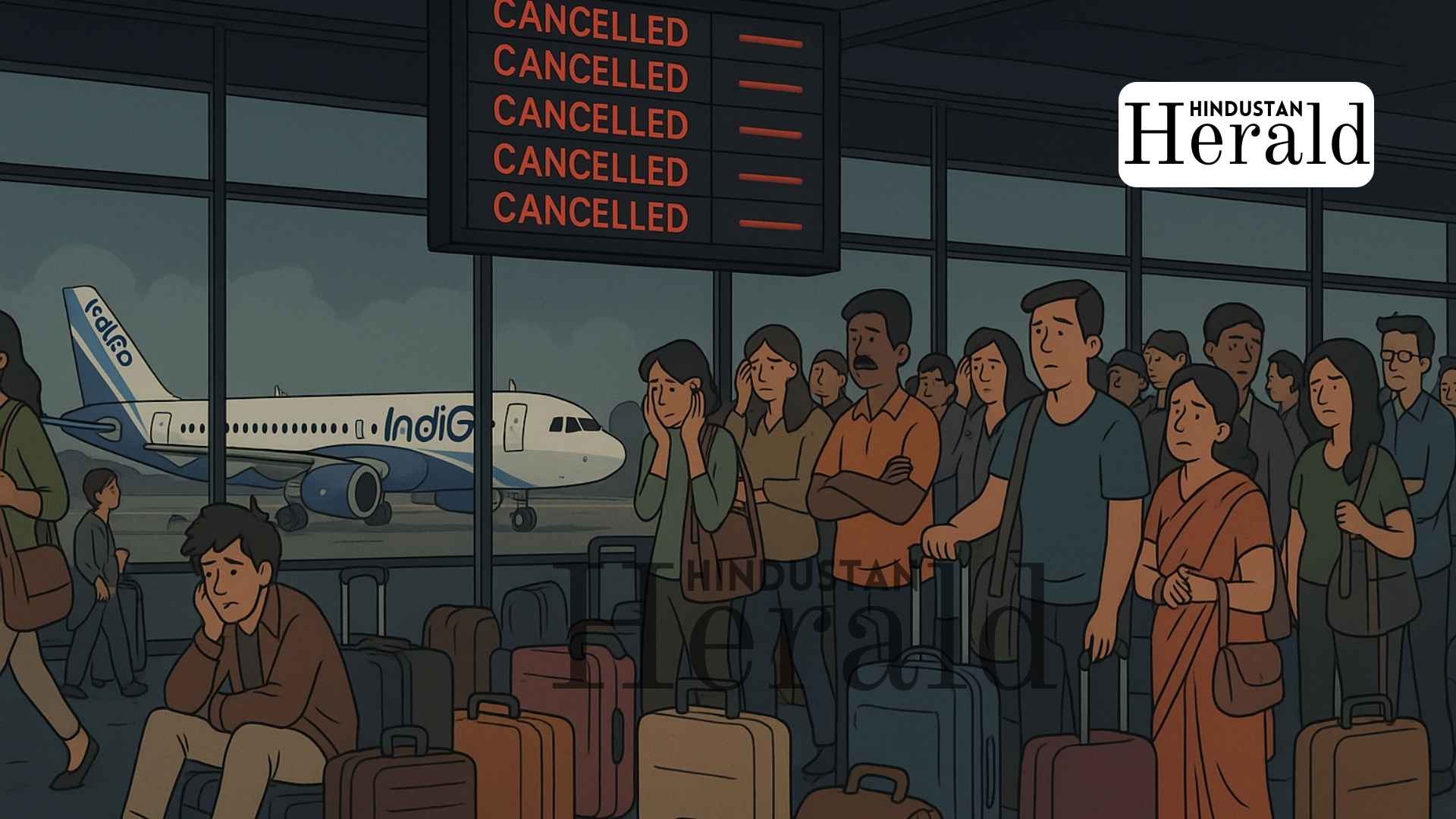
New Delhi, December 6: The trouble started quietly on Friday morning, a few scattered messages about delayed departures, nothing most travellers hadn’t seen before. By afternoon, though, it was clear something far larger was unfolding. IndiGo, the airline that usually keeps India’s domestic network stitched together, began cancelling flights in numbers that startled even airport staff. And by Saturday, the situation had slipped into full crisis mode.
The Indian Express reported that more than 400 flights were cancelled just on Saturday morning, following over a thousand on Friday. Anyone walking through the terminals in Delhi, Mumbai or Bengaluru could tell something was off. The crowds looked restless. Airline counters were running out of answers. Departure boards flickered like they were struggling to keep up with the bad news.
Where The Crisis Really Began
Inside the airline, people familiar with the matter insist this wasn’t a sudden collapse but a slow buildup of scheduling tension. IndiGo had been trying to adapt to the government’s updated Flight Duty Time Limitation rules, which require stricter rest periods for crew. A sensible policy on paper. Harder to implement if your roster planning is stretched thin.
According to Mint, IndiGo simply didn’t have enough rested, eligible crew to keep the day’s schedule running. One cancelled flight created gaps elsewhere, and then another, until the whole system began tipping over. Several pilots timed out. Cabin crew were shifted from one aircraft to another in a scramble that didn’t quite work.
Travellers didn’t care about rostering theory, of course. They were stuck in terminals, watching the hours go by, trying to decide whether to wait, rebook or abandon travel plans entirely.
The Prices Went Wild
The cancellations alone would have been bad enough. What shocked people next was the surge in fares. Prices didn’t creep up. They shot up in a way that felt almost surreal.
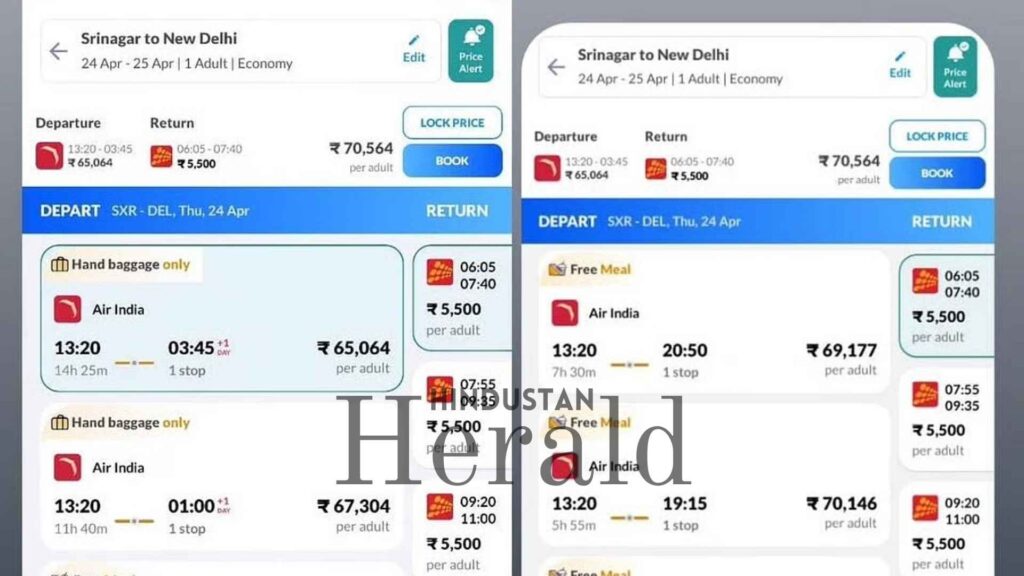
The Times of India found that a last-minute Delhi to Bengaluru ticket hit Rs 70,000 on Friday evening. To put that in perspective, Delhi to London was going for around Rs 25,000 at the same time. It’s not every day that you see a domestic business-hub flight priced nearly three times higher than a ticket to the UK.
Other carriers raised fares, too. Not quietly either. Reporters at The New Indian Express noted increases of five to six times the normal rates on busy sectors. By Saturday morning, passengers were swapping stories in airport lines about how every time they refreshed a booking app, the fares jumped again.
Government Steps In, Trying To Restore Some Order
The aviation ministry eventually intervened. By midday, the Ministry of Civil Aviation told all airlines to stick to prescribed fare caps, a move reported by The Economic Times. It was meant to clamp down on what officials called opportunistic pricing while people were stranded.
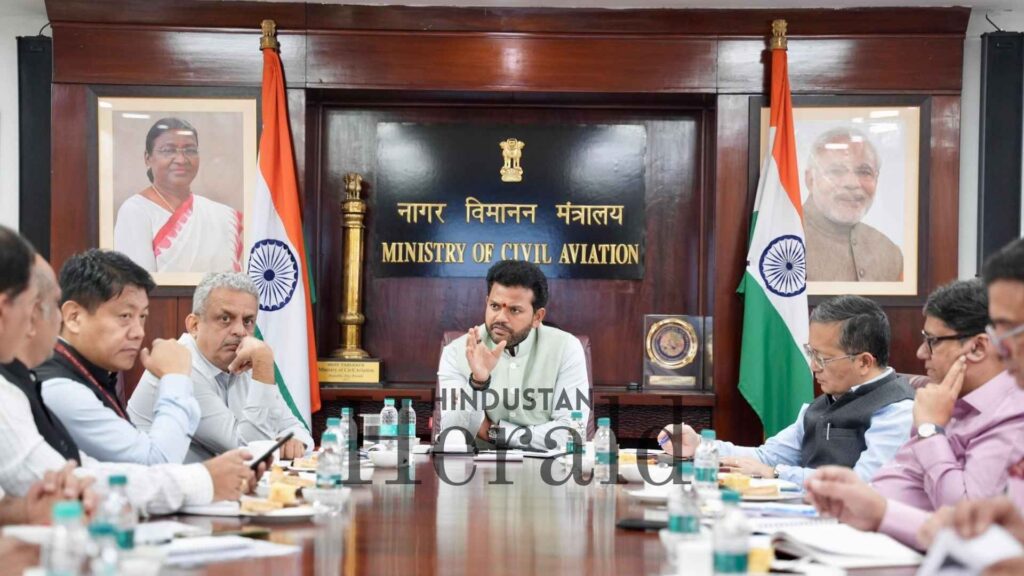
It didn’t magically fix anything. Fare caps can stop outrageous pricing, but they don’t produce aircraft or crew out of thin air. Seats were still scarce, and airport floors were still crowded. But at least the ceiling gave passengers a sense that someone was paying attention.
Scenes From India’s Terminals
Across major airports, the situation felt raw. In Delhi, families sat on the floor near charging points, trying to plug in multiple devices at once so they wouldn’t miss any notifications. Bengaluru had people pacing between gates, clutching printouts because the screens kept changing. Hyderabad saw long queues at information desks, with the same questions being asked over and over.

Some airline staff looked exhausted, repeating explanations they knew weren’t very satisfying. One passenger described the atmosphere as “half waiting room, half storm shelter”.
The strain was showing everywhere. Airports aren’t designed to handle this kind of sudden gridlock, especially not in December when leisure and business travel collide.
The Larger Problem Nobody Can Ignore
When nearly 60 per cent of India’s domestic aviation is carried by one airline, any major disruption becomes a national problem. IndiGo wasn’t built to fail, but the past two days have shown how fragile the system becomes when even a portion of its flights vanish.
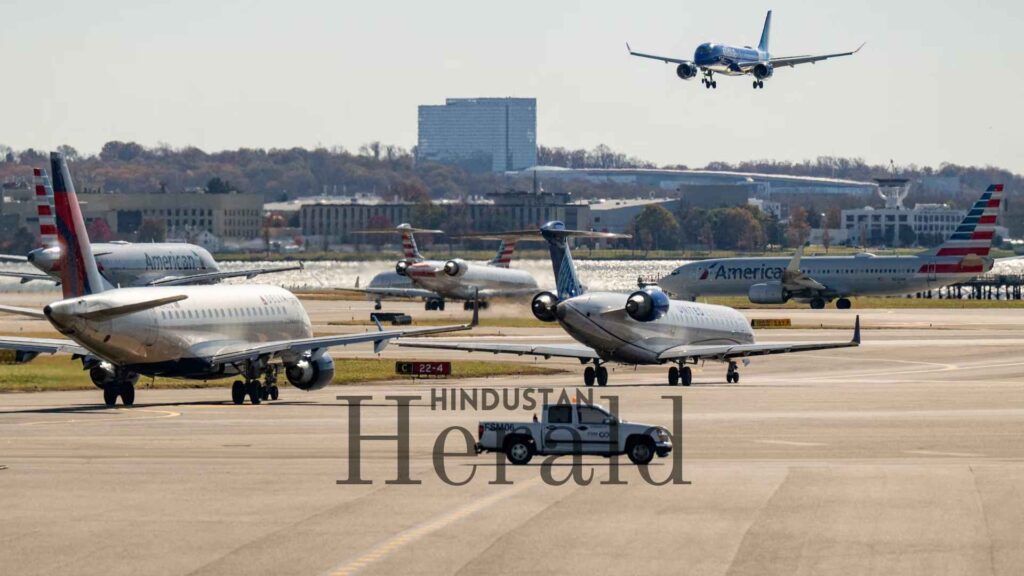
Smaller airlines don’t have the fleet to step in at this scale. They filled a few gaps, but the capacity crunch was simply too large.
People inside the industry have been warning about this imbalance for years. The events of the weekend will likely revive those debates.
What Comes Next
IndiGo has apologised publicly and says it is working to restore normal operations. Insiders quoted by Mint estimate it may take two to three days before schedules stop wobbling. That assumes the roster adjustments hold and no new shortages pop up.
If you’re travelling soon, the advice is simple: build buffer time into any plans. Keep checking your flight status. And if your journey isn’t essential, postponing it might save you a great deal of stress.
By Saturday evening, a few flights had taken off without incident, but those small signs of normalcy didn’t outweigh the long lines still forming at check-in counters. The disruption hasn’t fully peaked or fully settled. It’s somewhere in between, and thousands of travellers are stuck there with it.
Stay ahead with Hindustan Herald — bringing you trusted news, sharp analysis, and stories that matter across Politics, Business, Technology, Sports, Entertainment, Lifestyle, and more.
Connect with us on Facebook, Instagram, X (Twitter), LinkedIn, YouTube, and join our Telegram community @hindustanherald for real-time updates.

Covers Indian politics, governance, and policy developments with over a decade of experience in political reporting.
- Ananya Sharma

- Ananya Sharma
- Ananya Sharma
- Ananya Sharma




 Rajiv Menon and Ananya Sharma