
 By Kavita Iyer and Ananya Sharma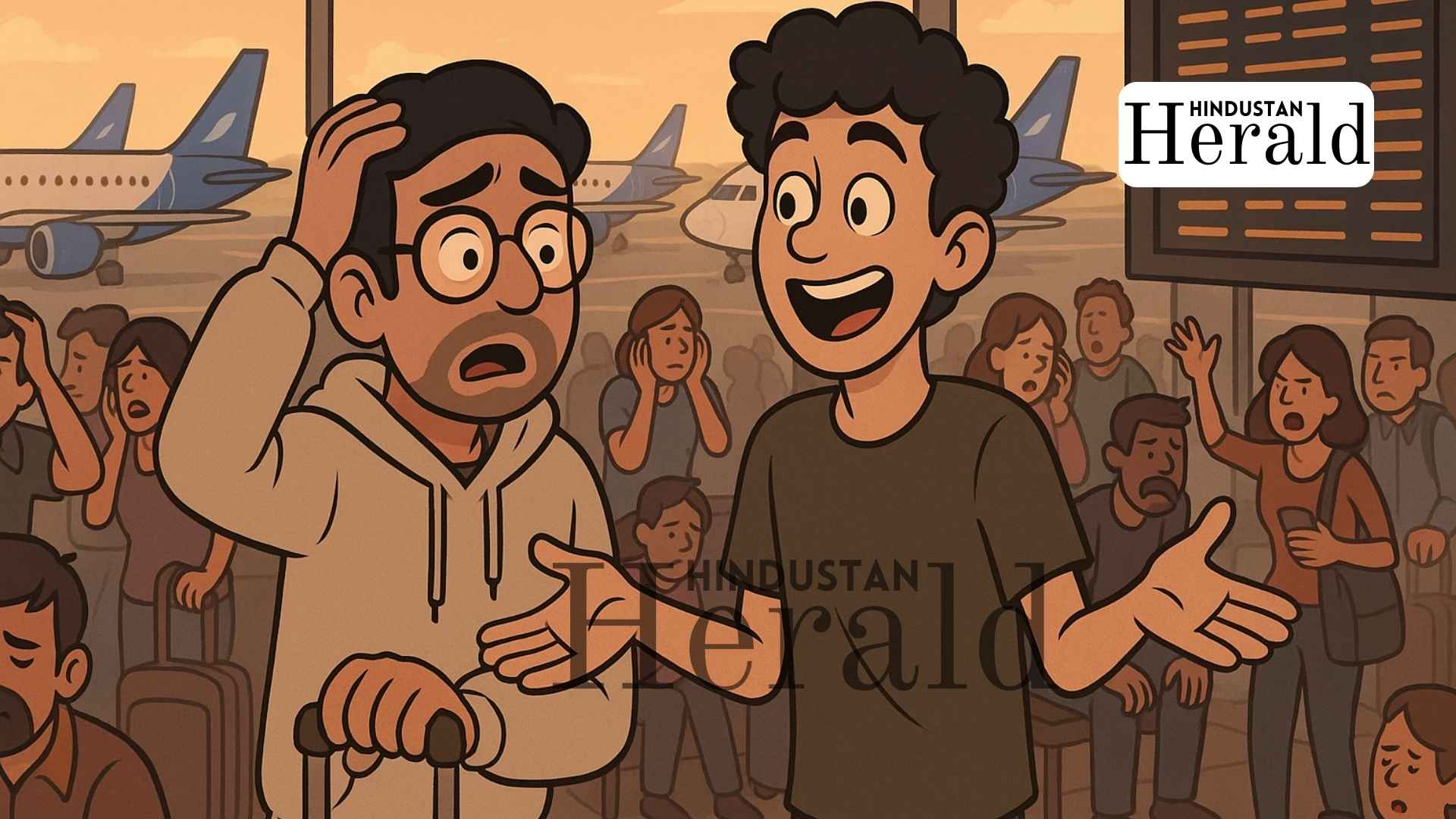
New Delhi, December 8: India’s aviation sector has seen bad weeks before, but what unfolded with IndiGo over the past several days felt different. It was messy, abrupt and oddly revealing of how fragile the country’s air network has become. And in the middle of thousands of cancellations and exhausted travellers sleeping across terminal floors, the internet somehow found space to turn Samay Raina and Monal Kohli into unexpected symbols of public frustration.
Strain That Spilt Into The Open
Early December is usually a comfortable period for airlines. Planes run full, yes, but schedules are predictable. This time, according to The Times of India, IndiGo scrapped more than a thousand flights in a single day on 5 December. That number set off alarms. Passengers who expected a routine winter trip instead found themselves rerouted, delayed or completely grounded without clarity.
Most disruptions have a trigger, and this one can be traced to the new pilot flight duty and rest rules that kicked in. As Reuters reported, these norms had been on the horizon for nearly two years. Airlines knew stricter night operations and longer mandatory rest hours were coming. The rules were written to prevent fatigue, an issue pilots have spoken about for years. But IndiGo walked straight into the deadline without the staffing buffer it needed.
Once those rules took effect, the airline simply did not have enough rested pilots to operate its usual schedule. The cancellations started piling up, and before long, they overwhelmed the national network. Airports from Delhi to Bengaluru to Mumbai felt the aftershocks.
Government Scrambles To Contain The Spread
By the time complaints began to flood social media and helplines, the Centre had little room to wait and watch. With fares jumping sharply due to shrinking capacity, the government brought back airfare caps. That move, mentioned in multiple Reuters reports, had not been used since the pandemic. It was an extraordinary tool for an extraordinary week.
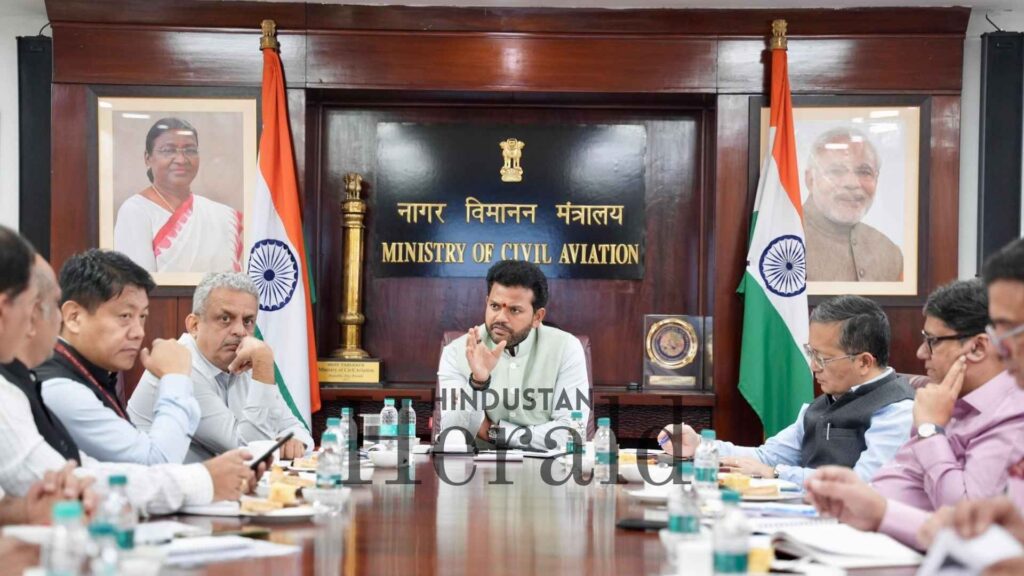
Officials then issued a show-cause notice to IndiGo’s leadership, asking why the airline had failed to prepare when the entire sector had the same warning period. Behind the scenes, the ministry monitored the recovery curve closely. IndiGo has said it expects operations to settle between 10 and 15 December, though people watching the situation know such timelines often shift.
Safety Rules Under Debate Again
The most frustrating part for many aviation observers is that the new rest norms were created for safety, not inconvenience. The exemptions briefly allowed during the crisis did not sit well with some pilot representatives. They argued, as reported by Reuters, that rolling back fatigue protections even temporarily sends the wrong signal.
Public figures chimed in, too. Actor and aviator Gul Panag, reacting online in comments later carried by Hindustan Times, said the conversation had oddly drifted away from safety even though that was the whole point of the new rules. Her concern echoed something many in aviation have long felt. India wants fast growth, quick turnarounds and maximum passenger loads, but the human limits in the cockpit remain what they are.
Samay Raina, Monal Kohli And A Moment Of Comic Relief
Crises often produce unexpected cultural detours, and this one arrived through humour. Comedian Samay Raina joked online that the chaos should be blamed on a panoti figure. Mint picked up the thread, naming content creator Monal Kohli in a playful, exaggerated way. He was described as the jinxed man, a running gag rather than a claim.
It struck a chord because when thousands are stranded with little clarity, people reach for humour to release the frustration. Kohli had nothing to do with IndiGo’s operational collapse, of course. But memes have their own logic. This one briefly gave anxious flyers something to laugh about.
A Bigger Problem Than One Bad Week
Underneath all of this sits the uncomfortable reality that India relies too heavily on a single airline. Reuters pointed out that IndiGo holds roughly 65 percent of the domestic market. That dominance has been convenient for travellers who appreciate consistent fares and reliable schedules. But when the same airline stumbles, the entire nation feels it instantly.
Rival carriers do not have the fleet size or route network to take in tens of thousands of displaced passengers at short notice. So when IndiGo started cancelling at scale, the system had nowhere to absorb the excess. The delays cascaded. Airport staff struggled. Passengers watched flights vanish from screens one after another.

Parliament took note. According to The Economic Times, opposition MPs raised the alarm about IndiGo’s market power in the Rajya Sabha, pointing out that a private carrier had become so essential that a single scheduling failure warped the national grid.
How Passengers Experienced The Breakdown
For travellers, this was not an industry debate. It was a week of anxiety. People slept in chairs, queued for hours at helpdesks and scrambled to find alternative routes as prices spiked. Some were lucky to find last-minute seats. Many were not. When the government reinstated fare caps, the intention was to calm the market, but real relief was limited because the available seat pool had already shrunk.
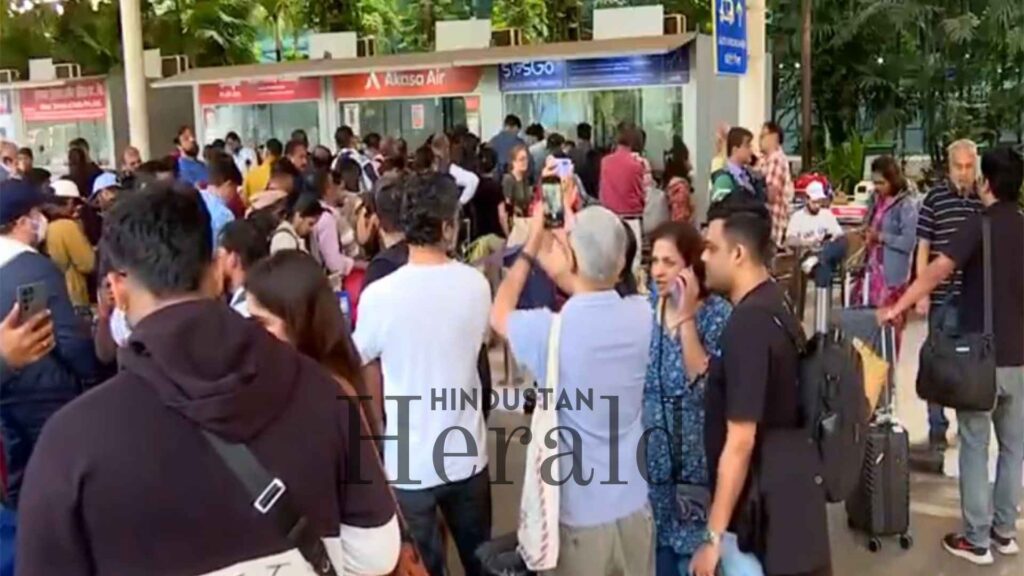
Stories coming out of airports were laced with exhaustion. Parents are trying to reach weddings. Students are heading home for semester breaks. Workers returning after field assignments. Everyone had plans that suddenly collided with an airline’s internal miscalculation.
What IndiGo Must Confront
For years, IndiGo built a reputation on reliability. It became the airline business travellers trusted because it rarely surprised them. This episode ruptures that image. A company that grew rapidly now finds itself wrestling with the consequences of operating as a quasi public utility without the flexibility such a role demands.
Executives will eventually offer explanations, but the core issue remains simple. The airline misjudged how hard the transition to new rest rules would be. It stretched its pilots thin and had too little margin when the rules arrived. That tightrope finally snapped.
Looking Ahead
By mid-December, normalcy may return. Flights will run, schedules will stabilise, and passengers will move again. But the industry will remember this week for what it exposed. India cannot afford a domestic network so concentrated that one airline’s roster miscalculation can grind the country’s mobility to a halt.
The coming months may determine whether this becomes a turning point. More oversight. Stronger competition. A rebalanced market. Or perhaps the crisis will fade until the next shock reminds everyone of the structural risk.
For now, travellers continue waiting in long lines, hoping their flights take off as promised. And the country watches an airline that grew faster than its systems finally confront the weight of its own size.
Stay ahead with Hindustan Herald — bringing you trusted news, sharp analysis, and stories that matter across Politics, Business, Technology, Sports, Entertainment, Lifestyle, and more.
Connect with us on Facebook, Instagram, X (Twitter), LinkedIn, YouTube, and join our Telegram community @hindustanherald for real-time updates.

Former financial consultant turned journalist, reporting on markets, industry trends, and economic policy.
- Kavita Iyer

- Kavita Iyer
- Kavita Iyer
- Kavita Iyer





Covers Indian politics, governance, and policy developments with over a decade of experience in political reporting.
- Ananya Sharma
- Ananya Sharma
- Ananya Sharma
- Ananya Sharma




 Ananya Sharma
  Arun Upadhayay and Ananya Sharma
  Neeraj Kapoor and Ananya Sharma