
 By Ananya Sharma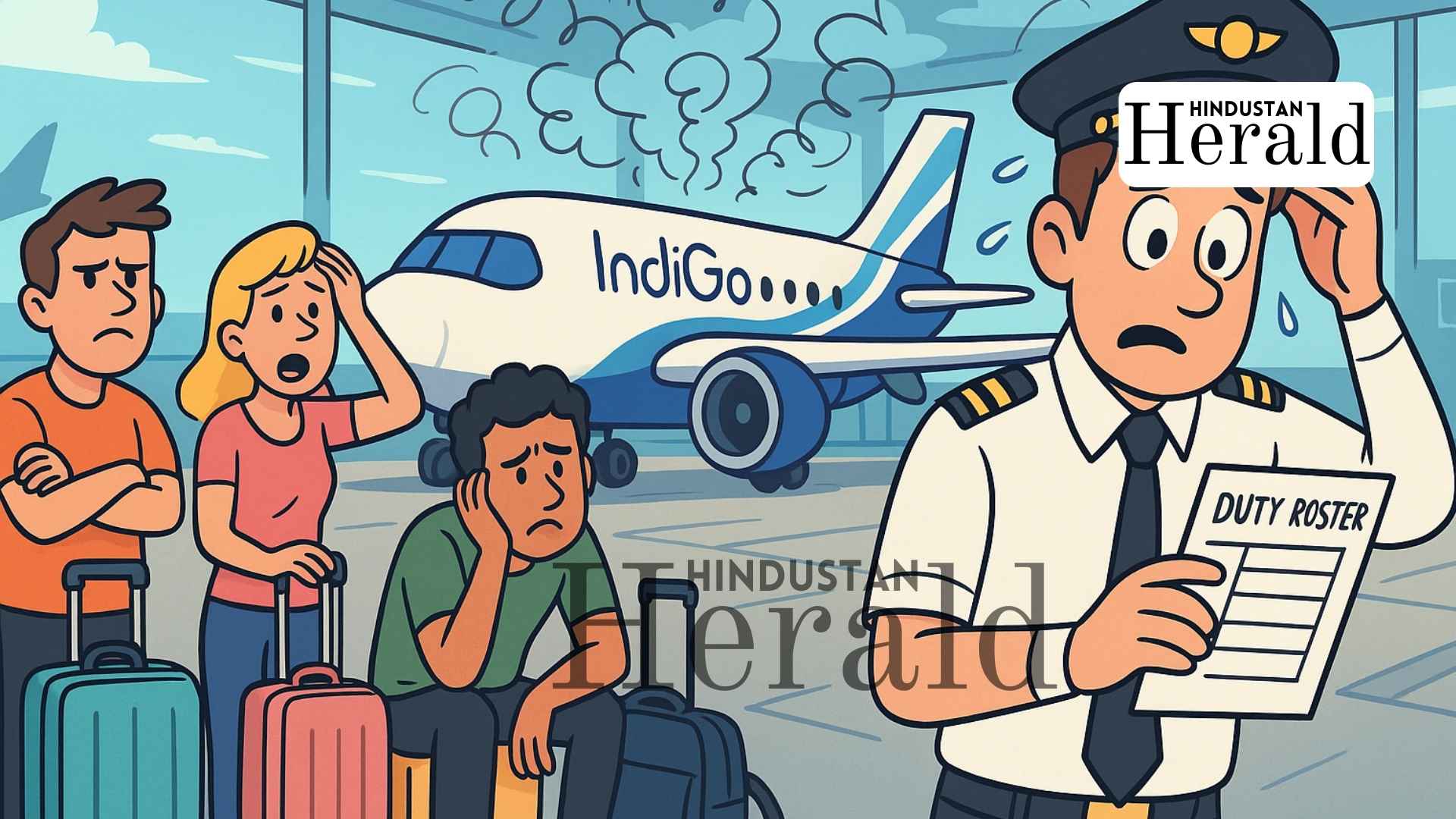
New Delhi, December 9: The country woke up again today to long queues, cancelled flights, and a sense that something has gone fundamentally wrong at IndiGo, the airline that usually keeps India’s aviation grid stitched together. What began as a slow-moving disruption last week has now forced the DGCA to step in, trim IndiGo’s schedule by 5 percent, and demand a complete overhaul of its flight plan by tomorrow. Officials told Moneycontrol and Amar Ujala that this cut means roughly 110 to 115 flights are wiped off the board every single day, a staggering number for a carrier that often runs more than 1,500 departures.
If the regulator’s intervention felt heavy-handed, the chaos on the ground more than justified it. By midmorning, Delhi airport had logged 152 cancellations, Bengaluru another 121, followed by 58 in Hyderabad and 41 in Chennai, according to figures reported by Hindustan Times. Airports already stretched by winter traffic suddenly began to resemble bottlenecks, with passengers stranded for hours and staff pleading for patience.
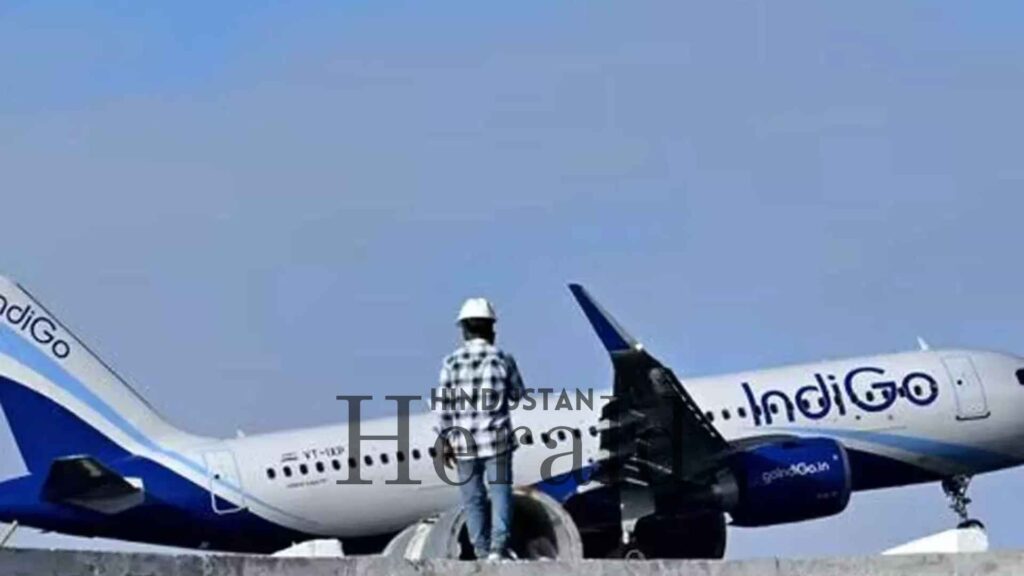
And this is just one day. Navbharat Times reported that since 2 December, more than 4,500 flights have been cancelled. IndiGo says it has managed to restore a chunk of its network, but LiveMint noted that even after getting over 1,800 operations back up, the cancellations continue to roll in.
Refunds, too, are piling up. Times of India put the number at Rs 827 crore, a figure so large it almost feels theoretical until you imagine the sheer number of people lining up at counters asking for their money back. There have also been persistent baggage delays, adding insult to injury.
Government Opens The Door For Rival Airlines To Step Into IndiGo’s Space
The most dramatic shift may not be the cancellations themselves but what they have triggered. The government is now openly preparing to redistribute IndiGo’s valuable airport slots to any airline capable of running them reliably. The Economic Times reported that this option is very much on the table and could be executed quickly.
This is no small matter. At airports like Delhi and Mumbai, a take-off slot can be as precious as real estate in the city’s most elite neighbourhoods. Losing even a sliver of them dents an airline’s long-term dominance. Gaining them can rewrite a competitor’s fortunes. ET also noted that SpiceJet, sensing an opportunity, has already brought in two additional Boeing 737s to fill some of the demand gap.
Something that usually sits buried in regulatory files is suddenly shaping the market in real time.
Pilots’ Body Hits Out, Saying The Crisis Was “Pre-Planned”
If IndiGo hoped the turbulence would be interpreted as an unavoidable stumble, those hopes were dashed by the unusually sharp tone of the Federation of Indian Pilots. In comments carried by Financial Express, FIP chief Captain CS Randhawa claimed the crisis was “pre-planned” and had nothing to do with the usual villains such as weather, crew shortages, or ATC congestion. He went as far as to say the airline’s leadership should face criminal prosecution.
Typically, such internal disputes stay within union letters or closed-door negotiations, so this very public indictment has rattled the aviation ecosystem. Pilots have long warned that IndiGo runs an extremely lean operation. They argue that once the new Flight Duty Time Limitation rules kicked in, the airline no longer had enough buffer crew to cope.
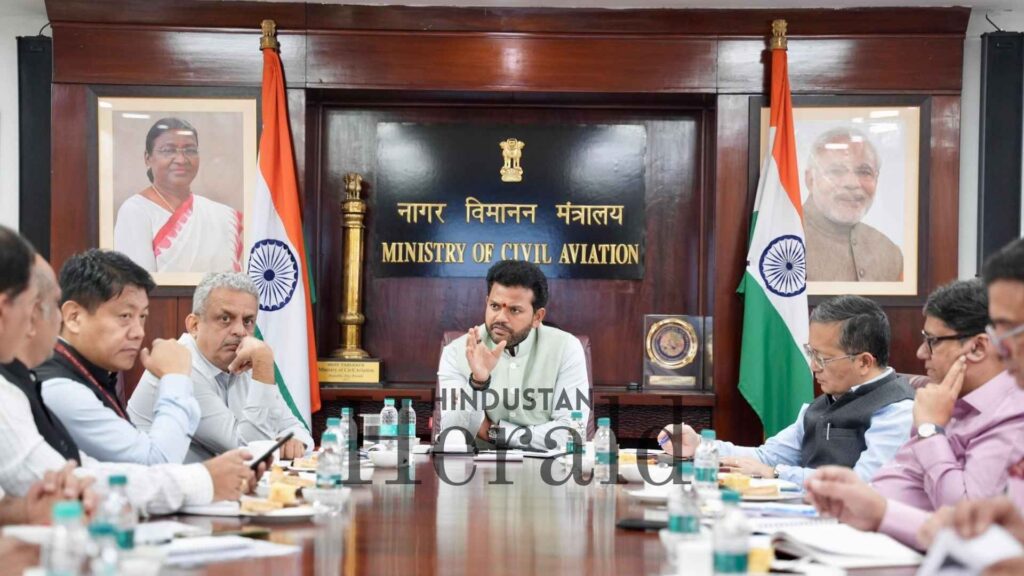
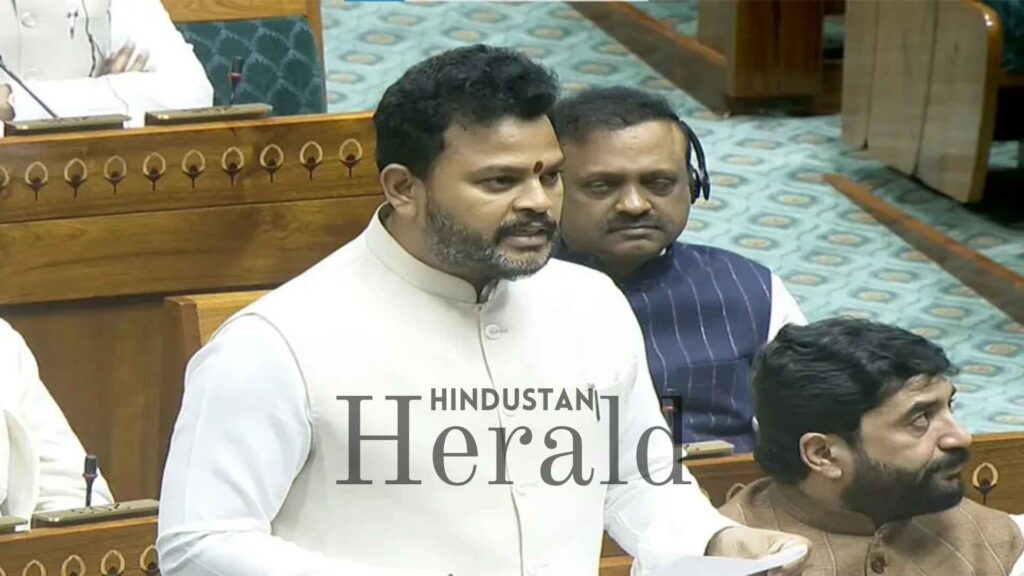
The government didn’t dismiss these concerns. Times of India reported that Civil Aviation Minister K Ram Mohan Naidu told Parliament the disruptions arose from an “internal crisis” tied to the rollout of the new duty-time norms. Regulators have already issued show-cause notices to senior IndiGo managers and launched a formal enforcement inquiry.
What Really Triggered The Meltdown
The underlying cause is reasonably clear now. The revised FDTL rules require longer rest hours for pilots, stricter night-flying limits, and safer roster planning. These changes didn’t come out of nowhere; airlines have known for months that they were coming. But according to summaries in the Wikipedia coverage of the 2025 IndiGo disruption, IndiGo wasn’t staffed in a way that allowed it to absorb the changes smoothly.
Many pilots have been blunt for years about what they describe as “lean manpower planning”. The airline has historically kept a tight rotation model that relies on precise timing and constant aircraft movement. It works when everything clicks. It collapses when even one element of the system is stretched.
This time, it was the fatigue rules that stretched it, and the entire network felt the break.
Passengers Are Frustrated, And The Airline Is Paying The Price
If there is a human face to the crisis, it is the thousands of passengers sleeping on airport benches or arguing with staff who have no answers left to give. Social media has been flooded with videos of crowds at check-in counters. Some people reported missing weddings, job interviews, visas, and even funerals. The anger isn’t abstract; it’s personal.
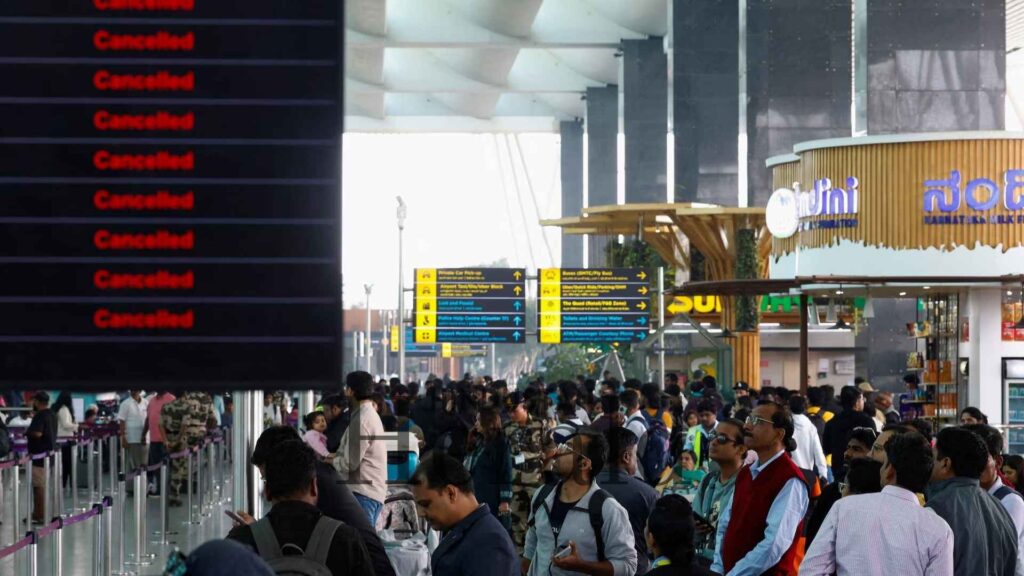
IndiGo has tried to make amends financially. But refunding Rs 827 crore, as reported by TOI, signals the kind of operational collapse that takes months, not days, to recover from. Restoring trust could take even longer.
Investors React As IndiGo’s Parent Company Slides
The turbulence has spilled into the markets. Reuters reported that InterGlobe Aviation’s shares fell as investors digested the regulator’s rare intervention and the uncertainty surrounding IndiGo’s operational health. For a company long seen as the aviation sector’s safest bet, the past week has punctured that reputation sharply.
Analysts quoted by Reuters suggested that a forced capacity cut hurts IndiGo twice. It slices off revenue today and risks eroding its market share tomorrow. If rival airlines succeed in holding onto any redistributed slots, IndiGo’s long-term dominance could wobble more than the company is willing to admit publicly.
Government Signals This Isn’t Over
The Union government’s posture has been unusually firm. According to The Economic Times, Minister Naidu has warned that the Centre will not allow any airline to compromise passenger welfare. The DGCA’s show-cause notices, coupled with talk of deeper penalties, show that authorities are viewing this as more than a routine operational blip.
Behind the scenes, there is apprehension. IndiGo carries well over half of India’s domestic passengers. Any prolonged instability touches everything from tourism to business travel to freight. Officials know this. And yet, they appear committed to enforcing compliance, even if it means reshaping the aviation map for a while.
Where Things Stand Tonight
Eight days in, the crisis is still unfolding. LiveMint reported that despite IndiGo’s claims of partial recovery, cancellations continue across major airports. Regulators are vetting the airline’s revised schedule and monitoring its crew availability hour by hour. Slot redistribution conversations have moved from hypothetical to active consideration.
The mood in the aviation fraternity is anxious. People who have worked in the industry for decades say they have rarely seen a domestic carrier of this scale falter so visibly, all at once. Whether IndiGo can pull off a meaningful recovery over the next week will depend on whether it can muster more crew, redraw its schedule with precision, and satisfy a regulator that is in no mood for leniency.
For now, the country’s most dependable airline is fighting to regain its balance. And millions of passengers are hoping it finds it soon.
Stay ahead with Hindustan Herald — bringing you trusted news, sharp analysis, and stories that matter across Politics, Business, Technology, Sports, Entertainment, Lifestyle, and more.
Connect with us on Facebook, Instagram, X (Twitter), LinkedIn, YouTube, and join our Telegram community @hindustanherald for real-time updates.

Covers Indian politics, governance, and policy developments with over a decade of experience in political reporting.
- Ananya Sharma

- Ananya Sharma
- Ananya Sharma
- Ananya Sharma




 Rajiv Menon and Ananya Sharma