
 By Rajiv Menon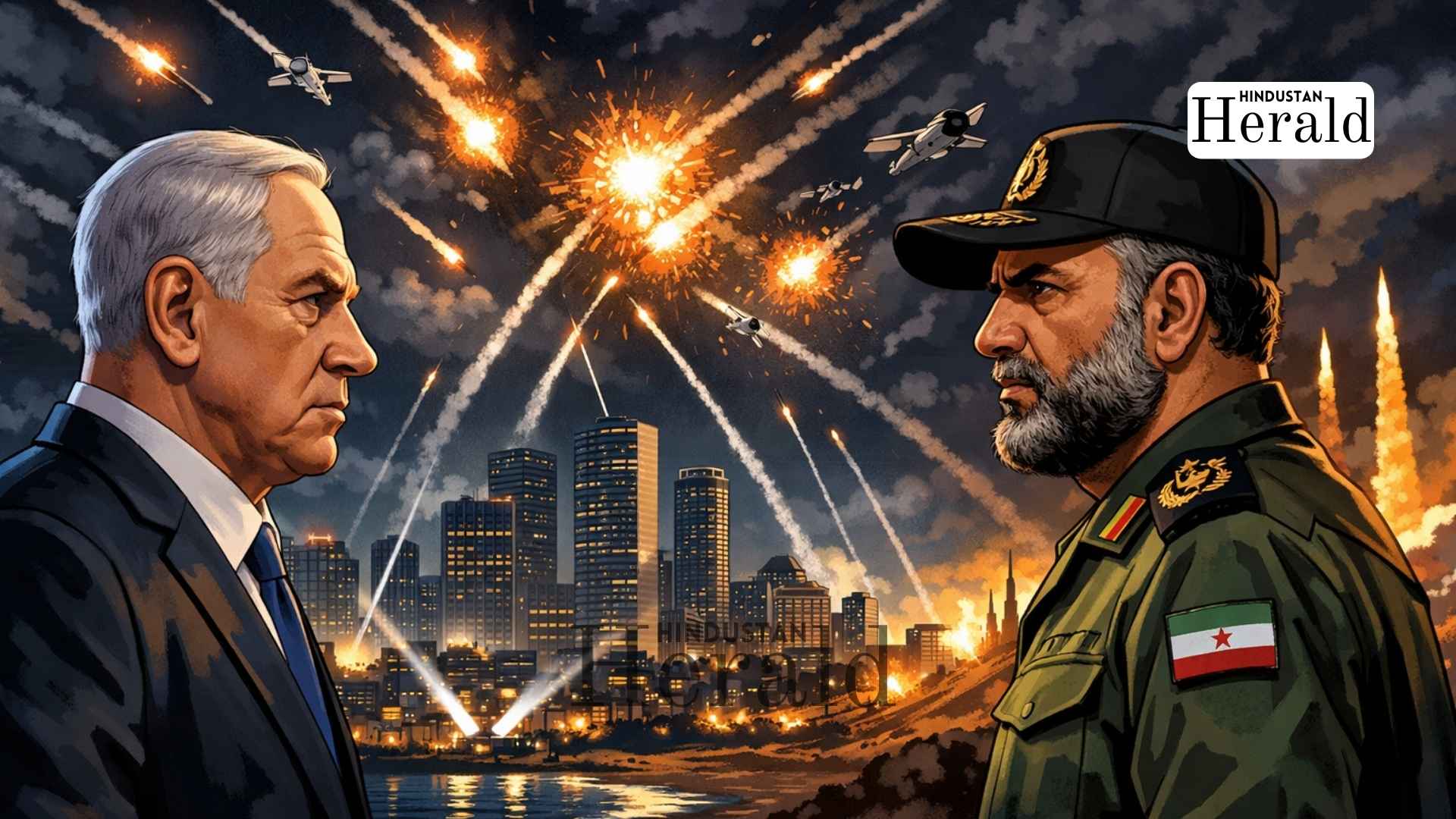
New Delhi, March 6: Seven days. Just seven days. And the Middle East looks nothing like it did a week ago. Ask anyone who has been following the news since February 28, and they will tell you the same thing. This does not feel like another flare-up. It does not feel like the kind of tension that blows over in a week and gets replaced by the next news cycle. Something has shifted. The rules that quietly governed this part of the world for decades, the unspoken lines nobody crossed, the calculations that kept full-scale war just barely off the table, those rules are gone now.
And India, whether it likes it or not, is caught right in the middle of it.
The Morning Everything Changed
February 28 started like any other Saturday for most people. By the time they checked their phones, the news was already everywhere.
The United States and Israel had launched a massive, coordinated strike on Iran overnight. Not a targeted assassination. Not a warning shot. A full assault on Iranian military infrastructure, command centers, and leadership. The BBC reported that the office of Supreme Leader Ali Khamenei had been directly hit. So had the office of President Masoud Pezeshkian in Tehran. Reuters, citing an Israeli official, reported that Khamenei’s body had been found. The man who had run the Islamic Republic for over thirty years was dead.
Within hours, reports came in from Iran International that thousands of IRGC soldiers had been killed or wounded across multiple military bases. Senior commanders were gone. The army chief of staff was dead. The defense minister was dead. Port cities were struck. Missile sites were hit. The scale of it was unlike anything seen in years.
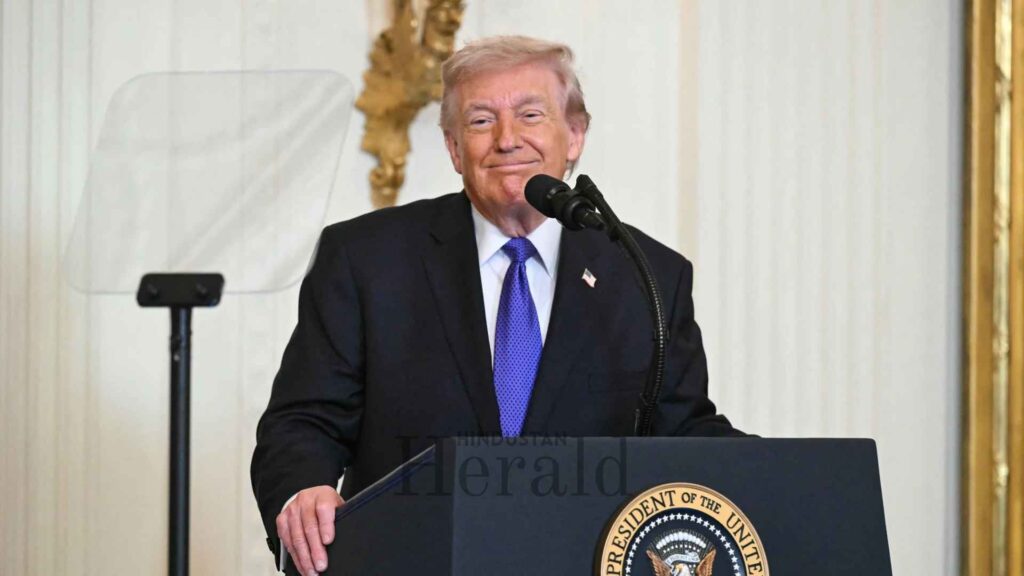
President Donald Trump put out an eight minute video on Truth Social at half past two in the morning Washington time. He said the point of all this was regime change. He told IRGC soldiers to put down their weapons or face, in his words, certain death.
Iran had a different response in mind.
One Wave, Then Another, Then Another
What Iran launched in reply has its own name now. Operation True Promise 4. And it is not one strike or two. It is a campaign built on repetition and exhaustion, hitting the same enemies again and again from different angles, with different weapons, at different hours, until the other side runs out of interceptors or patience or both.
By Thursday morning, March 6, that campaign had reached its 21st wave.
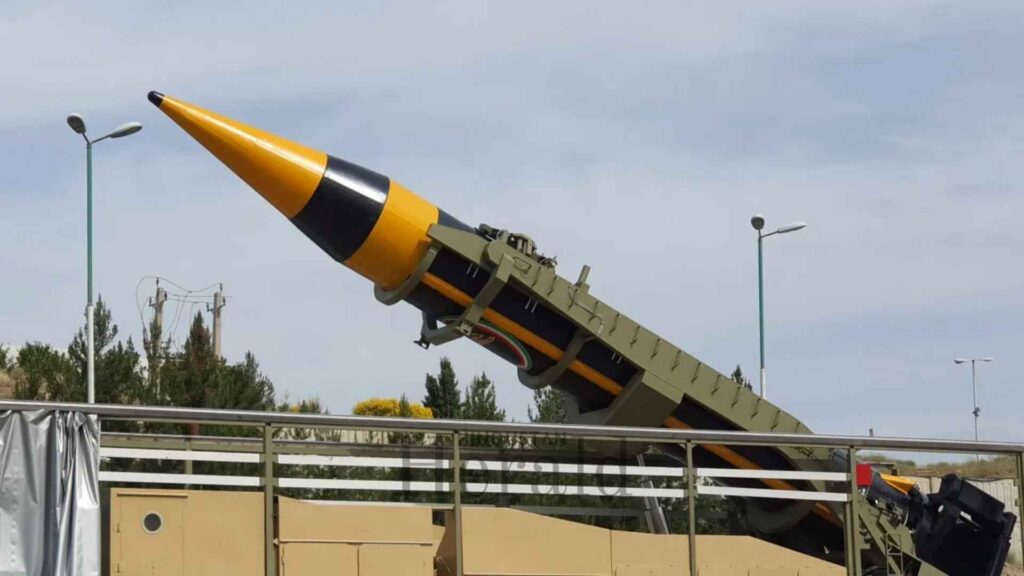
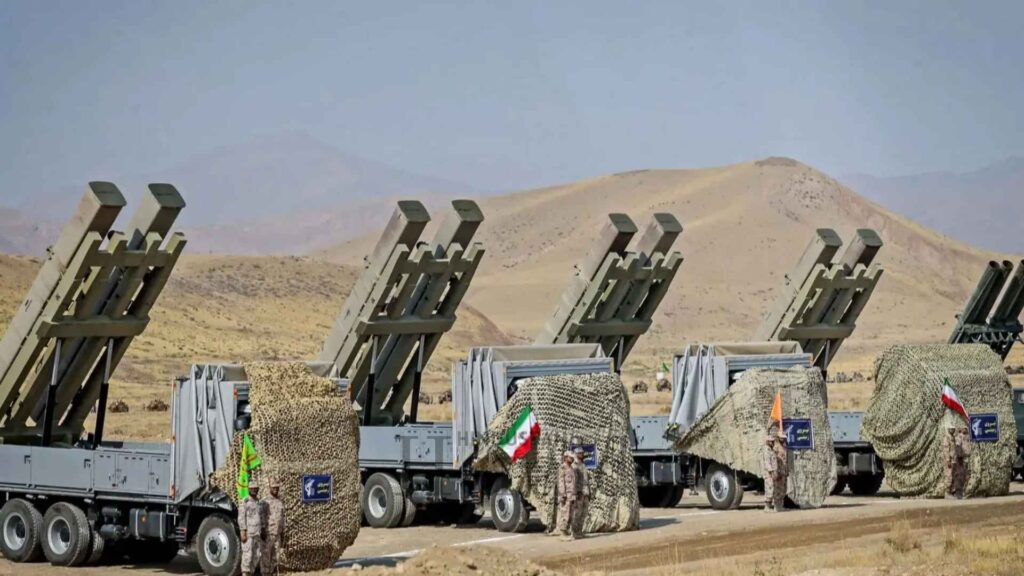
The latest, codenamed “Ya Mu’izz al-Mu’minin,” sent swarms of suicide drones and Khayber missiles with cluster warheads toward the heart of Tel Aviv. Iranian drones also went after Al Udeid Air Base in Qatar, the biggest American military facility in the entire region. Qatar confirmed the strikes were intercepted and said there were no casualties from that attack.
Think about that for a second. Iran is hitting American bases in Qatar. Not in Iraq, not on its own doorstep. In Qatar, home to the most important U.S. military base in the Middle East. The war has moved well beyond where it started.
Going back through the previous waves gives a picture of how relentless this has been. Wave 17 alone saw more than 40 missiles fired at American and Israeli targets in a single go. Wave 19 involved claims of destroying seven advanced radar systems, strikes that the IRGC said effectively blinded American and Israeli surveillance across the region. The same wave reportedly involved missiles that got past the THAAD defense system and hit the Israeli defense ministry complex in Tel Aviv and Ben Gurion Airport.
Wave 9 produced perhaps the most dramatic claim of all: that Iran struck the USS Abraham Lincoln, a nuclear-powered aircraft carrier, with four cruise missiles. American officials did not confirm it. But the carrier moved out of the region shortly afterward. Make of that what you will.
The logic behind all of this, the reason Iran keeps sending wave after wave instead of throwing everything at once, is not hard to understand. Israel’s Iron Dome and David’s Sling are sophisticated systems. But every interception costs money. Every interceptor fired has to be replaced. Iran is betting that if it keeps this up long enough, the defense will crack somewhere. So far, it has not. But the pressure is relentless and it is not letting up.
The People Still Running the War
Washington and Tel Aviv clearly hoped that by killing Khamenei and the top IRGC leadership, they would sow confusion and possibly collapse Iran’s military machine. It has not worked out that way.
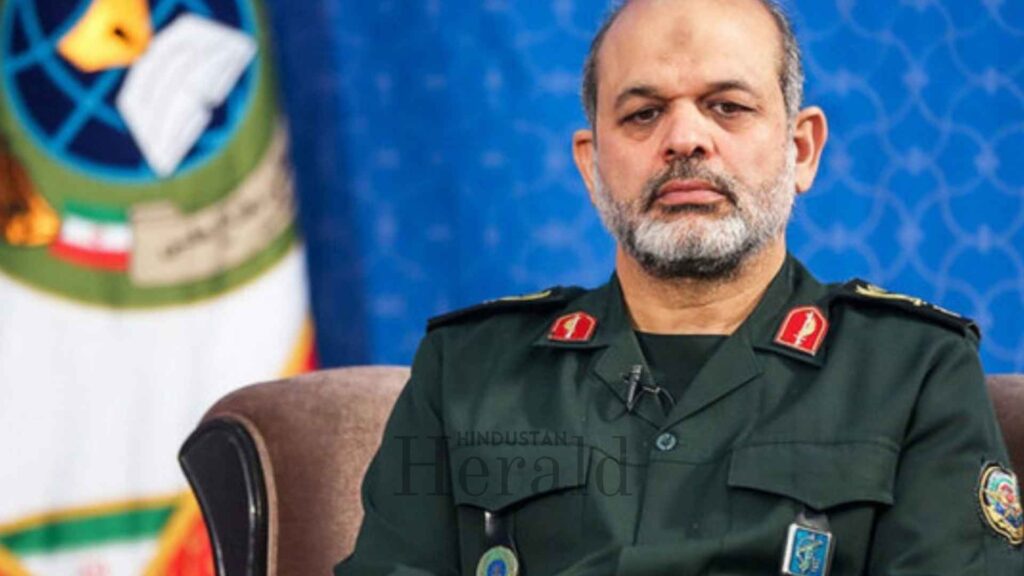
Ahmad Vahidi stepped into command of the IRGC after the initial strikes killed or wounded much of the senior leadership. The wave-based structure of Operation True Promise 4, the fact that it keeps going without any sign of coordination breaking down, suggests this was always the backup plan. The IRGC was built to keep functioning even when the top gets cut off.
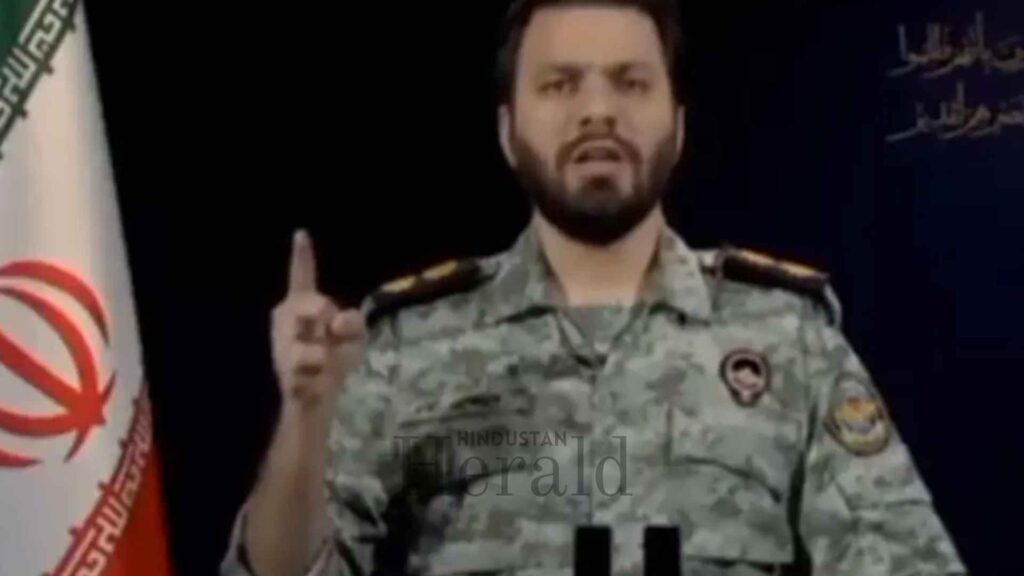
Lieutenant Colonel Ibrahim Zolfaghari, now one of the main public voices for Iran’s military, said this week that what has happened so far is the mild version. He warned that operations will get more intense and more widespread as Iranian forces keep hunting what they call Israeli military assets hidden inside civilian areas.

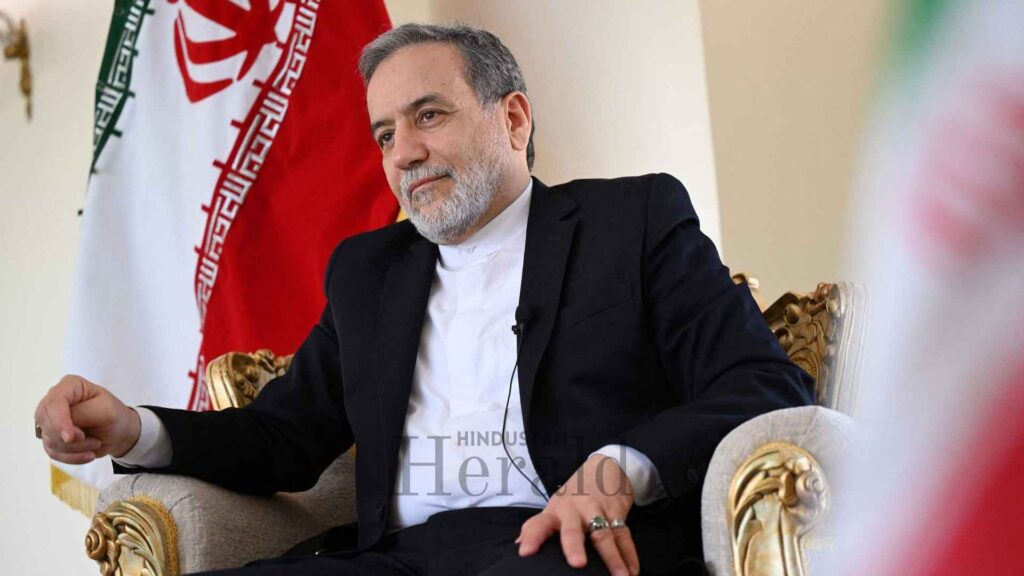
Iran’s Deputy Foreign Minister Saeed Khatibzadeh chose New Delhi, of all places, to deliver his country’s message to the world. He was here for the Raisina Dialogue, the big annual foreign policy gathering India hosts. Standing in the Indian capital, he called this conflict a “heroic nationalist defense” and said Iran is in a state of total war. He vowed his country would fight to the last soldier.
That is not the language of a government looking for a way out.
The Gulf Has Become a War Zone
If you look at a map of the Middle East right now and mark every location that has been struck or threatened in the past seven days, you end up covering most of it.
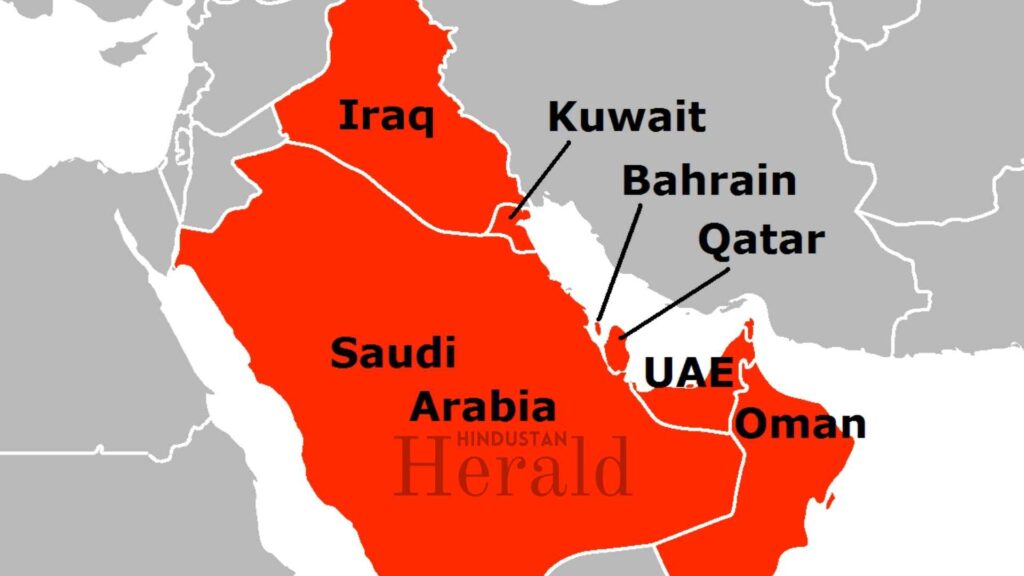
Iran officially shut the Strait of Hormuz days ago. That single waterway carries roughly a fifth of the world’s daily oil supply. It is now closed. Oil prices have gone up around 14 percent in less than a week.
Bahrain reported Iranian missiles and drones hitting residential buildings and hotels in its capital, Manama. The UAE said it intercepted over a hundred drones and multiple ballistic missiles aimed at its territory. The American embassy in Kuwait was struck and shut down. In Dubai, Abu Dhabi, and Doha, there were explosions on March 2.
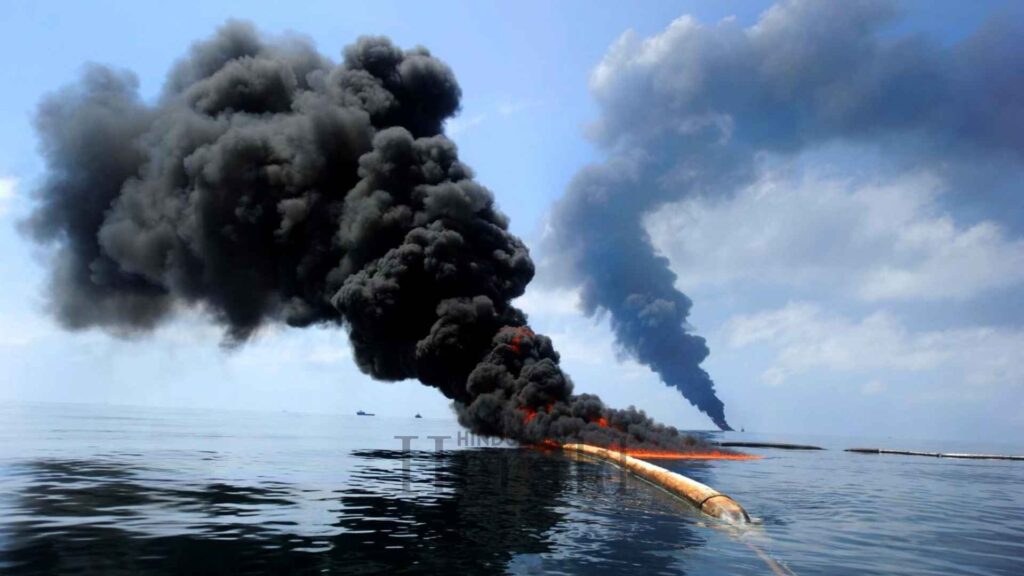
Two oil tankers were hit at sea, one flying an American flag and another from Honduras. An IRGC commander put it simply in public remarks: no ship goes through the Strait of Hormuz, and no oil leaves the area.
Hezbollah in Lebanon jumped back in, launching its own missiles and drones at Israeli military bases and calling it a response to the continued Israeli presence in Lebanese territory. Militia groups in Iraq claimed explosions in Erbil. A British Royal Air Force base on the island of Cyprus was hit by a drone strike. Greece responded by saying it would send warships and fighter jets to protect Cyprus.
Israel says it has already taken out more than 60 percent of Iran’s ballistic missile launch capability and achieved near-complete air superiority over the battlefield. Those numbers may be accurate. The missiles still keep coming, though.
The Part of This Story That Hits Closest to Home
International news coverage has mostly focused on Tehran, Tel Aviv, and Washington. Understandably, since that is where the bombs are falling. But for India, the real story is happening in airport lounges in Dubai, on cargo vessels sitting motionless in the Persian Gulf, and at kitchen tables in Kerala, where a family is waiting for their son to call.
Start with the most basic fact. India brings in roughly 90 percent of its oil from outside. About half of that comes from the Gulf. The Strait of Hormuz is now shut. That is a problem that no amount of diplomatic language can soften. The government has confirmed it holds around eight weeks of strategic crude reserves. Eight weeks sounds like a lot until you realize nobody knows when this ends.
The more pressing worry for ordinary households is cooking gas. India buys more LPG than almost any other country in the world, and over 90 percent of it comes from the Middle East. Government officials have said the country’s LPG stocks will last about 30 days. Four weeks. That is not a comfortable margin when the supply chain feeding those stocks is at war.
The rupee fell to a record low after the conflict began. The Reserve Bank of India stepped in to stop the slide. Economists have said that every 10 percent rise in crude prices pushes inflation up and shaves growth. Both are happening right now at the same time.
New Delhi set up a dedicated panel to watch the situation and keep trade moving. State oil companies were told to look for crude suppliers outside the Gulf. The most obvious alternative, Russian oil, is suddenly very attractive again, even though India had been pulling back on those purchases under pressure from Washington.
Thousands of Indians Are Stranded Right Now
The economic numbers matter. But the human stories matter more.
As of March 3, airspace closures over Qatar, the UAE, and Saudi Arabia had left roughly 8,000 passengers stranded in Qatar alone, with tens of thousands more stuck at hotels and terminals across the region. Indian embassies across the Gulf switched to emergency mode, activating round-the-clock helplines and stopping regular visa and consular work to focus entirely on getting citizens home safely.
Among those stuck: 84 students and four professors from a business school in Pune, who had gone to Dubai for an international academic trip and ended up listening to missile sirens from their hotel rooms instead. A sitting Member of Parliament from Jalna, Maharashtra, was stranded in Dubai. Four young students from a small village in Amethi, Uttar Pradesh, reportedly could not leave Iran at all.
A father in Amethi said he had one brief phone call with his son on March 1 and nothing since.

State governments scrambled to respond. Karnataka’s Chief Minister wrote to the Prime Minister asking for faster action and a dedicated inter-ministerial team to handle the crisis. Punjab’s Chief Minister set up a helpline specifically for Punjabis stranded abroad. Uttar Pradesh police confirmed the Amethi students were safe but unable to travel.
The airlines did what they could. IndiGo sent 10 special relief flights to Jeddah on March 3 to bring back Umrah pilgrims and workers who had spent nights sleeping on terminal floors. SpiceJet avoided the chaos at Dubai International and shifted operations to Fujairah, running special services to Delhi, Mumbai, and Kochi. By March 4, the civil aviation ministry said Indian carriers were running 58 flights that day, with IndiGo handling 30 of them and Air India and Air India Express handling another 23.
On Thursday, March 6, IndiGo confirmed it was operating 17 departures to eight destinations in the Middle East and urged passengers not to go to airports without hearing directly from the airline first. Air India resumed flights to Jeddah and Muscat on routes cleared as safe. SpiceJet announced 14 special flights to the UAE for Thursday.
At sea, it is a different kind of stuck. At least 37 Indian-flagged ships carrying more than 1,000 Indian crew members are sitting motionless in the Persian Gulf and Gulf of Oman. Some of them are carrying crude oil and cooking gas meant for Indian ports. The government has set up an emergency team under the Directorate General of Shipping to keep in contact with those crews and arrange evacuation if things get worse.
And then there is the money question that most coverage skips over entirely. India receives more remittances from workers abroad than any other country on earth. In the year ending March 2025, that came to roughly 135 billion dollars, sent home from Gulf countries, the UK, the US, and elsewhere. A huge portion of that comes from the Gulf. If this war drags on for months and workers cannot return to their jobs, that flow slows to a trickle. For families in Kerala, Telangana, and Rajasthan who depend on those transfers to pay school fees, medical bills, and home loans, the impact will be felt long before any policy response arrives.
Nobody Knows How This Ends
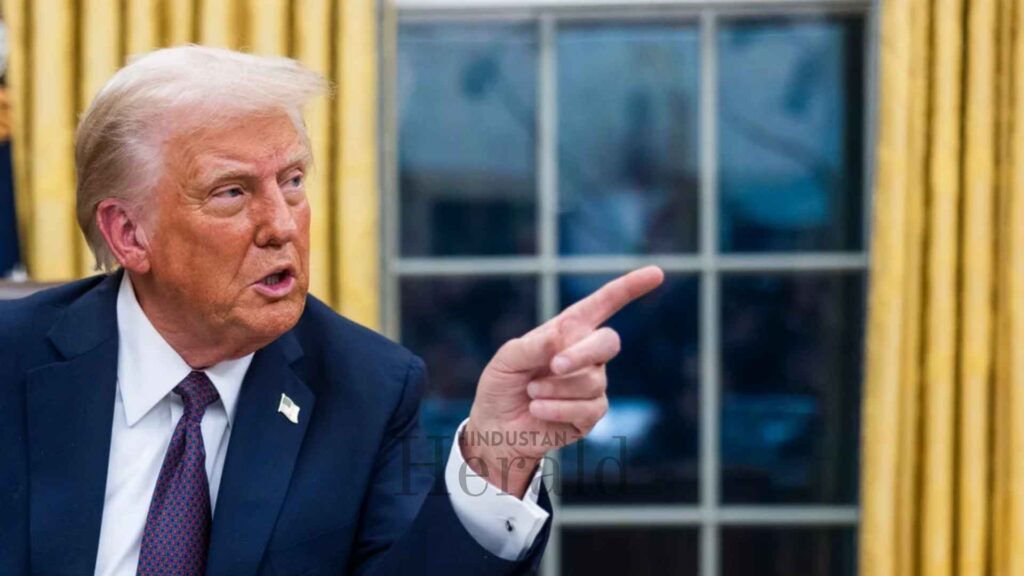
Trump has said he wants Iran to be rebuilt and free. He has also said negotiations are possible. His Secretary of State said the strikes will intensify. These are not consistent messages and nobody in the region is quite sure which one to believe.
Iran’s leadership, whatever is left of it, has made its position clear. Total war. Last soldier. No negotiations while the bombs fall.
The United Nations called an emergency Security Council meeting on February 28 and achieved nothing. The Secretary General condemned everyone. No resolution was passed. No vote was taken.
Gulf states have condemned Iran’s strikes on their soil while also quietly criticizing the American and Israeli action that started all of this. They are in an impossible position, and they know it.
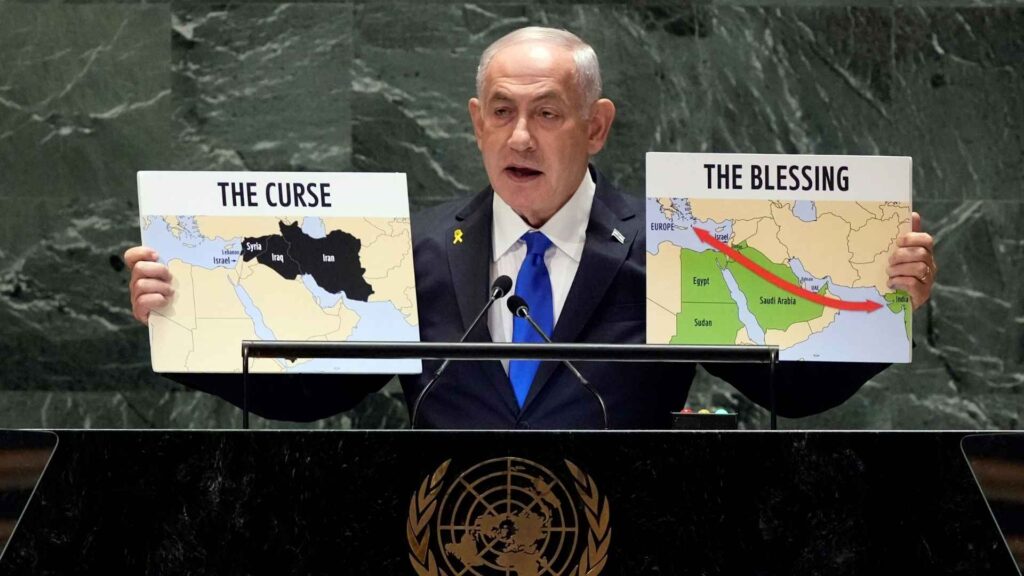
For India, the balancing act is particularly delicate. New Delhi has spent years building strong ties with both Iran and Israel, with the Gulf monarchies, and with Washington. It has no interest in taking a side. But neutrality becomes harder to maintain when your currency is dropping, your cooking gas supply has four weeks left, your citizens are stranded in hotel rooms across six countries, and your navy is keeping watch over a warship that just sank an Iranian vessel off the coast near Sri Lanka.
India is not at war. But India is absolutely not untouched.
Seven days in, with the 21st wave behind us and no sign of a 22nd being the last, the honest answer to the question of where this goes next is that nobody knows. Not Washington. Not Tehran. Not Tel Aviv.
Somewhere in the Gulf tonight, another Indian family is watching departure boards flip from delayed to cancelled. Somewhere on the Persian Gulf, an Indian sailor on a stranded tanker is wondering when he gets to go home.
Those are the real stakes of this war. Not just the missiles and the military claims. The people caught in the middle of something they had no part in starting and no power to stop.
Stay ahead with Hindustan Herald — bringing you trusted news, sharp analysis, and stories that matter across Politics, Business, Technology, Sports, Entertainment, Lifestyle, and more.
Connect with us on Facebook, Instagram, X (Twitter), LinkedIn, YouTube, and join our Telegram community @hindustanherald for real-time updates.

Specializes in South Asian geopolitics and global diplomacy, bringing in-depth analysis on international relations.
- Rajiv Menonhttps://hindustanherald.in/authors/rajiv/

- Rajiv Menonhttps://hindustanherald.in/authors/rajiv/
- Rajiv Menonhttps://hindustanherald.in/authors/rajiv/
- Rajiv Menonhttps://hindustanherald.in/authors/rajiv/




 Ayesha Khan