
 By Rajiv Menon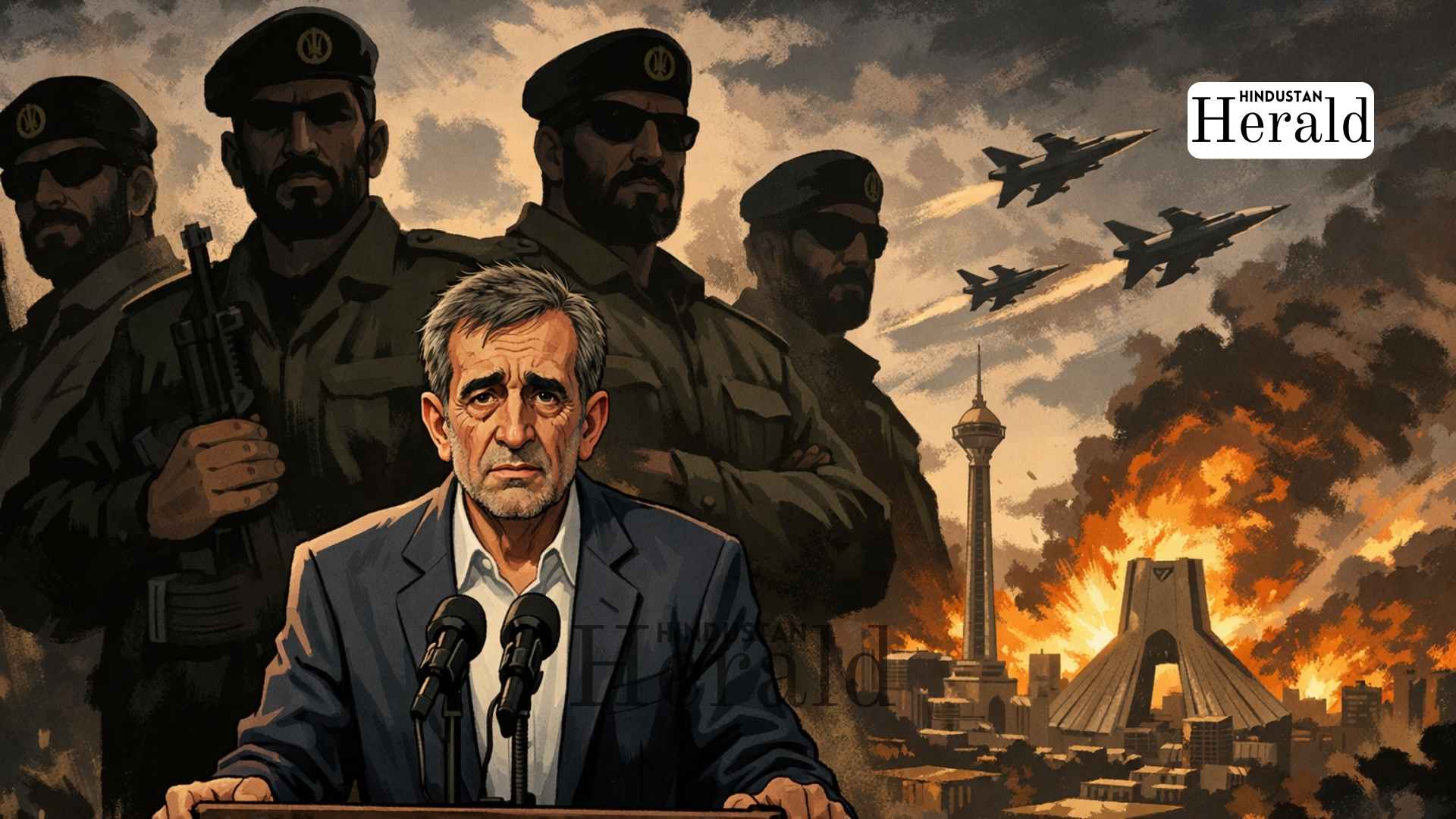
Tehran, March 8: Nobody really believed it would last. And it did not. On Saturday night, Masoud Pezeshkian sat in front of a camera and did something Iranian presidents rarely do. He sounded sorry. He told the Gulf neighbours that Tehran did not want this mess spreading across their borders. He even hinted that Iran could hold back its strikes, so long as nobody let the Americans or Israelis use their soil as a launching pad. For about twelve hours, people wondered if something had shifted.
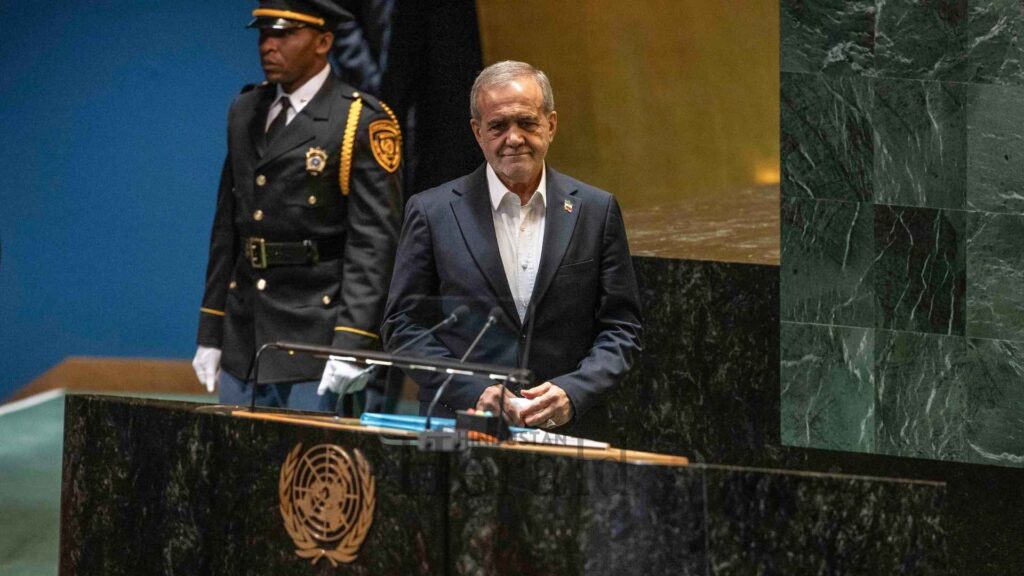
By Sunday morning, it was gone. Pezeshkian was back on state television with a completely different energy. Those words on Saturday? Taken out of context. Twisted by the enemy. Iran had not softened. Iran was not backing down. The country was fighting in “defensive necessity” and would keep doing so.
Welcome to day eight of a war that is eating the Islamic Republic from the inside.
What Actually Happened on Saturday Night
To understand the Sunday U-turn, you have to understand what Saturday looked like in Tehran.
Pezeshkian is not a hardliner. He came to power last year on a reform ticket. He has always believed, privately, that Iran cannot afford to fight everyone at once. So when he went on television and used words like “brothers” to describe neighbouring Arab states, and when he floated the idea of a pause in hostilities, it was not entirely out of character for the man.
What it was, though, was badly timed and poorly coordinated.
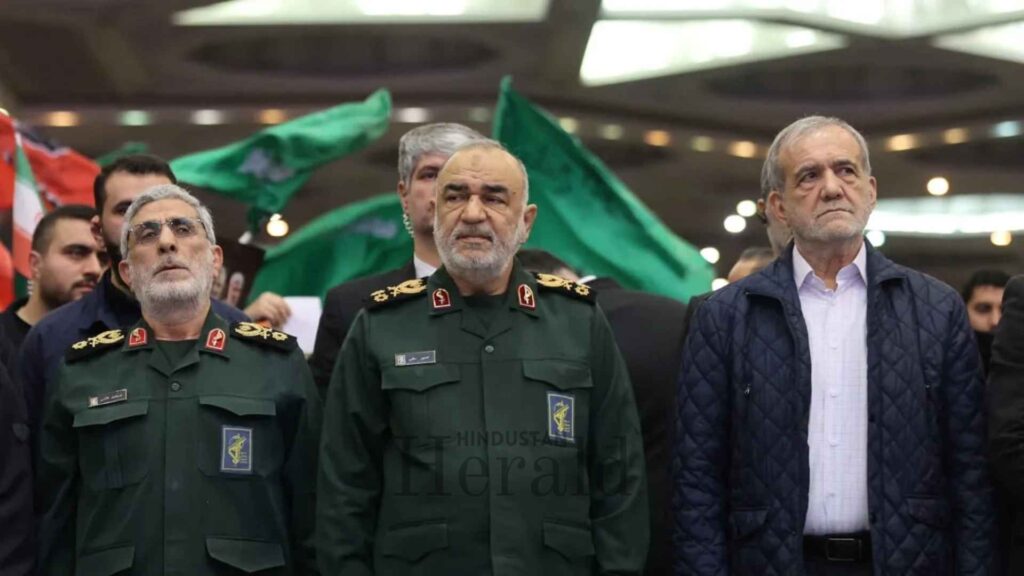
The IRGC, the Revolutionary Guards who actually run the military, were apparently not fully on board. Neither were the hardline clerics who still hold enormous sway over what can and cannot be said in public. Within hours, the backlash was visible. State-aligned newspapers pushed back. Retired generals gave interviews. The message was clear: the president had spoken out of turn.
So he walked it back. Took the whole thing and wrapped it in the language of enemy propaganda. Said his neighbours misunderstood him. Said Iran remains in a state of war. Said retaliation against any country hosting attacks on Iran is not a choice, it is an obligation.
The speed of the reversal says more than anything Pezeshkian actually said. This is a government where the civilian leadership and the military establishment are no longer fully reading from the same page. That is a dangerous thing in the middle of a shooting war.
Trump Wants a Regime. Pezeshkian Says Dream On.
While Tehran was dealing with its internal mess, Donald Trump was posting on Truth Social.
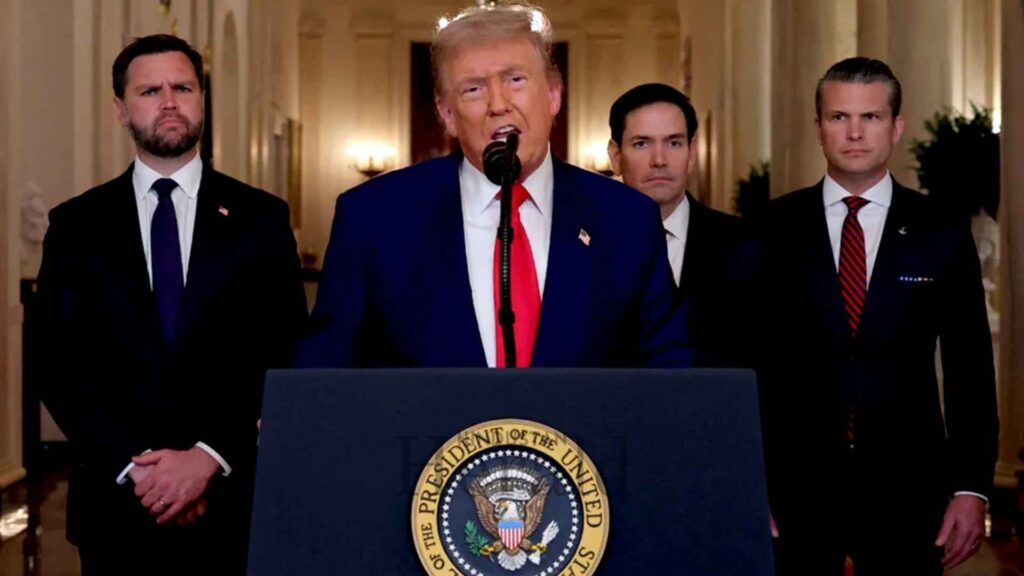
The American president has not been subtle about what he wants. He wants “unconditional surrender.” He has even given the whole thing a name, MIGA, Make Iran Great Again, which is his way of saying the current government should go and something more friendly to Washington should take its place. Trump genuinely seems to believe that if the strikes are hard enough and long enough, the Islamic Republic will simply collapse and Iranians will thank America for it.
Pezeshkian called this thinking “a dream.” He said the leadership of Iran will not hand itself over regardless of how much damage is done to the country’s roads, fuel depots, and power grids. He has a point, in the narrow sense. Governments under military attack rarely negotiate their own removal. That is not how people work.
But here is the problem nobody wants to say out loud. The gap between refusing to surrender and actually being able to fight is getting wider every single day.
Fuel rationing has started in parts of Tehran. Power in the southern districts has been cutting in and out. IRGC vehicles are moving less, which military analysts read as a sign that the strikes on fuel infrastructure are doing exactly what they were designed to do. Iran’s will may be intact. Its logistics are not.
The Bigger Crisis Nobody Is Officially Talking About
The war on the ground is one crisis. The crisis of who is actually leading Iran right now is another.
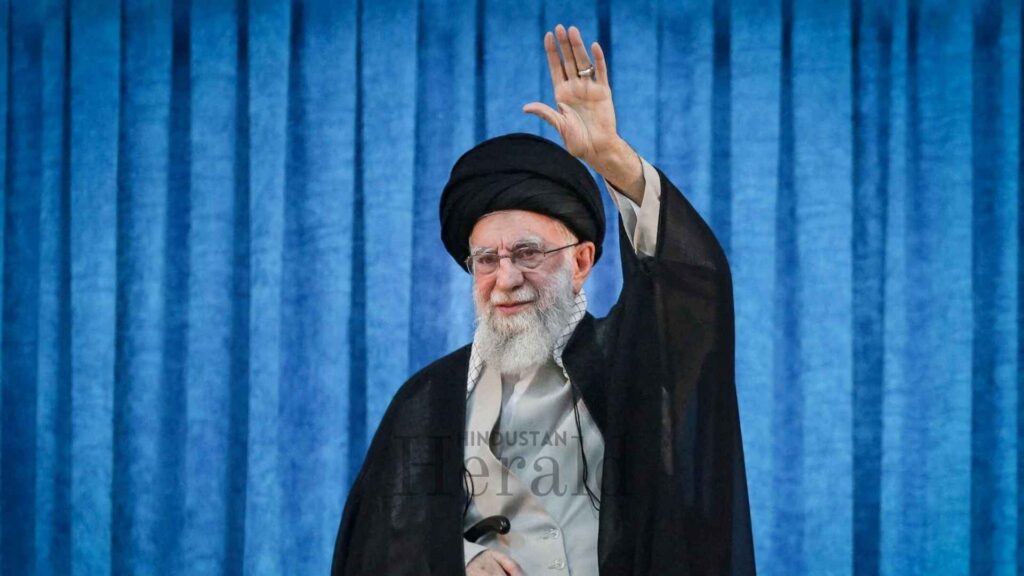
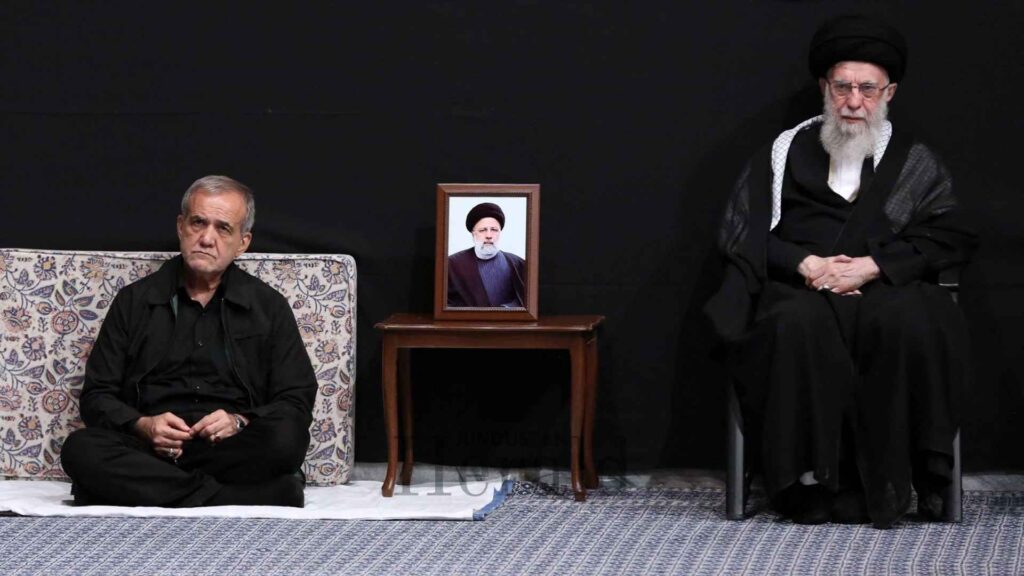
Multiple sources, including reporting from Reuters and Al Jazeera, indicate that Supreme Leader Ayatollah Ali Khamenei was killed in a joint strike by American and Israeli forces earlier in the conflict. Iranian state media has said nothing. Official channels are still publishing statements in his name. The silence itself is a kind of answer when a senior figure is alive and safe; governments say so quickly. When they do not say so, there is usually a reason.
Behind closed doors, the Assembly of Experts, the clerical council that picks the Supreme Leader, has reportedly landed on a name. Who that is, nobody outside the inner circle knows yet. The transition, if it is happening, is happening in secret, under bombardment, with no mourning ceremonies and no public announcement. That is completely outside the Islamic Republic’s own rules for how succession is supposed to work.
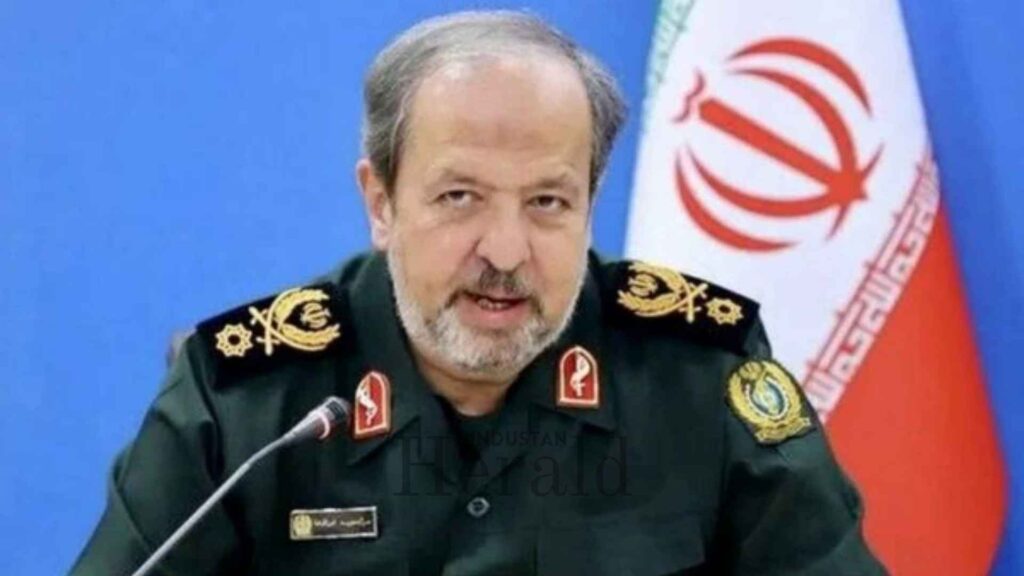
In the meantime, IRGC General Syed Majid Ibn-al-Riza is running defence logistics. He is not the first choice for the job. He is the person left standing after several of his seniors were killed in targeted strikes during the early days of the campaign. According to sources cited by The Guardian, his appointment came through an emergency order from the Supreme National Security Council.
A government improvising its own chain of command while under active bombardment is a government in serious trouble, whatever it says on television.
What Is Happening on the Ground
The IDF and US Air Force have made themselves comfortable in Iranian skies. That is not an exaggeration. Iranian air defences, already worn down through years of sanctions and selective targeting in earlier strikes, have not been able to stop incoming aircraft at any meaningful altitude. Analysts who track these things say the coalition has effectively established air dominance over Tehran and its surrounding areas.
On Sunday, that dominance was used to hit IRGC fuel complexes and oil storage facilities on the eastern edge of the city. The calculation is simple and brutal: no fuel means armoured units cannot move. A military that cannot move cannot fight effectively, regardless of how determined its soldiers are.
Iran fired back, as it has every day. The IRGC announced the 23rd wave of Operation True Promise 4 a name that would have sounded dramatic before the war began, but now arrives almost routinely. The wave included newer missiles and drones pointed at American bases in Bahrain, infrastructure targets in the UAE, and the Kuwait International Airport.
US Central Command acknowledged some impacts in Bahrain and called the damage contained. The IRGC, predictably, said the strikes were far more effective than that. The truth is somewhere in the middle, and independent verification from these areas is nearly impossible right now.
The human cost is harder to dispute. The United Nations puts the civilian death toll at over 1,300 since February 28. Around 100,000 people have been displaced. Doctors inside Tehran who spoke to regional correspondents anonymously describe hospitals running low on supplies, wards beyond capacity, and surgical teams working around power cuts. These are the numbers that do not make it into the military briefings.
Why India Is Watching Very Carefully
For most Indians, this might feel like a distant conflict. It is not.
The Strait of Hormuz, the narrow chokepoint through which a significant portion of the world’s oil passes, sits right in the middle of this crisis. India depends on oil moving through that strait. Every time a missile lands near a Gulf facility, and markets get nervous, the price of crude goes up. That eventually reaches the pump, the kitchen, and the transport cost of every vegetable moving from farm to city.
Brent crude has already moved sharply upward since the Sunday strikes. India’s Ministry of Petroleum is reportedly talking to Saudi Arabia and Russia to make sure there is enough buffer in storage if things get worse over the next two to three months.
There is also the question of people. Millions of Indians live and work in the Gulf. The Kuwait International Airport, struck in Sunday’s wave, is a major transit hub for Indian workers in the region. The Indian Embassy in Kuwait City has confirmed no Indian casualties in that attack, but consular teams are on standby, and evacuation planning is being updated. The Ministry of External Affairs has been pushing out advisories for days now.
The Part Nobody Has a Good Answer For
Eight days in, the most honest thing you can say about this conflict is that nobody has figured out how to end it.
Qatar has channels to both sides and has said it is willing to help broker something. Washington has not asked it to. Oman has gone quiet. European governments are calling for a ceasefire in the way that governments do when they have no real leverage, loudly and without effect.
The fundamental problem is that Trump has defined the goal as regime change. That is not a negotiating position. You cannot meet someone halfway on whether they should continue to exist as a government. Pezeshkian knows this, which is partly why his Saturday overture never had a real future; even if the hardliners had let it stand, it had nowhere to go on the American side.
So the war continues. Iran fires its 23rd wave of missiles. The coalition hits another fuel depot. The civilian toll climbs. The Supreme Leader’s death is neither confirmed nor denied. A general whom nobody planned to lead the military is now leading it. And the president who tried, briefly, to find a quieter path has gone back to saying what everyone around him needs to hear.
For now, that is what passing for politics inside the Islamic Republic looks like.
Stay ahead with Hindustan Herald — bringing you trusted news, sharp analysis, and stories that matter across Politics, Business, Technology, Sports, Entertainment, Lifestyle, and more.
Connect with us on Facebook, Instagram, X (Twitter), LinkedIn, YouTube, and join our Telegram community @hindustanherald for real-time updates.
Specializes in South Asian geopolitics and global diplomacy, bringing in-depth analysis on international relations.
- Rajiv Menonhttps://hindustanherald.in/authors/rajiv/

- Rajiv Menonhttps://hindustanherald.in/authors/rajiv/
- Rajiv Menonhttps://hindustanherald.in/authors/rajiv/
- Rajiv Menonhttps://hindustanherald.in/authors/rajiv/



 Ayesha Khan