
 By Rajiv Menon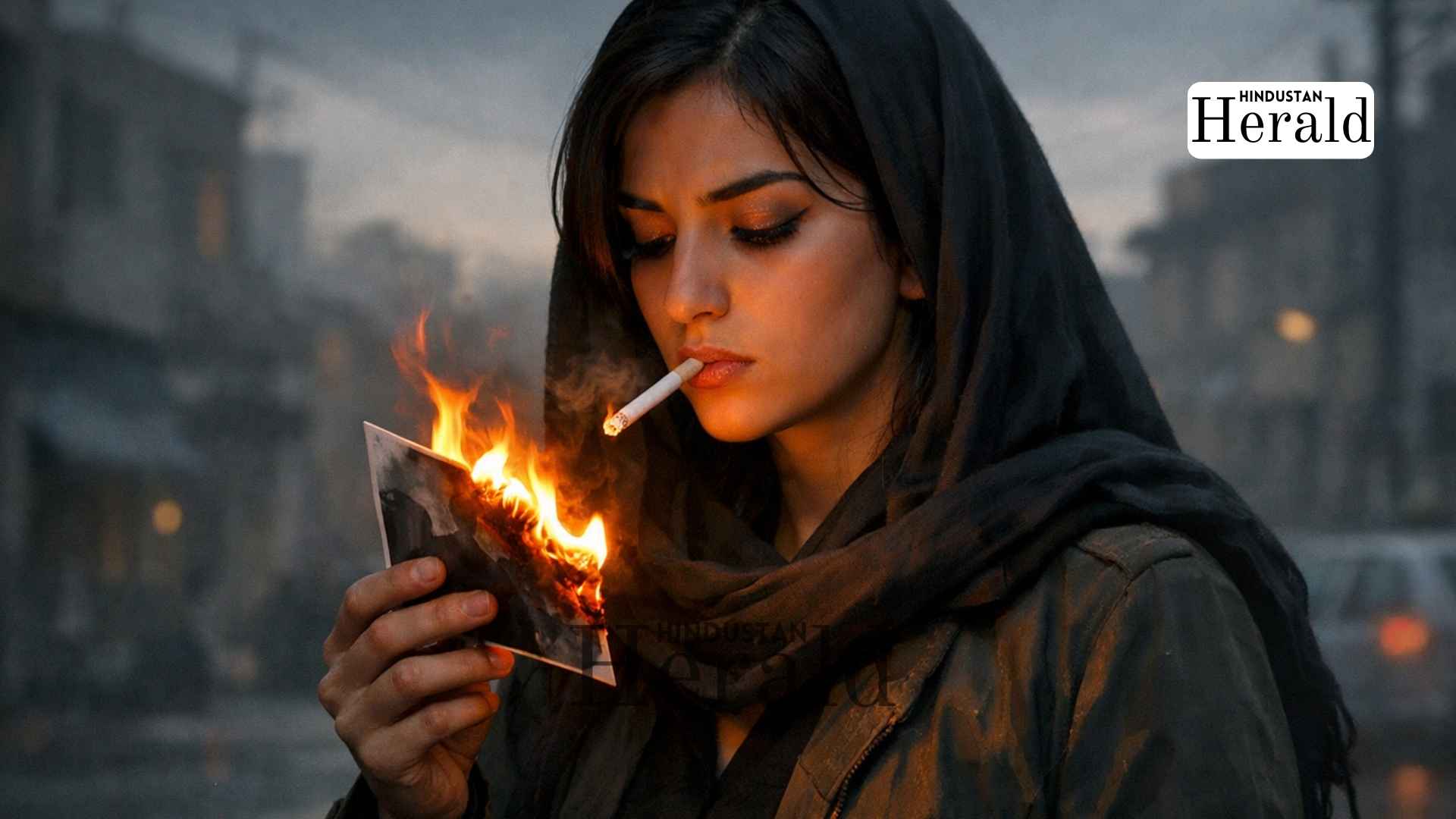
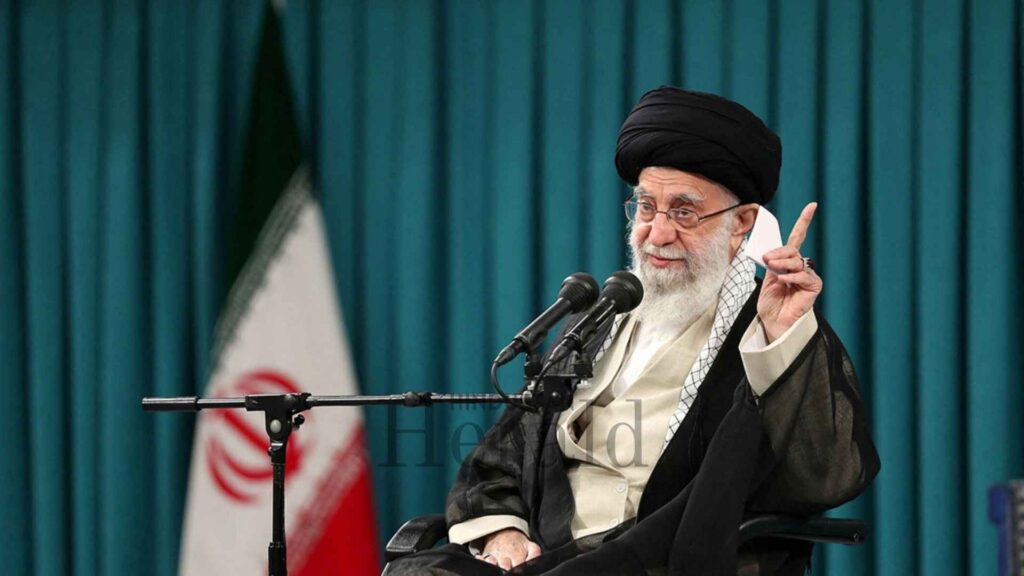
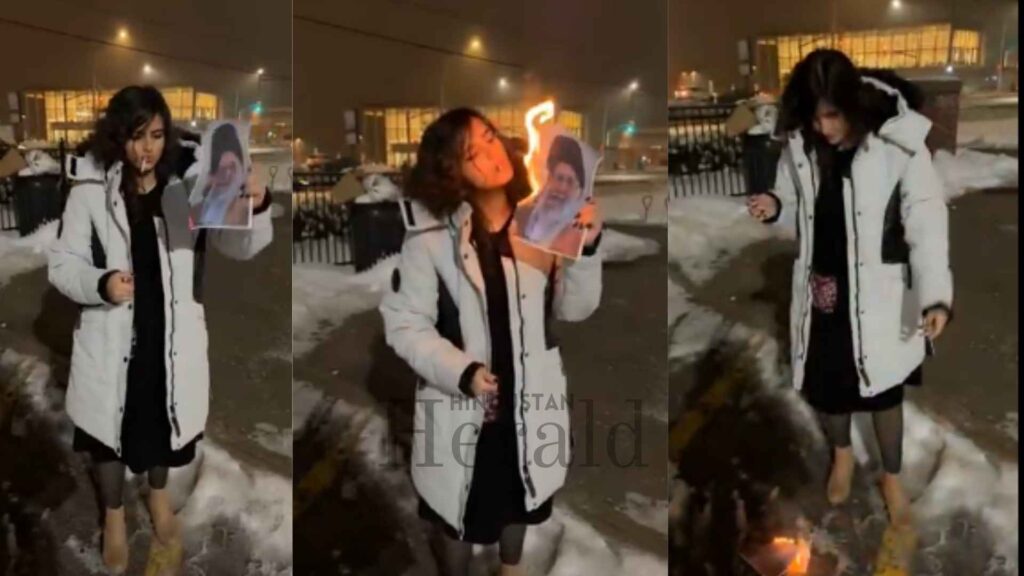
Tehran, January 10: At first glance, the videos look almost ordinary. A hand, a lighter, a cigarette. Then the camera tilts slightly and the detail snaps into focus. The flame is not coming from a lighter alone. It is coming from a burning photograph of Ayatollah Ali Khamenei.
That single moment is what has set off one of the most striking protest trends Iran has seen in recent years.
Across social media platforms like X, Instagram, Reddit, and Telegram, Iranian women are posting short clips of themselves calmly lighting cigarettes using the burning image of the country’s Supreme Leader. No speeches. No background music. No captions explaining what it means. The act explains itself.
Why This One Gesture Has Shaken The System
In Iran, burning the image of the Supreme Leader is not treated as a protest. It is treated as a crime. People have been jailed, beaten, and worse for far less.
For women, the message cuts even deeper. Smoking has long been frowned upon, policed by social pressure and moral lectures. A woman smoking in public is still seen by conservative circles as crossing a line.
By putting these two taboos together, protesters are breaking the rules in the most direct way possible. A woman. Fire. The face of power. And a cigarette lit without fear.
According to reports by NDTV and Euronews, the videos began appearing in early January 2026 and spread quickly. Many women hide their faces. Some film indoors. Others stand in quiet streets. The clips are short because they have to be. Staying longer on camera is dangerous.
But even in those few seconds, the message lands hard.
This Is About More Than Symbols
These videos did not appear in a vacuum. Iran is under severe economic strain. Prices of basic food items have surged. Salaries have not kept pace. The value of the rial continues to slide.
As reported by India Today and Firstpost, frustration has been building for months. Protests have flared across cities, driven by anger over inflation, unemployment, and corruption. For many Iranians, daily life has become a struggle just to get by.
What is different now is the tone. Earlier protests often demanded reforms. Better wages. Cheaper fuel. Accountability.
This time, the anger feels deeper. Protesters are no longer asking politely. Images of top leaders are being burned. Statues linked to the ruling system are being damaged. The cigarette videos fit neatly into this shift. They are not requests. They are statements.
When Streets Became Too Dangerous
Iran’s streets have seen mass protests before. The most powerful came after the 2022 death of Mahsa Amini, which triggered nationwide demonstrations led largely by women and young people.
The response was brutal. Security forces cracked down hard. Thousands were arrested. Many were killed. Some were executed. Internet shutdowns became common.
Over time, large gatherings became nearly impossible. The risk was simply too high.
So the protest changed shape.
Instead of crowds, there are individuals. Instead of marches, there are moments. According to The Indian Express and Tribune India, symbolic acts shared online have become a way to keep resistance alive without standing in a public square waiting to be arrested.
Lighting a cigarette from a burning photograph takes seconds. Uploading the video takes a few seconds more. That is all the time many feel they can afford.
The Fear Is Real, and So Is The Defiance
Iran’s leadership has not softened its tone. Ali Khamenei has accused protesters of working for foreign enemies and has insisted the Islamic Republic will not back down.
Those words carry weight because people know what happens when the state decides to make an example.
The case of Omid Sarlak is often mentioned quietly in online discussions. He posted a video last year showing himself burning a photograph of the Supreme Leader. Hours later, he was found dead inside his car. As reported by India Today and Republic World, officials did not give a clear explanation.
Stories like that explain why these new videos are careful and controlled. Faces are blurred. Names are not shared. No one lingers in frame.
Fear is everywhere. But fear has not stopped the videos.
Why The World Is Paying Attention
Outside Iran, the clips have spread rapidly. Iranian diaspora communities have shared them widely. Human rights groups have amplified them. Viewers who know little about Iranian politics understand the message instantly.
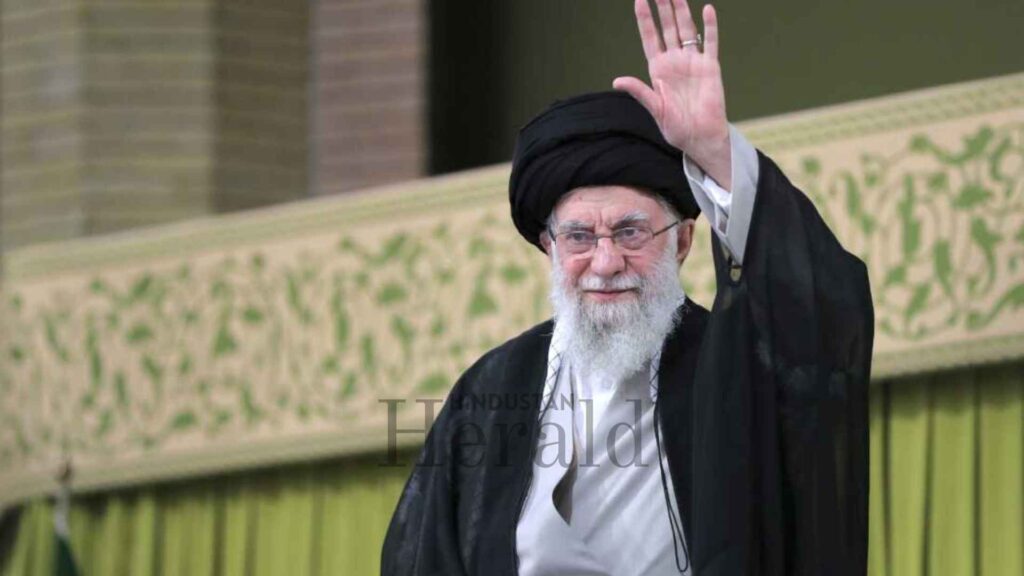
Fire destroys symbols. A woman choosing how to use that fire changes the meaning entirely.
This is why the videos resonate. They do not need translation. They do not rely on slogans or ideology. They show something simple and unsettling. Authority being reduced to ash. Control slipping, even if only for a moment.
No one believes these videos alone will bring down the system. Iran’s power structures remain firmly in place. The security forces are still watching. The prisons are still full.
For now, what these women are doing is something smaller but powerful. They are reminding the state and the world that silence does not mean submission. That even under pressure, people find ways to say no.
Sometimes, in Iran today, resistance lasts only as long as a cigarette burns.
Stay ahead with Hindustan Herald — bringing you trusted news, sharp analysis, and stories that matter across Politics, Business, Technology, Sports, Entertainment, Lifestyle, and more.
Connect with us on Facebook, Instagram, X (Twitter), LinkedIn, YouTube, and join our Telegram community @hindustanherald for real-time updates.

Specializes in South Asian geopolitics and global diplomacy, bringing in-depth analysis on international relations.
- Rajiv Menon

- Rajiv Menon
- Rajiv Menon
- Rajiv Menon




 Arun Upadhayay