
 By Prakash Nair
Colombo, February 15: There are nights in Colombo when the air feels thick enough to hold a roar. Sunday was one of them. At the R Premadasa Stadium, with the lights glaring and tension running high, India put 175 on the board against Pakistan in their T20 World Cup 2026 Group A clash. It wasn’t a perfect innings. It stuttered at the start, wobbled at the end, and had long stretches where the pressure shifted back and forth. But at its heart was one clean, decisive statement from Ishan Kishan.
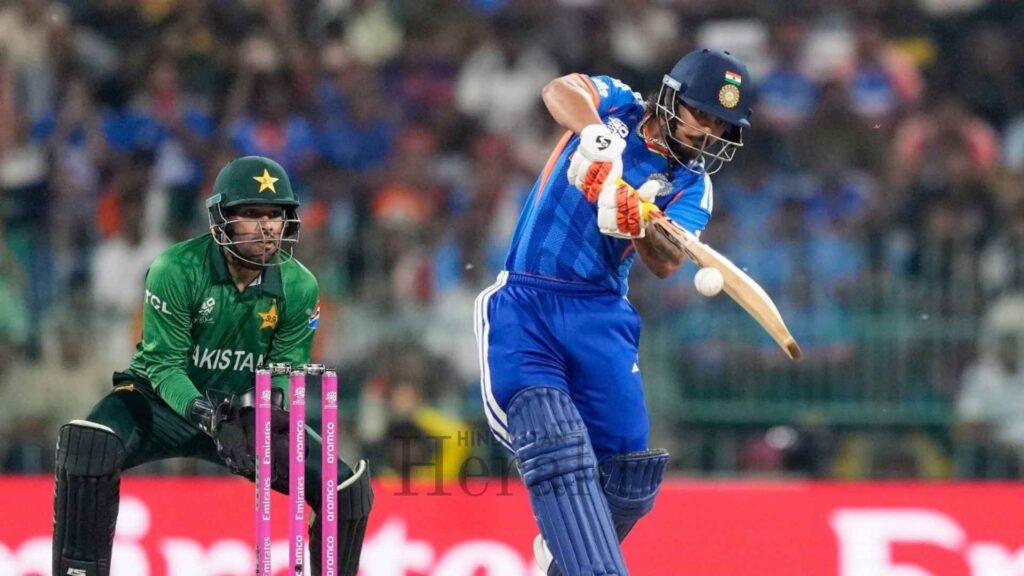
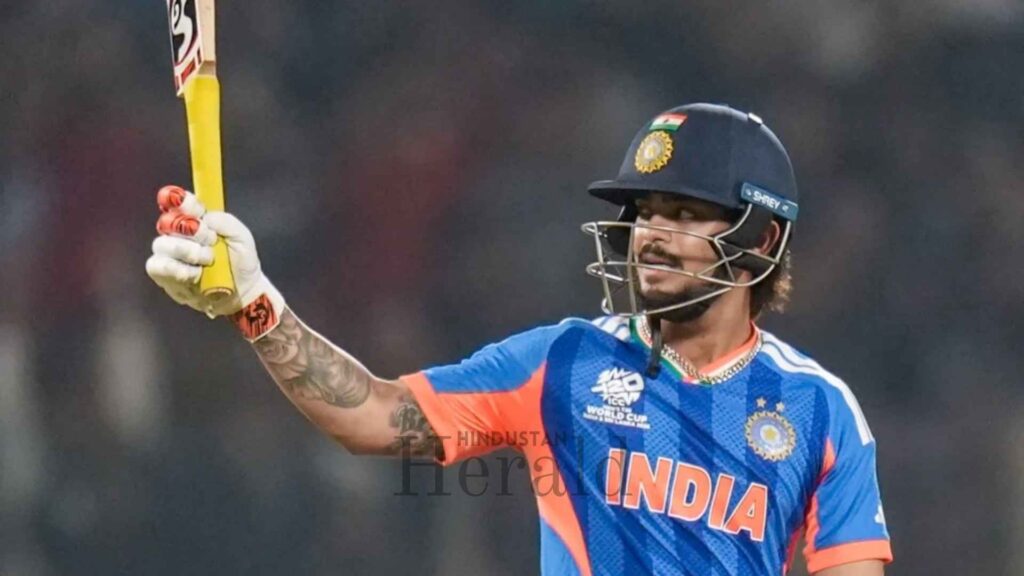
Seventy-seven from 40 balls. Ten fours. Three sixes. And the kind of intent that changes the temperature of a game.
Pakistan had won the toss. Babar Azam chose to bowl. On paper, it made sense. A fresh surface. A hint of early movement. And the possibility of dew later in the night.
The start suggested he had called it right.
A Jolt, Then A Surge
India lost Abhishek Sharma without scoring, undone by Salman Agha. A duck. A quiet, stunned hush in one half of the stadium. Pakistan had struck first and early.
For a few overs, it felt cagey. The fielders were chirpy. The bowlers ran in with purpose. India was careful, almost watchful.
Then Kishan began to free his arms.
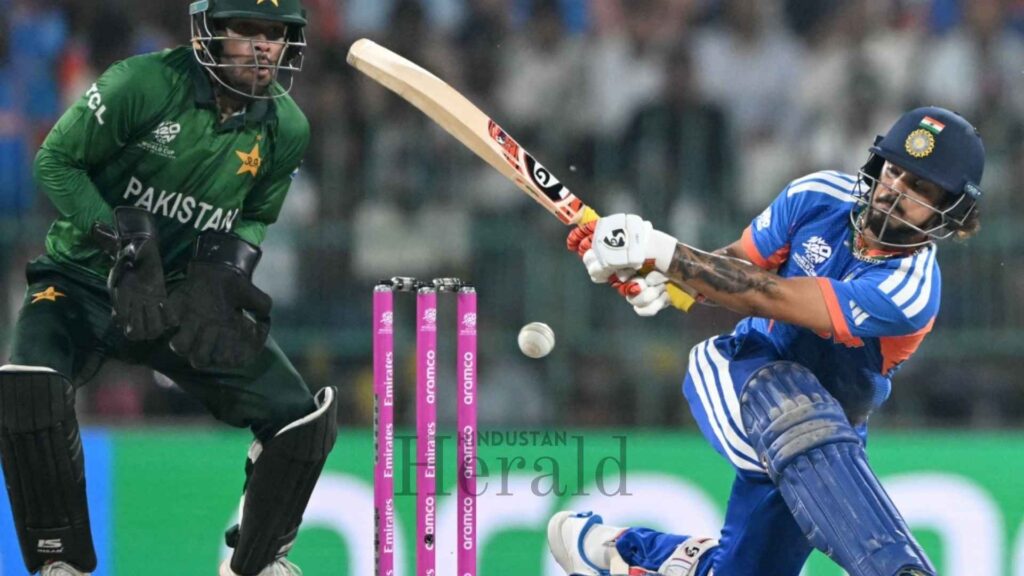
He did not arrive at his fifties in a blur. It was constructed, even if it didn’t look that way from the stands. He picked his lengths. Anything fractionally short was pulled. Anything overpitched disappeared through cover. When Pakistan tried to drag the pace off, he waited just long enough.
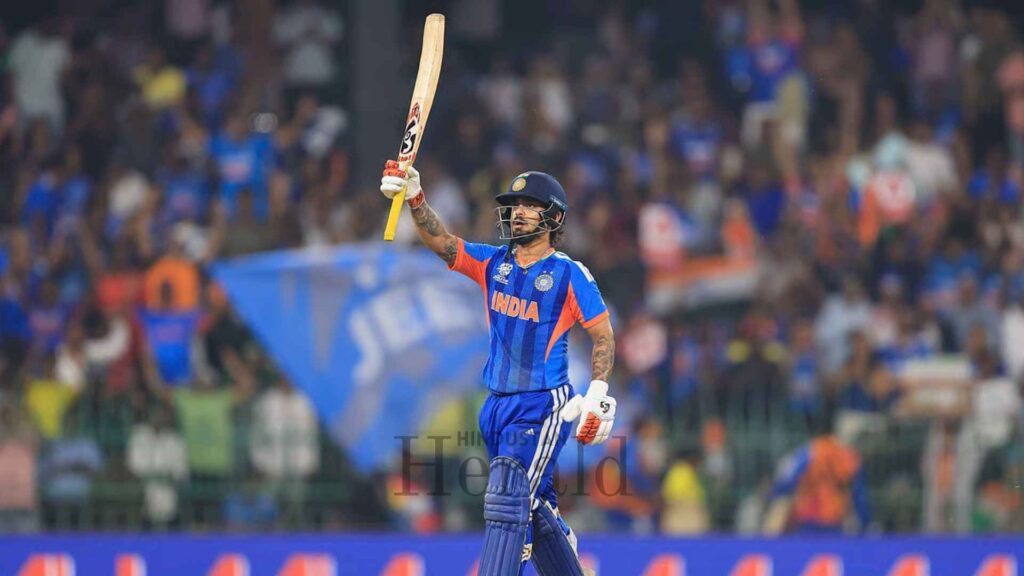
His fifty came off 27 balls. By then, the mood had shifted. India was no longer rebuilding. They were dictating.
Alongside him, Tilak Varma played the quieter role. Rotating strike. Finding the odd boundary. Refusing to let the scoreboard stall. Their 87-run partnership did not just repair the damage from the first over. It tilted the match back toward India.
By the end of the powerplay, India were 52 for 1. It could easily have been worse.
According to ANI reports, this 77 was Kishan’s third-highest score in India-Pakistan T20 Internationals. It did not feel like a statistic-driven innings, though. It felt personal. Direct. As if he understood exactly what this stage required.
Pakistan Pull It Back
Pakistan is rarely out of a contest for long.
Just when India looked poised to push beyond 190, Saim Ayub stepped in. His spell, 3 for 25, was measured and disruptive. He broke the rhythm. He forced India to rethink.
Kishan fell to him eventually, caught trying to push the scoring rate higher. It was a dismissal born of ambition rather than error. Still, it gave Pakistan oxygen.
Shaheen Afridi was steady, conceding 31 for his wicket. He did not have the early burst many expected, but he stayed disciplined. Usman Tariq chipped in with a wicket of his own and kept things tight enough at the death to prevent total chaos.
India’s innings tapered slightly in the final overs. There were boundaries, yes, but also wickets at awkward moments. The sense that 180 was within reach lingered and then slipped away.
When the innings closed at 175 for 7, it felt competitive. Not overwhelming. Not underwhelming. Just enough to demand a proper chase.
It is, as per tournament records, India’s highest total against Pakistan in a T20 World Cup. That number carries weight in a rivalry where history is never far away.
Suryakumar’s Steady Hand
After Kishan’s departure, the tempo needed control. Suryakumar Yadav provided that with 32 off 29 balls.
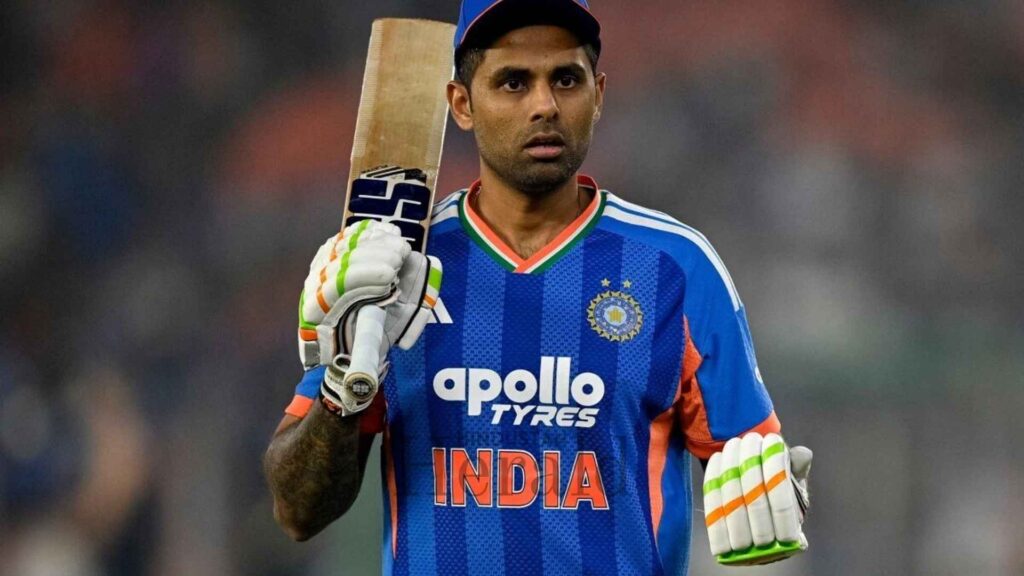
It was not the audacious, 360-degree display he is known for. Instead, it was restrained. Rotating strike. Picking moments. Ensuring India did not unravel after losing their set batter.
Some innings dazzle and innings that stabilise. This one belonged to the second category.
Tilak Varma’s contribution deserves mention as well. He did not dominate the headlines, but his willingness to absorb pressure allowed Kishan to stay aggressive at the other end.
Sometimes partnerships are not about equal fireworks. They are about understanding roles.
Early Ripples In The Chase
As of the latest updates around 8:50 PM IST, Pakistan’s reply had begun under immediate scrutiny.
Sahibzada Farhan was dismissed for a duck by Hardik Pandya, according to live coverage reported by India Today. A small moment, perhaps, but in this rivalry, early wickets echo loudly.
The full shape of the chase remains unclear. The match was still unfolding at the time of writing.
Chasing 175 in Colombo is not impossible. The outfield is quick. Dew can help. But chasing against India in a World Cup fixture is never just arithmetic.
It is mental.
More Than Just Runs
India and Pakistan do not play each other often outside ICC tournaments. When they do, every over is dissected, every decision debated.
A total like 175 is more than a scoreboard entry. It is pressure wrapped in history.
India carry an unbeaten record against Pakistan in T20 World Cups. That fact lingers in the background of every such encounter. It does not bowl or bat, but it sits there.
For Pakistan, the equation is simple but heavy. A composed start. A middle-order that does not panic. Bowlers who have already done enough to keep the target manageable.
For India, the blueprint will revolve around control in the middle overs. Squeeze. Force risk. Let the scoreboard do the talking.
The Way T20 Has Changed
There was a time when 160 felt safe. Those days are fading.
Modern T20 batting is built on calculated aggression. Not blind hitting, but structured attack. Kishan’s innings was a reminder of that evolution. He did not swing at everything. He chose.
India’s approach reflects this shift. Take risks, but take the right ones. Accept that wickets may fall if momentum is maintained.
Pakistan, too, are adapting. Ayub’s spell showed variation and control. The ability to shift pace mid-innings is increasingly valuable in this format.
This match sits within that broader change in T20 cricket. Controlled violence with the bat. Precision over pace with the ball.
For Now, It Hangs
The lights remain on in Colombo. The crowd is restless. The chase is alive.
India has done enough to make Pakistan work hard. Pakistan has enough depth to threaten.
Kishan’s 77 will be remembered regardless of the final result. Whether it becomes the innings that set up a famous win or simply a brave knock in defeat will depend on what unfolds next.
For now, 175 feels like a line drawn in the sand.
And in India versus Pakistan, every line carries meaning
Stay ahead with Hindustan Herald — bringing you trusted news, sharp analysis, and stories that matter across Politics, Business, Technology, Sports, Entertainment, Lifestyle, and more.
Connect with us on Facebook, Instagram, X (Twitter), LinkedIn, YouTube, and join our Telegram community @hindustanherald for real-time updates.

Sports reporter covering cricket, football, and Olympic disciplines, with on-ground event experience.
- Prakash Nair

- Prakash Nair
- Prakash Nair
- Prakash Nair




 Sandeep Verma
  Ananya Sharma