 By Ananya Sharma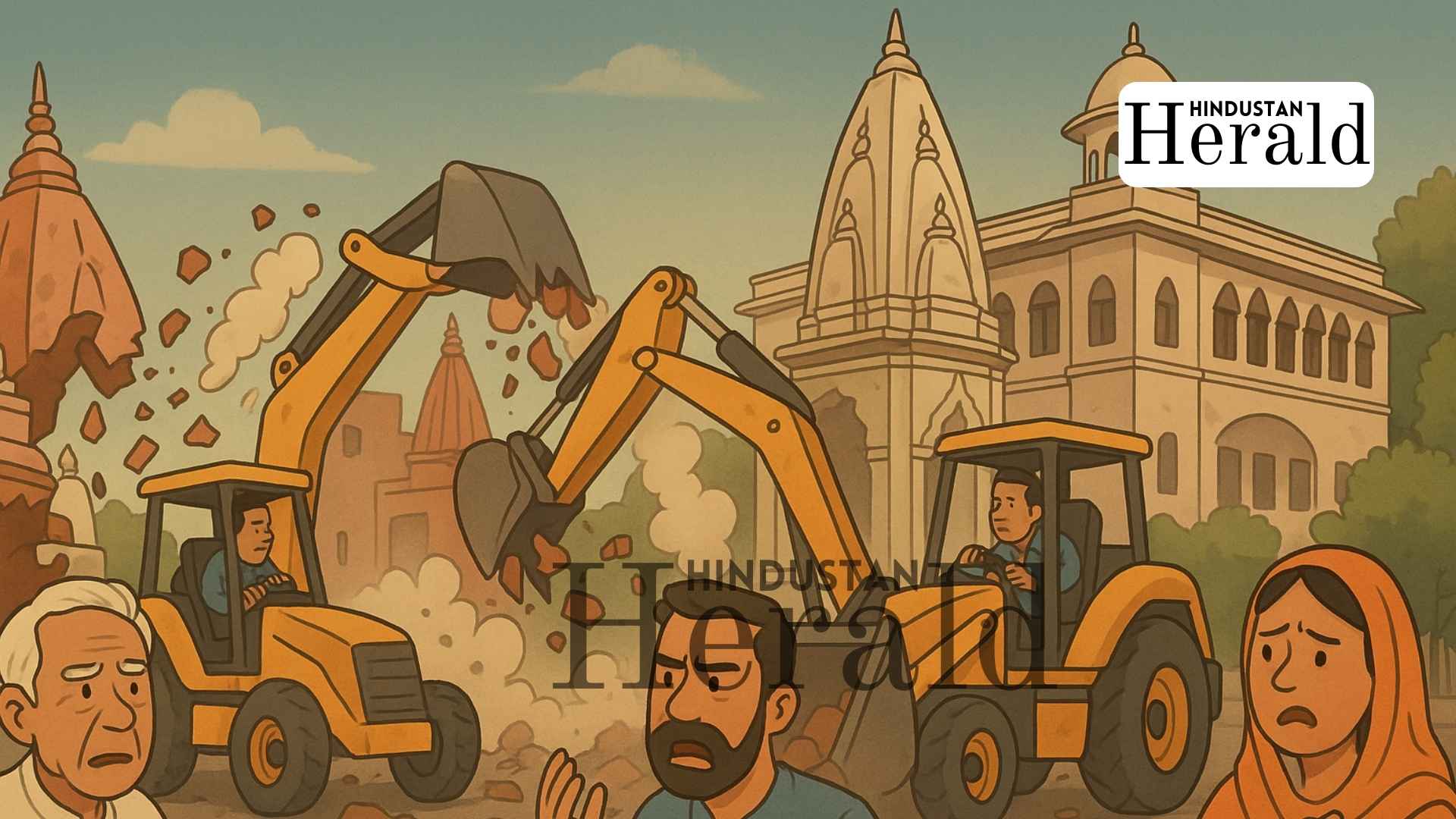
New Delhi, December 2: The demolition that unfolded this week in Jhandewalan, right beside the RSS headquarters, has turned into one of those Delhi stories that refuses to stay confined to one lane. What started as a civic “anti-encroachment” exercise has snowballed into a messy collision of belief, bureaucracy, politics and the internet’s appetite for outrage.
A shaky mobile video, the kind that travels faster than any official note ever could, claimed that an ancient 1,500-year-old temple had been brought down to clear space for an RSS parking lot. That allegation caught fire online well before municipal authorities had even put out a statement.
The Scene That Triggered The Row
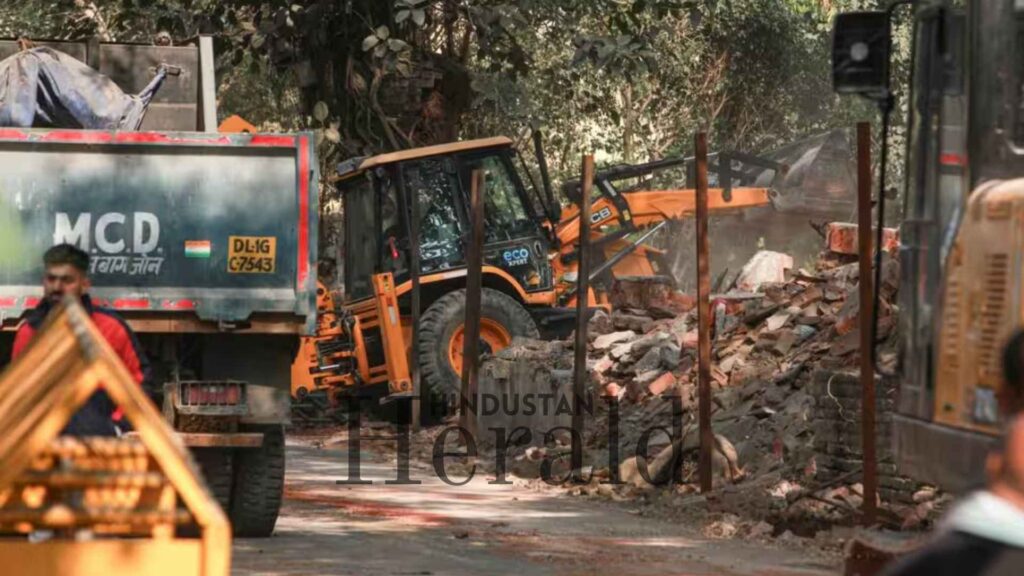
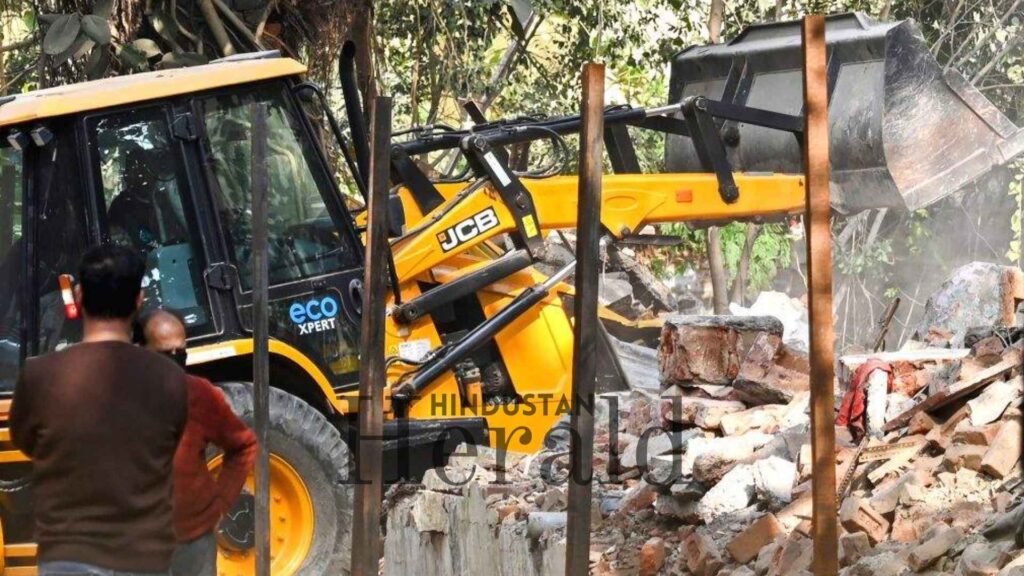
When the Municipal Corporation of Delhi moved in around November 29 and 30, residents say they woke up to bulldozers crawling through cramped lanes near DB Gupta Road and the green belt that skirts Karol Bagh. Many of the structures torn down were homes, some reportedly standing for generations, along with a langar hall and a cluster of rooms that locals insist were part of a much older temple compound.
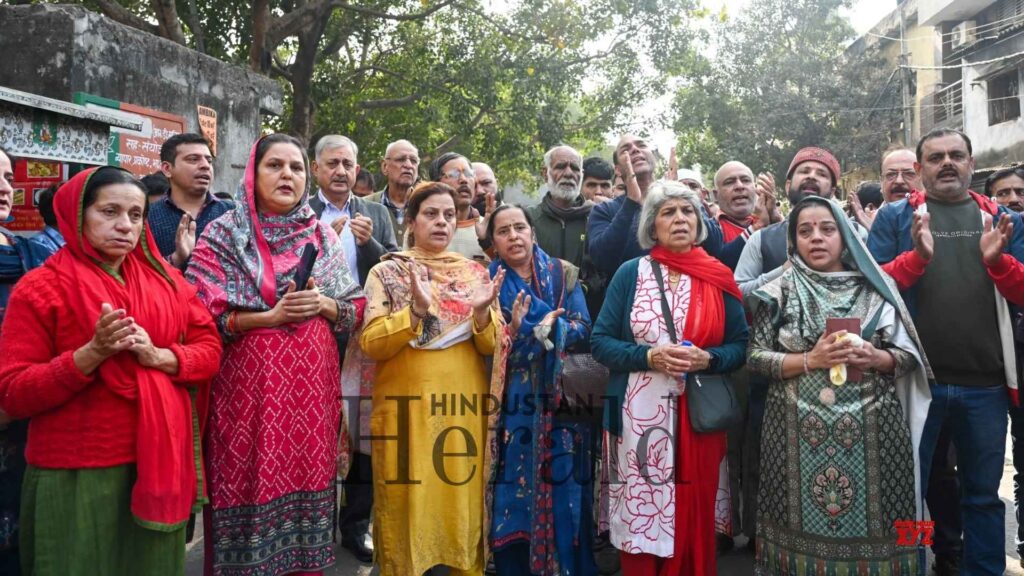
By the time the debris settled, more than a hundred families were wondering where to go next. And then came the viral video, describing the site as an “ancient temple complex” that had been erased for parking. The footage didn’t show much beyond rubble and an upset crowd, but it was enough to launch a political storm.
Officials Push Back, Hard
The first formal response came only after the noise online hit a point where silence was no longer an option. According to The Times of India, the municipal corporation insisted that no religious structure had been touched during the joint demolition drive. Their version is straightforward: a series of old, unsafe buildings were removed, and notices to vacate had been sent roughly 45 days earlier. Officials claimed that many families had left on their own, but a few stayed back, hoping the drive would be deferred.
They cited structural risks, not heritage, as the reason for the action. One line in the civic clarification summed up their stance: dangerous buildings cannot be allowed to remain standing.
That said, none of the documents released so far make any reference to a temple, ancient or otherwis,e existing on the site. And the civic authorities have not explained why such a sensitive operation, given the religious claims attached, wasn’t accompanied by more transparent public consultation.
Locals Tell A Different Story
Residents’ accounts, reported by ABP Live, paint a far more chaotic picture. Many say vacate notices never reached them or came too suddenly to respond to. Others insist they were negotiating rehabilitation terms and had no idea the drive was imminent.
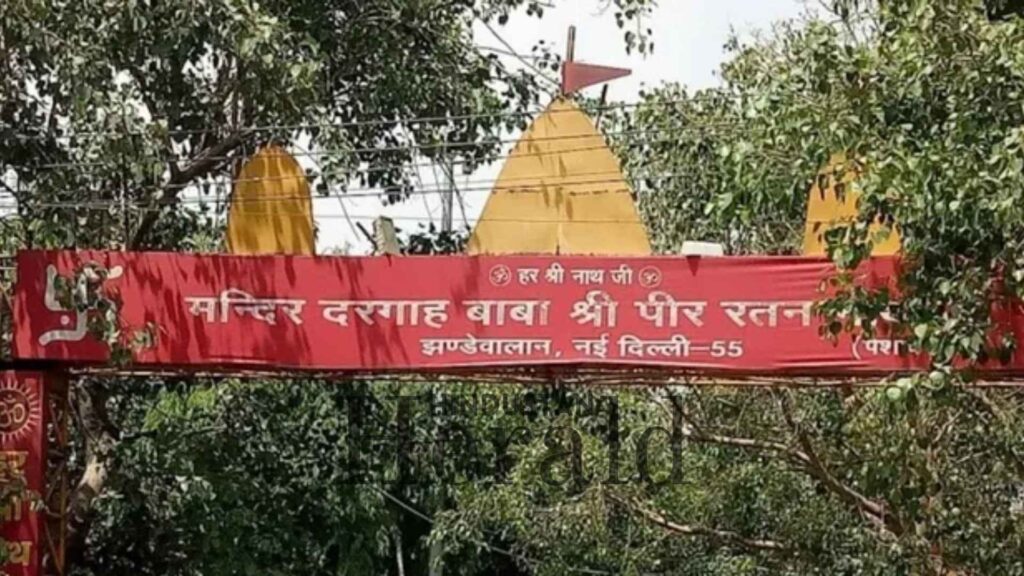
Several locals continue to swear that the demolished portion had religious significance, tied to the Baba Peer Ratan Nath Mandir, which stands close by. Whether the bulldozed area was an extension, an informal shrine, or something newer built around older structures is still unclear, mostly because no official archaeological or heritage survey has been cited anywhere in the record.
And that’s the core of the confusion: one side calls it unsafe encroachment, the other calls it a sacred space. Without documentation, everything rests on competing narratives.
The Claim That Sparked A National Argument
The biggest accelerant to this controversy was the claim that the demolition happened to make space for RSS parking. Several opposition leaders repeated this publicly, amplifying it across social media. Their argument leaned on geography: the RSS centre sits directly next to the cleared stretch, and parking problems in the neighbourhood are no secret.
But as of now, there is no official confirmation from any civic or political official that a parking facility is being built there. The allegation remains just that: an allegation.
What We Still Don’t Know
Here’s the uncomfortable part. For all the shouting on both sides, several basic questions remain unanswered:
- Was any part of the demolished structure officially recognised as a heritage site? No public record says so.
- Did the MCD or DDA conduct a heritage or archaeological assessment before moving machinery into an area residents claim had religious value? Again, no documentation is publicly available.
- Are courts stepping in? So far, no judicial intervention has been reported in the mainstream press.
- Were residents served notices in a legally compliant manner? Conflicting claims persist.
This absence of clear paperwork leaves room for speculation, and speculation is what ends up driving the public debate.
Why This Flashpoint Matters
Delhi has lived through several such confrontations in recent years: redevelopment vs. memory, beautification vs. belonging, “illegal” vs. “ancestral.” Each one follows a pattern but also deepens the city’s anxieties.
In Jhandewalan, the stakes feel personal. This is a neighbourhood where religious spaces, working-class homes, political offices and heritage markers sit elbow to elbow. Any demolition here was always going to carry emotional weight. Add the RSS’s towering presence next door, and it becomes a symbol, whether or not the facts support the viral claim.
The moment a video labels a demolition as an attack on faith or heritage, the civic narrative struggles to catch up. And when authorities release only partial explanations, trust erodes quickly.
Where Things Stand Tonight
The MCD maintains it followed due process. Residents insist they were blindsided. Opposition leaders want an inquiry. And online, the idea of a centuries-old temple razed for parking continues to spread long after officials denied it.
For now, the truth sits somewhere inside the debris: part administrative action, part political theatre, part human tragedy. What the city still lacks is an independent, transparent assessment, one that can settle whether this was simply an anti-encroachment drive or a careless brush-off of heritage and community rights.
Until then, Delhi will keep arguing, and the ruins in Jhandewalan will keep drawing eyes and questions.
Stay ahead with Hindustan Herald — bringing you trusted news, sharp analysis, and stories that matter across Politics, Business, Technology, Sports, Entertainment, Lifestyle, and more.
Connect with us on Facebook, Instagram, X (Twitter), LinkedIn, YouTube, and join our Telegram community @hindustanherald for real-time updates.

Covers Indian politics, governance, and policy developments with over a decade of experience in political reporting.
- Ananya Sharma

- Ananya Sharma
- Ananya Sharma
- Ananya Sharma