
 By Ananya Sharma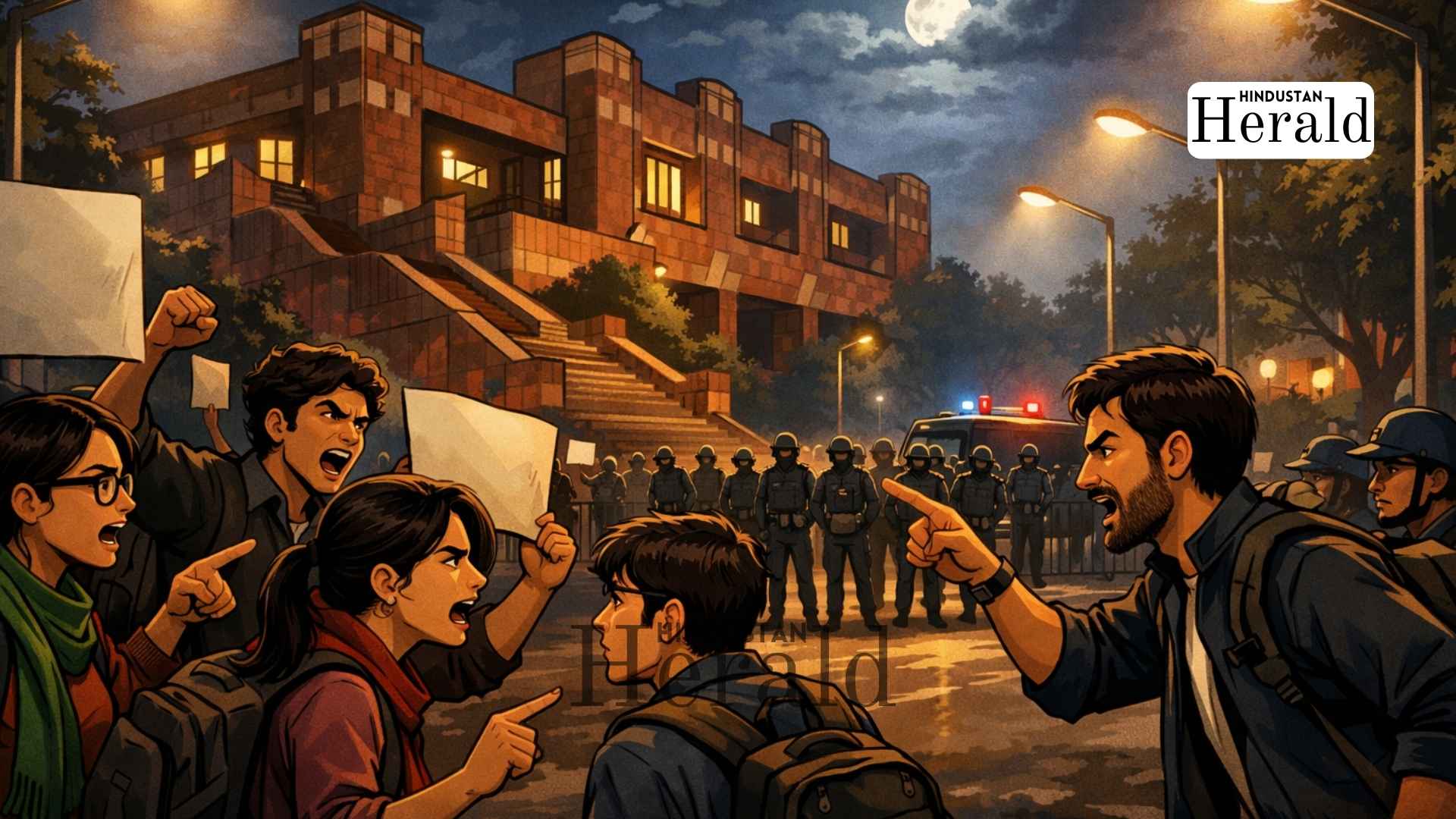
New Delhi, January 7: It was past 10 pm, the campus had mostly settled in for the night, and a small crowd had gathered outside Sabarmati Hostel at Jawaharlal Nehru University (JNU). What followed over the next few minutes has now dragged the university, its students, and the police into another familiar storm.
Slogans were raised. Videos were recorded. Phones came out. And by morning, JNU had written to the Delhi Police, asking them to step in and register an FIR over what it called objectionable and inflammatory remarks made against Prime Minister Narendra Modi and Home Minister Amit Shah.
For a campus that has lived through controversies for decades, this was not entirely unexpected. Still, the speed with which the issue escalated has left many uneasy.
What Actually Happened That Night
The gathering was part of an event called “A Night of Resistance with Guerrilla Dhabba, organized by students linked to the JNU Students’ Union. The idea, according to students, was to remember the violence that shook the campus on January 5, 2020. For many at JNU, that night remains an open wound.
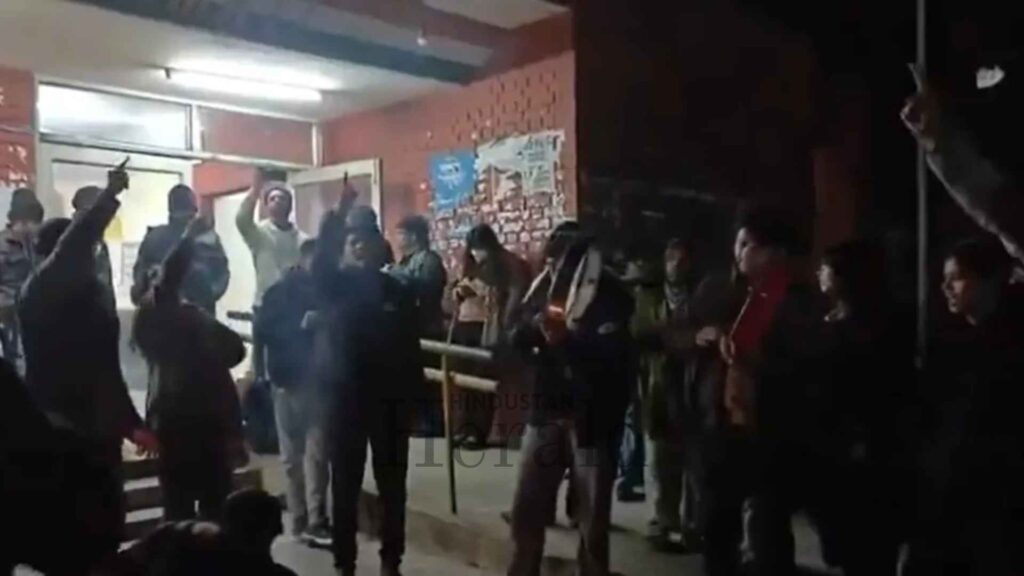
During the event, slogans critical of the government were raised. One chant, referring to the political end of Modi and Shah and linking it to JNU’s soil, quickly became the focus of outrage. Clips of the slogan spread online within hours.
The university administration says the language used was unacceptable, crossed all limits, and could not be defended as a protest. Students present at the event argue the opposite. They say JNU protests have never been polite affairs and that strong words have always been part of campus politics.
That difference in interpretation is now at the centre of the row.
Why The University Called The Police
By Tuesday, JNU had formally complained to the Vasant Kunj police, naming nine students. In its letter, the university said the slogans amounted to hate speech, violated campus rules, and could disturb peace.

The administration also pointed to the timing. The protest came just days after the Supreme Court of India refused bail to student activists Umar Khalid and Sharjeel Imam in cases related to the 2020 Delhi riots. According to JNU, raising such slogans in this backdrop showed disregard for the law and the judiciary.
Along with police action, the university warned that internal disciplinary proceedings could follow. Suspension or expulsion has not been ruled out.
Police officials, meanwhile, have said they are examining the complaint and the videos before taking a call on registering an FIR.
Students Feel Targeted, Say Police Should Not Be First Option
Among students, there is anger and anxiety.

Many feel the administration acted in haste by involving the police instead of handling the matter internally. Some say slogans shouted in the heat of a protest are being treated like criminal threats. Others worry that once police cases begin, the focus shifts from debate to fear.
For several students, the protest was less about slogans and more about pent-up frustration. Frustration over students spending years in jail. Frustration over court decisions they do not agree with. And frustration over what they see as a shrinking space to speak freely.
They fear this will only make campuses quieter, not safer.
Politics Quickly Takes Over
As always, it did not take long for politics to enter the picture.

Leaders from the Bharatiya Janata Party condemned the slogans, calling the protesters “urban Naxals” and demanding strict action. According to them, slogans against the Prime Minister and Home Minister cannot be brushed aside as student politics.
Opposition leaders struck a different tone. They accused the government of intolerance and said JNU is repeatedly targeted because it questions power.
Adding to the pressure, Hindu Sena also filed a separate complaint with the Deputy Commissioner of Police, South West District, demanding an FIR against the students.
Why This Keeps Happening At JNU
JNU has always been different.
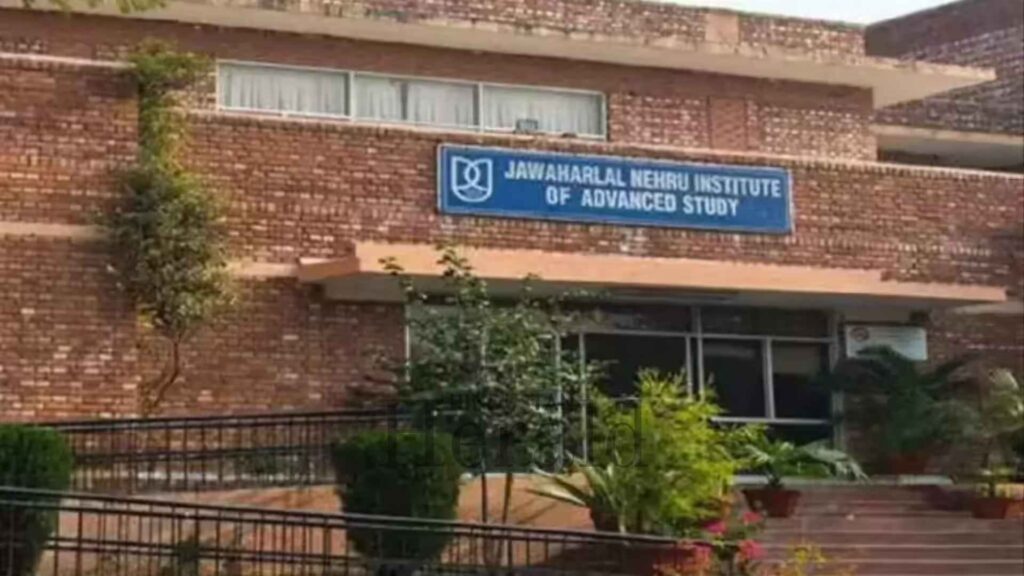
For years, it has been a space where students argue loudly, protest openly, and question authority without fear. Supporters call this its strength. Critics call it chaos.
What has changed, students say, is the patience of administrations and governments. Every slogan now becomes a headline. Every protest turns into a law-and-order issue. University officials privately admit that constant scrutiny has made them less willing to let things slide.
Caught in between are students who feel watched and administrators who feel pressured.
What Lies Ahead
Everything now depends on the police. If an FIR is registered, the students named could face long legal trouble, along with academic uncertainty. Even if the police decide not to act, the university’s internal process could still alter lives.
For now, JNU waits. Again. And once more, the same old question hangs in the air. In a university meant for debate, how much dissent is too much.
Stay ahead with Hindustan Herald — bringing you trusted news, sharp analysis, and stories that matter across Politics, Business, Technology, Sports, Entertainment, Lifestyle, and more.
Connect with us on Facebook, Instagram, X (Twitter), LinkedIn, YouTube, and join our Telegram community @hindustanherald for real-time updates.

Covers Indian politics, governance, and policy developments with over a decade of experience in political reporting.
- Ananya Sharma

- Ananya Sharma
- Ananya Sharma
- Ananya Sharma




 Rajiv Menon and Ananya Sharma