
 By Ayesha Khan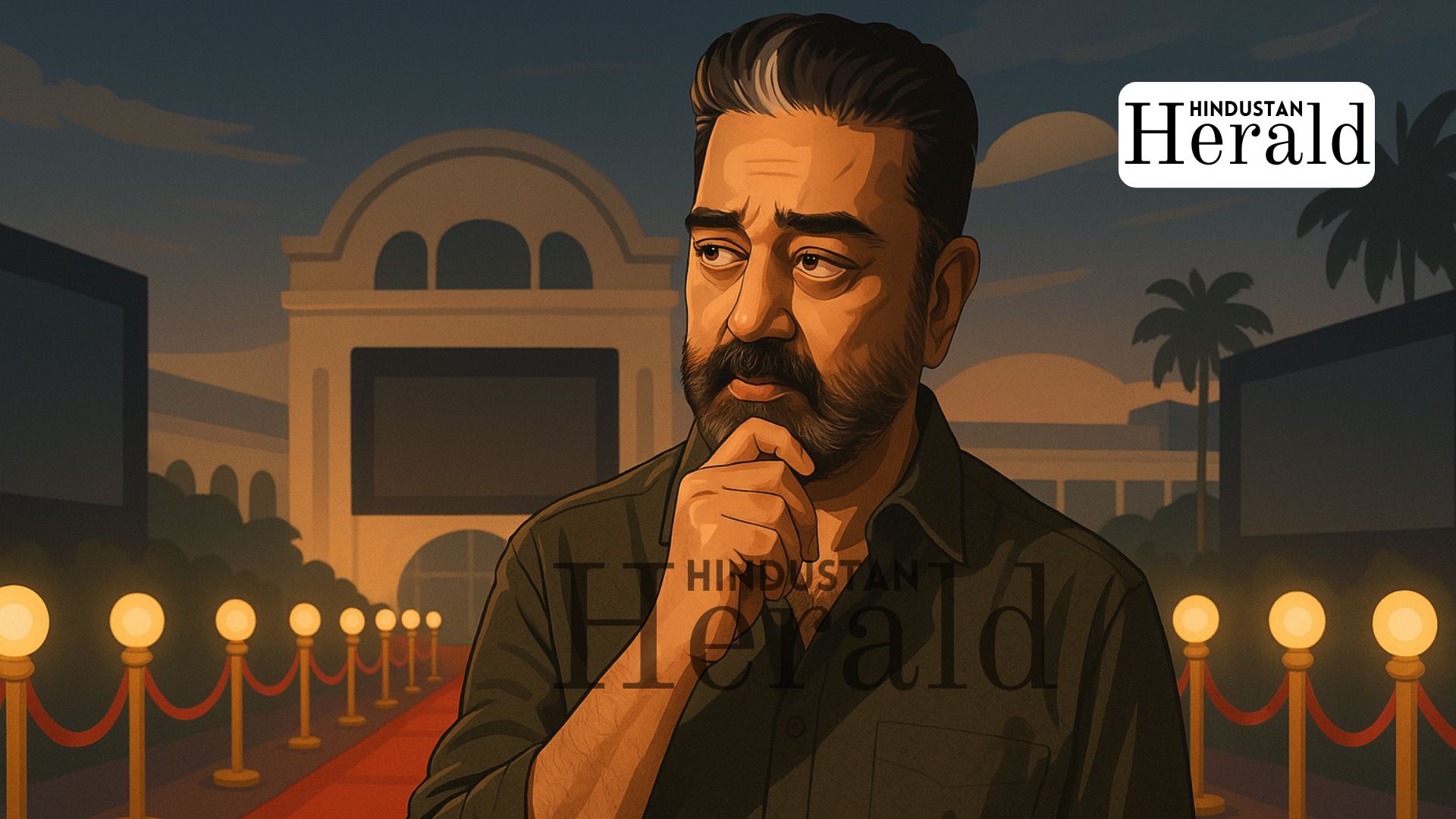
Panaji, November 21: When Kamal Haasan spoke at IFFI in Goa, it did not feel like a prepared remark. It sounded more like something that had been sitting with him for years and finally spilt over. As reported by Hindustan Times, he said that independent films are simply not finding space in theatres, and the line carried a weight that only comes from someone who has watched the industry change in almost every other way except this one.
He mentioned that this has been his frustration for roughly forty years. The candour of that admission drew a quiet response in the room. People know he is not given to casual exaggeration.
Why Indie Films Keep Losing Out
Anyone who has followed the release calendar in India knows the tilt is obvious. Most theatres still chase the comfort of big commercial releases. Films with stars, familiar studio banners, heavy promotions. That is where the certainty lies for exhibitors. Smaller films, even when they are good, arrive without those tools.
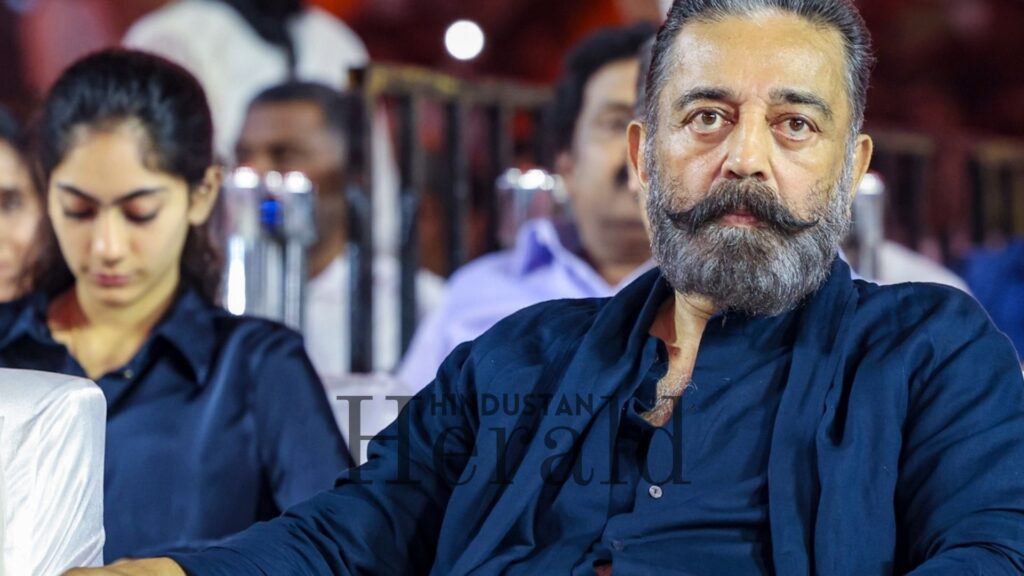
The result is predictable. A narrow release window, odd show timings, and vanishing screens within a week. Many indie directors say they have learned to lower expectations before they even complete the final cut.
Haasan’s irritation is rooted here. If such films cannot breathe inside India’s own theatres, then the argument that audiences never show up becomes a self-fulfilling prophecy.
A Larger Question Hiding Beneath The Complaint
His comment also touched a nerve because it came at a time when audiences are exploring far more varied storytelling on streaming platforms. Viewers who would not have taken a chance on an unfamiliar title in a theatre are watching these films at home, often recommending them to friends.
This shift exposes a gap. The appetite for new voices is not the problem. Access is. Theatres still operate as though only one type of film can attract crowds. That assumption keeps going unquestioned because nobody wants to risk their weekend revenue.
Haasan, by bringing this up at a festival packed with industry professionals, was pressing the point gently but firmly. The system is stuck, and it is affecting the cultural mix audiences get to see.
The Irony Of Saying It At IFFI
IFFI is where independent films shine. It is where they find audiences who are curious and patient. So there was an unmistakable irony in hearing Haasan raise the issue here.
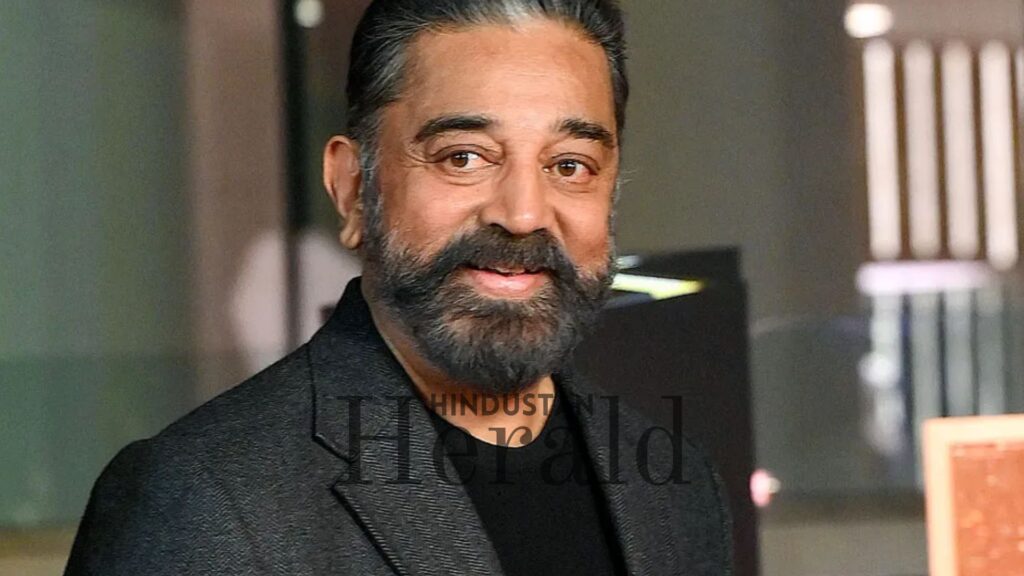
Festivals like IFFI cheer for the very films that struggle once they leave the festival compound. The applause inside the hall rarely translates to screen space outside it. According to Hindustan Times, there was no official reaction from theatre chains or distributors after Haasan’s comment. If anything, that silence reflected how deeply wedged this problem is.
The Myth Of Market Demand
Exhibitors often claim there is no demand for indie cinema. However, it is challenging to measure demand when the films receive barely any exposure. If a film is screened at 10 pm in a far-off mall for only three days, the turnout will naturally be low.
Streaming numbers tell another story. Viewers do click on unfamiliar titles. They experiment when the pressure of a ticket price and limited showtimes is removed. Haasan’s dissatisfaction hints at this mismatch between what theatres assume and what audiences are actually willing to try.
What We Lose When Indie Films Have No Space
Beyond business, there is the cultural cost. India’s film culture is diverse and uneven, yet full of unexpected brilliance. When the spotlight narrows to only the most commercial titles, that diversity fades. A generation of technicians, actors and writers often starts on small-budget sets. Those early experiments are where new ideas are tried.
Haasan has been around long enough to know how essential that space is. His tone at IFFI suggested he had watched the consequences accumulate over time. Fewer risks. Fewer surprises. Fewer stories come from the edges of the country rather than its established centres.
What Could Help, If Anyone Listens
No solution is perfect, but the industry does have options. Limited weekly slots for indie films, curated runs in smaller cities, or festival-backed theatrical circuits have all been discussed quietly for years. These are not radical ideas. They only require exhibitors to step away from old habits.

Still, the film business leans heavily on predictability. Exhibitors prefer chalk over chance. That is the barrier Haasan’s comment was trying to prod, hoping perhaps that someone in the room was willing to rethink the model.
What His Remark Leaves Behind
Haasan’s statement was short, almost offhand, but it carried the weight of long memory. Independent filmmakers know exactly what he is talking about. Many of them have worked on films that never reached the audience they imagined while making them.
His message at IFFI did not pretend to offer a fix. Instead, it served as a reminder that the imbalance is real and that ignoring it will not make it go away.
For now, the question remains the same one he posed through his frustration. If theatres cannot make space for smaller films, what does that say about the kind of cinema India wants to champion in the long run?
Stay ahead with Hindustan Herald — bringing you trusted news, sharp analysis, and stories that matter across Politics, Business, Technology, Sports, Entertainment, Lifestyle, and more.
Connect with us on Facebook, Instagram, X (Twitter), LinkedIn, YouTube, and join our Telegram community @hindustanherald for real-time updates.

Covers films, television, streaming, and celebrity culture with a focus on storytelling trends.
- Ayesha Khan

- Ayesha Khan
- Ayesha Khan
- Ayesha Khan