
 By Ananya Sharma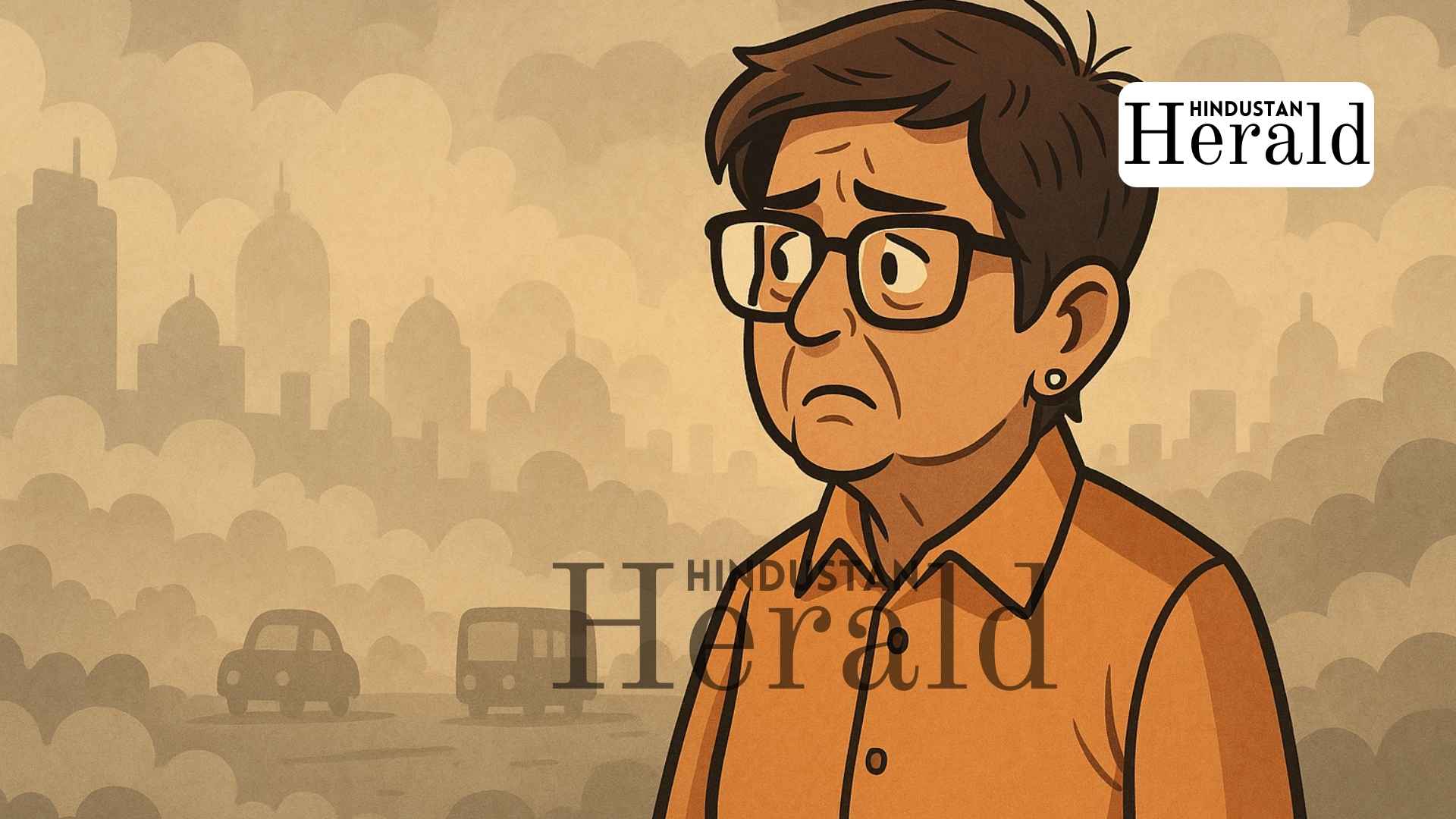
New Delhi, November 30: The air in Delhi has been foul for weeks, but the pitch of public frustration rose sharply after Kiran Bedi began posting a string of pointed messages on X, urging the central government to stop treating the crisis like an annual inconvenience. Her tone has been unusually direct. At moments, even exasperated. And it has sparked a conversation that many in power had been content to sidestep this season.
A White Paper, And A Hard Look At Who Slipped Up
According to Mint, Bedi is demanding a White Paper that spells out who let Delhi’s pollution drift to this year’s hazardous levels. It is a request that hits at the heart of a long-standing political discomfort. A White Paper would mean naming agencies across Delhi, Haryana, Uttar Pradesh, and Punjab that failed to enforce the rules everyone already knows by heart.
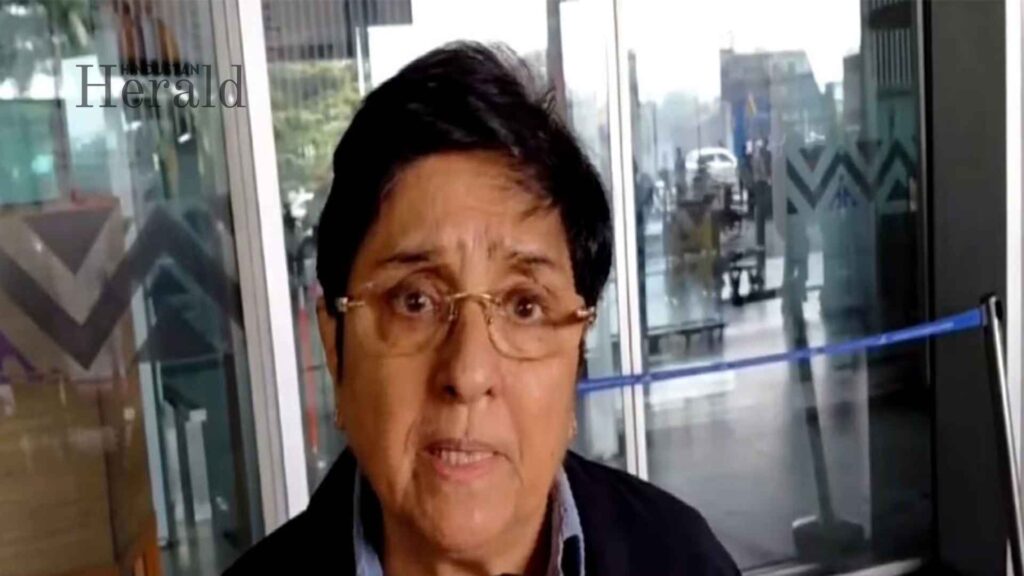
There is an undercurrent to her demand. This is not a call for another oversight committee or a new round of advisories. Bedi wants a public document that accounts for the last decade of worsening air, identifies the cracks in coordination, and sets a clock ticking on corrective measures. It is rare to see a former senior administrator call for such a blunt assessment of the system she once served.
Taking On Bureaucratic Comfort Zones
In an interview quoted by The Patriot, Bedi pushed for what she described as a “feet on ground” approach. She wants officers in the field, not just at their desks. She wants them walking through polluted streets, checking hotspots, meeting residents, and seeing the damage for themselves. It is a strikingly old-school idea, delivered at a time when governance is increasingly run through dashboards and remote reporting.
She also suggested something that rattled officialdom. As reported by the Hindustan Times, Bedi wants a ban on air purifiers in government offices and official homes. Her logic is that clean air for decision-makers and toxic air for citizens cannot coexist in a fair system. If everyone is breathing the same air, the urgency to fix it cannot be ignored.
It is the kind of proposal that sparks half an hour of laughter in some corridors and a quiet tightening of jawlines in others. But it landed forcefully on social media, where residents have been waking up with headaches and coughing fits for days.
A Personal Account Cuts Through The Noise
In one of her posts on X, Bedi mentioned waking up with sneezing, a stuffy nose, and chest congestion that came with a persistent mucus cough. A small detail, but it struck a chord. People saw it as proof not only that pollution had worsened but that even those who live in relatively protected neighbourhoods were no longer immune.
These personal notes matter. Air pollution debates often slide into technical jargon. AQI numbers. Particulate matter. Forecast models. By speaking about her own symptoms, Bedi nudged the discussion back to what residents feel inside their bodies every morning. It brought the crisis back to the ground level, where the lived experience of breathing Delhi’s air is becoming harsher each winter.
A Direct Appeal To The Prime Minister’s Office
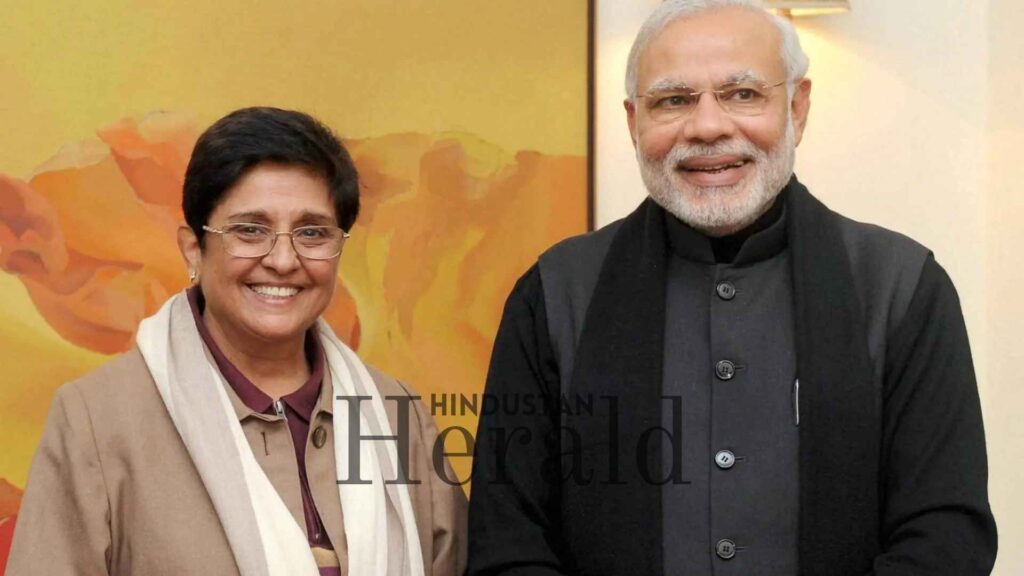
According to The Tribune and The Economic Times, Bedi has urged the Prime Minister’s Office to step in directly. She wants virtual meetings between the PMO and the Chief Ministers of neighbouring states. Her argument is simple. If pollution crosses borders, so must the solution.
For years, Delhi’s air crisis has been an annual battleground of political finger-pointing. The Delhi government blames farm fires in Punjab. Punjab blames market-driven crop cycles. Haryana blames traffic. And the Centre attempts to mediate without fully owning the issue. Bedi, in contrast, has placed responsibility squarely on the highest office, essentially saying that fragmented authority can no longer carry this burden.
A Season Of Fear And Fatigue
This year has been particularly difficult. Some areas in the NCR have touched AQI levels beyond 500, according to coverage in The Times of India. Respiratory clinics are seeing a surge in patients. Schools have been shutting intermittently. Residents describe the air as bitter, sharp, and unrelenting. Once again, familiar talk of temporary solutions has filled the news cycle.
Figures such as Suhel Seth and other public commentators have echoed similar concerns, as reported by Storyboard18. But Bedi’s voice stands out for its mix of administrative experience and personal candour. Her posts feel less like a political attack and more like an urgent plea from someone who has spent decades studying how systems fail.
Why This Intervention Matters Now
Delhi is heading into a politically significant period. With the next Lok Sabha elections around the corner, every large civic issue reverberates differently. Air pollution is too visible to ignore and too destructive to downplay. Bedi’s intervention, coming at this moment, risks putting governments on the defensive.
Still, she is not positioning herself in any electoral frame. Instead, her message is aimed at the gap between what governments announce and what residents experience. She is drawing attention to the distance between official comfort and public difficulty. And she is reminding the political class that environmental failure does not need a mandate to be treated as a crisis.
What Her Demands Could Change
If the government actually agrees to her request for a White Paper, it would mark a meaningful shift in how environmental governance is reviewed in India. A public, formal document could force agencies to admit mistakes and outline concrete steps rather than vague intentions.
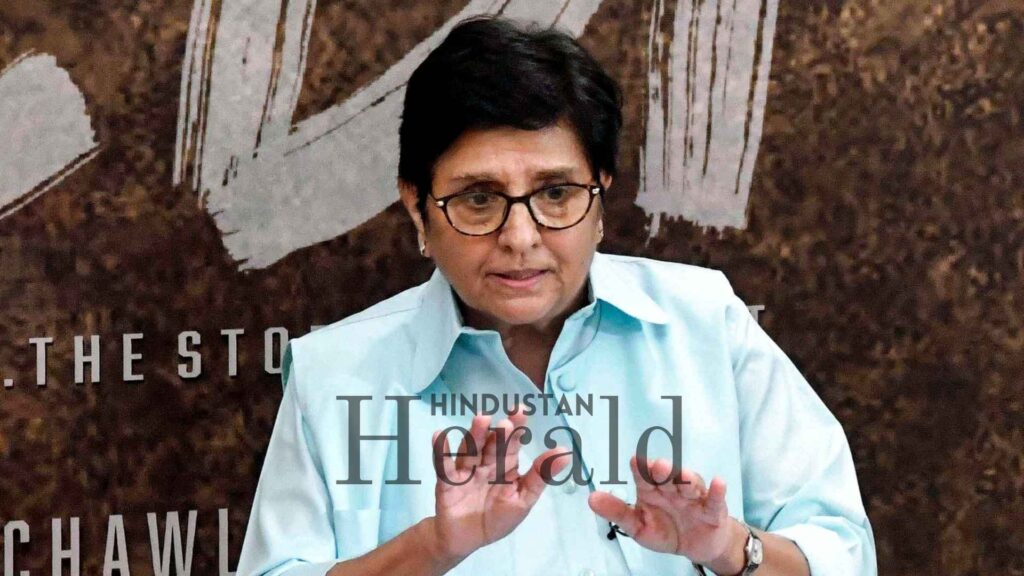
Likewise, her push for on-ground inspections might pressure local authorities to be seen on the streets rather than behind office doors. Even if the purifier-ban suggestion remains symbolic, it speaks to a broader truth. Policy cannot be divorced from experience. And Delhi’s residents are experiencing something increasingly close to a public-health disaster.
For now, Bedi’s posts have added urgency in a season when the air itself carries a quiet warning. Whether her proposals will shape policy is uncertain. But they have undeniably shaken a political environment that had begun to treat winter smog as routine.
Stay ahead with Hindustan Herald — bringing you trusted news, sharp analysis, and stories that matter across Politics, Business, Technology, Sports, Entertainment, Lifestyle, and more.
Connect with us on Facebook, Instagram, X (Twitter), LinkedIn, YouTube, and join our Telegram community @hindustanherald for real-time updates.

Covers Indian politics, governance, and policy developments with over a decade of experience in political reporting.
- Ananya Sharma

- Ananya Sharma
- Ananya Sharma
- Ananya Sharma




 Rajiv Menon and Ananya Sharma