
 By Ananya Sharma and Ayesha Khan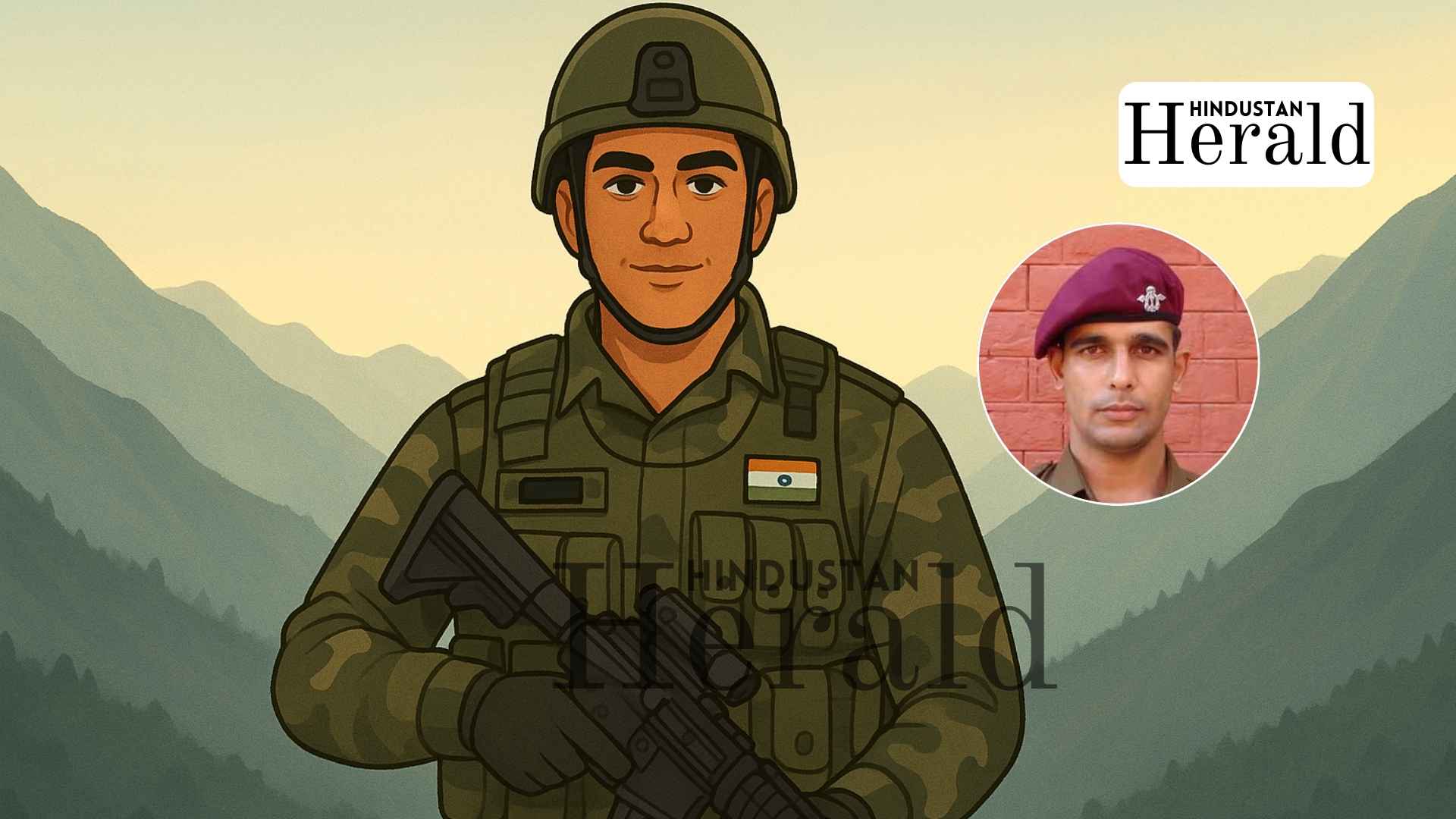
New Delhi, December 6: In the past day, Major Mohit Sharma, the highly decorated 1 Para (Special Forces) officer who was posthumously awarded the Ashok Chakra, has re-entered national discourse. As of early Friday morning, there has been no breaking development attached directly to his name. Still, the release of the Hindi film Dhurandhar and the dispute surrounding its resemblance to the late officer’s life have revived extensive media coverage and public conversation.
Why Major Sharma’s Story Is Circulating Again
According to reporting in LiveMint, fresh profiles of the officer have resurfaced today, detailing his trajectory from the National Defence Academy to his covert infiltration mission in 2004, carried out under the alias Iftikhar Bhatt. The report reiterates how his actions in Kupwara in March 2009, during a fierce encounter with militants, ultimately led to the nation’s highest peacetime gallantry honour.
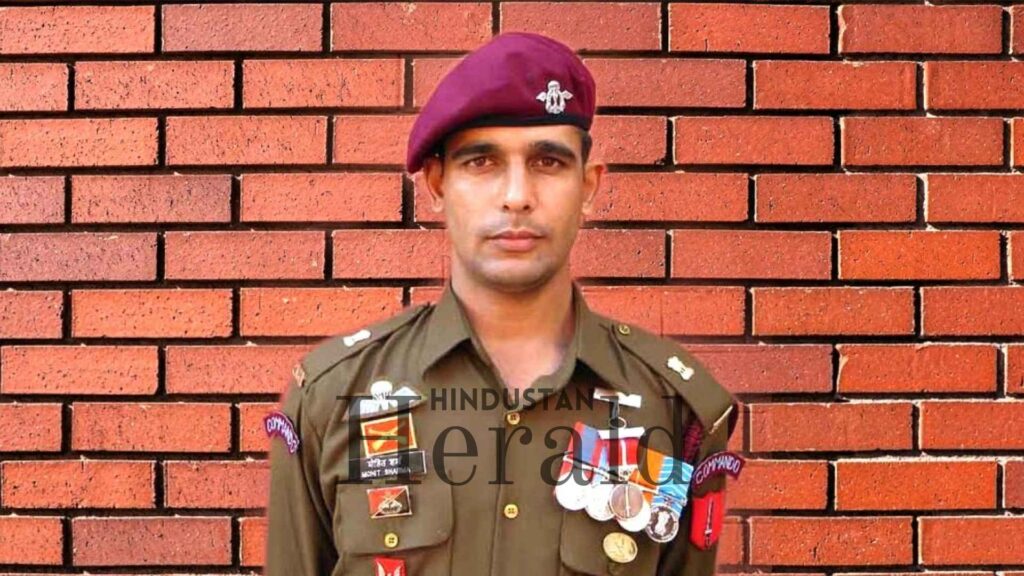
That said, these pieces are not tied to new military findings or legal proceedings. They stem from a broader cultural moment in which filmmakers, commentators and audiences are revisiting the narratives that shaped the Special Forces community in the early 2000s.
The Dhurandhar Dispute And Its Ripple Effect
As it turns out, the conversation around Dhurandhar is what has brought Major Sharma’s name back into primetime. Multiple outlets, including India.com and The Indian Express, have reported claims from the officer’s family that the film bears striking resemblance to his life, particularly its depiction of a soldier undertaking an undercover mission amid insurgency.
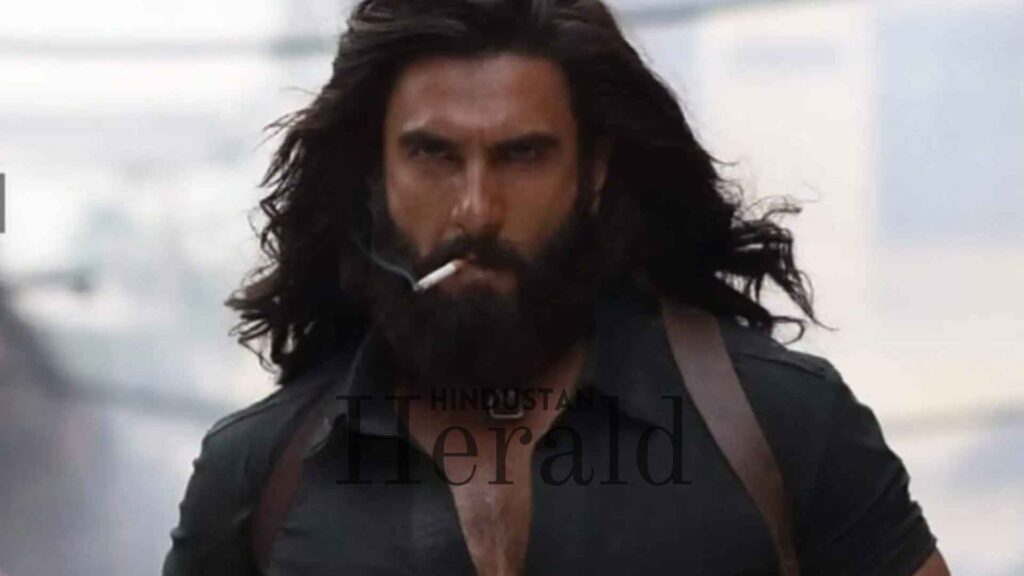
For now, the makers of the film reportedly deny any direct inspiration. But the debate has pushed newsrooms to publish contextual explainers, effectively reintroducing younger audiences to one of India’s most celebrated Special Forces officers.
Media Coverage Focuses On Legacy, Not New Developments
By Friday morning, there was no verified report in the last three hours offering new information about the officer’s legacy, legal disputes or military history. Instead, national publications are leaning into retrospective coverage.

As reported by The Economic Times, revisiting the specifics of his last operation has become a way to anchor the film controversy in documented history. The paper highlights the soldier’s reputation inside Special Forces circles, where his 2009 mission is still remembered as a benchmark of leadership, improvisation and commitment.
Still, the absence of new developments does not diminish the public pull of his story. Rather, it suggests that recurring moments in popular culture continue to serve as catalysts for renewed examination of military sacrifice.
Why His Legacy Continues To Resonate
Even without new facts emerging, Major Sharma remains a potent symbol of the post-2000 counterinsurgency era. His case has long featured in discussions around Special Forces training, infiltration tactics and India’s evolving approach to asymmetric warfare.
That said, what stands out in the latest wave of coverage is a shift from purely military framing to a more cultural one. Newspapers are now exploring how stories of elite soldiers enter mainstream entertainment and what responsibilities filmmakers hold when portraying real operations carried out under secrecy.
The Broader Picture Behind Today’s Renewed Interest
The last 24 hours of reportage signal a larger public pattern: narratives about covert missions tend to resurface whenever related cultural products hit the market. Films like Dhurandhar, even when fictionalised, often reopen debates on representation and consent, especially when families of decorated officers feel their histories are being borrowed without acknowledgement.
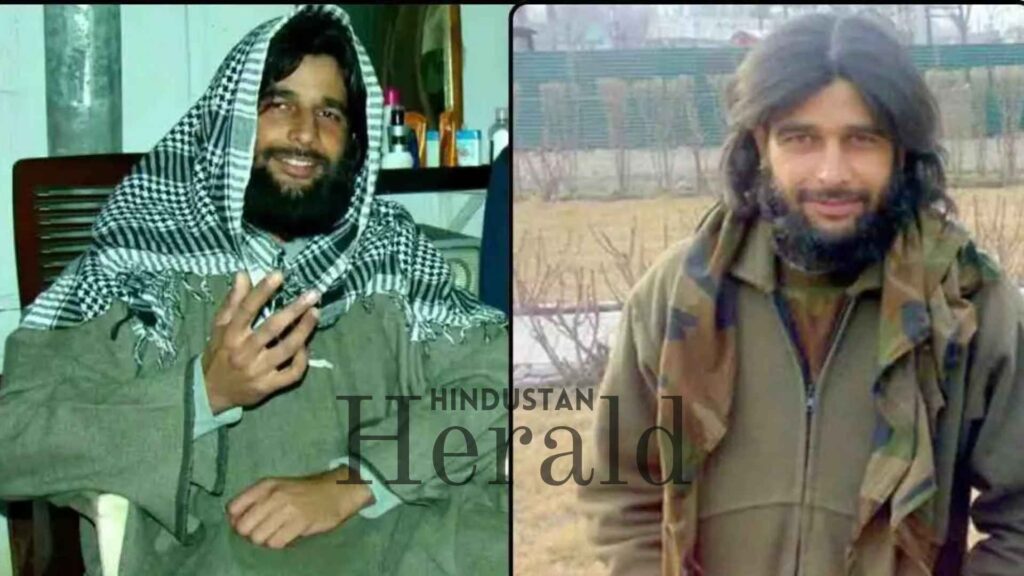
As reported in The Indian Express, the family’s concerns tie into a broader question about who gets to shape the memory of those who cannot speak for themselves. For a soldier whose identity was, by necessity, split between official operations and clandestine assignments, this question carries additional weight.
What To Expect Next
For now, there is no sign of immediate legal escalation from the family, nor any official statement from the Army responding to the renewed coverage. If the makers of Dhurandhar choose to address the controversy in greater detail, another wave of stories is likely.
Until then, the reporting surrounding Major Mohit Sharma remains firmly in the realm of legacy journalism, triggered by cultural events rather than unfolding developments. It is a reminder that in India’s public memory, stories of the Special Forces seldom fade; they simply wait for moments that bring them back into view.
Stay ahead with Hindustan Herald — bringing you trusted news, sharp analysis, and stories that matter across Politics, Business, Technology, Sports, Entertainment, Lifestyle, and more.
Connect with us on Facebook, Instagram, X (Twitter), LinkedIn, YouTube, and join our Telegram community @hindustanherald for real-time updates.

Covers Indian politics, governance, and policy developments with over a decade of experience in political reporting.
- Ananya Sharma

- Ananya Sharma
- Ananya Sharma
- Ananya Sharma



Covers films, television, streaming, and celebrity culture with a focus on storytelling trends.
- Ayesha Khan
- Ayesha Khan
- Ayesha Khan
- Ayesha Khan




 Ayesha Khan