
 By Ayesha Khan and Rajiv Menon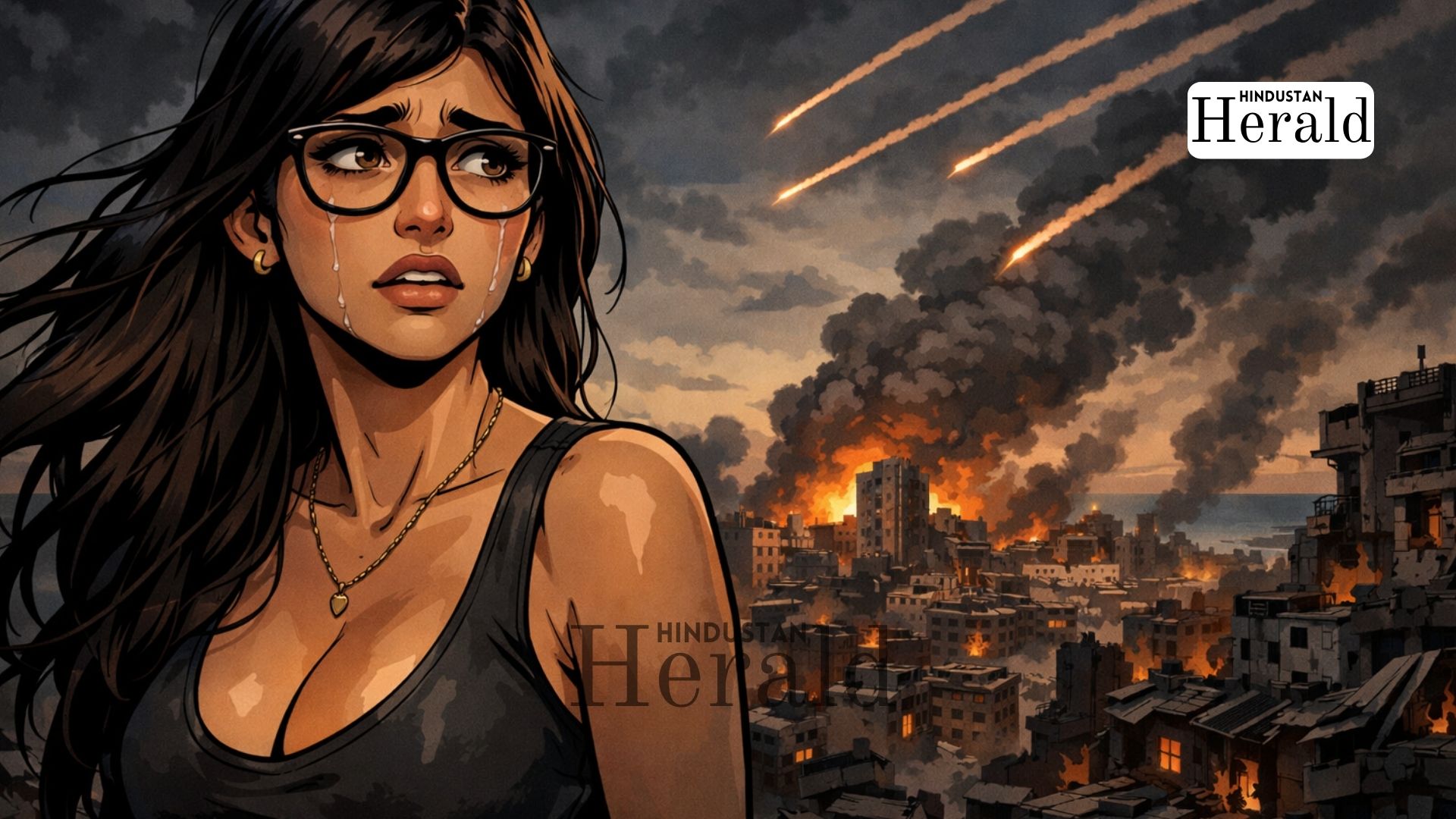
New Delhi, April 9: Nobody expected Mia Khalifa to hold it together through this one. And she didn’t.
The video that began circulating on Wednesday showed her stopping mid-sentence, not because she had run out of things to say but because too many things were piling up at once. She steadied herself. Then, they kept going. That image landed harder than a lot of the official statements coming out of Washington and Tel Aviv this week, partly because almost nothing official has landed with any honesty at all.
The Woman Behind the Outrage
Before anything else, you have to understand who is actually speaking here. Khalifa is not some celebrity who developed a geopolitical conscience after reading a few threads on X. She is Lebanese. She grew up with Israeli air raids as a fact of life. When she describes watching Lebanon get dismantled again in real time, she is not performing grief. That grief has an address.

This week, she described the situation unfolding across Iran and Lebanon as “dystopian” and “insane,” and said she often finds herself unable to generate her own words, so she reshares the voices of people with slightly more emotional distance. That admission matters. It says something about where someone is psychologically when even the act of forming sentences feels inadequate. She ended her address with a plain statement: her thoughts were with everyone in Lebanon right now. No embellishment. No call to action. Just that.
People from the diaspora knew exactly what she meant.
What Has Actually Happened Since February 28
Here is the part that gets lost in the daily news cycle, where each new strike displaces the memory of the last one.
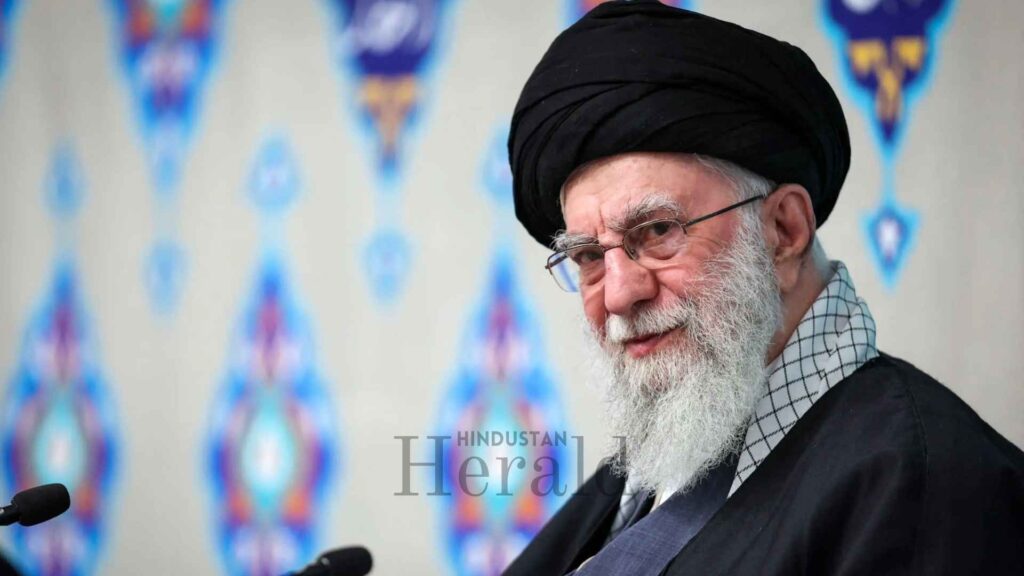
On February 28, the United States and Israel launched airstrikes on Iran, targeting military and government sites, killing Supreme Leader Ali Khamenei and several senior Iranian officials, and killing civilians in the process. Iran closed the Strait of Hormuz, fired waves of drones and ballistic missiles back at Israel and at American military bases across Bahrain, Jordan, Kuwait, Qatar, Saudi Arabia, and the UAE, and the whole thing became a war that nobody seems to have had a clean plan for.
Forty days later, the numbers being tracked across verified sources are these: over 2,000 dead in Iran, at least 26 in Israel, 13 American soldiers killed, and 28 dead across Gulf states. That is the confirmed floor, not the ceiling. According to the Iranian Red Crescent Society, 65 schools and 32 medical facilities have been struck since the war started. More than 10,000 civilian sites have sustained damage. Early in the war, a strike hit an elementary school and killed roughly 170 children. This week, Iranian officials said a major university was bombed. The US and Israel maintain that they do not deliberately target civilians.
Those two things exist simultaneously, and you are allowed to hold both of them with skepticism.
Lebanon Is Its Own Catastrophe
Running alongside the Iran campaign, Israel has been fighting Hezbollah in Lebanon, and that conflict has now produced its own staggering toll. More than 1,400 people, fighters and civilians both, had been killed by early April.
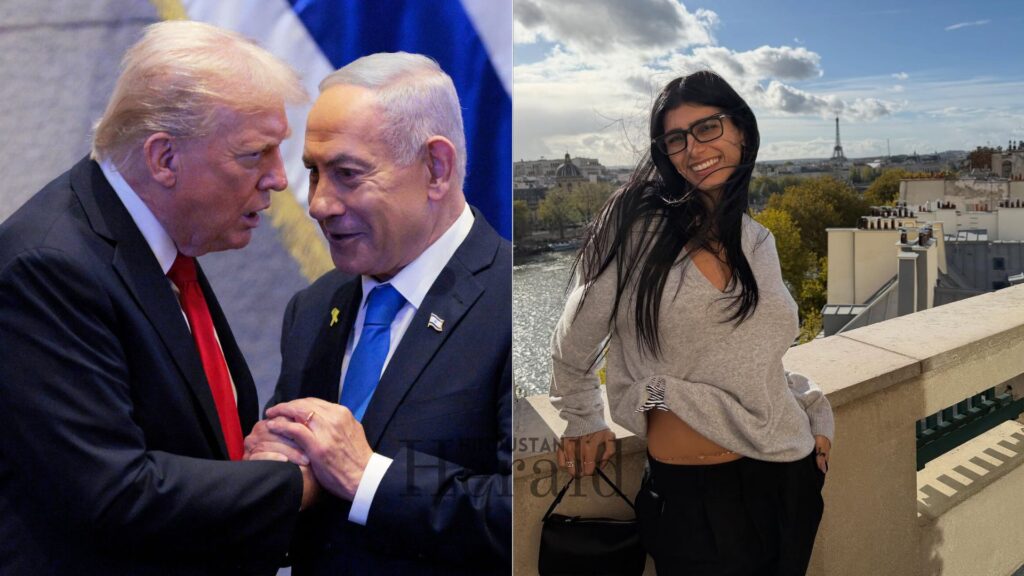
Then came Wednesday. Hours after the US and Iran announced a ceasefire, Israel carried out what it described as its largest strikes on Lebanon since the war began, hitting multiple neighbourhoods in central Beirut during morning rush hour. Lebanese civil defence reported over 250 killed and more than 1,160 wounded in a single day. The Israeli military explained that Hezbollah had been dispersing across civilian areas and using evacuation warnings to hide its operations. That may be factually accurate and still not answer the question of why morning rush hour in a capital city was the chosen moment.
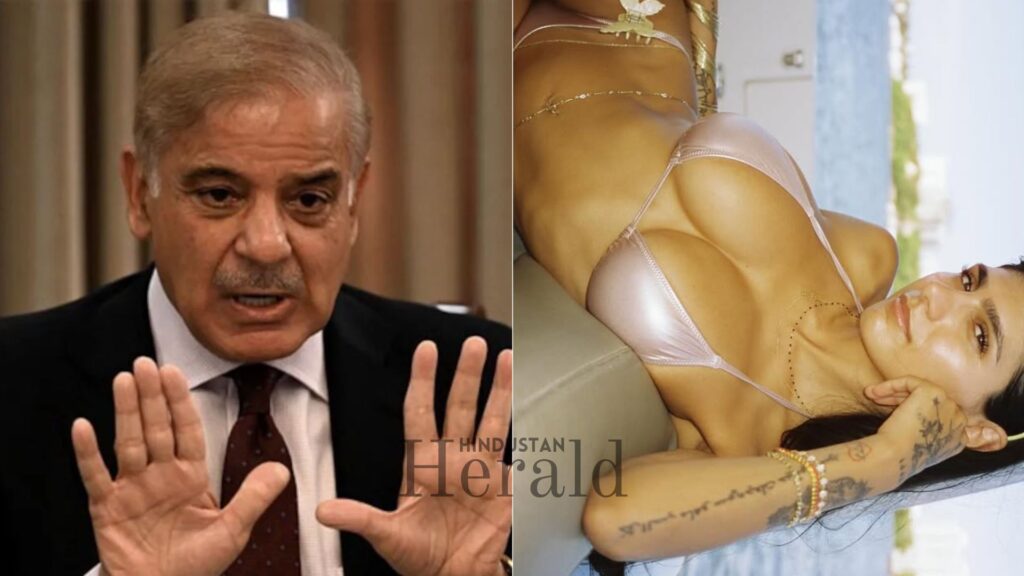
Prime Minister Benjamin Netanyahu stated plainly that the ceasefire with Iran does not apply to Lebanon. This directly contradicted what Pakistani Prime Minister Shehbaz Sharif had announced when he brokered the agreement, which specifically included Lebanon in its terms. Hezbollah said it would not be bound by anything if Israel kept striking. Iran threatened further retaliation. Lebanon’s government called what happened a war crime.
That is where things stood on the first day of the ceasefire.
The Ceasefire Itself Is Already Wobbling
On April 8, the United States and Iran formally agreed to a two-week pause in fighting, brokered through Pakistan. Iran had rejected an earlier 45-day framework and came back with its own 10-point plan that includes full sanctions relief and the withdrawal of all American forces from the region. Donald Trump called it a “workable basis on which to negotiate.” He later described it as fraudulent. These two statements were made within the same news cycle.
The next round of talks is scheduled for Islamabad on April 10, with delegations from both sides expected to sit down under Pakistani mediation. Iran expert Trita Parsi noted this week that while the talks could still fall apart, something has shifted, the credibility of American military pressure having taken a hit after forty days of strikes that did not produce the submission Trump had promised.
Netanyahu, for his part, told the world that the ceasefire is “a stop on the way to achieving all of our objectives,” which will be reached “either by agreement, or by resuming the fighting.” Iran accused the US of ceasefire violations within hours of the agreement taking effect. Gulf states reported intercepting Iranian missiles throughout Wednesday.
For now, the two weeks hold. Technically.
Mia Khalifa’s Record on All of This
She has been saying versions of the same thing for years, and the consistency matters.

When reports emerged that a girls’ school in Iran was hit by US-Israel strikes, killing dozens of children, Khalifa went immediately to social media and named it. American and Israeli officials did not comment on those specific figures. When Spain announced it would not allow American forces to use Spanish military bases for operations against Iran, she posted that she was playing music by Spanish artist Bad Gyal, because “Spain didn’t let Netanyahu land on their soil.” When the World Central Kitchen aid workers were killed in Gaza last year, she described the Israeli military as having hunted their convoy across a mile and a half before the final strike landed.
That is not someone chasing attention. That is someone who has been paying the same attention for a long time and has stopped caring about the professional consequences. Playboy dropped her in 2023 after her Gaza statements. She lost other commercial relationships. She kept posting.
The Numbers That Travel Beyond the Headlines
The Strait of Hormuz closure sent oil prices above $109 per barrel, a jump of more than 50 percent since the war started. The International Energy Agency called it the largest oil supply shock in recorded history. When the ceasefire was announced Tuesday, Brent crude fell 13 percent and American markets rallied on the news.
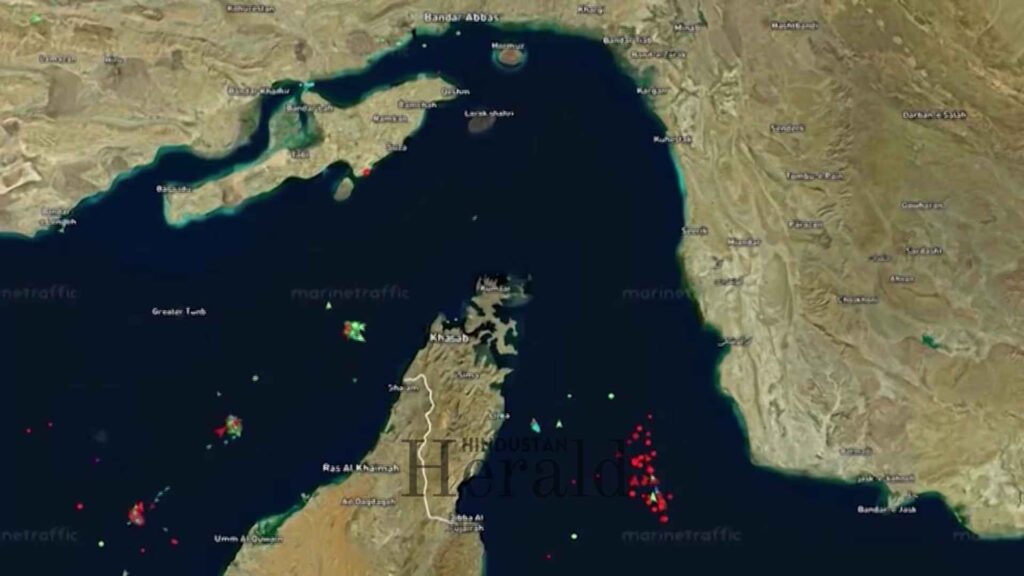
That whipsaw tells you something important. This conflict has not been contained to the countries doing the fighting. India, which depends on Gulf oil routes and has roughly nine million workers in the affected region, has been absorbing these shocks in direct and immediate ways. The cost of fuel, the disruption of remittances, the closed airspace, all of it moves.
Where This Goes
Nobody knows. That is the honest answer.
The Islamabad talks start Friday. Netanyahu has already told you the ceasefire is temporary. Iran has already accused Washington of violating it. Israel is still striking Lebanon. Hezbollah is watching what happens next before deciding what it owes anyone. The civilian death toll in Iran, Lebanon, and across the Gulf continues to climb even as diplomats fly toward Pakistan to talk.
And somewhere in all of this, Mia Khalifa pressed record, said what she had to say, and broke down in the middle of it. She is not a policy analyst. She does not have a solution. She is a woman from Lebanon watching her homeland get hit again, alongside a country she has been vocal about for years, and she ran out of the composure it takes to stay calm about it.
That is, it turns out, a perfectly human response to an inhuman situation.
Stay ahead with Hindustan Herald — bringing you trusted news, sharp analysis, and stories that matter across Politics, Business, Technology, Sports, Entertainment, Lifestyle, and more.
Connect with us on Facebook, Instagram, X (Twitter), LinkedIn, YouTube, and join our Telegram community @hindustanherald for real-time updates.

Covers films, television, streaming, and celebrity culture with a focus on storytelling trends.
- Ayesha Khan

- Ayesha Khan
- Ayesha Khan
- Ayesha Khan




Specializes in South Asian geopolitics and global diplomacy, bringing in-depth analysis on international relations.
- Rajiv Menon
- Rajiv Menon
- Rajiv Menon
- Rajiv Menon



 Arun Upadhayay
  Rajiv Menon