
 By Rajiv Menon and Ananya Sharma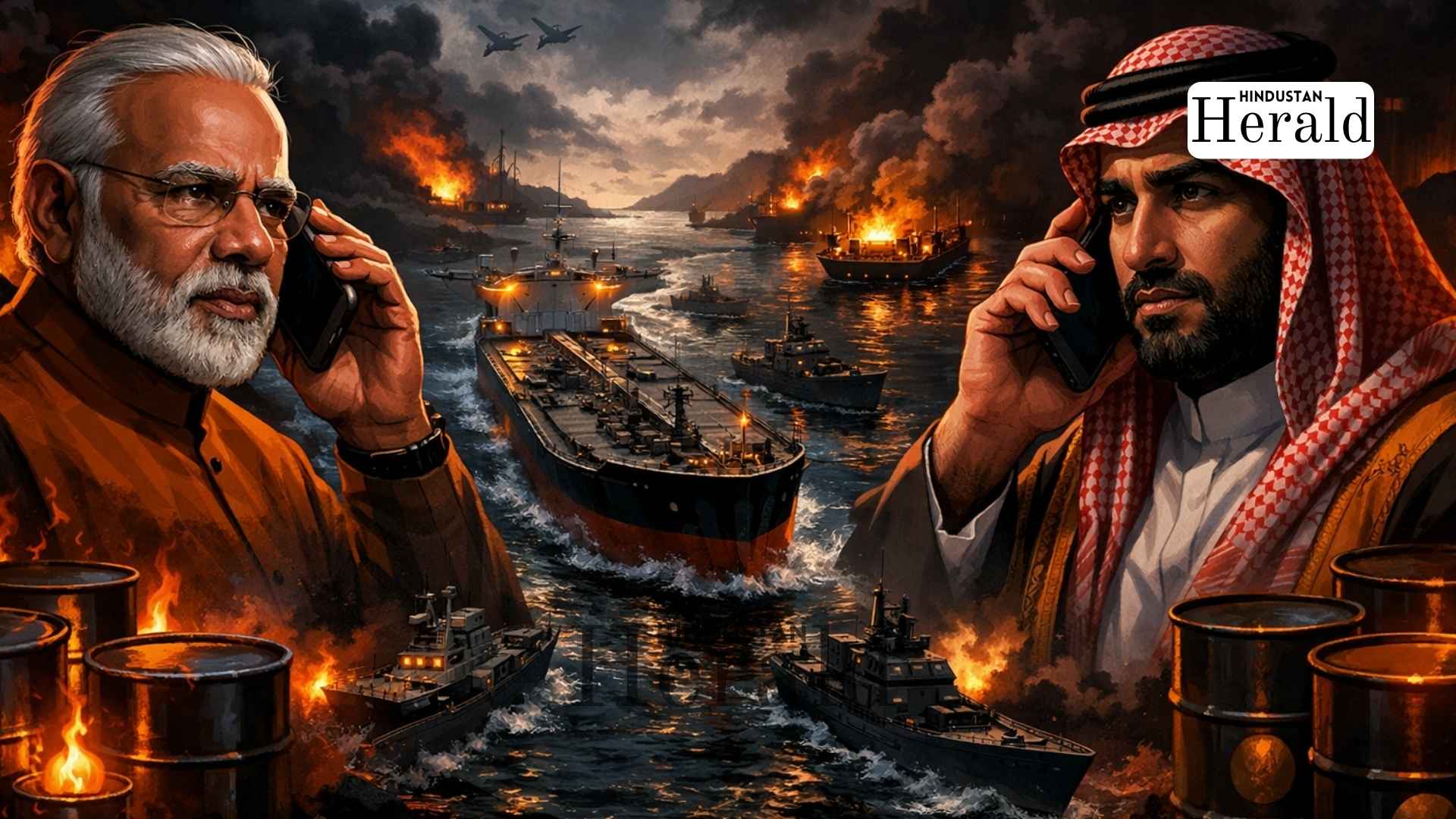
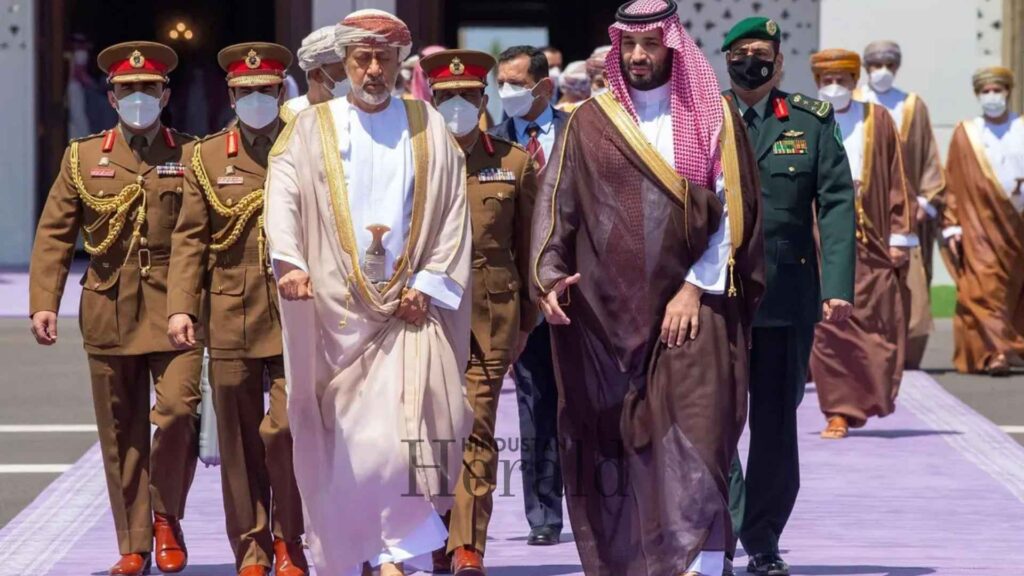
New Delhi, March 28: There is something almost routine about it now, a phone call from South Block to Riyadh, careful words exchanged, a post on X, and the world moves on. But Saturday’s conversation between Prime Minister Narendra Modi and Saudi Crown Prince Mohammed bin Salman was anything but routine. It was, in its own way, a small act of survival diplomacy conducted quietly, amid the noise of a region that has been burning for exactly a month.
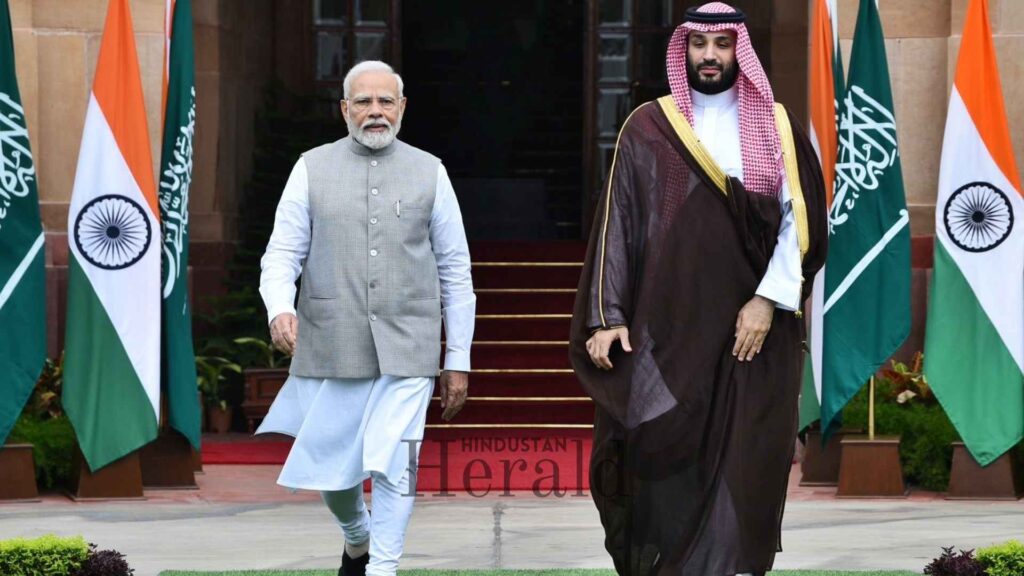
Modi told MBS that India continues to condemn attacks on regional energy infrastructure, that both sides agreed on the need to ensure freedom of navigation, and that shipping lines must be kept open and secure. He also thanked the Crown Prince for looking after the Indian community in the Kingdom. Brief, measured, official. But read it against the backdrop of what is actually happening in the Persian Gulf right now, and every word carries weight.
A Waterway on the Brink
The Strait of Hormuz has effectively stopped functioning as the world knew it.
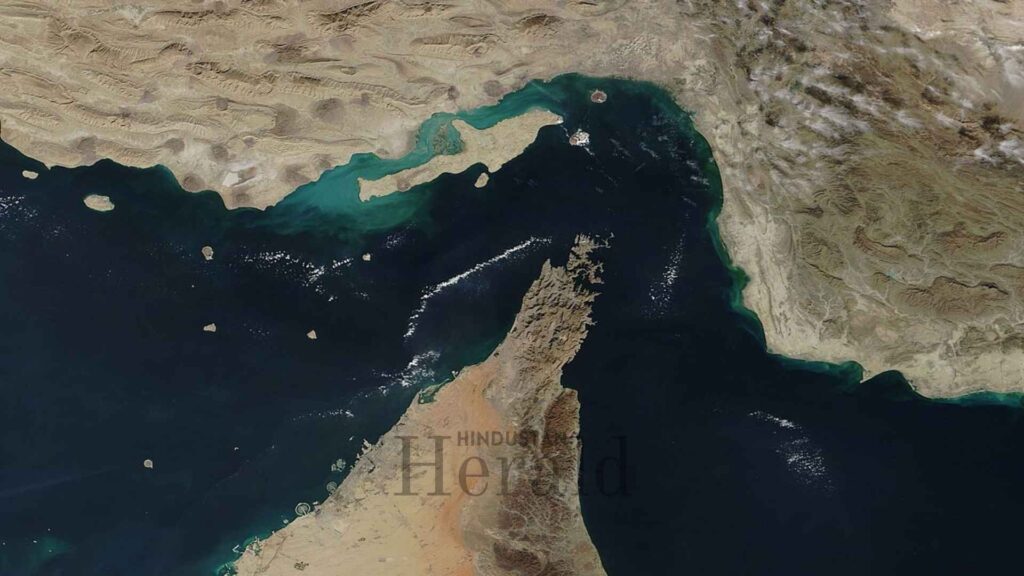
Roughly 20 percent of the world’s oil and natural gas once flowed through this narrow passage without much drama. Since the conflict broke out, normalcy is gone. Brent crude surged 10 to 13 percent in early trading alone, and analysts began warning of $100-per-barrel oil if the situation held. It did hold. By March 8, Brent crude crossed $100 per barrel for the first time in four years, eventually peaking at $126. What is unfolding has been described by people who measure these things carefully as the largest disruption to global energy supply since the oil shocks of the 1970s.
Iran controls the Strait. The IRGC Navy has declared that vessels travelling to or from ports of the United States, Israel, and their allies are prohibited from passing through. In practice, that has turned the world’s single most important energy chokepoint into a maze of exceptions, bribes, and back-channel permissions. One ship reportedly paid $2 million just to use Iran’s alternative shipping channel. On March 26, Malaysia announced that Iran had permitted its ships to pass. A Pakistani oil tanker crossed on March 16 with Iranian permission. Every transit is now a negotiation.
What This Means for India
India consumes roughly 5.5 million barrels of crude oil every day and produces almost none of what it needs. Around 88 percent of the country’s crude oil requirements are met through imports. Of that, somewhere between 50 and 53 percent originates from Iraq, Saudi Arabia, the UAE, Kuwait, and Qatar, all of which ship through Hormuz.
The numbers can feel abstract until you trace them down to the household level. India imports around 60 percent of its LPG requirements. Supply stress is already beginning to show. And then there is agriculture, nearly 60 percent of the country’s ammonia, a key fertilizer input, comes from Saudi Arabia and Oman. When energy prices move, farm input costs follow, food inflation climbs, and that feeds into growth numbers. As PwC India’s Arnab Basu put it plainly to Business Today, “the biggest issue staring at India is agriculture and its exposure to oil shocks.”
By March 11, the price of the Indian crude basket had reached $113.57 per barrel, a number that would have seemed alarming even at the start of this fiscal year.
The government has not been passive. A 24-hour monitoring system has been set up to track vessel movements. A 24×7 control room is monitoring petroleum stocks and fuel availability across the country. On March 11, central government authorities stated that inventories of petrol, diesel, and aviation turbine fuel remain sufficient to manage short-term disruptions. The reassurances are real, but so is the underlying pressure.
The Pivot to Russia
With Gulf supply routes partially cut, Indian refiners did what refiners do under pressure: they went where the oil was available and affordable.
In the first 25 days of March, India’s oil imports from Russia surged 82.3 percent compared to February levels, reaching 1.9 million barrels per day. Russia’s share in India’s oil import basket jumped from 20.1 percent in February to 45.2 percent through March. That is a remarkable swing in a short time, and it tells you something about how acute the supply anxiety has become inside Indian refineries.
The politics around this pivot are complicated. The Trump administration had earlier slapped a 25 percent penalty tariff on Indian exports specifically because of Russian crude purchases, though that penalty was later withdrawn. More recently, the US Treasury Department authorized the sale of Russian oil to India for a period of 30 days, an acknowledgement that Washington itself needed Indian refineries to stay functional.
That 30-day window says a lot about where American priorities actually sit right now.
What India Has Managed to Extract
India’s diplomatic approach through this crisis has been consistent: stay in contact with everyone, extract concrete guarantees where possible, and avoid being boxed into a side. It has, so far, produced results that most Western-aligned countries cannot claim.
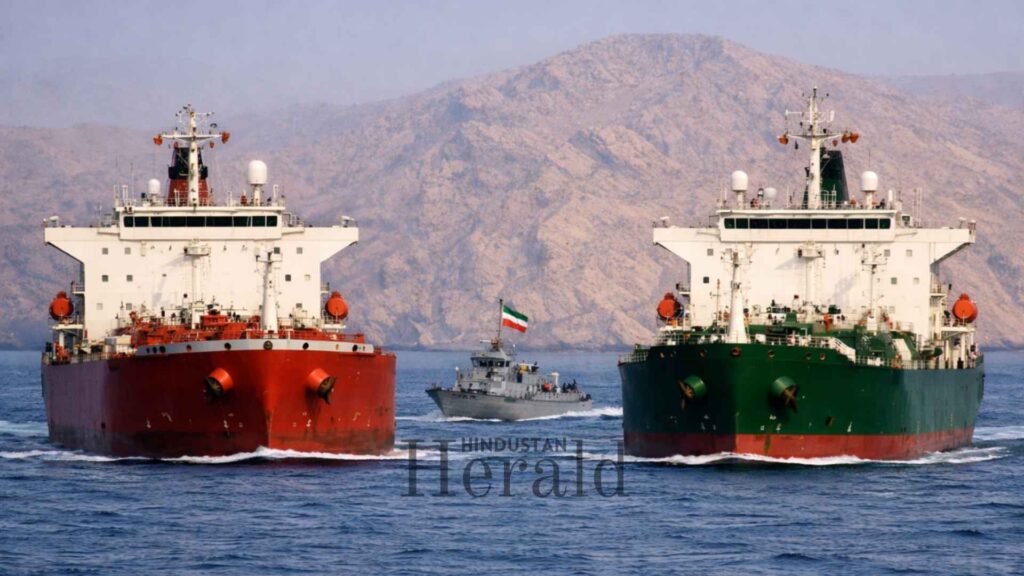
Several LPG carriers and oil tankers have safely reached India via the Strait of Hormuz since the conflict began. Carriers Shivalik, Nanda Devi, Pine Gas, and Jag Vasant have made it through, with Iranian authorities describing the safe passage as a goodwill gesture reflecting the historical relationship between the two countries. When American and European-flagged vessels are being turned back or targeted, Indian ships are getting through because New Delhi has maintained a working channel with Tehran that most governments have burned.
As of March 11, 28 Indian-flagged vessels were operating in the region with 778 Indian seafarers onboard. Those are not abstractions. Those are people, families, careers, and cargo all moving through a war zone on the strength of India’s diplomatic credibility.
Why the Call to Riyadh Matters
Saudi Arabia and India have been drawing closer for years, and this crisis has made the relationship feel genuinely strategic rather than transactional. Saturday’s call was the second between Modi and MBS since the conflict began on February 28. The pace signals something: New Delhi is treating Riyadh as a partner in managing this crisis, not just a supplier to be called when prices spike.
The nearly 4 million Indians living in Saudi Arabia give the relationship a human dimension that oil contracts alone do not capture. Modi’s specific mention of their welfare in his post-call statement was not diplomatic boilerplate. The Indian diaspora in the Gulf is exposed to the same insecurity as everyone else in the region, and New Delhi cannot afford to treat their safety as secondary.
The timing of Saturday’s call also matters. The same day, Iran claimed it had struck two US Army positions in Dubai, further tightening the security environment across the Gulf. Against that backdrop, a call between the leaders of India and Saudi Arabia, both of whom have deep interests in keeping the Gulf commercially viable, was not just diplomatic protocol. It was two countries trying to hold the floor together while the ceiling came down around them.
A Week of Intense Diplomacy
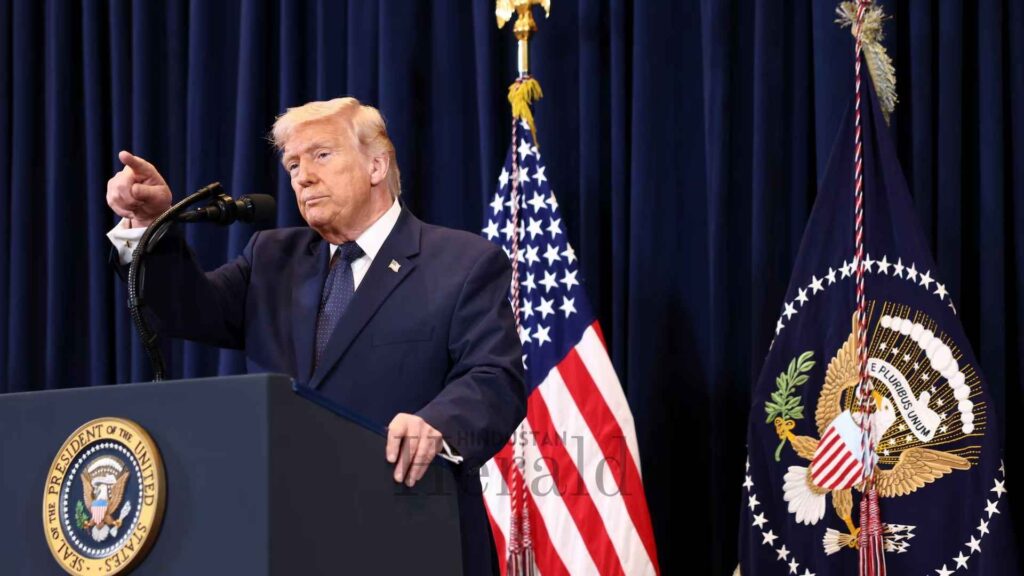
The Modi-MBS call capped a week of unusually dense engagement. On March 24, Modi spoke with US President Donald Trump. Modi stated that India supports de-escalation and the restoration of peace at the earliest, and that ensuring the Strait of Hormuz remains open, secure, and accessible is essential for the whole world. That call had a curious footnote: as per a New York Times report, Elon Musk was also present on the call, though it remains unclear why he participated or whether he spoke at all. His companies have received substantial investment from Gulf sovereign wealth funds, including those of Saudi Arabia and Qatar.
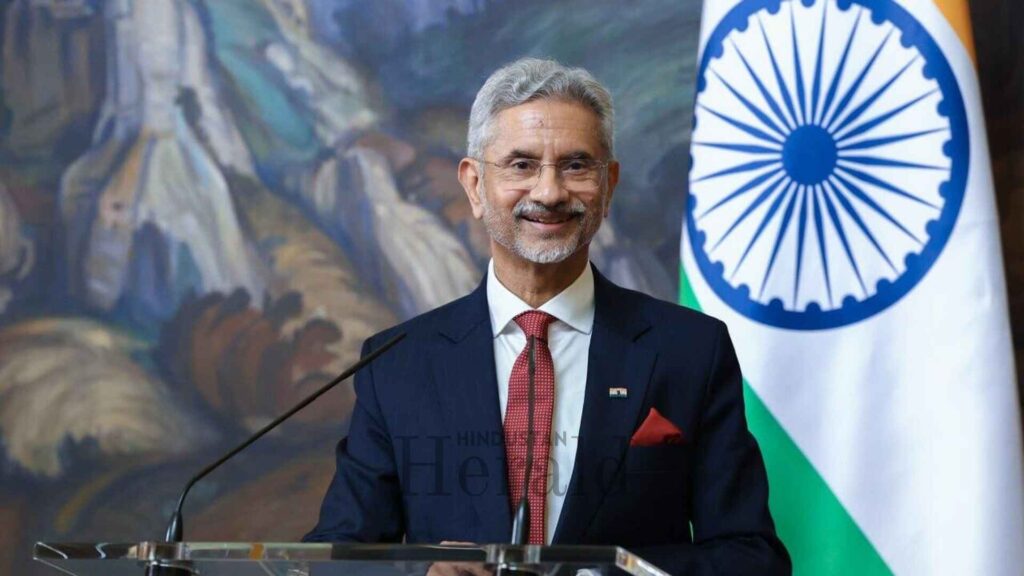
On March 27, External Affairs Minister S. Jaishankar met his Saudi counterpart on the margins of the G7 Foreign Ministers’ meeting. Less than 24 hours later, Modi was on the phone with MBS himself. That sequencing was not accidental. The ground had been laid.
The Logic of Non-Alignment Under Pressure
India’s position through all of this has drawn some criticism from those who argue New Delhi should more clearly condemn Iran, and from others who say India is too accommodating of Western preferences. What the government has actually done is something more pragmatic: use every relationship it has, simultaneously, to keep energy flowing and Indians safe.
The architecture of that approach is visible in the list of leaders Modi has spoken with since February 28. He has called counterparts in the UAE, Qatar, Bahrain, Kuwait, Jordan, Iran, France, Israel, Malaysia, and now Saudi Arabia twice. That is not fence-sitting. That is a deliberate attempt to remain useful to all parties, which in turn keeps India’s own options open.
For now, it is working. Whether it can hold through another month of this conflict, with crude above $100, with Gulf supply routes unstable, and with a diaspora of millions watching anxiously from within the blast radius, is the question that no phone call, however carefully worded, can fully answer.
Stay ahead with Hindustan Herald — bringing you trusted news, sharp analysis, and stories that matter across Politics, Business, Technology, Sports, Entertainment, Lifestyle, and more.
Connect with us on Facebook, Instagram, X (Twitter), LinkedIn, YouTube, and join our Telegram community @hindustanherald for real-time updates.

Specializes in South Asian geopolitics and global diplomacy, bringing in-depth analysis on international relations.
- Rajiv Menon

- Rajiv Menon
- Rajiv Menon
- Rajiv Menon





Covers Indian politics, governance, and policy developments with over a decade of experience in political reporting.
- Ananya Sharma
- Ananya Sharma
- Ananya Sharma
- Ananya Sharma




 Ananya Sharma