 By Ananya Sharma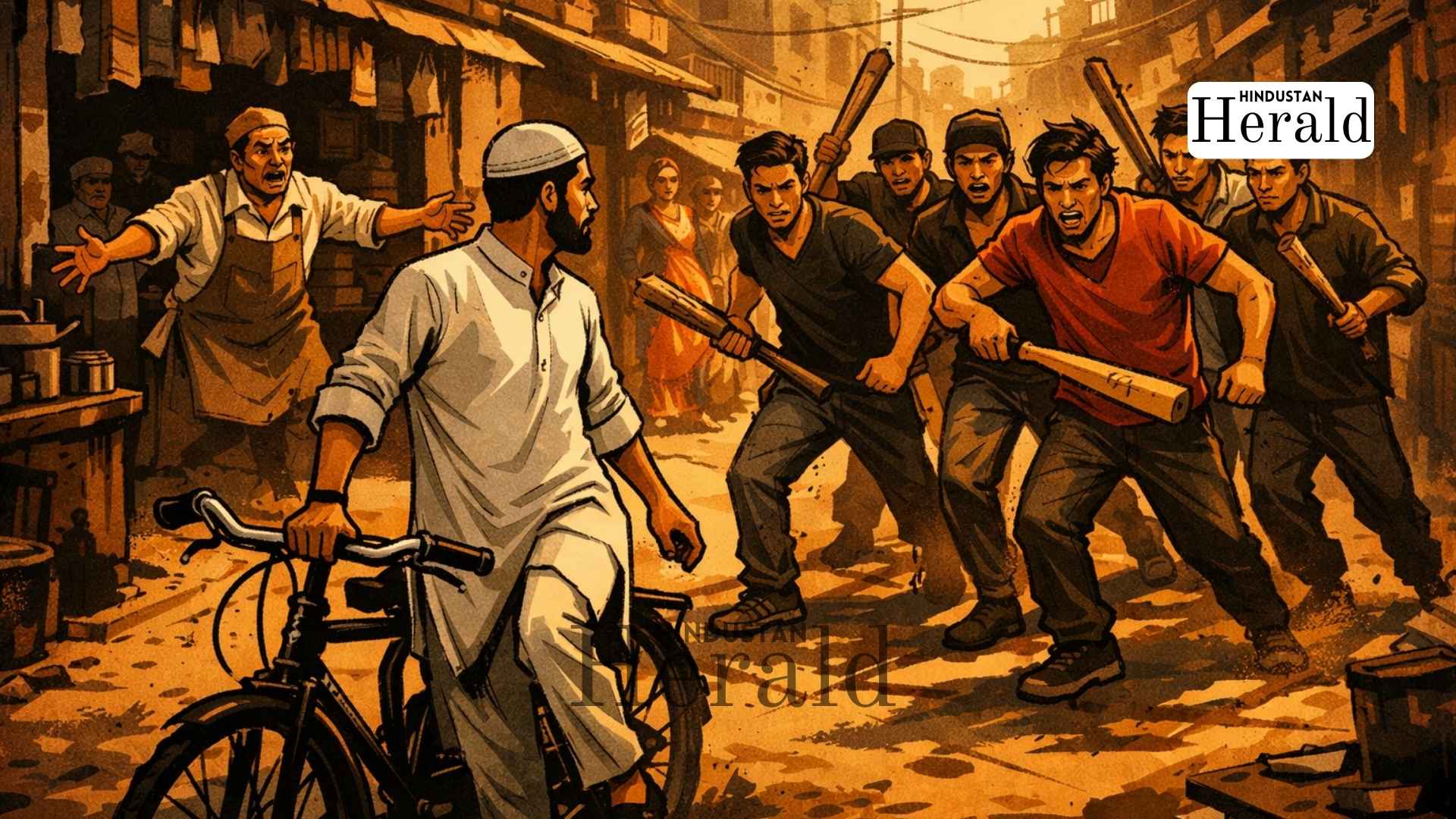
Muzaffarnagar, March 9: Sunday felt ordinary enough in Sarwat Kajiyan. The kind of afternoon where men sit outside shops, chai gets made, and the neighbourhood hums at its usual low frequency. Ramzan had started just days before. Abdul Wahab, 28, imam at the Peer Wali Mosque, had finished leading prayers and was heading home on his bike. He did not make it.
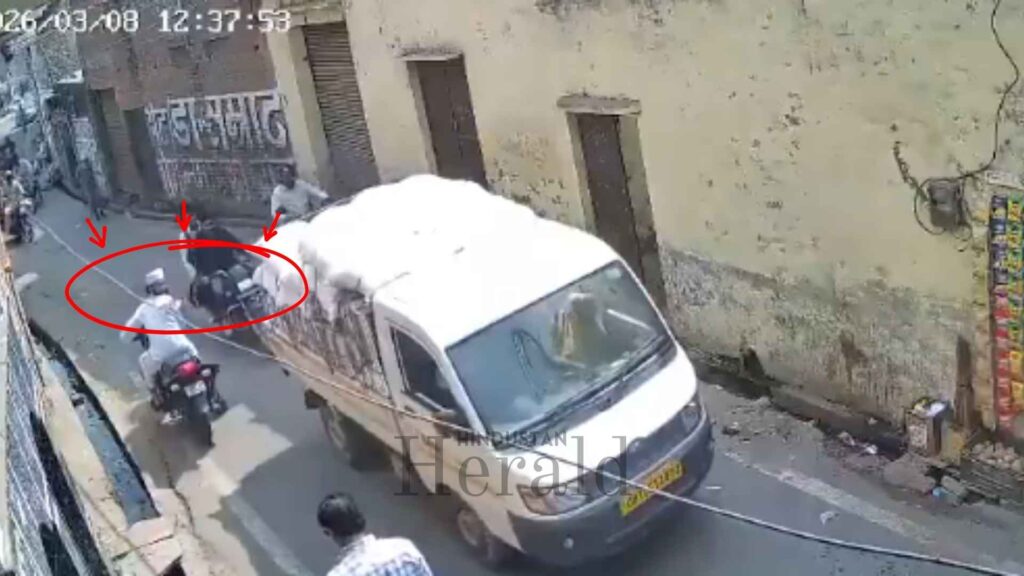
What happened next is now on camera. And the camera does not lie.
He Was Returning From the Mosque. That Is When It Started.
Wahab stopped his bike midway. Some boys were standing on the road. Words were exchanged. Nobody has confirmed yet what those words were, but witnesses say it got heated fast. Wahab pushed one of them. That push, it seems, was all the excuse the group needed.
One of them already had a cricket bat in his hand.
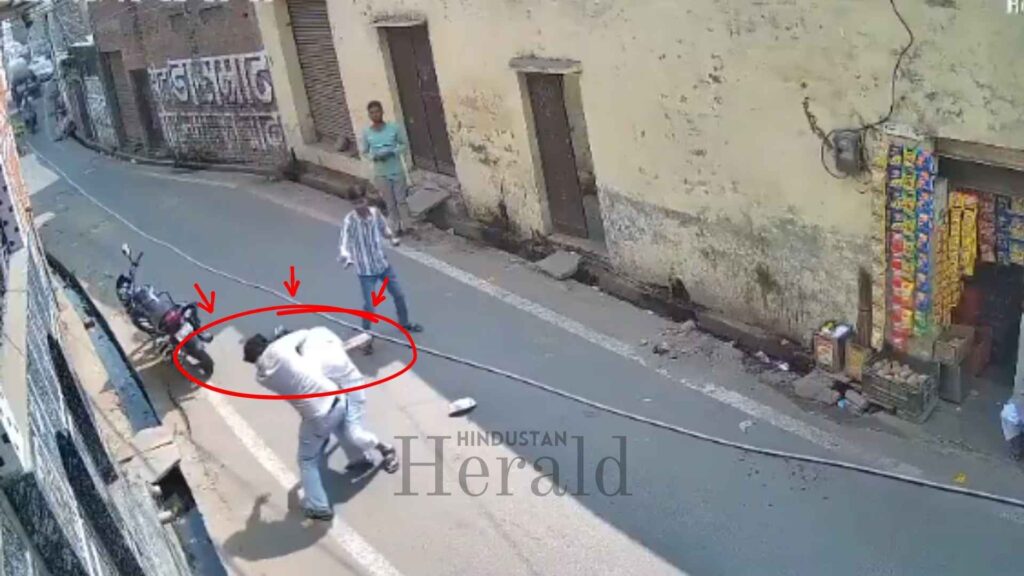
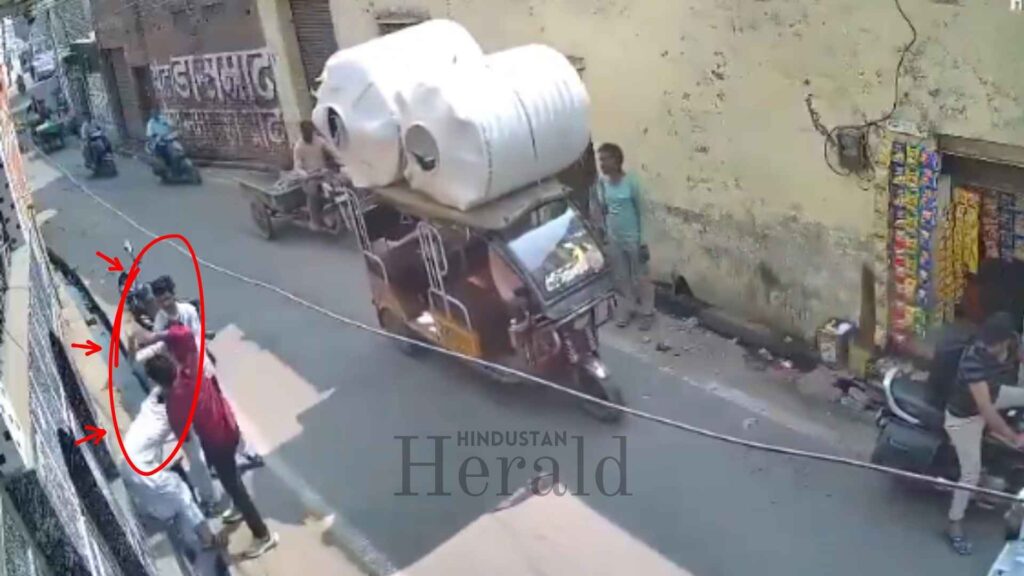
A shopkeeper from a nearby Kinara store ran out and physically snatched the bat away. He probably thought that would stop it. It did not. The group came at Wahab with hockey sticks and wooden rods. He tried to fight back. At one point, he grabbed a metal chair and rushed at them with it. Five or six against one, though, and in the end, the numbers did what numbers do.
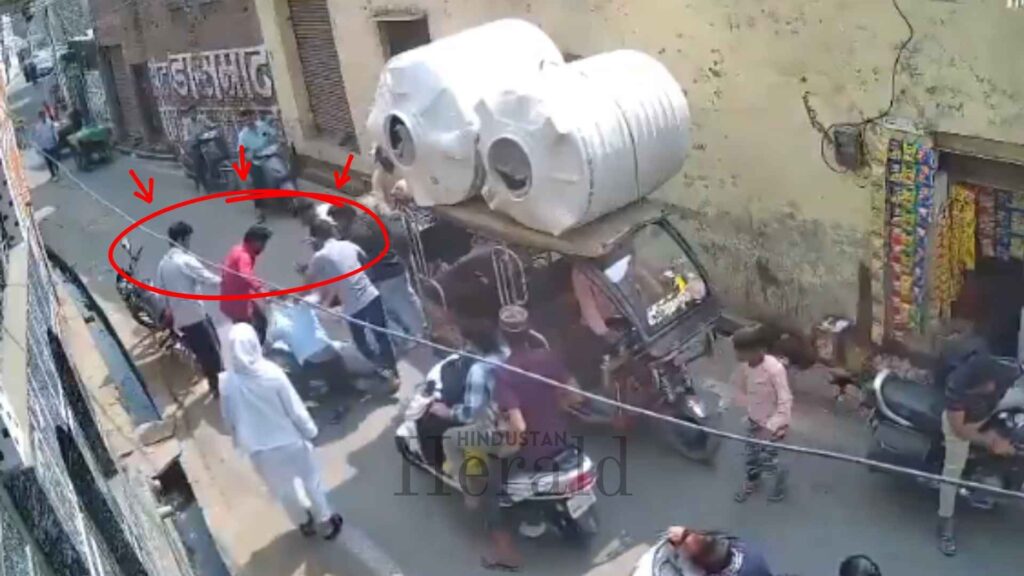
His skull cap was knocked off his head. He was beaten until he could not stand. Then he was taken to the hospital.
Five Names. One FIR. No Arrests Yet.
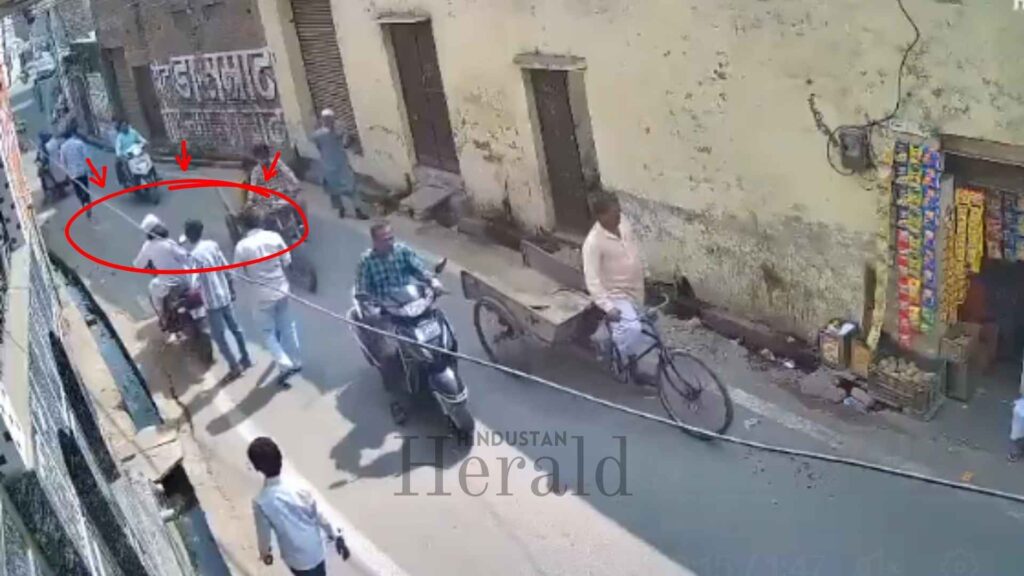
By evening, Circle Officer Siddharth Mishra confirmed that a case had been filed at the Civil Lines Police Station. The FIR names five individuals: Lavi, Basant, Harish, Aditya, and Rishabh. Police say they are going through CCTV footage from cameras in the area to confirm exactly who did what and whether anyone else was involved.
Provincial Armed Constabulary has been deployed in Sarwat Kajiyan. Senior officers came to the spot, walked around, and said the right things. Residents were told to stay calm. The administration has put the area under a tight watch.
As of Monday, no arrests have been made.
Muzaffarnagar Does Not Forget Easily
People who do not live here sometimes treat this city like just another district on the UP map. Those who do live here carry a different kind of memory. The 2013 riots happened right here. Over 60 people died. Tens of thousands were forced out of their villages. More than a decade later, the displacement never fully reversed, the trust never fully came back, and the tension never fully left.
That is the soil this incident landed on.
Nobody in the locality is waiting for a chargesheet to understand what they saw on that CCTV clip. An imam, dressed the way imams dress, returning from prayers during the holiest month of the year, was beaten in the middle of the road. That image travels fast. It travelled across WhatsApp groups in Muzaffarnagar within the hour. By nightfall, it was circulating nationally.
What the Video Shows, and What It Does Not
The footage is grainy in parts, the way roadside CCTV always is. But the sequence is visible. Wahab stops the bike. The argument begins. He pushes one of the boys. Then the bats come out.
Some people watching the clip online have pointed to that push. They say it shows the clash was two-sided. Others say watch what comes before the push, watch the way the group had already positioned themselves, watch the bat that was already in someone’s hand. Both readings are circulating. Neither has been adjudicated.
What is not disputed: five or six people beat one man with weapons. One man who had just come from leading prayers. One man is now lying in a hospital bed.
The police have the footage. They say it will guide the investigation. In a district where community memory is long and institutional trust runs thin, people are not going to take that on faith alone. They are going to watch what happens to those five names in the FIR.
Ramzan and What It Means to Pick This Moment
There is something about the timing that keeps coming up in conversations in the locality. Ramzan is not just a calendar entry. For practising Muslims, it is the most spiritually loaded month of the year. Mosques are full. People are fasting. The imam is, in the truest sense, the public face of the community during these weeks.
To attack an imam returning from prayers, during Ramzan, in broad daylight, in a locality that everyone knows is sensitive, carries a meaning that goes beyond whatever personal dispute may have started that argument. Whether the attackers intended that meaning is, again, something the courts will eventually have to decide. But the community has already received the message. The question is how it responds.
Local clerics and residents reached the Civil Lines Police Station by Sunday evening and met with officials, demanding fast arrests and assurance that the charges would not quietly shrink over time. Officials gave assurances. Assurances, in this part of UP, are accepted cautiously.
The State Government Has Said Nothing
As of Monday morning, not a single official spokesperson from the Uttar Pradesh government or the ruling BJP at the district level has stated the attack. The Samajwadi Party and Congress have individually shared the video on social media, but neither has called a press conference or demanded a response from the administration by name.
The silence from the government side is noticeable. Chief Minister Yogi Adityanath has spoken often about law and order in UP, about how his administration treats all communities equally and does not tolerate violence. Statements like that are tested by moments like this. The test here is straightforward: how quickly will the named accused be picked up, what sections will be applied, and will the investigation hold its shape under whatever local pressure comes next?
That is the thing about places like Muzaffarnagar. Local pressure is real. It works in every direction.
One Injured Man and a City Watching
Abdul Wahab is not a public figure. He leads prayers at a neighbourhood mosque. He is 28. He was doing his job on a Sunday afternoon during Ramzan, and he ended up in the hospital because a group of young men decided, for whatever reason, that stopping him on the road was acceptable.
That is the plain version of what happened here.
The complicated version involves UP‘s communal history, Ramzan’s timing, a district that has never quite found peace since 2013, a state government that has built its identity around muscular law enforcement but has been repeatedly questioned about whose law gets enforced and how quickly, and a country where incidents like this one have a way of either becoming case studies in justice delivered or cautionary tales about justice deferred.
For now, Wahab is recovering. Five names are written in an FIR at Civil Lines. The PAC is on the streets. The CCTV footage is with the police.
Muzaffarnagar is watching. The rest of the country should be too.
Stay ahead with Hindustan Herald — bringing you trusted news, sharp analysis, and stories that matter across Politics, Business, Technology, Sports, Entertainment, Lifestyle, and more.
Connect with us on Facebook, Instagram, X (Twitter), LinkedIn, YouTube, and join our Telegram community @hindustanherald for real-time updates.

Covers Indian politics, governance, and policy developments with over a decade of experience in political reporting.
- Ananya Sharma

- Ananya Sharma
- Ananya Sharma
- Ananya Sharma