
 By Ananya Sharma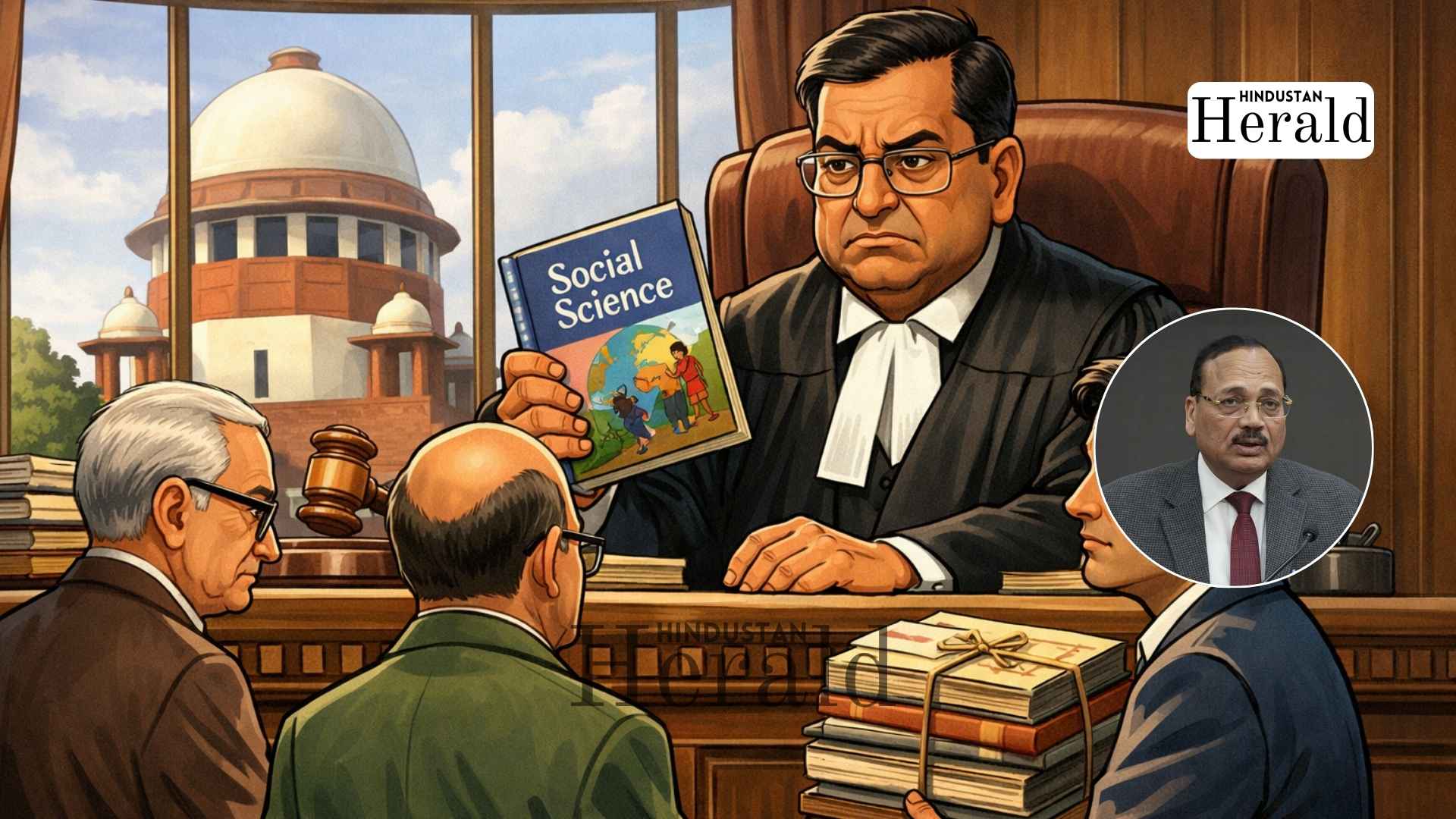
New Delhi, February 26: By late afternoon on Wednesday, the National Council of Educational Research and Training, better known as NCERT, had little choice but to pull the plug.
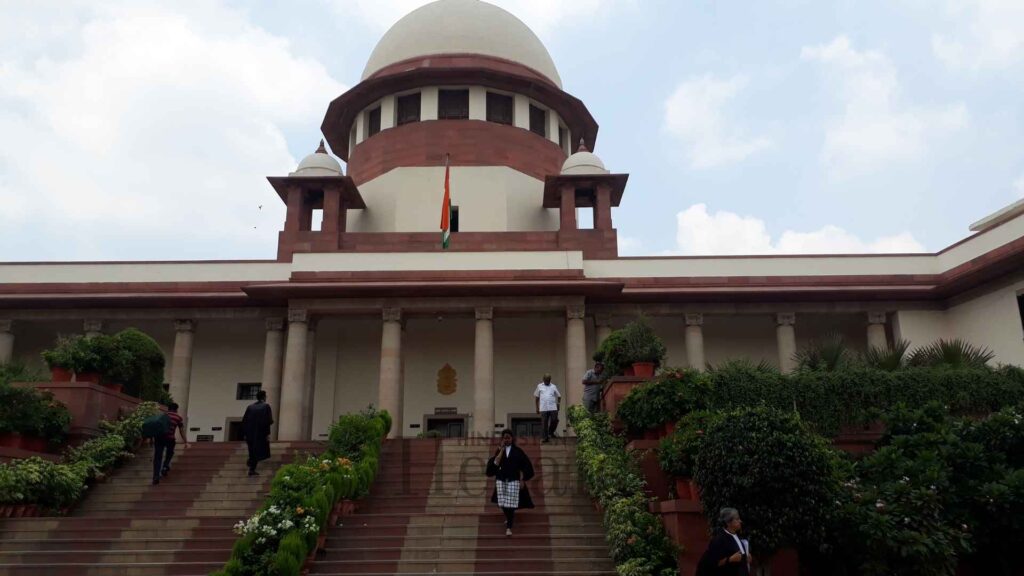
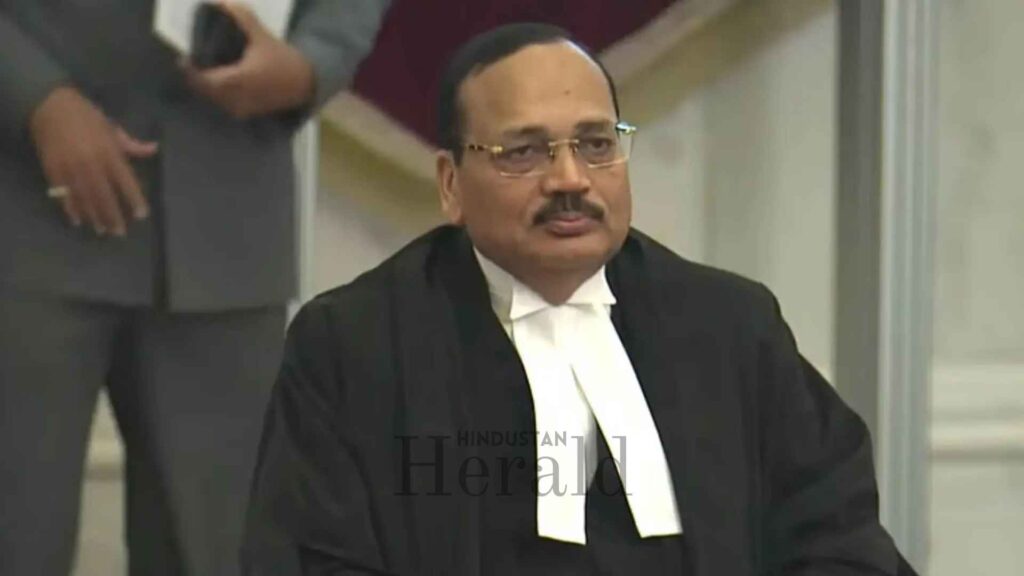
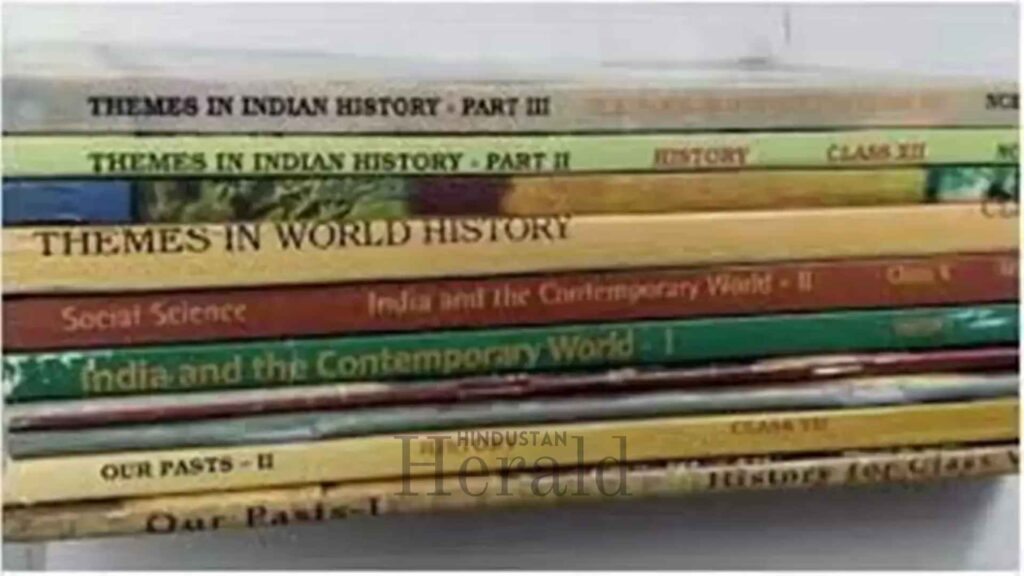
Its newly released Class 8 Social Science textbook, Exploring Society: India and Beyond, Vol II, has been formally withdrawn after an extraordinary intervention from the Supreme Court of India. The recall followed sharp remarks from a three-judge bench led by Chief Justice of India Surya Kant, who took suo motu cognizance of passages that discussed corruption within the judiciary and the scale of pending cases across courts.
An apology came swiftly. Distribution was frozen. Warehouses were instructed to take back stock. What began as a chapter in a civics textbook turned into a flashpoint between two of the country’s most important public institutions.
The Chapter That Sparked It
The controversy centres on Chapter 4, titled “The Role of Judiciary in our Society,” running from pages 125 to 142. On paper, it looked like a fairly standard civics chapter. It outlined the structure of courts, explained judicial review, and described how disputes travel from trial courts to High Courts and ultimately to the Supreme Court.
But buried in that framework were sections that did not sit well with the judiciary.
The chapter spoke of “corruption at various levels of the judiciary” as a systemic challenge. It listed pendency figures that have long been part of public discourse: roughly 81,000 cases pending in the Supreme Court, 6.2 million in High Courts, and over 47 million in subordinate courts. It also quoted remarks made in July 2025 by former Chief Justice B.R. Gavai, who had acknowledged that judicial misconduct, if unchecked, can damage public confidence.
None of these subjects are new in policy circles. Pendency statistics are cited in Parliament. Judicial vacancies are debated at legal conferences. Former judges themselves have spoken about accountability mechanisms.
The difference this time was the audience. Thirteen-year-olds.
Some lawyers argued that presenting the judiciary’s flaws in isolation, without a similar discussion of corruption in the executive or legislature, created an imbalance. Senior advocates Kapil Sibal and Abhishek Manu Singhvi flagged this concern precisely before the Supreme Court. According to submissions made in court, they said such framing could “complicate young minds” rather than educate them.
That argument found resonance on the bench.
A Strong Reaction From The Bench
When the matter came up, the response was unusually direct.
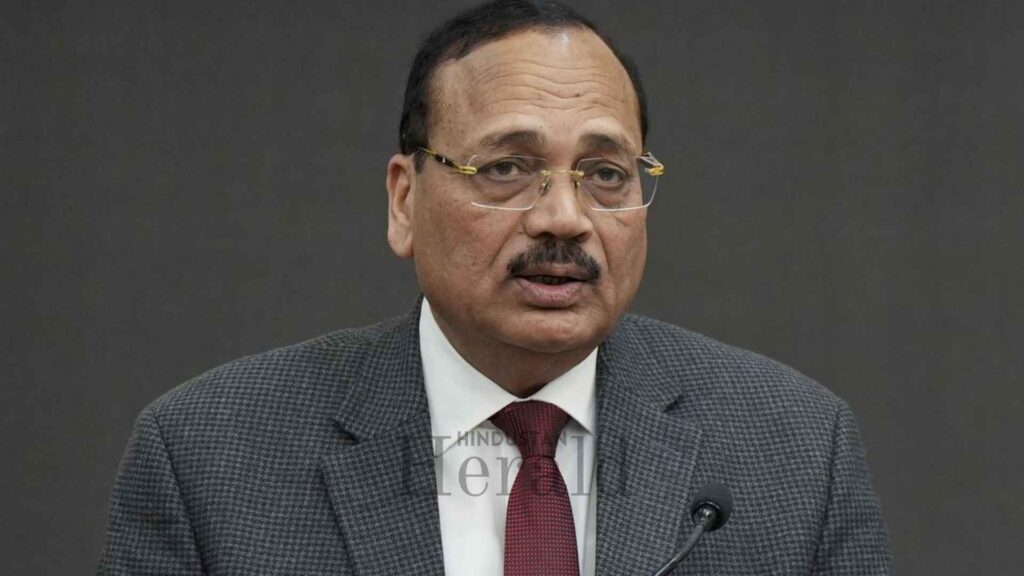
Chief Justice Surya Kant described the inclusion of the material as a “calculated and deep-rooted attack on the judiciary” and made it clear he would not permit what he saw as an attempt to undermine the institution’s integrity.
Suo motu cognizance is not routine. Courts invoke it when they believe an issue strikes at something fundamental. For the judiciary to step in over a school textbook signals how seriously the bench viewed the matter.
In recent years, the Supreme Court has been navigating its own share of scrutiny. Debates over appointments, the collegium system, transparency, and internal complaints have been widely covered. Public trust is a delicate currency. The bench’s reaction suggested that it saw the textbook not as neutral commentary but as something that could shape perception at a formative age.
There is also an unspoken reality here. For many Indians, especially those without political access, the judiciary represents the last resort. Protecting that image matters deeply to the institution.
NCERT Moves Fast
By evening, NCERT had issued an apology, describing the content as an “inadvertent error of judgment.” The Council emphasized that it holds the judiciary in the highest esteem.
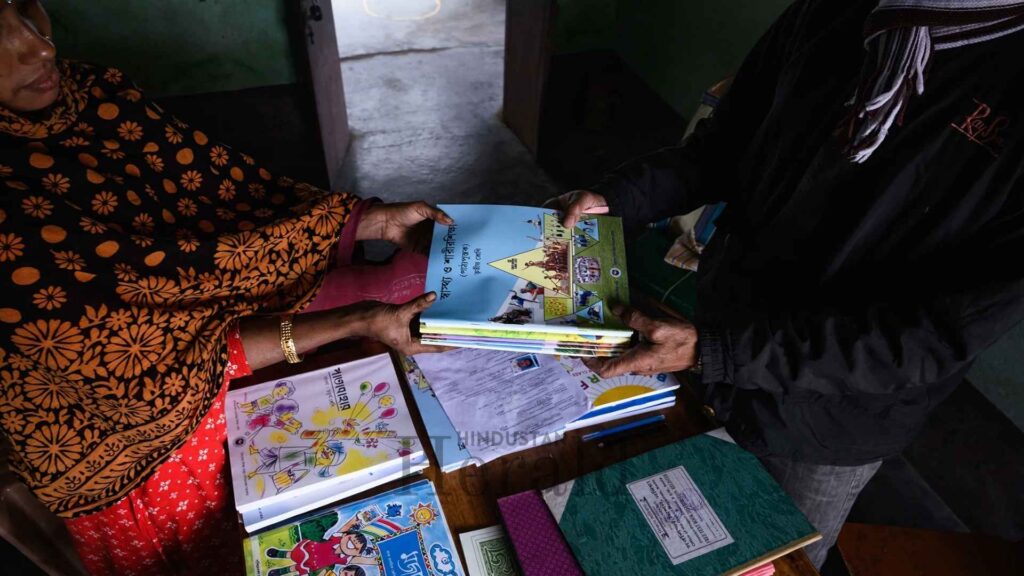
Officials confirmed that 2.25 lakh copies had been printed. Only 38 had been sold at the NCERT counter before the hold order was issued. Staff are now attempting to contact those buyers and retrieve the books. The rest have been sent back to storage.

The textbook has disappeared from the NCERT website. Distribution remains on strict hold under directions from the Department of School Education and Literacy.
Chapter 4 will be rewritten. NCERT says it will consult “appropriate authorities,” a phrase that almost certainly means judicial experts and senior academics will now be part of the redrafting process. The revised edition is expected before the 2026 to 27 academic session begins.
For a body that regularly updates textbooks and manages curricular revisions, this was an unusually abrupt retreat.
Beyond The Immediate Recall
The incident has reopened an old tension: how do you teach young students about democratic institutions honestly without eroding respect for them?
Civics education is meant to build informed citizens. That means explaining not only how institutions function, but also where they struggle. Case backlogs are not a secret. Judicial misconduct, though rare in proportion, has been publicly debated before.
Yet tone matters. Context matters even more.
If you tell a 14-year-old that millions of cases are pending without explaining structural causes such as vacancies, population scale, or rising litigation, the takeaway can feel stark. If you mention corruption without detailing oversight mechanisms or reform efforts, the picture can appear one-sided.
Educationists are divided. Some argue that shielding students from institutional shortcomings does them no favours. Democracies strengthen when citizens understand complexity. Others insist that foundational civic trust should not be unsettled at the middle school level.
The balance is not easy.
The Data At The Core
The pendency numbers cited in the withdrawn chapter have appeared in government affidavits and court dashboards. They are not invented. Judicial backlog has long been attributed to vacant posts, infrastructure gaps, procedural adjournments, and increasing litigation.
Successive Chief Justices have spoken about the problem. Technology-driven hearings, fast-track courts, and digital filing systems have been introduced to ease the load. Progress has been uneven.
In that sense, the chapter was drawing from real public material.
The controversy was less about factual accuracy and more about framing. Was it reform-oriented civic literacy, or was it presented as an institutional indictment? The answer depends on perspective.
A Larger Institutional Moment
There is also symbolism here.
When the judiciary intervenes in educational content about itself, it inevitably raises questions about academic autonomy. At the same time, the executive’s swift compliance reflects the delicate balance between constitutional organs.
The Ministry of Education has not publicly criticized NCERT, nor has it challenged the court’s observations. Instead, it moved to contain the fallout.
For now, the episode appears administratively settled. The books are off the shelves. The rewrite is underway. The next academic session will likely see a more cautious, carefully balanced chapter.
But the broader conversation will linger.
Should textbooks introduce students to the imperfections of power? Or should such critiques wait for later years? How do we teach accountability without breeding cynicism?
These are not easy questions. They sit at the intersection of law, politics, and pedagogy.
What is clear is that a single chapter, in a single Class 8 book, has managed to expose the uneasy line India continues to walk between institutional respect and open critique.
And that debate is far from over.
Stay ahead with Hindustan Herald — bringing you trusted news, sharp analysis, and stories that matter across Politics, Business, Technology, Sports, Entertainment, Lifestyle, and more.
Connect with us on Facebook, Instagram, X (Twitter), LinkedIn, YouTube, and join our Telegram community @hindustanherald for real-time updates.

Covers Indian politics, governance, and policy developments with over a decade of experience in political reporting.
- Ananya Sharma

- Ananya Sharma
- Ananya Sharma
- Ananya Sharma