
 By Rajiv Menon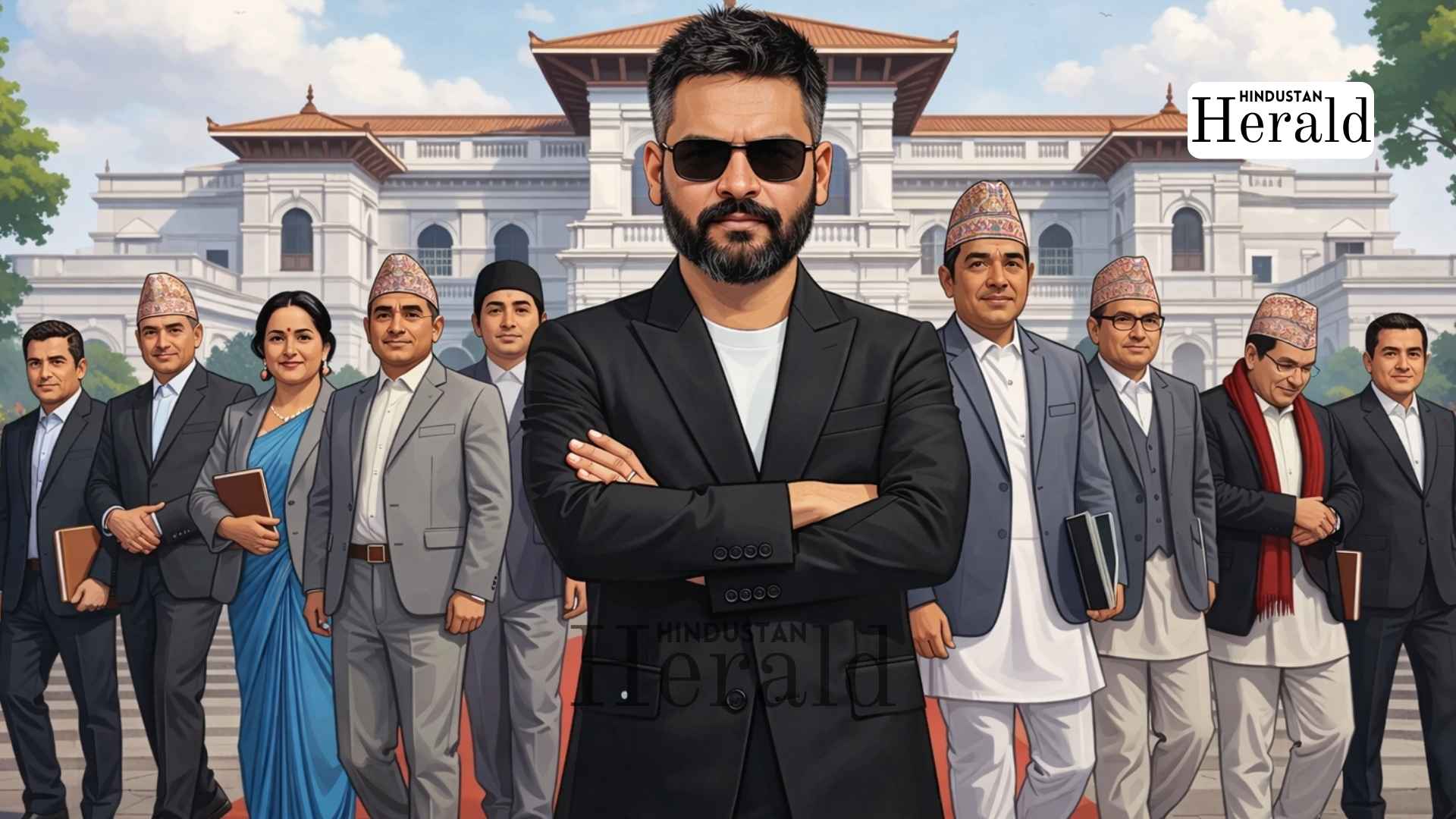
Nepal, April 7: Just a fortnight into its existence, the cabinet formed under Prime Minister Balendra Shah has already seen a quiet but pointed internal recalibration. President Ramchandra Paudel, acting on the recommendation of the Prime Minister, has revised the seniority ranking of ministers within the council, with the most striking change being the demotion of Home Minister Sudhan Gurung from third position to fifth. No portfolios have been altered, no resignations tendered. But in the nuanced politics of Kathmandu, where protocol and precedence carry weight that outsiders often underestimate, the shift carries unmistakable meaning.
A Cabinet Born of Revolution, Tested by Protocol
To understand why this revision matters, it helps to remember how this government came to be in the first place.
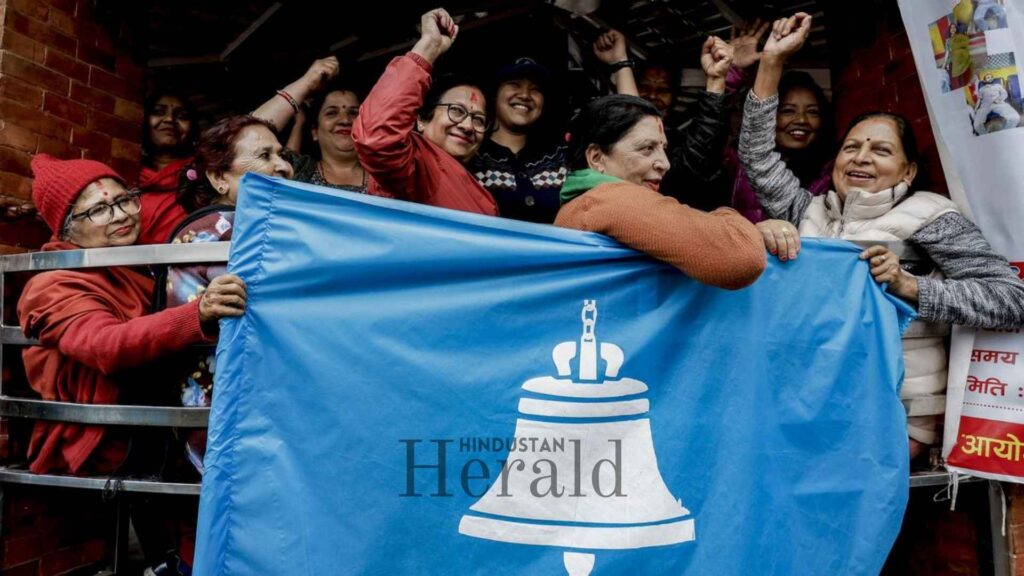
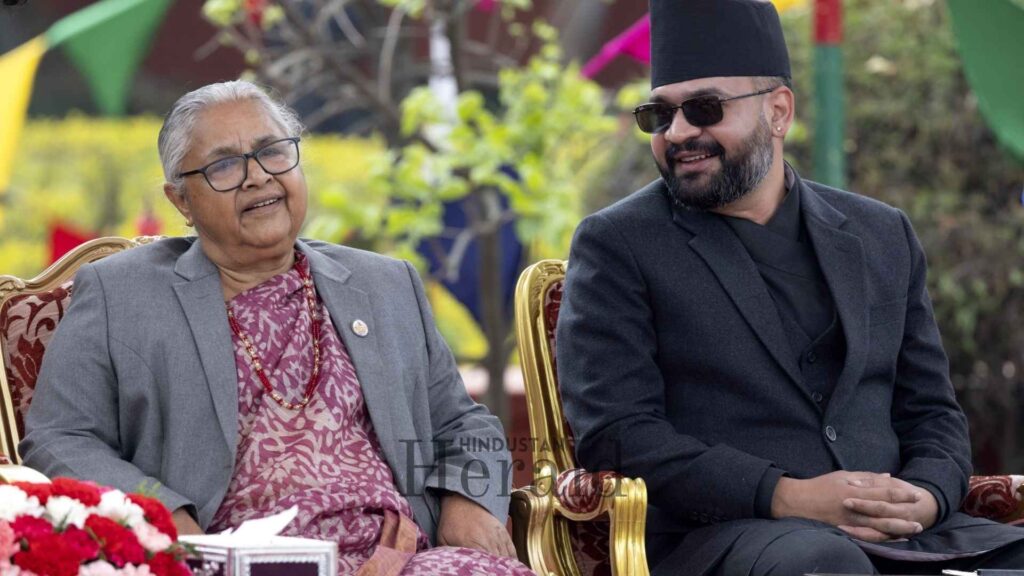
The Rastriya Swatantra Party (RSP), led by party chairman Rabi Lamichhane and elevated to power by Balendra Shah’s landslide electoral performance in the March 5, 2026, parliamentary elections, rode into Singha Durbar on the back of a youth-driven democratic upheaval. The Gen Z movement of September 2025 had triggered the collapse of the old political order, forced the dissolution of parliament, and brought an interim administration under former Chief Justice Sushila Karki to hold early elections. The RSP swept those elections with an unprecedented mandate, and on Chaitra 13 of the Nepali calendar, a 15-member cabinet was sworn in at the Office of the President, Sheetal Niwas.
Swarnim Wagle was appointed Deputy Prime Minister and Finance Minister, while Sudhan Gurung was handed the Home Ministry. Shishir Khanal was assigned Foreign Affairs, and Sunil Lamsal took charge of Physical Infrastructure.
The original seniority order reflected a specific calculation. Rank-wise, PM Balen Shah headed the cabinet, followed by the Finance and Home Ministers, in that order. That meant Gurung, as Home Minister, formally held the third-most senior position in the national government. Within days, that arrangement has now been revised.
The New Order of Precedence
President Ramchandra Paudel has reorganised the seniority ranking within the current cabinet, formed on Chaitra 13, upon the recommendation of Prime Minister Balendra Shah, under Article 76(9) of the Constitution of Nepal. While ministerial portfolios remain unchanged, the reshuffle adjusts the order of precedence among ministers. According to the new ranking, Finance Minister Dr. Swarnim Wagle now follows Prime Minister Shah in seniority. Foreign Minister Shishir Khanal and Energy, Water Resources, and Irrigation Minister Biraj Bhakta Shrestha are next in line, followed by Home Minister Sudhan Gurung, who previously held the third position.
The new pecking order, then, stands as follows: Prime Minister Shah at the top, followed by Finance Minister Wagle at second, Foreign Minister Khanal at third, Energy Minister Biraj Bhakta Shrestha at fourth, and Home Minister Gurung now at fifth. This is a two-position slide for the man who, just days ago, was considered the most visible and assertive face of the incoming administration after the PM himself.
The constitutional mechanism used here is worth noting. Article 76(9) of the Constitution of Nepal grants the President powers to act upon the PM’s recommendation in matters about the council. The ranking revision is not a vote of no confidence, nor does it affect Gurung’s formal authority over Nepal Police, the Armed Police Force, the National Investigation Department, or the District Administration Offices. He retains full command. But in a country where ceremonial seniority translates directly into political leverage, access, and public perception, the move is far from trivial.
Gurung: From the Streets to Singha Durbar
The trajectory of Sudhan Gurung is one of the more remarkable political journeys in recent Nepali history. Born on July 18, 1987, Gurung is a politician and philanthropist, and the founder and coordinator of the non-governmental organisation Hami Nepal. He emerged as one of the leaders of the Gen Z movement in the aftermath of the 2025 protests, participating in extensive negotiations with the President and the Chief of the Army Staff Ashok Raj Sigdel, which led to the finalisation of former Chief Justice Sushila Karki as interim prime minister and the dissolution of parliament, paving the way for early elections.
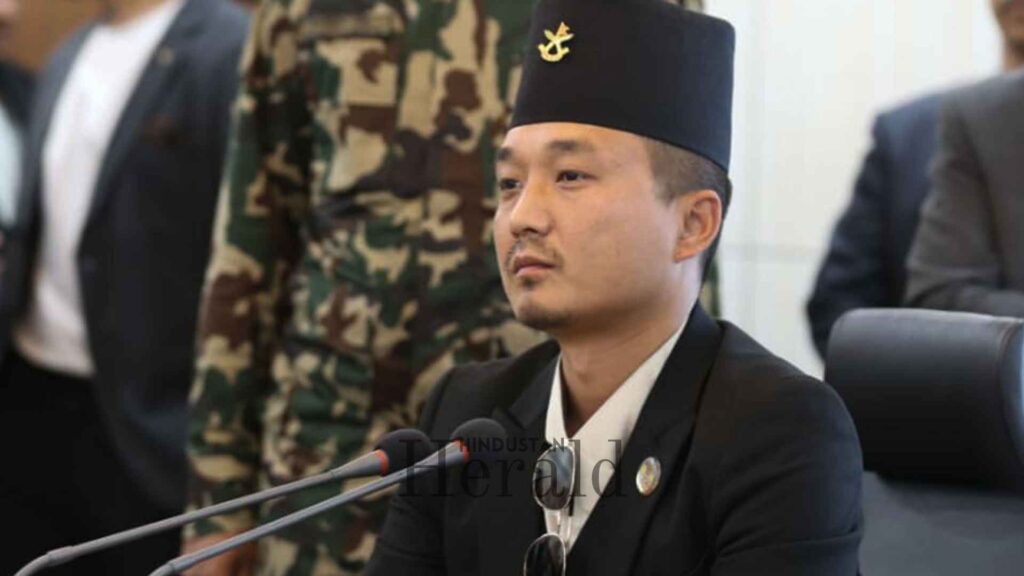
His background is anything but conventional. Before rising to prominence as a civil society organiser, his routine of DJing and running clubs in Thamel changed after 2015, when he began volunteering during the earthquake, established an organisation named Hami Nepal, and later worked during the Jajarkot earthquake, even travelling to Turkey to provide relief in collaboration with the Government of Nepal. He made his political leap when he joined the Rastriya Swatantra Party in January 2026, running in the Gorkha 1 constituency and winning the seat with 29,896 votes.
His appointment as Home Minister on March 27 came with expectations that were simultaneously sky-high and deeply contested. The newly appointed Home Minister faces many challenges in reforming the home administration, including leading the District Administration Office, Nepal Police, Armed Police Force, and National Investigation Department. The command of 79,541 personnel responsible for investigating criminal incidents now rests with him.
A First Week That Raised Questions
The context of this ranking revision becomes clearer when set against what happened in Gurung’s first week in office.
On the evening of his appointment, Gurung directed Nepal Police Inspector General Dan Bahadur Karki to immediately arrest former prime minister KP Sharma Oli and others. He personally visited the Nepal Police Headquarters in Naxal. According to security officials, after Gurung threatened to “stay at the headquarters” until the arrests were made, the secretary at the Ministry of Law and Justice was summoned late at night for consultations on legal procedures. The arrests were carried out the following morning.
That kind of hands-on, high-visibility approach won Gurung enormous public popularity, particularly among the Gen Z base that had propelled the RSP to power. But it also drew sharp criticism from senior police officials and constitutional experts who argued that it blurred the line between elected oversight and operational police work. A former deputy inspector general of Nepal Police noted that while investigation files stalled under previous governments were being reopened, which was positive, the Home Minister personally releasing arrest warrants and posting updates on social media suggested political leadership stepping into police work, which could cast doubt on the impartiality of investigations.
There were other controversies, too. The day after his appointment, Gurung visited Pulchowk in Lalitpur to select his ministerial residence, choosing a building that had since March 2023 been used only by Supreme Court justices and the chief registrar. The judiciary was reportedly not informed of Gurung moving in. The Supreme Court’s chief registrar publicly stated that no formal information had been provided, and a former justice criticised the arrangement as a violation of the principle of separation of powers.
The opinion pages weighed in sharply. Writing in the Kathmandu Post, one columnist observed that the concern was not that such contradictions established wrongdoing, but that they established ambiguities which had neither been publicly resolved nor institutionally interrogated before the conferral of one of the most sensitive offices in the state.
Reading the Ranking Revision
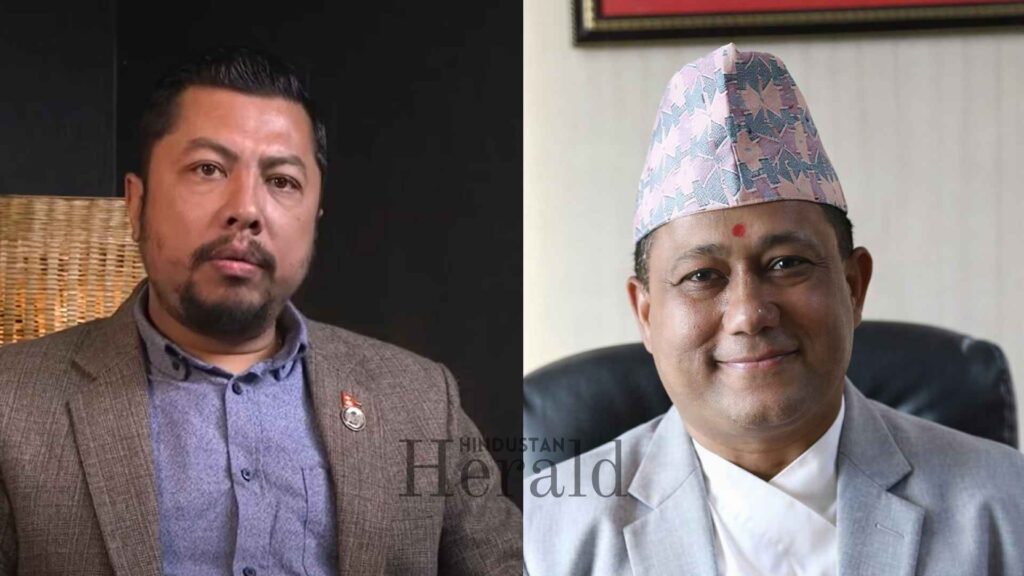
Against this backdrop, the revision of cabinet seniority acquires texture. The promotion of Foreign Minister Shishir Khanal and Energy Minister Biraj Bhakta Shrestha above Gurung in the order of precedence is a quiet but legible signal from Prime Minister Shah. Both Khanal and Shrestha are considered steadier institutional players within the RSP. Khanal, a master’s graduate in public policy from the University of Wisconsin, is the founder of Teach For Nepal and represents the “diplomacy through development” wing of Balen’s administration. Shrestha, who previously served as the parliamentary party leader of the RSP, brings a business administration background to the power sector.
Neither figure has generated the kind of controversy that has dogged Gurung’s opening fortnight. Elevating them in seniority rank, without disturbing portfolios, is the kind of calibrated manoeuvre that political establishments worldwide use to nudge ministers without confrontation. Gurung retains his ministry. But he is no longer third in the national chain of command.
Still, it would be premature to read this as an impending fallout. The RSP is a young party navigating the immense pressure of a first national government. Its internal cohesion has held, and Rabi Lamichhane, the party chairman, who retains enormous influence behind the scenes, has not publicly commented on the reshuffle. What sources close to the government will say, reportedly, is that the revision was driven by considerations of experience and institutional weight, and not by any specific incident.
For now, Gurung remains one of the most watched ministers in South Asia’s newest government, a man whose political instincts are undeniable but whose relationship with institutional norms is still being negotiated in real time.
What It Means for the Balen Government
The broader stakes of this episode go beyond one minister’s protocol rank. The Balen Shah government came into office selling a story: that a new generation of Nepali leaders, unburdened by the transactional politics of the old parties, could run a clean, effective, and constitutionally grounded administration. That promise is under its first serious test.
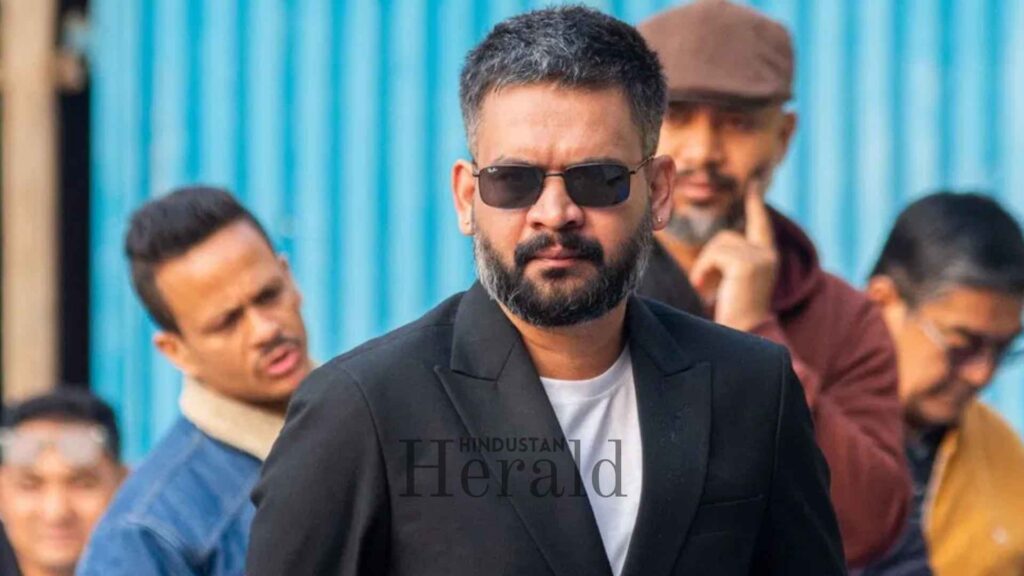
A segment of public discourse, though increasingly overshadowed by a surge of optimism surrounding the new government, has raised questions about Gurung’s past, his political positioning, and his accountability. In a system confident in its processes, such scepticism would ordinarily trigger clarification rather than be bypassed through career elevation.
The ranking revision may be one small course correction. Whether the government can maintain that balance between the energy of its outsider credentials and the discipline of constitutional governance is the question that will define its first year.
Stay ahead with Hindustan Herald — bringing you trusted news, sharp analysis, and stories that matter across Politics, Business, Technology, Sports, Entertainment, Lifestyle, and more.
Connect with us on Facebook, Instagram, X (Twitter), LinkedIn, YouTube, and join our Telegram community @hindustanherald for real-time updates.
Specializes in South Asian geopolitics and global diplomacy, bringing in-depth analysis on international relations.
- Rajiv Menon

- Rajiv Menon
- Rajiv Menon
- Rajiv Menon



 Ayesha Khan and Rajiv Menon
  Sandeep Verma and Rajiv Menon