
 By Rajiv Menon and Ananya Sharma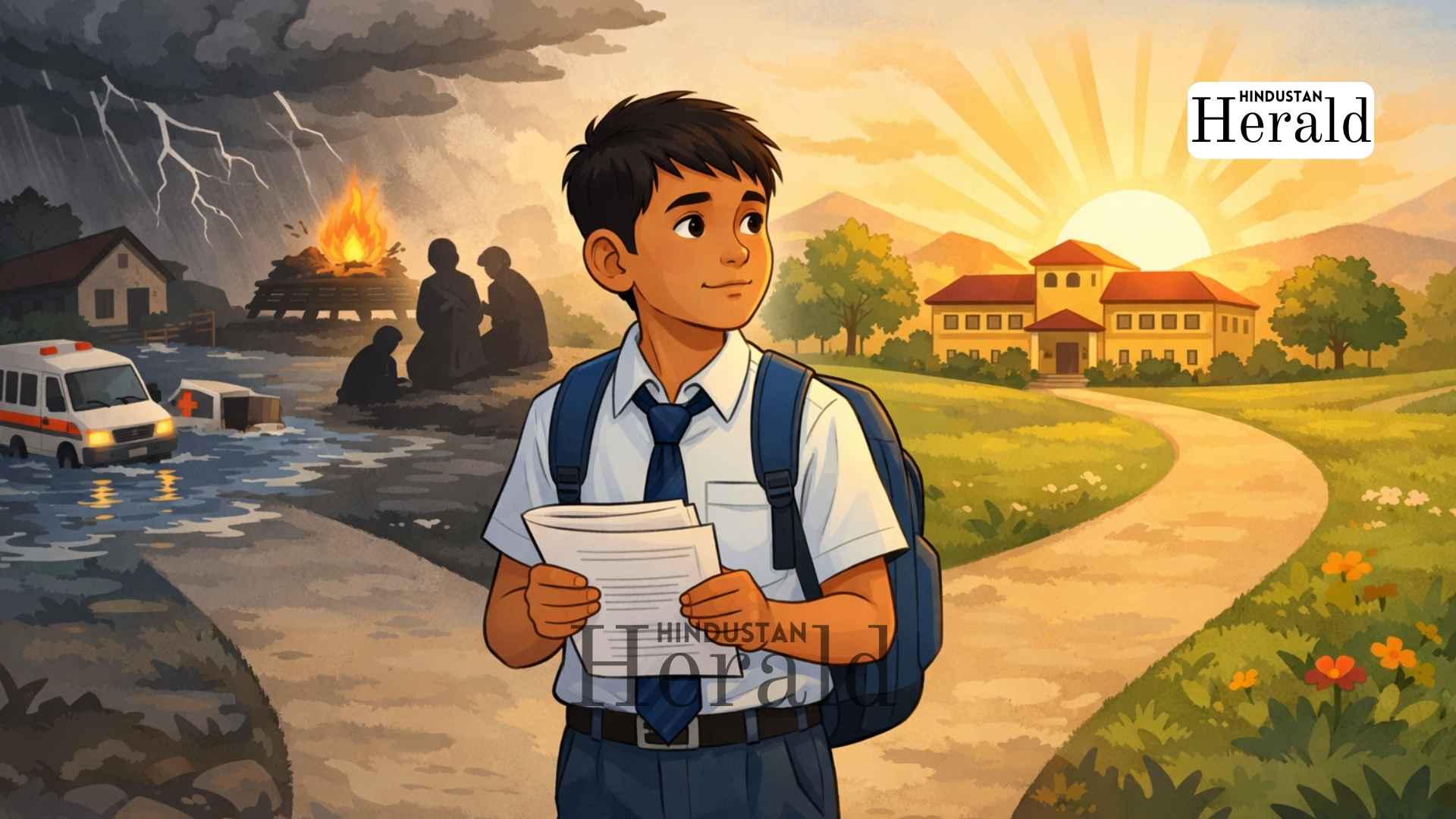
Kathmandu, December 30: For years, students across Nepal lived with an unspoken truth. No matter what went wrong in life, exams would not wait. Death in the family, illness, floods, and even childbirth were treated the same as skipping an exam without a reason. Miss the paper, fail the year. That reality has now begun to change with the introduction of Nepal’s Academic Special Consideration Policy, which finally allows room for real-life emergencies within the examination system.
This month, that reality finally changed.
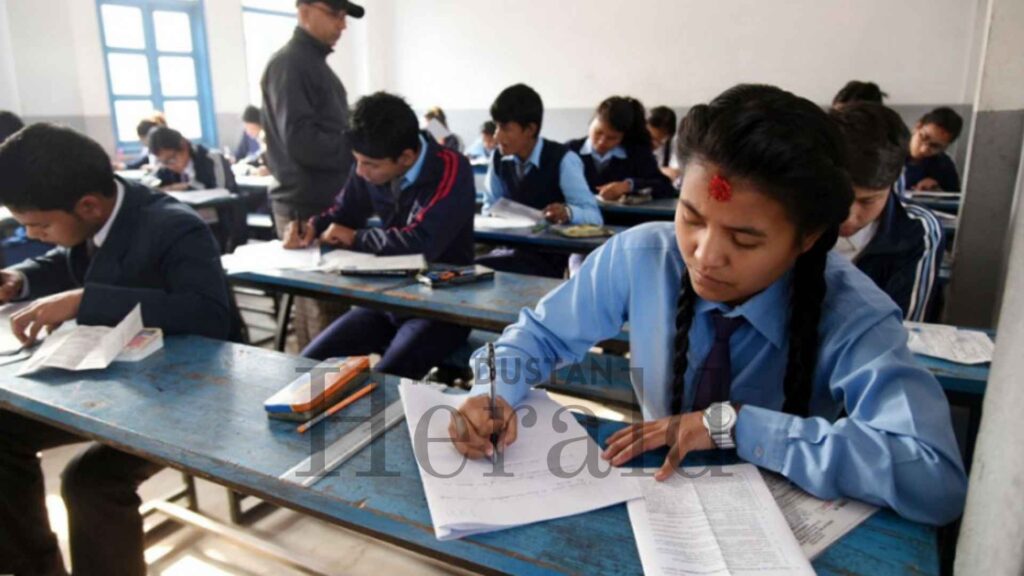
Nepal has officially introduced a national academic special consideration policy, becoming the first country in South Asia to do so. The policy, approved by the Ministry of Education, allows students facing serious personal emergencies to defer exams, take re-tests, or be assessed through alternative methods instead of being marked absent or failed.
According to estimates cited by ANI and Tribune India, the reform could impact nearly 700,000 students every year. Behind that number are stories of loss, pressure, and long-term damage that many families quietly accepted as “just how the system works.
Exams Came Before Everything Else
Until now, Nepal’s education system made almost no room for emergencies. Exam schedules were fixed, and absence was treated as a student’s fault, regardless of circumstance.
Sabin and Santosh Dangol learned this the hardest way. The siblings lost their mother shortly before their Higher Secondary Level board examinations. With barely time to process the funeral, they were expected to sit for their papers just eleven days later. According to ANI, both struggled badly and later said the exams felt meaningless while they were still in mourning.
In western Nepal’s Bardiya district, Ramesh Rawat faced another kind of disaster. Floods swept through his village days before his Grade 10 exams, destroying his books and forcing his family out of their home. With no rule allowing postponement, he appeared anyway and failed four subjects. His schooling was set back, not because he lacked ability, but because the system had no patience.
Then there was Anjali Yadav, a postgraduate student at Tribhuvan University. She gave birth just two weeks before her exams. Unable to attend, she was marked “NQ”, or Not Qualified. The result was a one-year delay in her degree, simply because there was no maternity consideration policy.
These were not isolated cases. They were happening quietly, every exam season, across schools and universities.
Students Decide To Push Back
In 2023, students who had lived through such situations decided to act. The Special Consideration Campaign, led by the Global Coalition for Special Consideration, brought together young people who believed the system could be fair without becoming lenient.
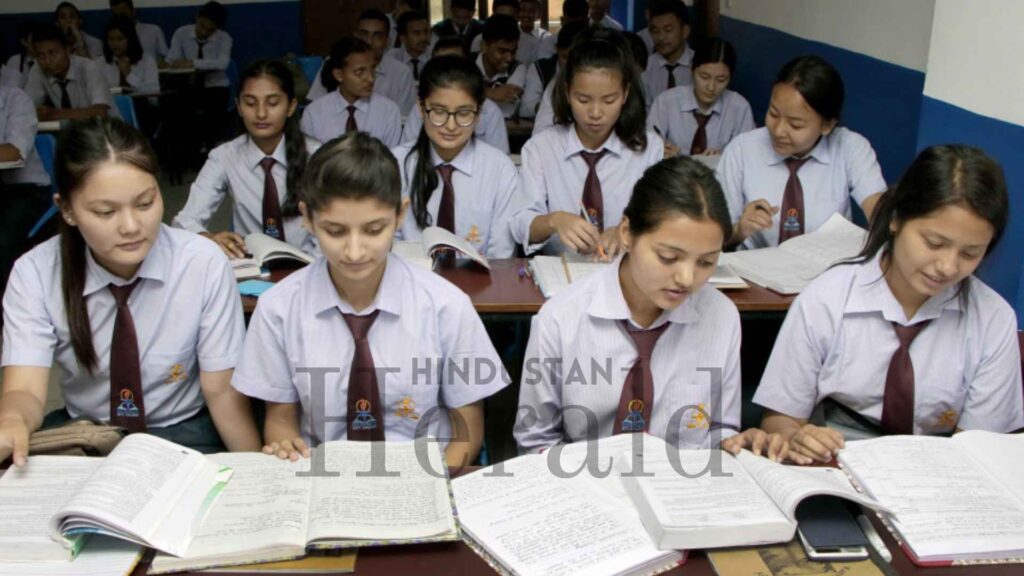
Most of the campaign’s organisers were students themselves, many still in school or college. Instead of shouting slogans alone, they studied rules, policies, and exam regulations. They looked at how other countries handled emergencies during assessments and adapted those ideas to Nepal’s context.
Their message was simple and practical: helping students during genuine crises does not lower academic standards. It only prevents unnecessary damage.
As reported by Tribune India, the campaign repeatedly engaged with the Ministry of Education, the Centre for Education and Human Resource Development, and the National Examination Board. They presented drafts, explained safeguards, and addressed fears of misuse.
Progress was slow, but the pressure did not fade.
Politics Nearly Stopped It
Nepal’s unstable political situation almost buried the proposal. The policy was reportedly stalled three times as governments changed and officials were replaced.
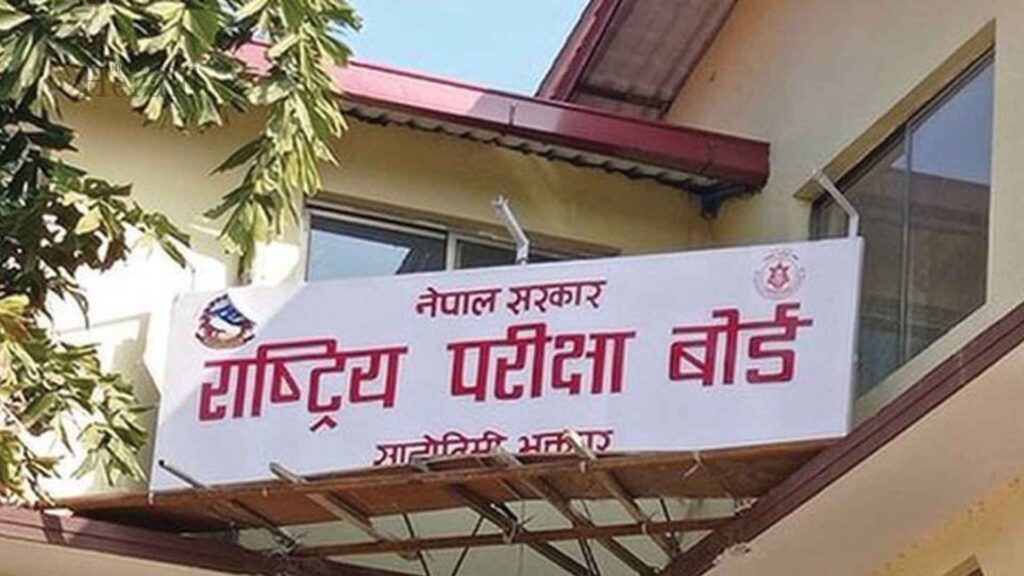
Each time, discussions had to start again. New ministers, new secretaries, new priorities. According to New Kerala, it took persistence and repeated follow-ups to keep the proposal alive.
Eventually, the Ministry gave its approval. The policy was formally adopted, not as a suggestion, but as a rule with legal backing.
What The New Policy Actually Does
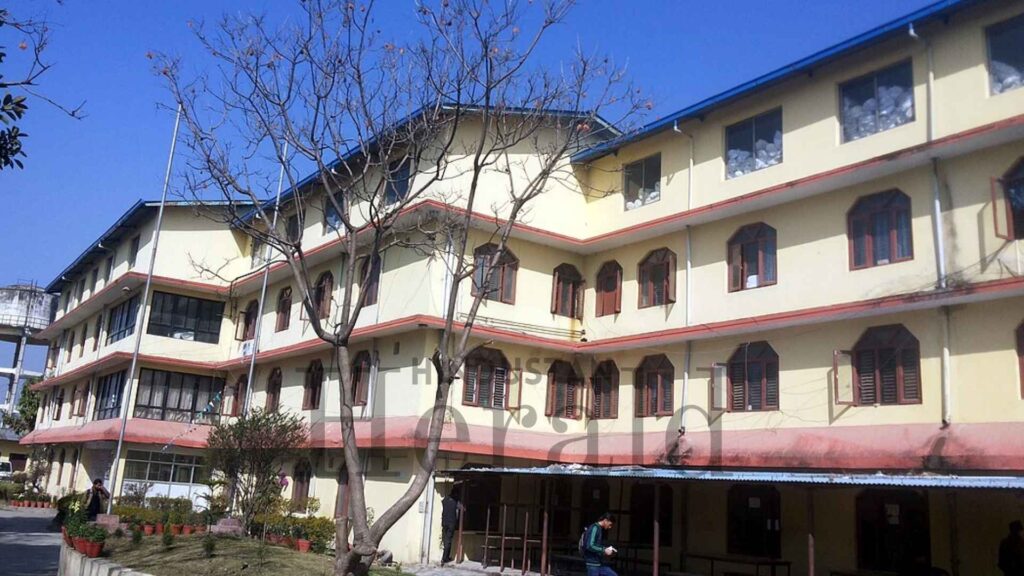
The special consideration policy clearly lists situations where students are eligible for relief. These include death in the family, serious illness, mental health emergencies, maternity, natural disasters, and congenital or sudden disabilities.
Students will need to provide documents, and institutions will follow set timelines and procedures. Depending on the case, students may receive exam deferrals, re-examinations, or alternative forms of assessment.
Importantly, the policy also introduces appeal mechanisms, so decisions are not left entirely to individual administrators.
For schools and universities that previously had no guidance at all, the framework offers clarity and protection. Teachers no longer have to choose between sympathy and rules. Students no longer have to beg for exceptions.
Still, much depends on implementation. Awareness, training, and consistency across regions will decide whether the policy works as intended.
Why This Is Bigger Than Nepal
Across South Asia, exams remain brutally unforgiving. In many countries, missing an exam due to illness or disaster can still cost students an entire year.
Nepal’s move breaks that pattern. Education experts quoted by Tribune India say the policy brings Nepal closer to international practices, where academic systems recognise that life does not pause for exam timetables.
This does not mean standards are lowered. Students must still prove their knowledge. It simply means they are not punished for events beyond their control.
A Quiet Victory For Students
For those who suffered under the old system, the reform comes too late to change their outcomes. Lost years cannot be returned. But many say it brings a sense of closure.
According to ANI, students involved in the campaign believe their experiences now serve a purpose. Future students will not have to choose between attending a funeral and passing an exam, between giving birth and completing a degree.
For now, Nepal’s decision stands as a reminder that education systems exist for students, not the other way around. Sometimes, it takes those very students to remind the system of that truth.
Stay ahead with Hindustan Herald — bringing you trusted news, sharp analysis, and stories that matter across Politics, Business, Technology, Sports, Entertainment, Lifestyle, and more.
Connect with us on Facebook, Instagram, X (Twitter), LinkedIn, YouTube, and join our Telegram community @hindustanherald for real-time updates.
Specializes in South Asian geopolitics and global diplomacy, bringing in-depth analysis on international relations.
- Rajiv Menon

- Rajiv Menon
- Rajiv Menon
- Rajiv Menon





Covers Indian politics, governance, and policy developments with over a decade of experience in political reporting.
- Ananya Sharma
- Ananya Sharma
- Ananya Sharma
- Ananya Sharma



 Ananya Sharma