
 By Ananya Sharma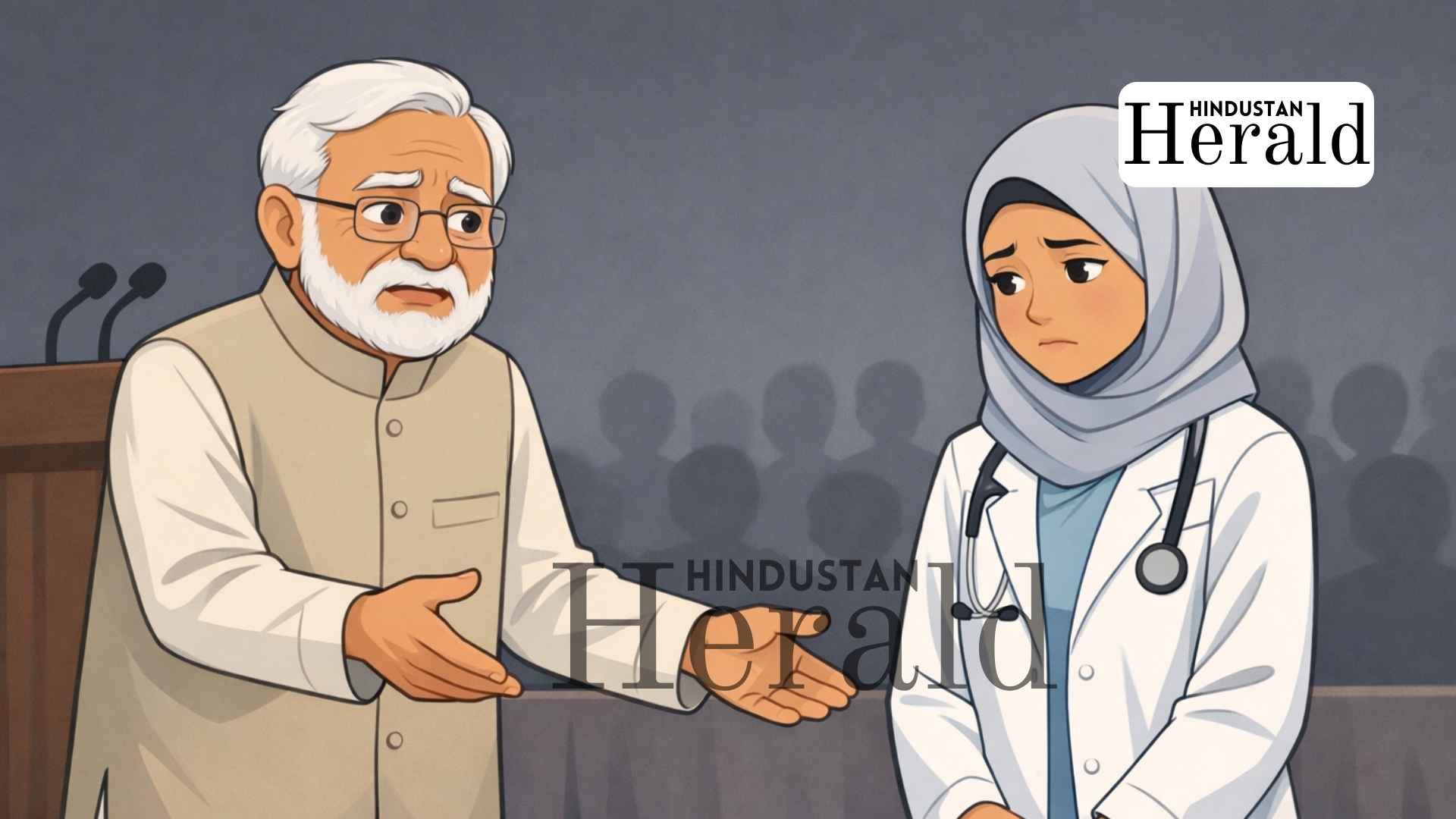
Patna, December 16: It did not look dramatic when it happened. No shouting, no visible argument, no chaos on stage. Just a routine government programme in Patna and a brief interaction that lasted barely a moment. Yet that moment, caught on camera, has now placed Bihar Chief Minister Nitish Kumar at the centre of a controversy that refuses to die down.
The video shows Kumar on stage, distributing appointment letters, when a Muslim woman doctor steps forward. As she receives her letter, the chief minister reaches out and appears to pull down her hijab or burqa, reportedly while gesturing about her face being visible. The woman looks uncomfortable. The clip ends. The fallout begins.

By nightfall, the footage had travelled far beyond Bihar.
How A Routine Event Turned Explosive
According to The Times of India, the incident took place at a government appointment ceremony in Patna. Such functions are common and rarely attract attention. This one did, for all the wrong reasons. The video, grainy and silent in parts, leaves room for interpretation. Supporters argue intent matters. Critics say intent is beside the point. What cannot be disputed is the visual itself. A powerful elected leader touching a woman’s religious attire on a public stage, without any visible consent.
In today’s political climate, that image was bound to provoke anger.
Social media users, particularly women, questioned why a chief minister felt entitled to intervene in how a woman presents herself. Many pointed out that the discomfort on her face was unmistakable, even if the clip lacked audio.
Why This Struck Such A Deep Nerve
This was not just about etiquette. It quickly became about power and boundaries. For Muslim women, the hijab or burqa is deeply personal. It is not a costume to be adjusted for convenience or optics. Lawyers and rights activists reminded viewers that religious freedom is constitutionally protected, and bodily autonomy does not disappear on a government stage.
Some Nitish Kumar supporters attempted to downplay the incident, suggesting it was misunderstood or taken out of context. Others said the chief minister may have acted reflexively, without ill intent. Still, that explanation did little to calm the outrage. In public life, perception often outweighs explanation. And the perception here was damaging.
Opposition Reacts, With One Notable Exception
Opposition parties moved quickly to condemn the chief minister. The words used were sharp and unambiguous. “Shameful.” “Humiliating.” “Unacceptable.” Several leaders demanded a public apology. A few raised questions about whether such conduct should be normalised simply because it comes from a senior leader.
Then came a remark that complicated the narrative.
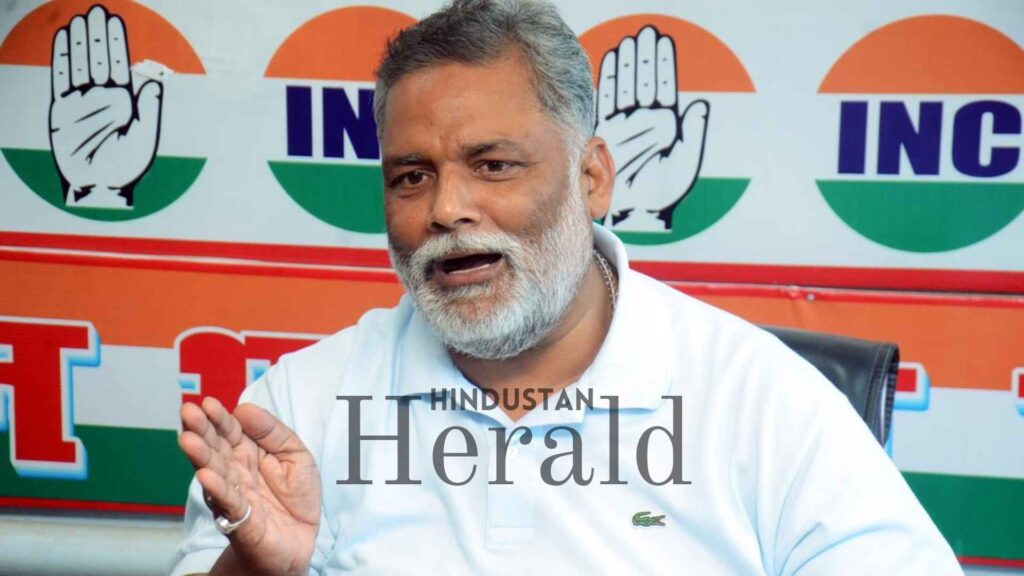
As reported by Lokmat Times, Pappu Yadav, the Independent MP from Purnia, defended Nitish Kumar, calling the gesture an act of “fatherly emotion”. The comment triggered fresh outrage, particularly online, where critics argued that paternal framing cannot excuse crossing personal boundaries. That said, beyond statements and social media reactions, there has been no formal move in the Bihar Assembly so far.
BJP’s Deflection And The Politics Around It
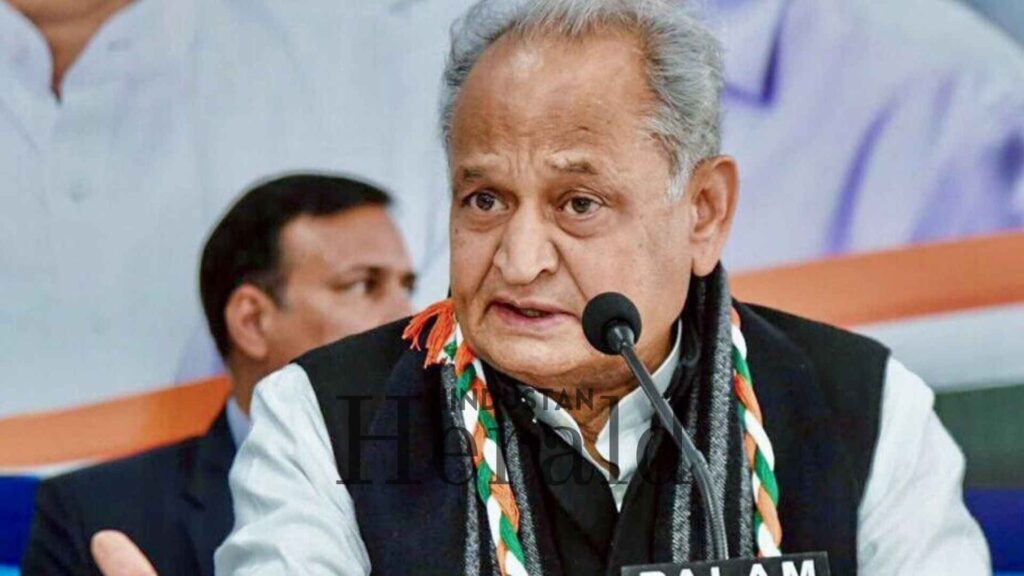
The controversy soon expanded into a broader political fight. According to The Times of India, the BJP attempted to counter opposition criticism by circulating an old video of former Rajasthan Chief Minister Ashok Gehlot, accusing the Congress of hypocrisy. The strategy was familiar. Shift attention. Change the subject. Turn defence into attack.
What went largely unanswered, however, was the central question being asked by the public. Should a chief minister, regardless of age or intent, touch a woman’s religious clothing in public?
On that, there was little clarity.
Anger Beyond Party Lines
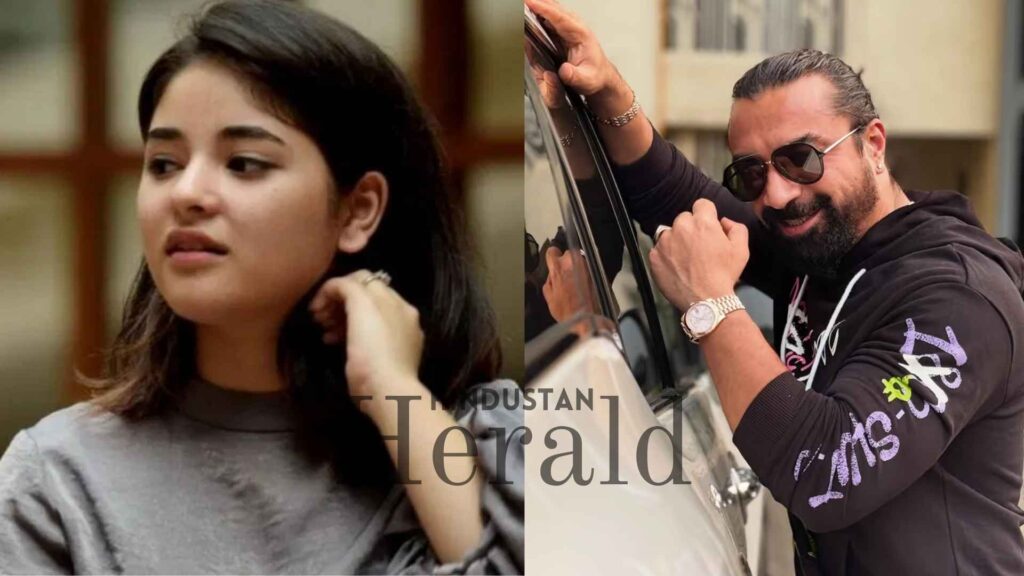
The reaction did not stay confined to politicians. Actor Eijaz Khan, speaking to ABP News, expressed visible anger, saying the incident reflected a troubling lack of sensitivity towards Muslims. His remarks found wide traction online. Former actor Zaira Wasim, who has stayed away from public debates since leaving the film industry, also reacted. According to The Times of India, she demanded an unconditional apology, calling the act deeply disturbing. Her statement resonated strongly, especially among young women.
From Jammu and Kashmir, Mehbooba Mufti and Aga Syed Ruhullah condemned the incident as a violation of dignity. As reported by Jagran, they questioned whether power and entitlement had overridden basic respect.
JD(U) Stands By Its Leader
Within the ruling Janata Dal United, the response was defensive. Zama Khan, a JD(U) minister, told ABP News that Nitish Kumar respects all religions and that the controversy was being inflated for political reasons. He cited the chief minister’s long public record and insisted there was no malicious intent. Supporters also pointed to Kumar’s age and experience, suggesting the act was not meant to offend. Others claimed the video did not show the full exchange.

No additional footage has been released. The Chief Minister’s Office has not issued a detailed explanation.
The Role Of Viral Videos In Modern Politics
This episode is also a reminder of how politics now operates in the age of smartphones.
A few seconds of video can overshadow decades of governance. Context struggles to keep up with outrage. According to tracking across platforms, the clip has been reposted thousands of times, often with captions that harden opinions rather than invite discussion. Some warn against judging leaders based on isolated visuals. Others argue that certain actions do not need lengthy explanations.
Both views coexist uneasily.
Silence And Its Consequences
As of now, Nitish Kumar has not spoken publicly about the incident. The silence has only intensified speculation. Is an apology coming? Will there be a clarification? Or will the government simply wait for attention to shift elsewhere. Whatever happens next, the episode has already altered the conversation around the chief minister. It has raised uncomfortable questions about authority, consent, and sensitivity, especially when power meets vulnerability.
For now, the controversy remains unresolved. The video continues to circulate. The anger has not entirely faded. And a moment that lasted seconds has left a political aftertaste that may linger much longer.
Stay ahead with Hindustan Herald — bringing you trusted news, sharp analysis, and stories that matter across Politics, Business, Technology, Sports, Entertainment, Lifestyle, and more.
Connect with us on Facebook, Instagram, X (Twitter), LinkedIn, YouTube, and join our Telegram community @hindustanherald for real-time updates.

Covers Indian politics, governance, and policy developments with over a decade of experience in political reporting.
- Ananya Sharma

- Ananya Sharma
- Ananya Sharma
- Ananya Sharma



 Rajiv Menon and Ananya Sharma