 By Rajiv Menon and Neeraj Kapoor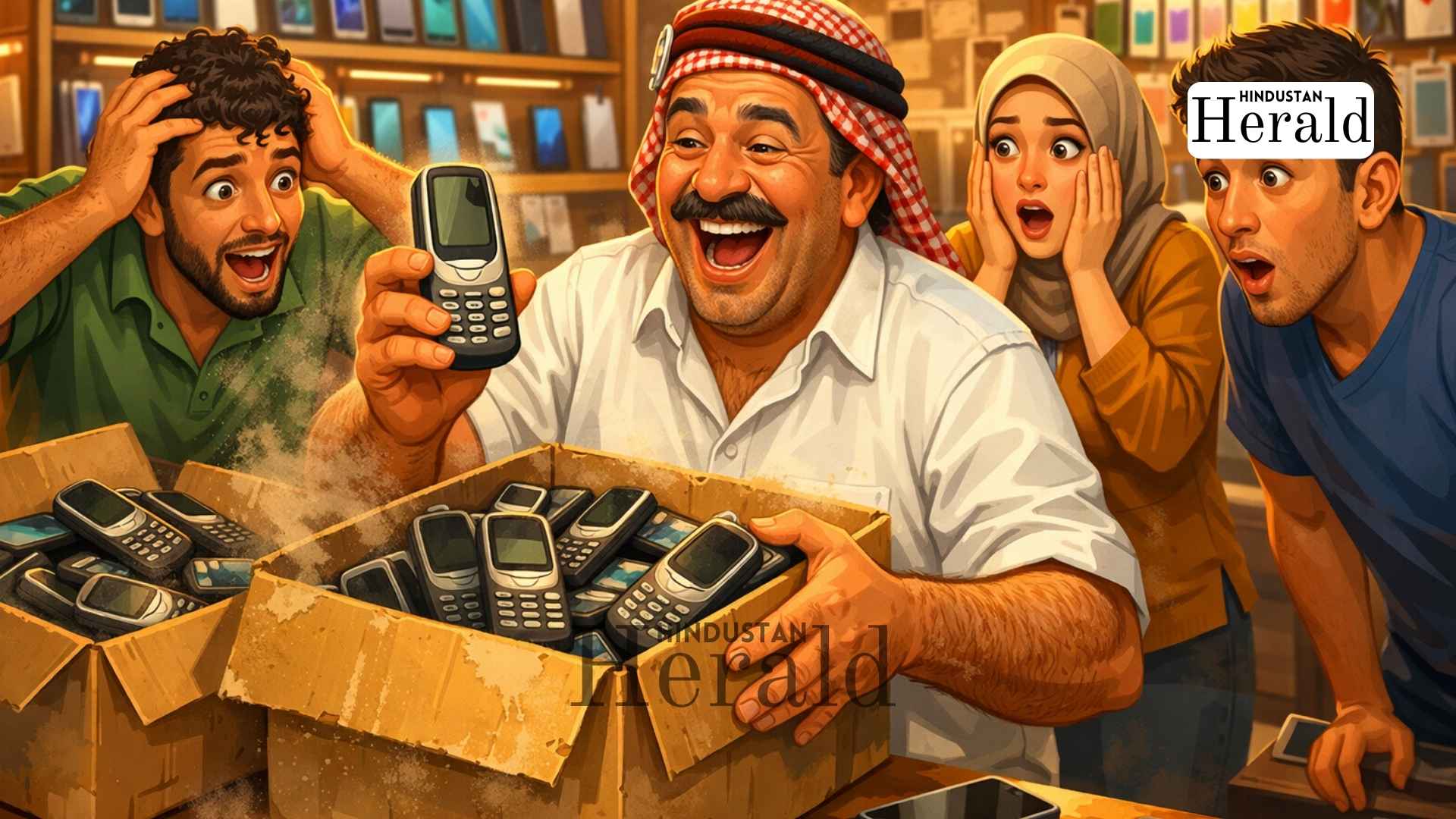
Tripoli, January 11: A short, grainy unboxing video from Tripoli has unexpectedly reopened a long chapter of Libya’s post-war economic dislocation, after a local phone dealer was seen opening brand-new Nokia handsets ordered in 2010 that reached him only now, 16 years later. The shipment, stranded for more than a decade in local storage facilities, became a viral sensation over the weekend, drawing global attention to how conflict quietly distorts even the most ordinary commercial transactions.
The clip shows the shopkeeper and his staff laughing in disbelief as they slice open sealed cardboard boxes containing keypad-era Nokia models, many of which vanished from global markets years ago. According to multiple media reports, the order was placed just months before Libya’s 2011 civil war, a conflict that fractured the country’s logistics, customs systems, and internal trade routes for years.
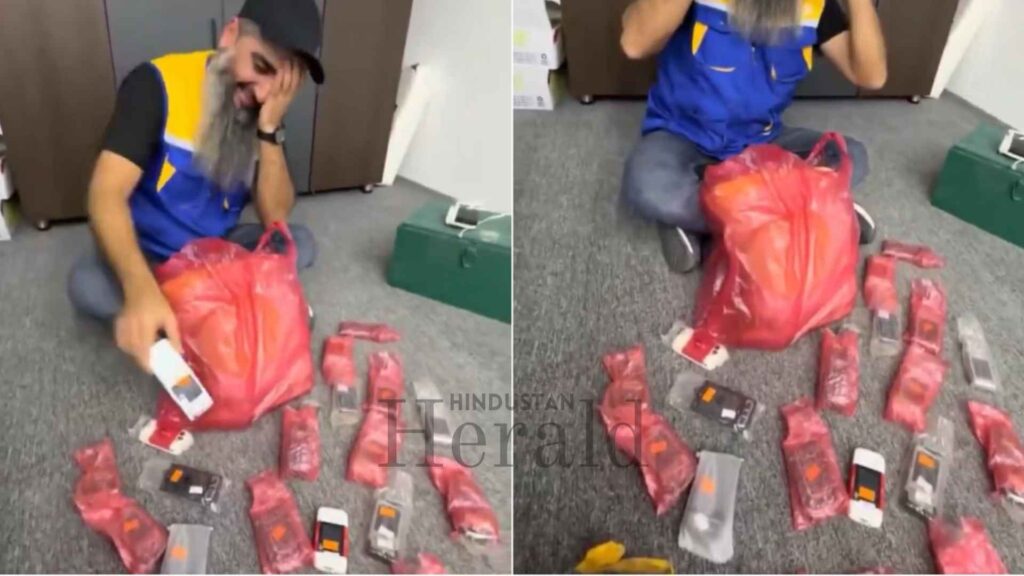
What sharpened the irony, viewers noted, was geography. The supplier and the recipient were located just a few kilometres apart within Tripoli, yet the phones remained undelivered for over a decade, trapped by paperwork paralysis, armed checkpoints, and collapsing state oversight.
A Shipment Frozen In Time
According to reporting by NDTV, TRT World, and Moneycontrol, the dealer had ordered what were then considered premium Nokia devices, including music editions and Communicator-style models, aimed at Libya’s urban middle class. At the time, Nokia dominated markets across North Africa, known for sturdy handsets that could endure heat, dust, and unreliable power.
Then came 2011.
The uprising against Muammar Gaddafi, followed by NATO intervention and prolonged factional fighting, shattered Libya’s customs, ports, and warehousing systems. As per the dealer’s account shared in the video, the consignment was not lost at sea or seized by militias. Instead, it sat untouched in local warehouses, repeatedly shifting between authorities as governments rose and fell.
As it turns out, the phones survived in their original shrink wrap, manuals intact, batteries sealed. Time passed. Touchscreens replaced keypads. Smartphones became disposable slabs of glass. And yet the shipment remained, quietly aging in bureaucratic limbo.
“Phones Or Artifacts?” The Moment That Went Viral
The video’s emotional core lies in its humour. As one box is opened, the shopkeeper jokes aloud, “Are these phones or artifacts?” The line, captured casually on camera, struck a chord online.
On X, Instagram, and Facebook, users replayed the moment as both comedy and commentary. Many invoked Nokia’s old reputation for being “indestructible,” joking that the phones had survived not only time but also a civil war. Others pointed out that some models might now fetch higher prices as vintage technology, especially among collectors nostalgic for early-2000s mobile design.
Still, the laughter carried an undertone of loss. Commentators from Libya and the wider region reflected on how many small businesses collapsed during the same years, never receiving delayed goods or unpaid invoices. This shipment, they said, was a rare survivor.
Why The Delay Matters Beyond Social Media
While the clip plays as light-hearted, analysts say it highlights a deeper issue. Libya’s commercial paralysis since 2011 has not only affected oil exports and state finances but also small traders, shopkeepers, and informal entrepreneurs who rely on predictable supply chains.
According to TRT World, thousands of similar consignments vanished into administrative black holes during the war years, often without records, insurance, or legal recourse. In many cases, businesses closed long before goods resurfaced.
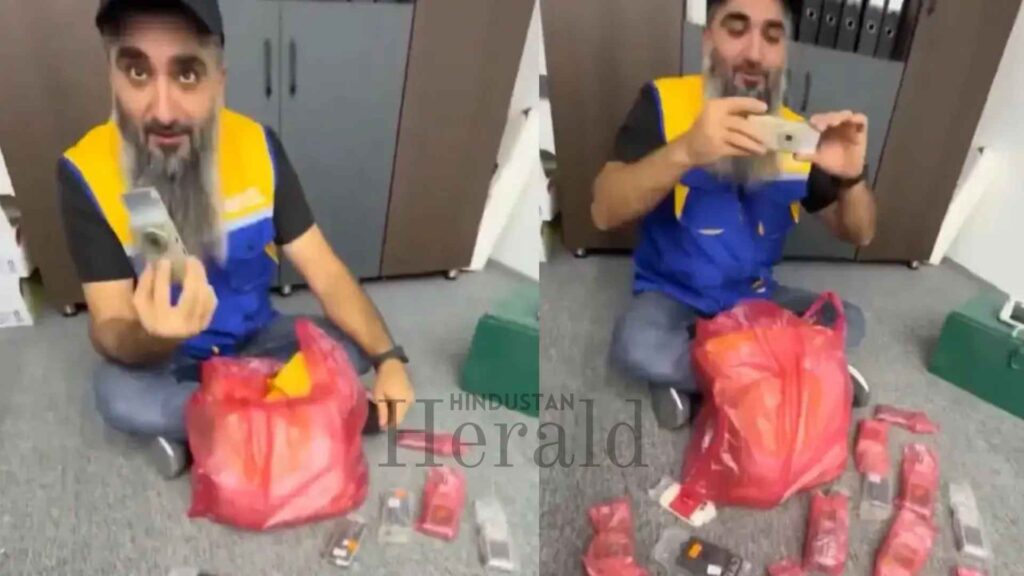
That this shipment resurfaced at all points to gradual improvements in internal logistics, even as Libya remains politically divided. Customs clearances have resumed in limited form in parts of Tripoli, and warehouse inventories are being audited for the first time in years.
For Libyan traders, the episode is less about nostalgia and more about unresolved economic damage. Capital frozen for over a decade represents lost opportunity, eroded purchasing power, and years of stalled growth.
Today’s Coverage Rekindles The Buzz
Interest in the story surged again on Sunday, after Republic World published a fresh recap embedding the viral clip and contextualising the delay. The article emphasised the absurdity of a 16-year delivery delay within the same city, while drawing attention to the shopkeeper’s dry humour.
A Facebook post by The MEST Times, also shared on Sunday, framed the unboxing as a reminder of how conflict reshapes daily life long after headlines fade. The post attracted thousands of reactions, particularly from users in the Middle East and South Asia, where Nokia once dominated the mobile landscape.
Indian audiences, familiar with Nokia’s former ubiquity, responded with particular nostalgia, recalling devices that “never died” and batteries that lasted a week.
From Viral Clip To Quiet Reckoning
For now, the shopkeeper appears unfazed. In follow-up comments reported by regional outlets, he joked that the phones might finally be sold as memorabilia rather than communication tools. Whether the devices ever make it to customers remains unclear.
Still, the episode has travelled far beyond a single shop in Tripoli. It has become a compressed symbol of how war bends time, freezing ordinary lives while the world moves on.
In a country still negotiating its political future, a box of obsolete phones has done what policy papers often cannot. It has shown, plainly and without slogans, how conflict lingers in warehouses, invoices, and unopened cartons long after the guns fall silent.
For viewers scrolling through the video today, the laughter is real. So is the loss beneath it.
Stay ahead with Hindustan Herald — bringing you trusted news, sharp analysis, and stories that matter across Politics, Business, Technology, Sports, Entertainment, Lifestyle, and more.
Connect with us on Facebook, Instagram, X (Twitter), LinkedIn, YouTube, and join our Telegram community @hindustanherald for real-time updates.
Specializes in South Asian geopolitics and global diplomacy, bringing in-depth analysis on international relations.
- Rajiv Menon

- Rajiv Menon
- Rajiv Menon
- Rajiv Menon





Tech writer passionate about AI, startups, and the digital economy, blending industry insights with storytelling.
- Neeraj Kapoor
- Neeraj Kapoor
- Neeraj Kapoor
- Neeraj Kapoor