
 By Ananya Sharma
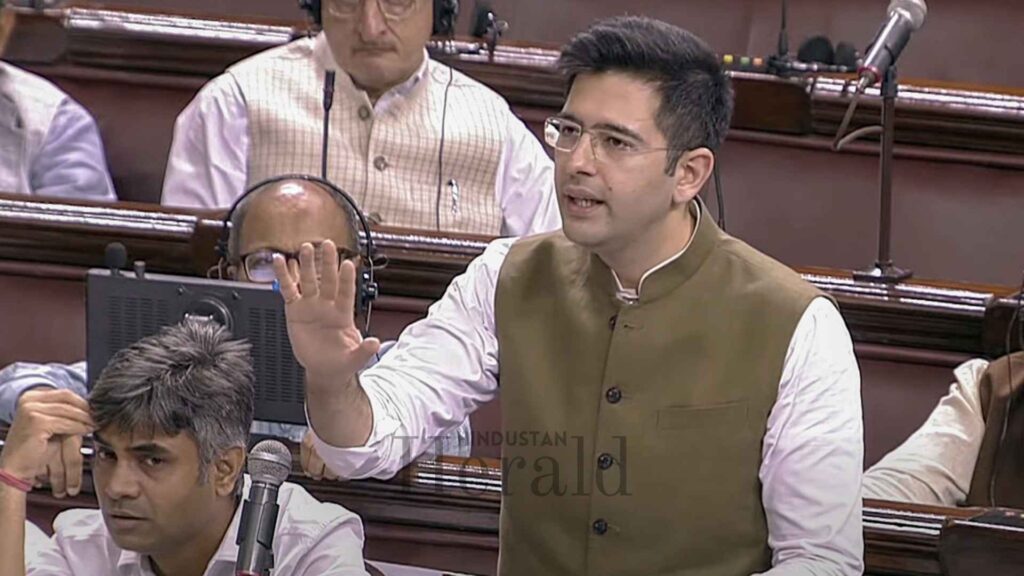
New Delhi, February 6: There are days in Parliament when speeches sound rehearsed, safe, and oddly detached from real life. February 5 was not one of those days.
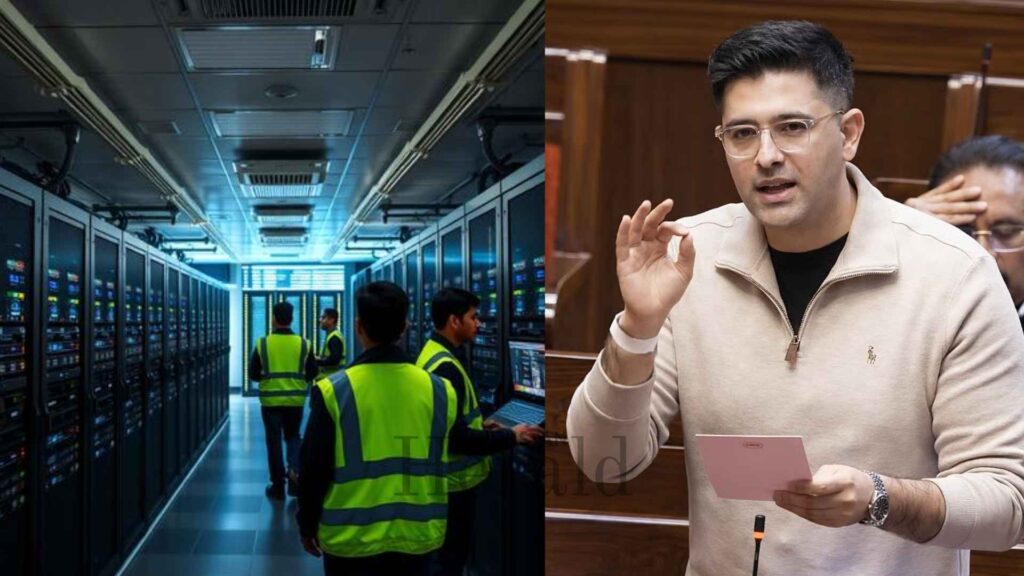
When Raghav Chadha took the floor in the Rajya Sabha, he was not chasing headlines or throwing slogans. He was talking about something most people outside the tech world barely think about, yet something that quietly decides whether India’s AI dreams survive or collapse.
Powerful computers. Or the lack of them.
Chadha’s point was simple enough for anyone to understand. India can talk about artificial intelligence all it wants. But without the right machines, all that talk goes nowhere.
A Problem Most People Never Hear About
Artificial intelligence does not run on magic. It runs on specialised computer chips called GPUs. These are the engines behind everything from language translators to medical scans to chatbots.

Chadha told the House that India has access to only about 34,000 such GPUs today. In global terms, that number is tiny.
To put it plainly, some foreign companies train their AI systems using more computing power than what the entire country of India currently has pooled together.
That is the gap he wanted Parliament to notice.
“This Is Not About Talent Or Funds”
One part of Chadha’s speech landed particularly hard.
He said this shortage has nothing to do with a lack of money.
It has nothing to do with a lack of engineers.
India has both.
The problem, he argued, is that the machines are scarce, extremely costly, and controlled by a few global players. Prices have shot up. Waiting periods run into months. Smaller Indian startups are simply priced out.
As a result, many ideas never even reach the testing stage. Not because they are bad ideas, but because the computers needed to run them are unavailable.
The Questions That Still Hang In The Air
Chadha then did something MPs do not often do in tech debates. He asked for specifics.
How many GPUs does India actually want?
By when?
What is the plan if global supply tightens further?
What diplomatic efforts are underway to secure access to advanced chips?
These were straightforward questions. They required clear answers.
As of February 6, there has been no detailed public response from the government addressing them.
What The Government Says So Far
The official line is that India has brought together around 34,333 GPUs under the IndiaAI Mission, largely through partnerships with private companies.
On paper, it sounds encouraging.
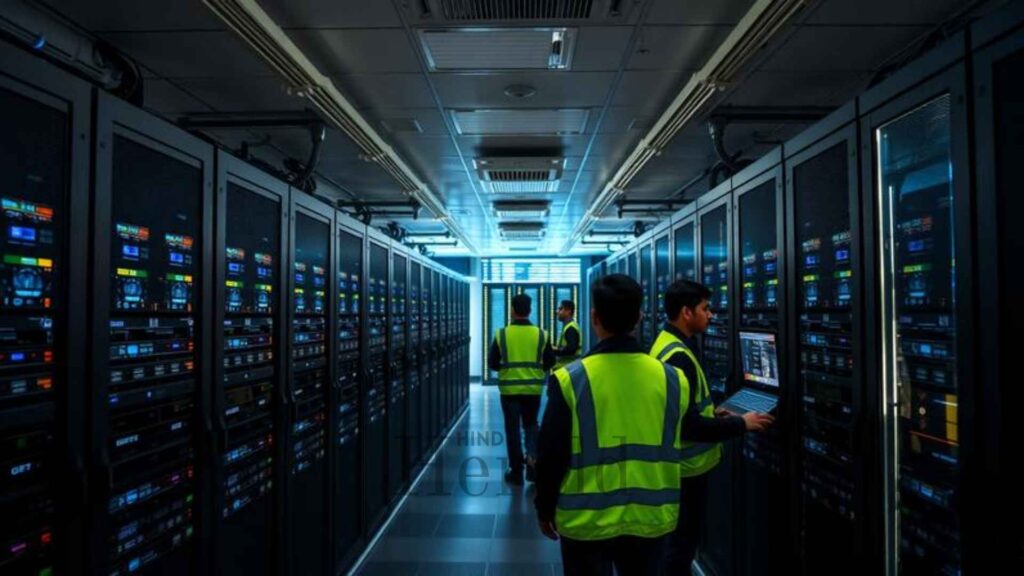
But people working in the field say the reality is less rosy. Many of these machines are older, already tied up with specific projects, or simply not powerful enough to train advanced AI systems.
In other words, the number exists. The freedom to use them does not.
Why The World Makes This Harder
There is another layer to this problem. Global politics.
Advanced AI chips are mostly produced by a handful of companies abroad. The United States has placed export restrictions on top-end AI hardware, tightening supply worldwide.
India is not the main target. Still, the impact is real. Priority goes elsewhere. Everyone else waits longer and pays more.
This is why Chadha spoke about geopolitics, not just technology. Today, AI hardware is strategic. It is no longer just a market commodity.
Long-Term Promises, Short-Term Reality
The government has pointed to plans. Union Minister Ashwini Vaishnaw has spoken about adding 18,000 more AI servers and developing Indian-made GPUs within three to five years.

Those plans matter. But AI does not wait.
A few years’ delay can mean missing an entire generation of innovation. Startups cannot freeze progress and hope the world pauses with them.
Who Pays The Price Right Now
The effects are already visible.
Startups rent computing power from foreign cloud companies, paying heavily and worrying about where their data ends up.
Universities struggle to give students real exposure to cutting-edge AI systems.
Data centre companies, once eager to expand, now hesitate because the hardware supply is uncertain.
This is not a future risk. It is a present constraint.
Why This Speech Matters
What made Chadha’s intervention stand out was not drama, but clarity. He stripped away buzzwords and brought AI down to its physical foundation.
By doing so, he forced Parliament to confront an uncomfortable truth. You cannot build digital power without physical infrastructure.
And Then, Silence
As of February 6, there have been no new announcements, no timelines, and no clear commitments to address the concerns raised in the House.
The next moment to watch is the India AI Impact Summit on February 16, where the government is expected to outline its roadmap.
Until then, the warning remains on record.
India wants to lead the AI race. But ambition alone will not get it there. Without enough computing power, the country risks watching that race from the sidelines.
Stay ahead with Hindustan Herald — bringing you trusted news, sharp analysis, and stories that matter across Politics, Business, Technology, Sports, Entertainment, Lifestyle, and more.
Connect with us on Facebook, Instagram, X (Twitter), LinkedIn, YouTube, and join our Telegram community @hindustanherald for real-time updates.

Covers Indian politics, governance, and policy developments with over a decade of experience in political reporting.
- Ananya Sharma

- Ananya Sharma
- Ananya Sharma
- Ananya Sharma




 Arun Upadhayay and Ananya Sharma