
 By Ayesha Khan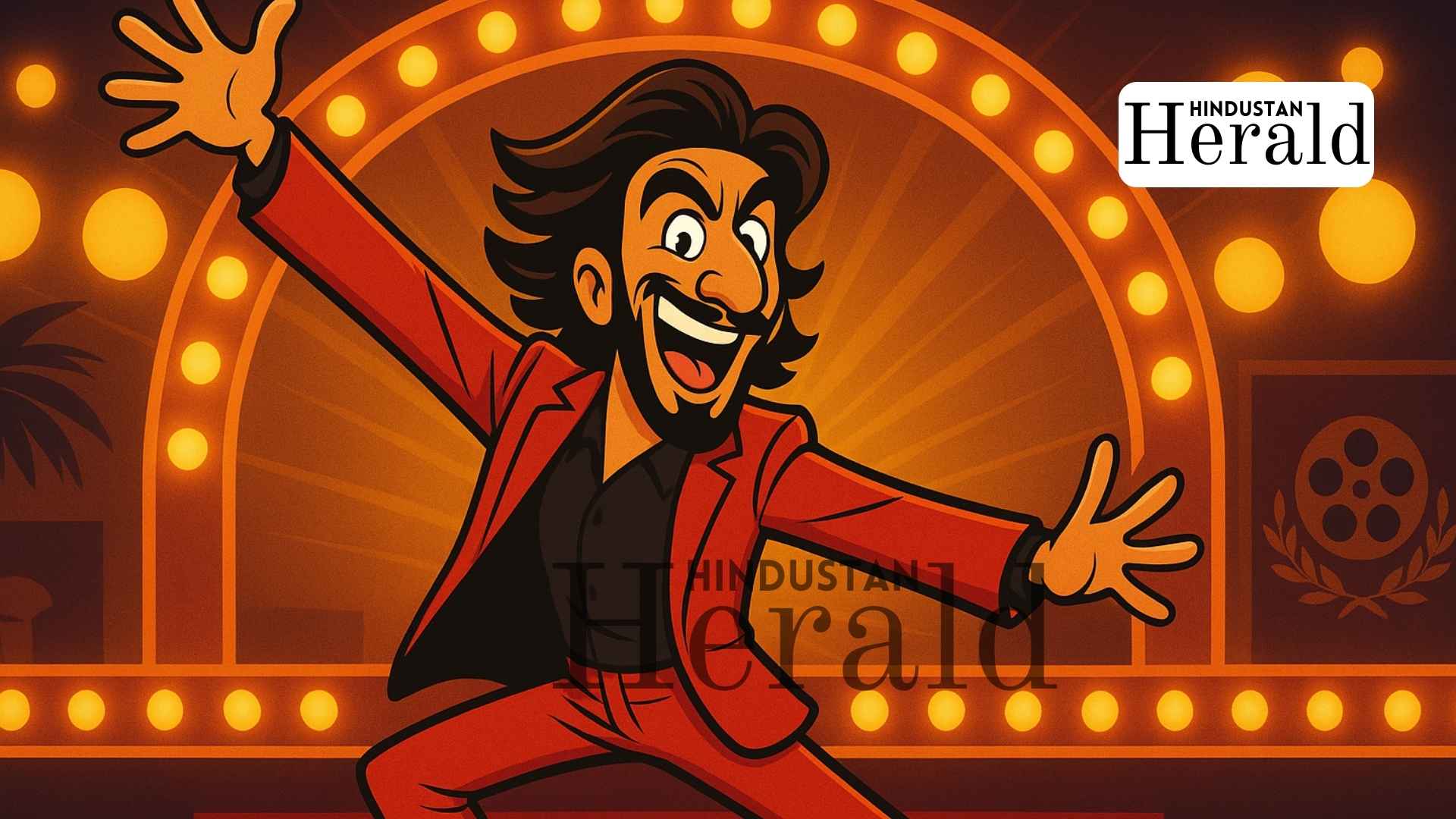
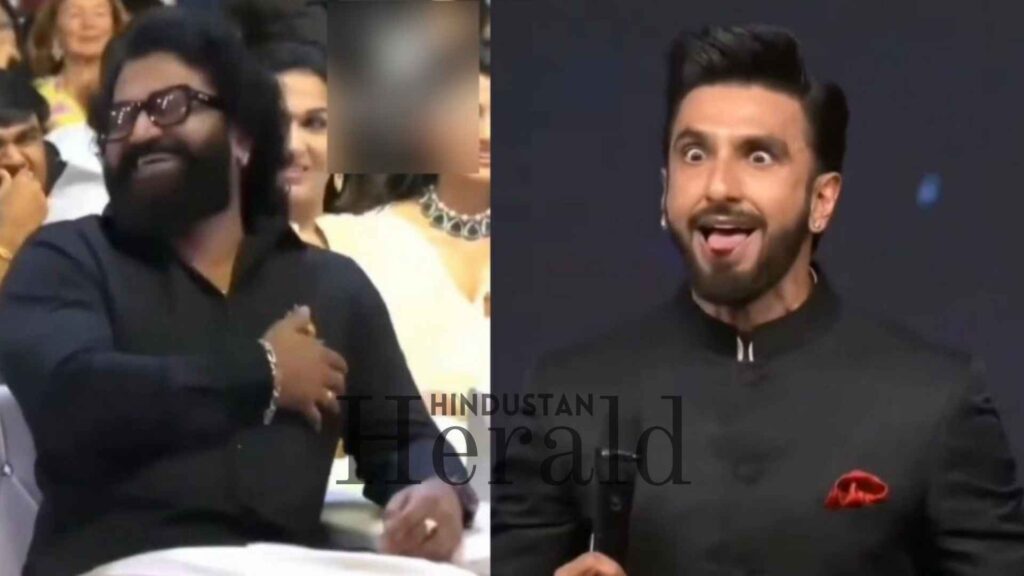
Panaji, November 30: What was meant to be a loud, playful tribute at the International Film Festival of India has suddenly turned into the week’s most debated misstep. Ranveer Singh, known for throwing himself into any stage with more energy than most people bring to entire festivals, tried to mimic the intense scream from Kantara during the closing ceremony. While doing it, he casually referred to Chavundi, a figure deeply respected in the Daiva tradition, as a female ghost.
People who follow or belong to the coastal Karnataka folk practices didn’t see it as a slip of the tongue. They saw it as a slight. And the reaction has been quick, public, and angry.
Why His Words Cut Deep
For anyone who discovered these traditions only after Kantara hit theatres, the uproar may feel sudden. But for devotees and performers of Bhoota Kola and the larger Daiva system, this is not just cultural trivia. Chavundi is tied to the sacred universe surrounding Guliga Daiva, regarded as a protector goddess whose place in the ritual traditions is unquestioned.
As reported by Tea Time Telugu, she is not a ghost or an apparition meant for casual banter. Her presence is central to annual rituals, local identity and generational memory. So when a mainstream Bollywood star uses her name lightly on a national stage, it is not simply a joke falling flat. It feels like a lack of respect from someone who should know better, especially now that Kantara has given these traditions nationwide visibility.
Still, this is not the first time India has seen a celebrity wander into culturally sensitive territory without meaning to. Our folk traditions are vast and specific, and often what seems like playful imitation to one crowd lands as ignorance to another. Ranveer’s moment on stage is sitting squarely in that gap.
The Crowd Reacted In Real Time, And Online Anger Followed
Audience reactions during the show itself were mixed. According to Gulte and M9 News, some people laughed, mostly out of habit, when a star tries to be funny. But others looked visibly uneasy. A few fell silent almost instantly.
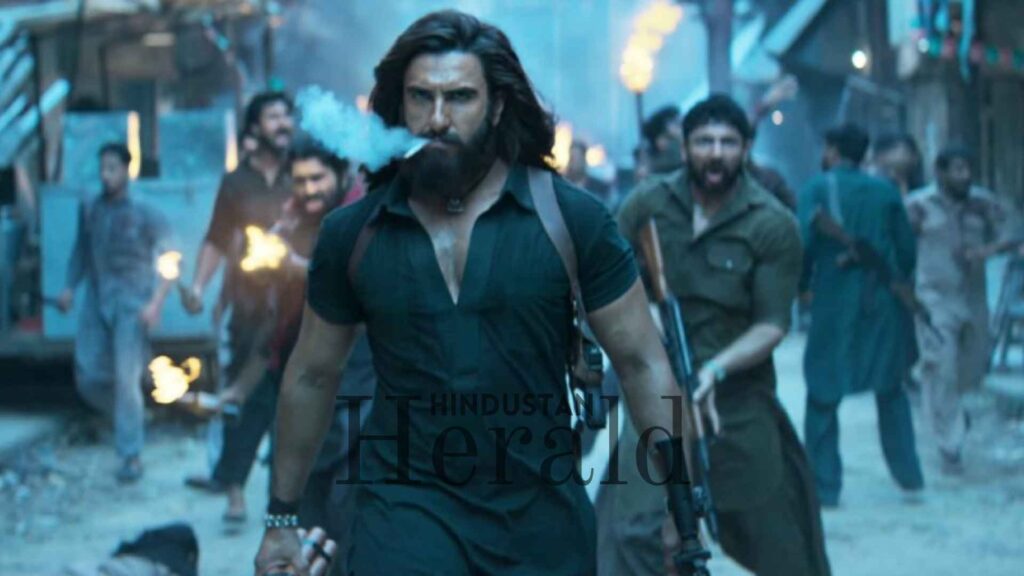
By the time clips hit social media, the discomfort had hardened into outrage. Posts began calling for Ranveer to apologise. Some went further, describing the act as disrespectful or mocking a sacred tradition. And in a familiar pattern, a few groups jumped straight to calls for boycotting Durandhar, his film set to release in early December.
Whether these boycotts gather real traction is impossible to predict. They often flare up online and fizzle in the real world. But ahead of a film’s release, even a temporary cloud can feel heavier than it should.
Silence From Ranveer And The Kantara Camp
As of now, Ranveer has not issued any statement. No apology, no clarification, not even a quick social post. His team seems to be watching the situation quietly, which is not unusual, but the longer the silence stretches, the more fans and detractors fill the gaps with their own interpretations.
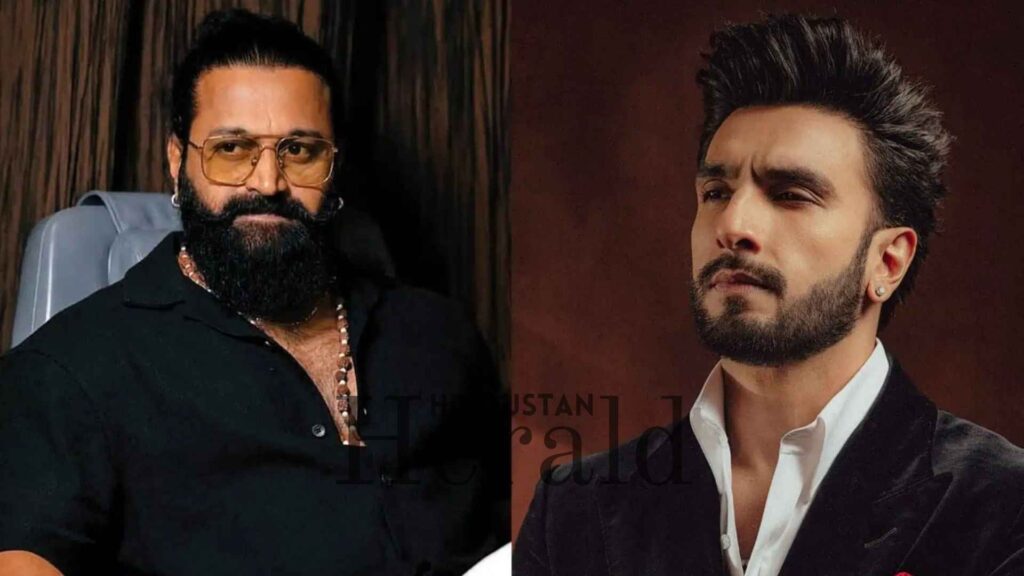
Interestingly, the makers of Kantara, who usually stay cautious around controversies involving the film’s cultural themes, have also not responded. Neither have religious groups or performers associated with the Daiva traditions. Their silence is hard to read. It could mean they are waiting for the noise to settle, or they might not see the moment as worthy of formal intervention.
A Reminder That India’s Cultures Are Not Casual Props
Ranveer’s misstep has highlighted something that many artists, especially those with massive national platforms, are constantly navigating. India’s cultural landscape is wide but also extremely rooted. Not every symbol is portable. Not every deity can be turned into an onstage punchline.
Kantara may have brought the Daiva tradition into mainstream conversation, but popularisation does not flatten the sacredness of the practice. If anything, it makes its practitioners more protective. The emotional weight that comes with centuries of tradition does not vanish just because a film introduced it to the country.
As it turns out, this is the thin line many celebrities walk. They want to celebrate culture, but occasionally stumble into misrepresentation. And when the culture in question is as intimate and as lived as the Daiva system, even a careless word can sting.
Will Durandhar Feel The Heat
The obvious question now is whether the controversy will hit the release of Durandhar. Early boycott calls rarely translate into measurable impact, but they influence public mood in unpredictable ways. Even a fraction of the offended audience turning away can shape opening numbers.
More importantly, Ranveer’s brand is built on being spontaneous, unfiltered, and joyous. That image is usually an asset. But moments like this remind everyone, including him, that spontaneity can backfire when cultural lines are involved. A brief apology or acknowledgement may be all that is needed to steady things, but until he speaks, the debate will keep growing.
Where Things Stand
Right now, the situation is fluid. If Ranveer addresses the issue sincerely, the anger may settle. If he chooses not to, it may linger in pockets of Karnataka and among those who feel protective of the Daiva tradition.
The bigger takeaway is about sensitivity. Public stages are watched more closely than ever. A single misplaced word can ripple into religious sentiment, identity politics and online outrage in a matter of hours.
For Ranveer, this moment is an unexpected stumble. For many in coastal Karnataka, it is a reminder that their traditions deserve more than surface-level references on glamorous stages.
Stay ahead with Hindustan Herald — bringing you trusted news, sharp analysis, and stories that matter across Politics, Business, Technology, Sports, Entertainment, Lifestyle, and more.
Connect with us on Facebook, Instagram, X (Twitter), LinkedIn, YouTube, and join our Telegram community @hindustanherald for real-time updates.

Covers films, television, streaming, and celebrity culture with a focus on storytelling trends.
- Ayesha Khan

- Ayesha Khan
- Ayesha Khan
- Ayesha Khan