
 By Ananya Sharma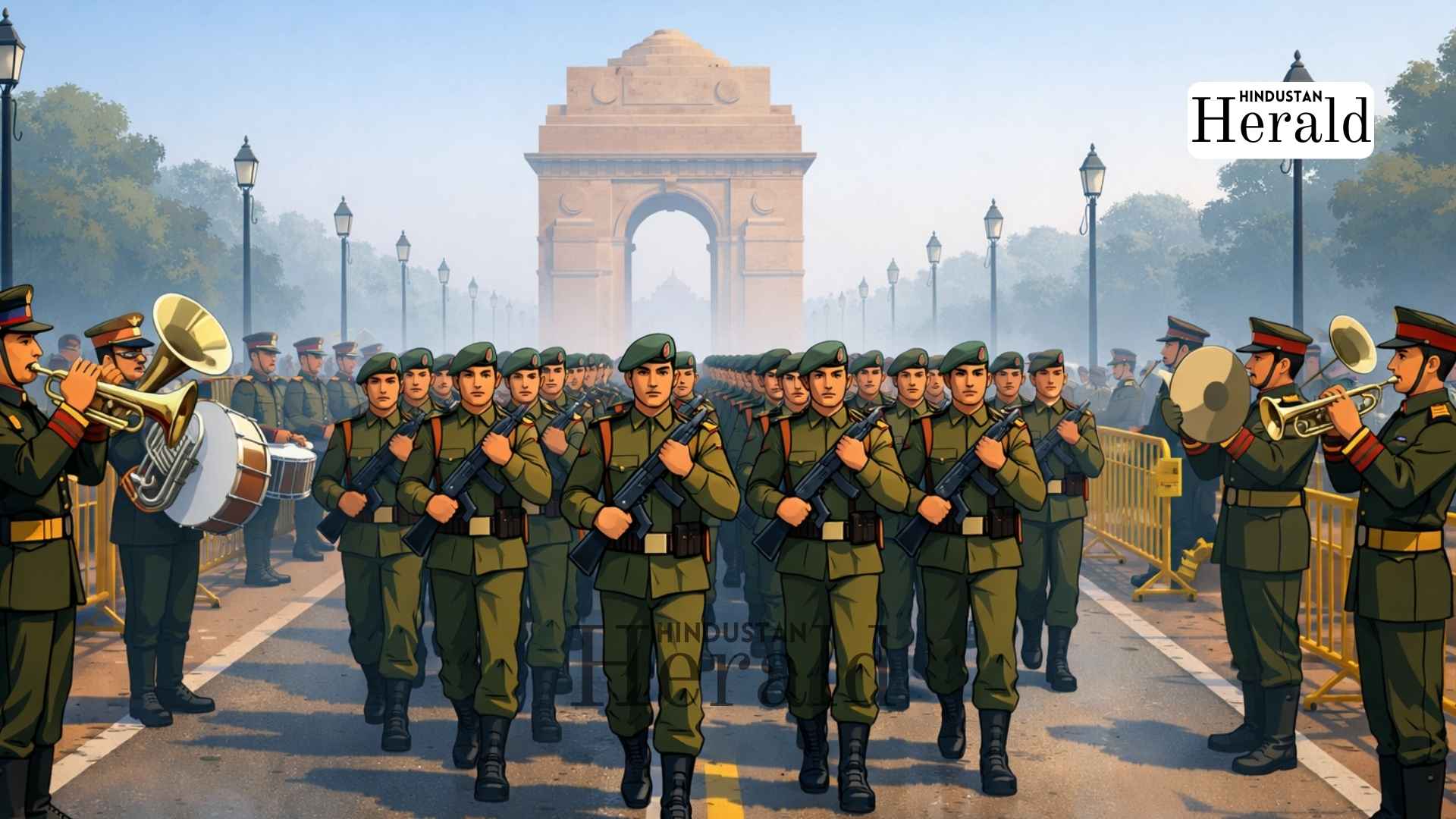
New Delhi, January 20: By mid-morning, it was clear that central Delhi was not meant for regular life today. Roads were sealed off. Barricades appeared overnight. Traffic slowed to a crawl well before office hours ended. Anyone who has lived in the capital long enough knows the reason without asking.
Republic Day rehearsals were back.
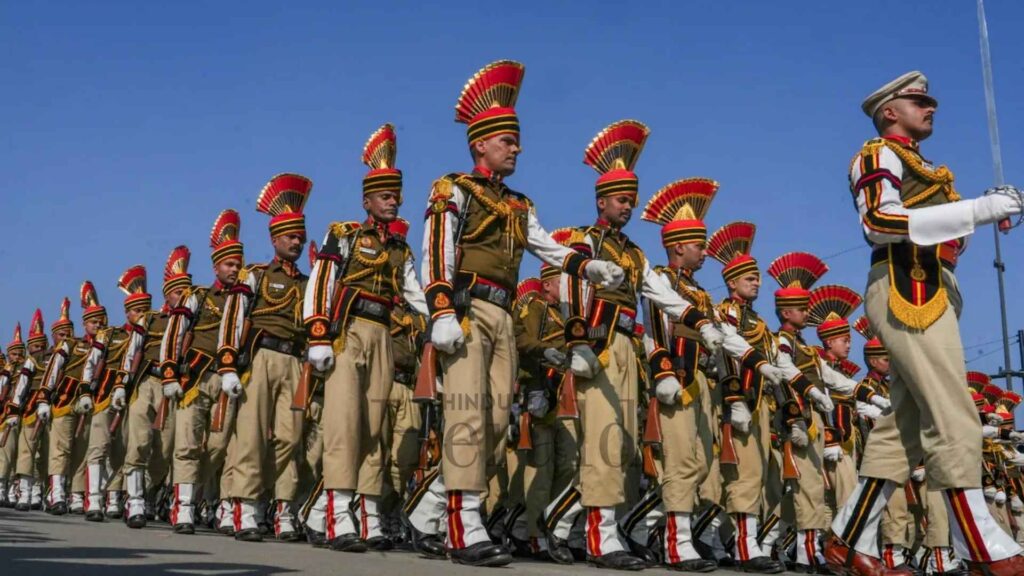
This Tuesday marked the third full-dress rehearsal for the 77th Republic Day parade, and the city’s ceremonial heart once again belonged to marching soldiers, military bands, and tightly coordinated security teams. From 10:15 AM to 12:30 PM, Kartavya Path was completely off-limits to civilians, reserved instead for the final polishing of an event watched by millions every year.
For most people stuck in traffic or rerouted through unfamiliar lanes, it was an inconvenience. For those inside the barricades, it was another tough morning of standing, marching, correcting, and repeating.
No drama. No speeches. Just discipline.
What Today Actually Looked Like
There is a popular belief that Republic Day rehearsals are glamorous. They are not. Today’s session was quiet, serious, and exhausting.
Marching contingents moved from Vijay Chowk towards India Gate, following the same route they will take on January 26. Officers walked alongside formations, stopping them when lines broke or spacing drifted. Commands were repeated. Movements were redone.
Military bands played the same sections again and again until the timing matched the footwork. A few seconds too fast or too slow can throw off the entire parade. That pressure is very real, especially this close to the big day.
Nobody clapped. Nobody smiled much. This was a rehearsal in its truest sense.
Why These Rehearsals Matter So Much
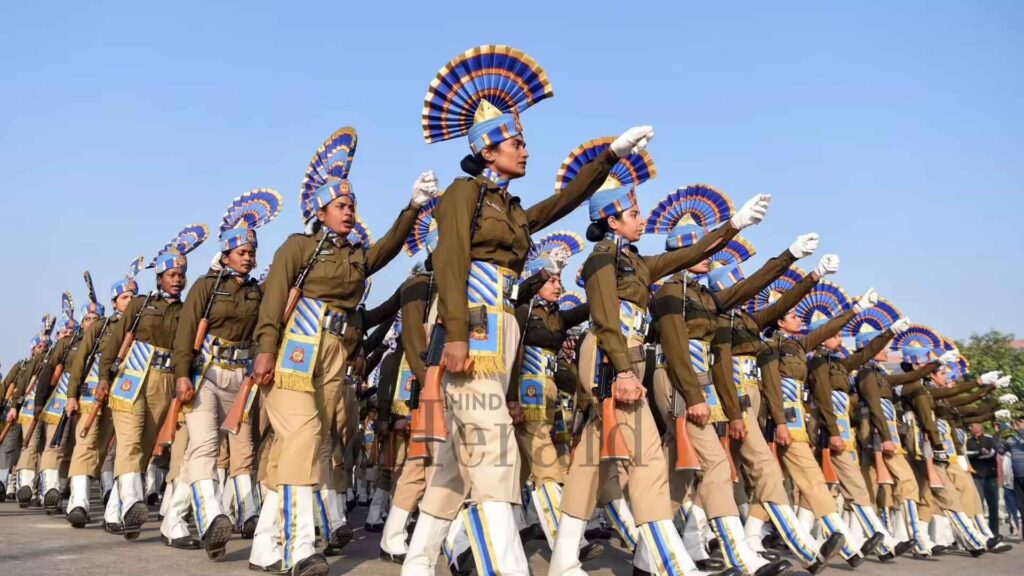
The full-dress rehearsals are held on January 17, 19, 20, and 21. By the third day, there is little room for experimentation. Most things are already decided. What remains is fixing small mistakes before they become big embarrassments.
Units from the Army, Navy, and Air Force, along with central armed police forces, ran through their sequences today. Many of these personnel have done this parade before, some several times. Even then, the stress does not reduce.
A missed turn near Vijay Chowk can delay everything behind it. A delayed band performance affects television timing. A mechanical issue with a vehicle can halt the entire line.
That is why rehearsals are taken so seriously. This is not just a parade. It is a national event, with foreign guests, live broadcasts, and heavy security involved.
Tableaux Bring Colour, And Headaches
For the public watching on television, the tableaux are often the most memorable part of the parade. Bright colours, cultural themes, dancers, and large moving structures catch the eye instantly.
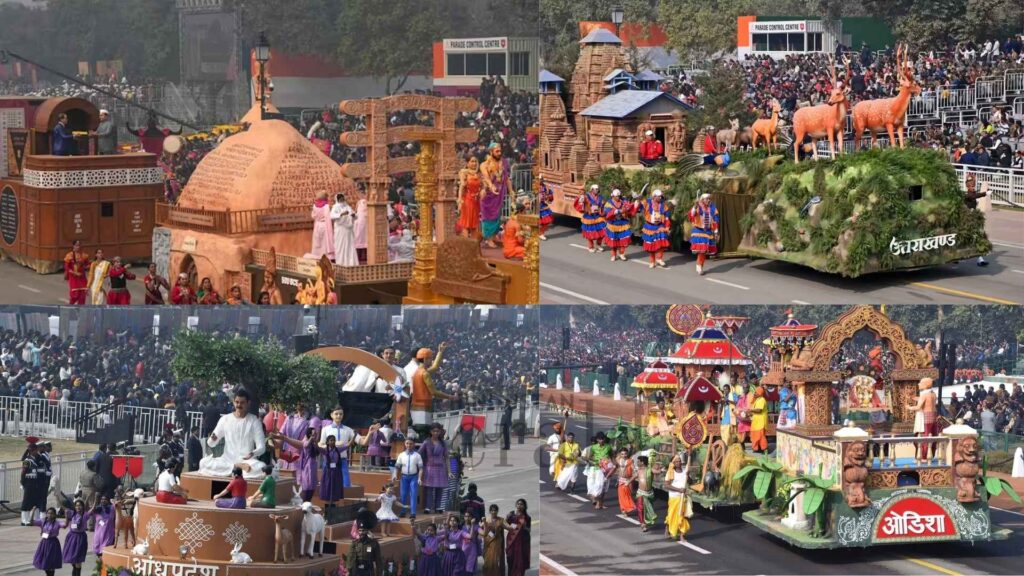
Behind the scenes, they are also the most complicated.
Each tableau has moving parts. Platforms rise and fall. Performers must hold poses for long stretches. Vehicles must move at a fixed speed without jerks. During today’s rehearsal, officials kept a close watch for even minor faults.
If something breaks down on Republic Day, there is no way to fix it on the spot.
Designers have been told to keep things simple and clear. A tableau passes the main viewing area in seconds. If people cannot understand the theme quickly, the effort is wasted.
Rehearsals help expose these problems early.
January 26 Is Almost Around The Corner
The Republic Day parade will start at 9:30 AM on Monday, January 26, 2026. Nearly 10,000 guests, including spouses, will be seated along the route. Many of them are workers, artists, athletes, and others chosen to represent everyday India.
Security arrangements are tight and layered. These rehearsals also double as testing grounds for those systems. Communication between agencies, response time checks, and surveillance drills all happen quietly in the background.
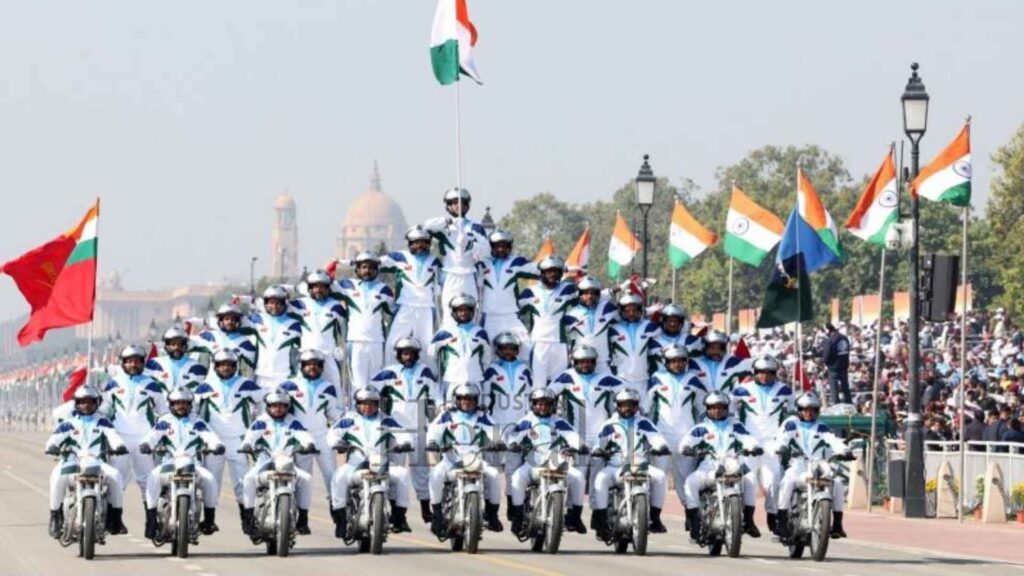
By the time the actual parade begins, most scenarios have already been practised.
Delhi Pays The Price In Traffic
There is no escaping the fact that rehearsals disrupt daily life. Roads like Kartavya Path, Rafi Marg, Janpath, Man Singh Road, and areas around C-Hexagon were either closed or tightly controlled today.
Traffic police advisories asked people to avoid central Delhi altogether during rehearsal hours. Metro services continued, but stations near the route saw stricter security checks.
This pattern will repeat on January 21, during the final rehearsal, and again on January 26. For many Delhi residents, it is an accepted January headache.
After Republic Day, One Final Tradition
Once the parade is done, the celebrations do not end immediately. The Beating the Retreat Full Dress Rehearsal is scheduled for January 28, followed by the main ceremony on January 29 at Vijay Chowk.
It is a calmer, more reflective event, centred around military music and the formal lowering of flags. It officially marks the end of Republic Day functions.
Lessons from parade rehearsals often carry over directly into Beating the Retreat planning.
The Side Of Republic Day Most People Never See
What television cameras show on January 26 is a smooth, colourful, confident parade. What they do not show are these rehearsal days.
Long hours standing in the cold. Repeating the same movement ten times and getting corrected for a mistake that most people would never notice.
There is something oddly reassuring about this routine. Every year, the same roads close. The same sounds return. The same discipline takes over the centre of the capital.
By the time the parade finally rolls out, it will look effortless. That effortlessness is earned here, on mornings like today, when New Delhi quietly becomes a training ground for one of the country’s most important days.
Stay ahead with Hindustan Herald — bringing you trusted news, sharp analysis, and stories that matter across Politics, Business, Technology, Sports, Entertainment, Lifestyle, and more.
Connect with us on Facebook, Instagram, X (Twitter), LinkedIn, YouTube, and join our Telegram community @hindustanherald for real-time updates.

Covers Indian politics, governance, and policy developments with over a decade of experience in political reporting.
- Ananya Sharma

- Ananya Sharma
- Ananya Sharma
- Ananya Sharma



 Rajiv Menon and Ananya Sharma