
 By Kavita Iyer
Mumbai, December 17: By the time the trading screens settled on Tuesday evening, the rupee had already lived through an entire week’s worth of anxiety in a single session. It opened weak. It slipped further. And then, briefly, it crossed a line most dealers had hoped would hold. ₹91.08 to the dollar. A number that, until now, belonged more to forecasts than to real trades.
What followed was not a rally born of optimism. It was a rescue. The Reserve Bank of India stepped in, hard enough to be noticed, and the rupee pulled back to around ₹90.38 by the close. The fall stopped. For the moment.
A Slippery Start, And No Buyers In Sight
The early hours told the story plainly. The rupee opened around ₹91.07, already under strain from overnight dollar strength. There was no panic at first. Just selling. Steady, relentless selling. Importers were active. Oil companies, as usual, were hunting dollars. Exporters stayed quiet. Nobody wanted to be early.
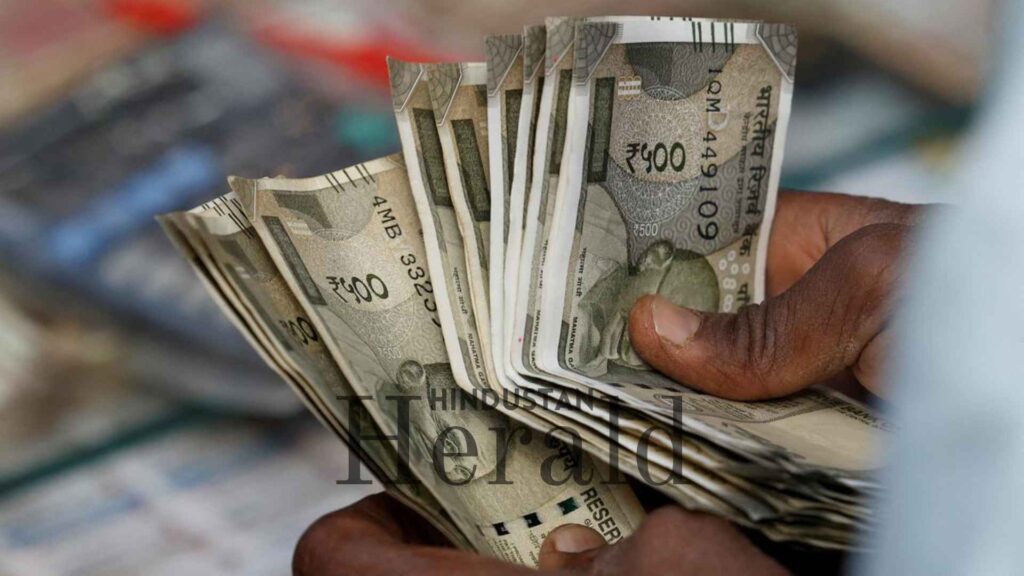
When the rate ticked past 91, the mood shifted. This was not just another weak open. This was a record. According to The Economic Times, foreign portfolio outflows and repatriation flows continued to drain demand for the rupee. There was nothing dramatic in the data. That was part of the problem. The weakness felt structural.
When the Central Bank Shows Its Hand
Then the market changed direction. Traders began spotting state-run banks offering dollars, first cautiously, then in size. It did not take long for desks to connect the dots. As Reuters reported later, the RBI had entered both the spot and forward markets, determined to stop what had become a one-way slide.
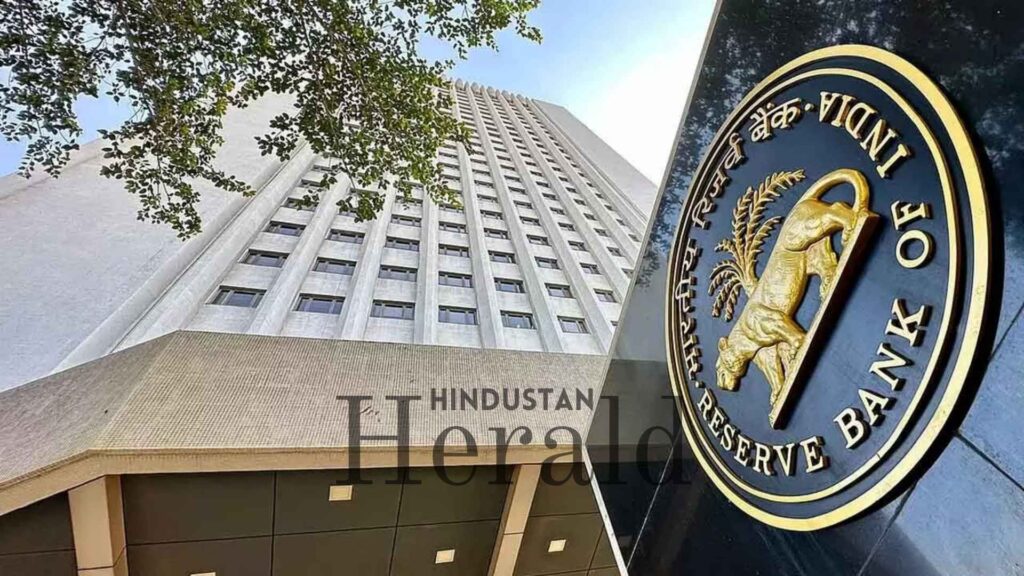
The recovery was quick. Too quick to be organic. Speculative positions were unwound. Importers backed off. The rupee climbed, almost grudgingly, paise by paise, until it was clear the worst of the day was over.
By the close, the rupee had gained roughly 55 paise, ending a five-session losing streak. It was one of its strongest single-day moves in months. Nobody on the trading floor mistook it for a trend reversal.
Stability Bought, Not Earned
The intervention did what it was meant to do. It restored order. As The Times of India noted, the day’s rebound ranked among the sharpest in seven months. But relief came with restraint. Dealers knew this was about slowing the fall, not changing the direction.
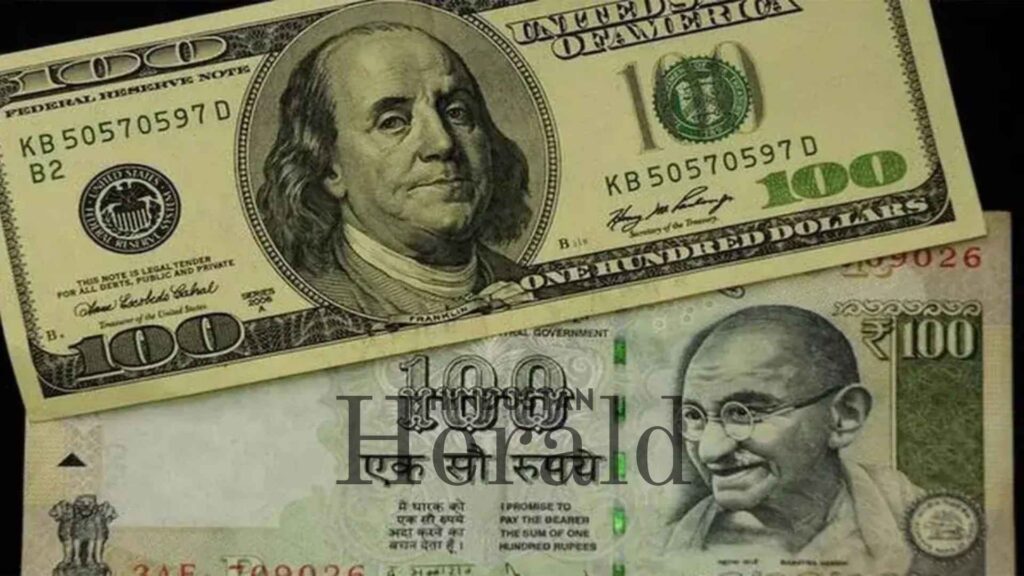
The RBI has made this point before, without saying it aloud. It does not defend levels. It defends stability. Tuesday fit that pattern perfectly.
Why the Pressure Has Not Gone Away
Strip away the drama and the rupee’s problem remains familiar. Global money is sitting in dollars. US yields are high. Risk appetite is thin. Emerging markets are paying the price.
India is not an outlier here, but it has its own vulnerabilities. A heavy import bill, persistent demand for dollars, and foreign investors who have found better returns elsewhere.
Reuters pointed to maturing offshore hedges adding to near-term demand. Dealers spoke of year-end positioning amplifying every move. None of this disappears because of one strong close.
Volatility Is Back, And It Shows
Over the past week, USD-INR has swung between the high 89s and just over 91. That kind of range rattles hedgers and invites speculation.
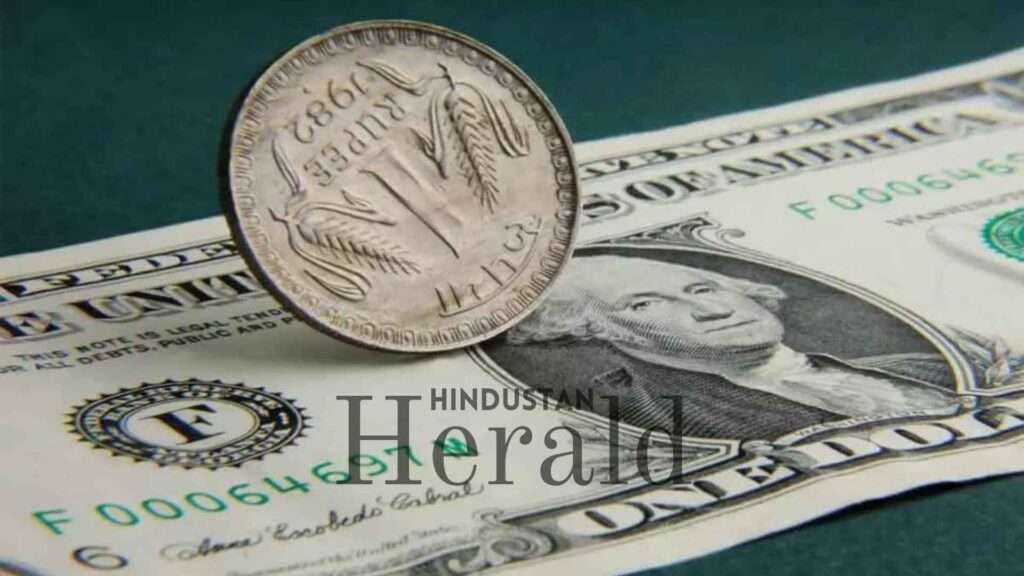
Exporters wait. Importers rush. The market lurches. For the RBI, volatility is often the red line. Not weakness itself, but the speed of it. Tuesday’s action reflected that discomfort.
The “91” Talk Outside the Market
Away from trading desks, the rupee’s brush with 91 took on a life of its own. On social media, users began sharing posts about the coincidence between the exchange rate and India’s ISD code, +91. It was treated as irony, symbolism, and sometimes humour.

There is no economic meaning to it. No policymaker is paying attention to dialing codes. There has been no official comment acknowledging the chatter. But the fact that it spread says something. Currency stress is no longer abstract. People notice. They talk.
Winners, Losers, And Uneasy Trade-Offs
A weaker rupee still helps exporters. IT firms, pharma companies, and manufacturers selling abroad all benefit on paper. But sharp moves complicate contracts. Volatility eats into planning. Stability matters more than levels.
Importers feel the pain immediately. Crude oil, electronics, and capital goods become more expensive. Over time, that feeds inflation. This is the balance the RBI is always managing. Growth versus stability. Flexibility versus control.
What This Day Actually Changed
Tuesday did not fix the rupee. It reminded the market that there are limits to how fast it can fall. The ₹90–91 zone is now firmly under watch. Traders expect the RBI to return if moves become disorderly again. They also expect pressure to resume if global conditions do not ease.
As it stands, the rupee is standing, not strengthening. It survived the day. Nothing more. For now, that is enough.
Stay ahead with Hindustan Herald — bringing you trusted news, sharp analysis, and stories that matter across Politics, Business, Technology, Sports, Entertainment, Lifestyle, and more.
Connect with us on Facebook, Instagram, X (Twitter), LinkedIn, YouTube, and join our Telegram community @hindustanherald for real-time updates.

Former financial consultant turned journalist, reporting on markets, industry trends, and economic policy.
- Kavita Iyer

- Kavita Iyer
- Kavita Iyer
- Kavita Iyer




 Ananya Sharma and Kavita Iyer