 By Sandeep Verma
New Delhi, December 20: Most people never paid much attention to the Aravalli hills. They were just there. Brown, rocky, running quietly behind highways, factories, farm fields, and housing colonies. You passed them without thinking twice.
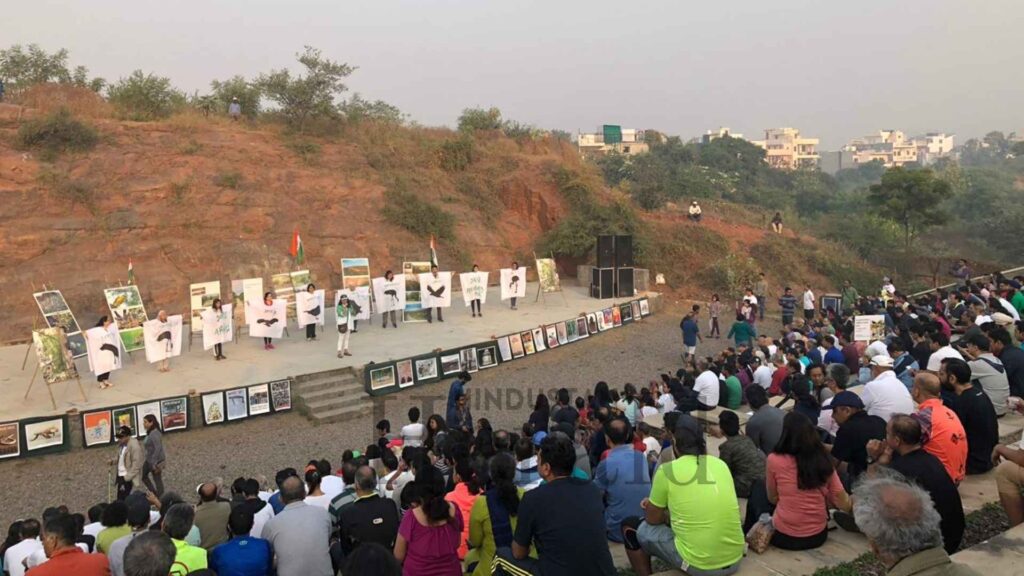
Now people are angry. And worried.
The growing concern has come together under the banner of Save Aravalli, a movement that picked up pace after a recent development linked to the Supreme Court of India, where a new definition of what counts as a hill in the Aravalli range was accepted. For many ordinary citizens, the issue only became clear when environmentalists began explaining what this decision actually means on the ground, and why it could change the future of these hills forever.
What Changed In Simple Words
On November 20, 2025, during a court hearing, the government’s definition was accepted. According to this, only land that rises 100 metres or more above the surrounding area will be treated as a hill for environmental protection.
Anything lower may not qualify.
The problem is this. The Aravalli Range is one of the oldest mountain systems in the world. Over millions of years, wind and rain have worn it down. Many Aravalli hills are low, spread out, and gently sloping. They do not rise sharply, but they still play a big role in nature. Because of this new definition, experts quoted by Economic Times say nearly 90 percent of the Aravalli area could lose protection. That means mining, construction, and large projects could move in much more easily.
This is why people are saying the hills are being written off on paper.
Why These Hills Matter To Common People
To someone living in a city, these hills may not look special. No greenery like hill stations. No snow. Just dry land and bushes.
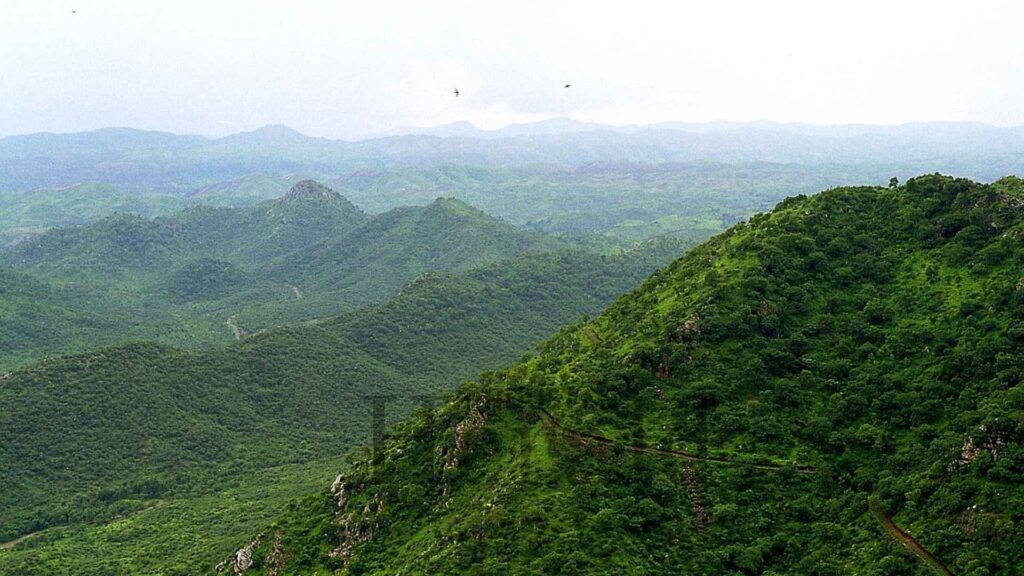
But their job is important. As explained in Navbharat Times, the Aravallis act like a natural wall. They slow hot desert winds coming from Rajasthan. They stop dust from blowing straight into Delhi NCR, where air pollution already causes breathing problems for lakhs of people. They help rainwater sink into the ground, filling borewells and handpumps used by villages and towns.
If these hills are damaged, people may not notice it immediately. But slowly, groundwater levels fall. Dust storms increase. Summers feel harsher. Air gets dirtier.
Once that happens, fixing it is almost impossible.
Why People Are Protesting
When this explanation reached the public, anger spread fast. #SaveAravalli started trending on social media. People shared photos of hills already cut open for mining and warned that more destruction could follow.
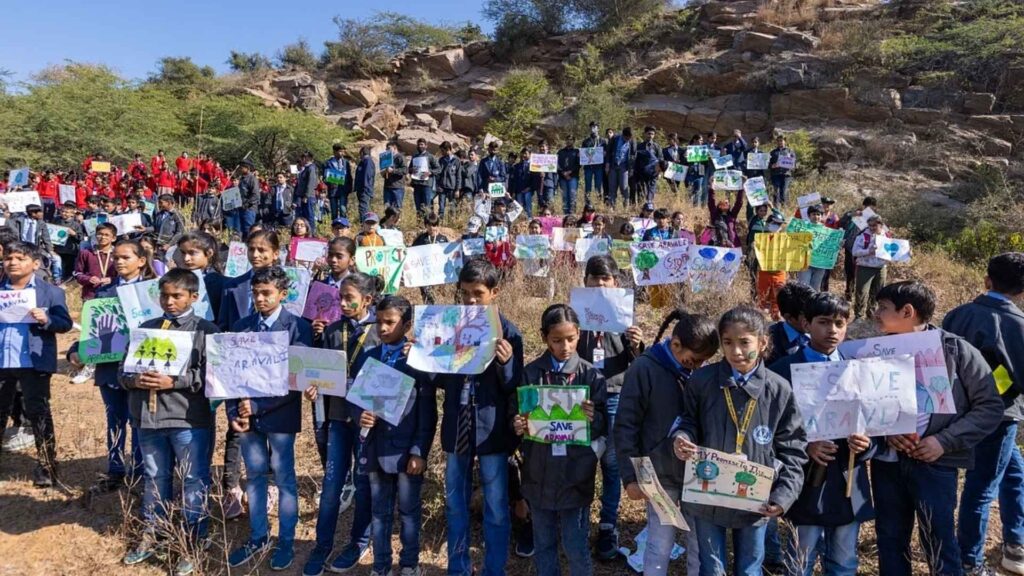
As reported by the Economic Times, protests soon followed in real life. In parts of Rajasthan and Haryana, people gathered outside government offices. In Udaipur’s Mewar region, locals raised slogans and submitted complaints. Many of them were not activists or politicians. They were farmers, shopkeepers, and residents who depended on groundwater and clean air.
For them, this was not about legal language. It was about daily life.
Appeals Sent To Authorities
In districts like Chittorgarh, citizens sent memorandums to officials, including a request addressed to the President of India. Their message was simple. Do not remove protection from the Aravallis just because the hills are not tall enough. According to Patrika News, people living near mining zones know the pattern. First comes digging. Then dust. Then water dries up. Jobs disappear once the stone is gone. What remains is damaged land.
A broken hill does not heal.
What Well-Known Voices Are Saying
Some public figures have also spoken out. Senior journalist Rana Yashwant, quoted by Samachar4Media, warned that if hills below 100 metres lose protection, concrete will quickly replace them.
Former Rajasthan Chief Minister Ashok Gehlot, speaking to NDTV, supported the Save Aravalli campaign and said weakening hill protection could worsen pollution and water problems in Rajasthan and Delhi NCR. The government says the definition was meant to clear confusion, not weaken environmental laws. Officials say other rules still exist.

Many environmental groups are not convinced.
Why Experts Say Damage Will Happen Slowly
Scientists quoted in several reports explain that environmental damage does not happen in one big moment. It happens step by step. One mining lease today. One construction project tomorrow. Each decision looks small. Together, they cause lasting harm.
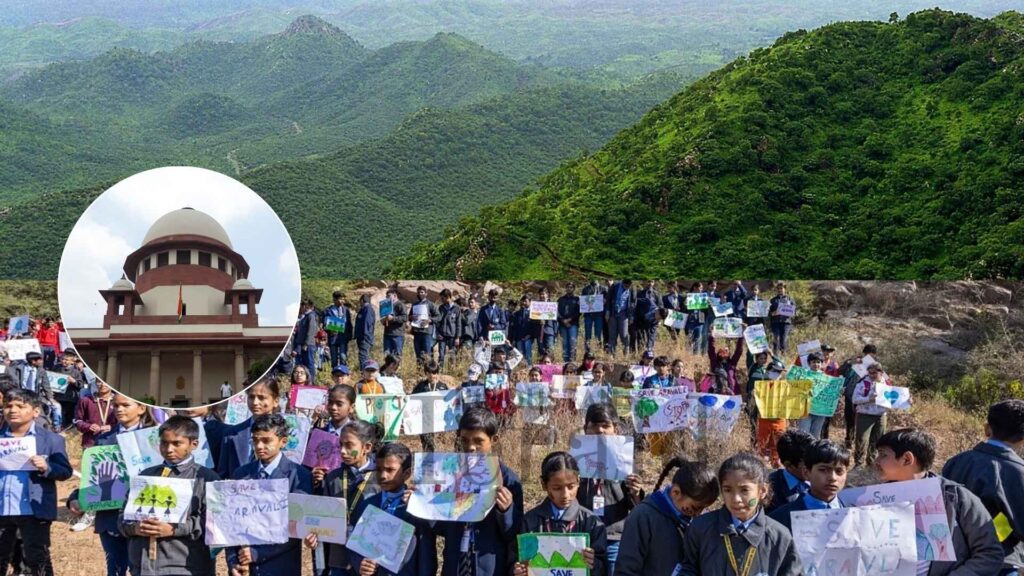
Low hills guide rainwater. Shallow slopes hold soil. Animals move across these areas even if they do not look important on maps. According to Republic Bharat, experts fear that weakening Aravalli protection could speed up desert spread in Rajasthan and make air pollution worse in Delhi NCR.
What Lies Ahead
Lawyers say the issue is not finished. Review petitions and future court cases are still possible. Public pressure is growing as more people understand what is at stake. For now, the Save Aravalli movement has forced a basic question into the open.
If hills that protect water, air, and climate are no longer protected because they are not tall enough, then what exactly are we saving? The Aravallis have survived nature for millions of years. Whether they survive modern decisions is something being decided right now.
Stay ahead with Hindustan Herald — bringing you trusted news, sharp analysis, and stories that matter across Politics, Business, Technology, Sports, Entertainment, Lifestyle, and more.
Connect with us on Facebook, Instagram, X (Twitter), LinkedIn, YouTube, and join our Telegram community @hindustanherald for real-time updates.

Regional journalist bringing grassroots perspectives and stories from towns and cities across India.
- Sandeep Verma

- Sandeep Verma
- Sandeep Verma
- Sandeep Verma