
 By Kavita Iyer
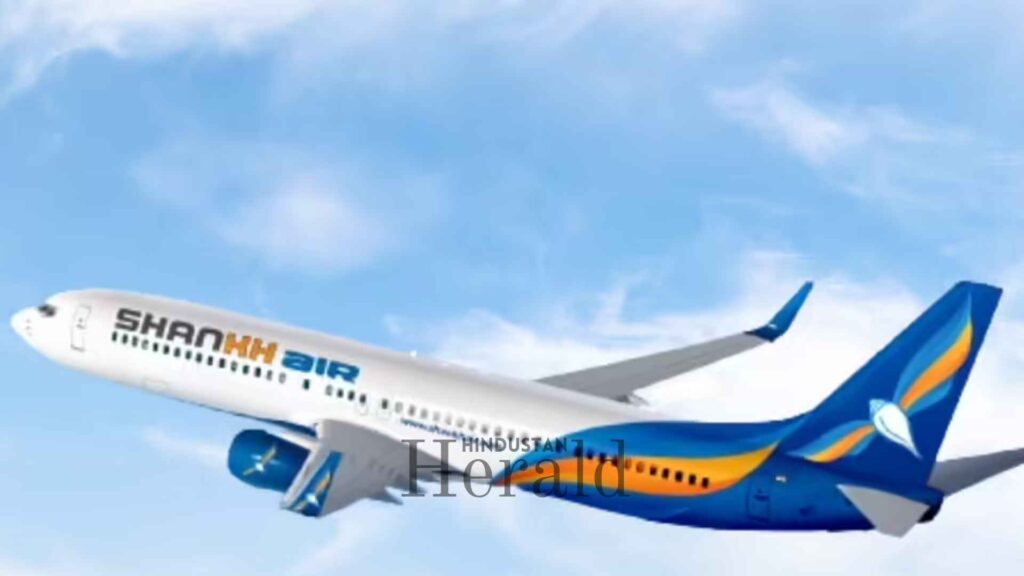
New Delhi, March 21: Today is the last day of the first quarter of 2026. Somewhere in Lucknow, if the promises are to be believed, Shankh Air should be operating flights. Routes to Delhi, Mumbai, Varanasi. A fleet of Airbus A320s taxiing on the tarmac. Cabin crew in uniform. A booking portal live and accepting passengers.
None of that has happened.
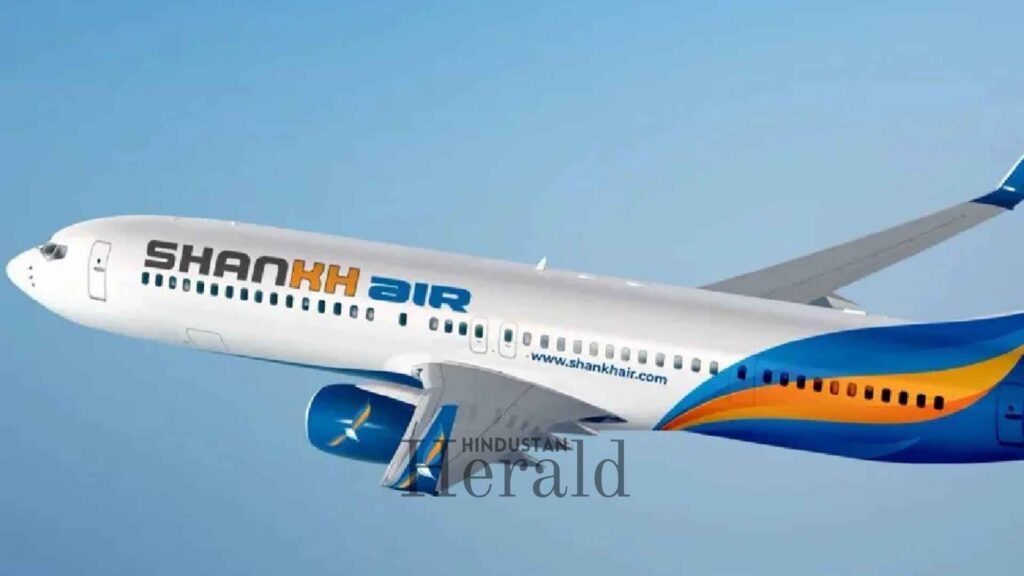
Not a single commercial flight. Not one confirmed inaugural route. The official website still shows a holding page. And in the vacuum left by all those missing announcements, social media has filled the space with something uglier: words like “scam” and “fraud” trending alongside the airline’s name, shared tens of thousands of times by people who are either genuinely worried or simply furious.
So what is actually going on here? Is this an airline that ran into the brutal, bureaucratic wall that kills most aviation startups before they ever board a passenger? Or is there something more troubling underneath the surface? The honest answer, as with most things in Indian aviation, sits uncomfortably between the two.
The Man Behind the Airline

It is worth starting with Shravan Kumar Vishwakarma, because the story of Shankh Air is, in many ways, inseparable from the story of its founder. He is 35 years old, from Kanpur, and by his own account, not a natural student growing up. He drove tempos on the city’s streets. He is now the Chairman and Managing Director of a company that secured a government-issued No Objection Certificate and held a formal meeting with Civil Aviation Minister K Rammohan Naidu in December 2025.
That arc is genuinely remarkable. It is also the kind of story that, in India, tends to attract both admiration and suspicion in equal measure. People want to believe it. They also want to poke holes in it. And when the holes appear, as they have been appearing since the first deadline slipped, the cynicism can become vicious.
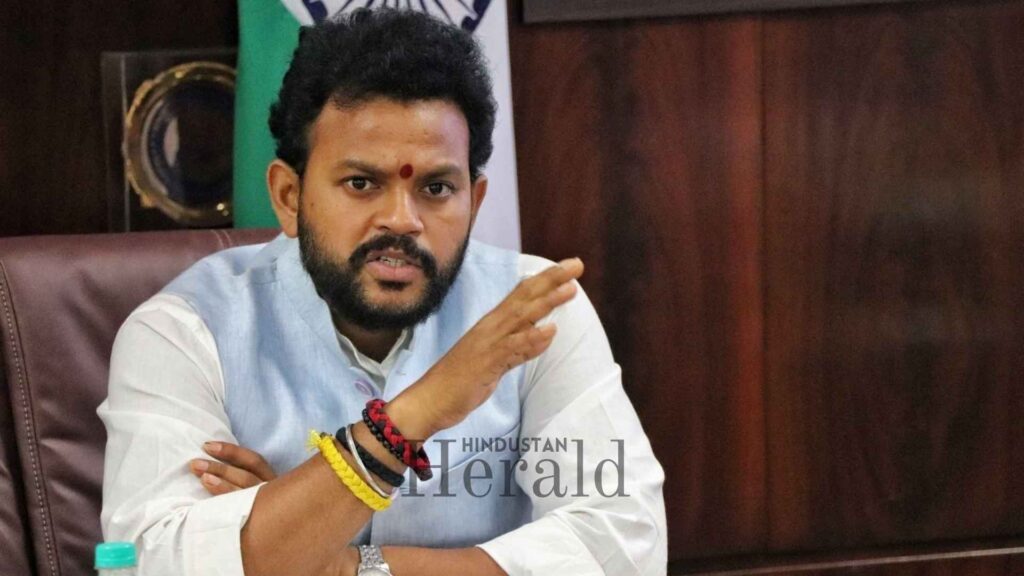
At that December meeting, Vishwakarma told the minister the airline would launch its flight services in the first quarter of 2026, and that the company aimed to scale its fleet to 20 to 25 aircraft over the next two to three years. That was not a casual social media post. That was a commitment made to a sitting minister, reported by mainstream outlets including The Tribune. The minister assured full cooperation from the ministry and the DGCA to ensure that necessary procedures were completed in a time-bound manner.
Q1 2026 ends today. There is no statement from Shankh Air explaining what happened.
How You Actually Start an Airline in India
Before getting to the questions that genuinely warrant scrutiny, it is worth being fair about something. Starting an airline in India is absurdly hard. The regulatory path is long, expensive, and littered with the wreckage of carriers that came close and then did not make it.
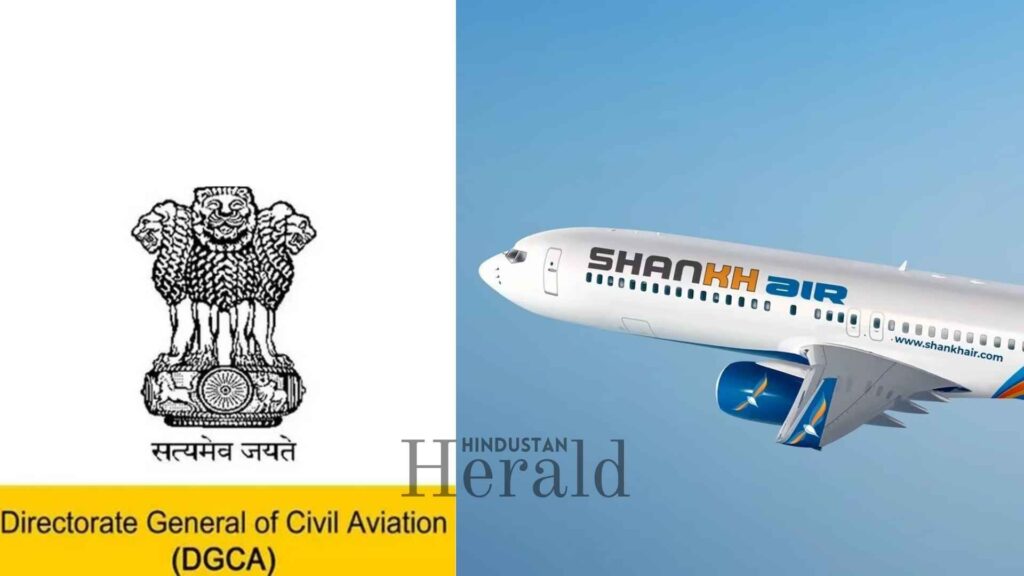
An NOC from the Ministry is only the first step toward an Air Operator Certificate from the DGCA. The AOC process requires airlines to meet a range of safety, operational, and financial criteria before they can carry a single paying passenger. Before even applying for an AOC, an airline must have acquired at least one aircraft, either through purchase or lease. Aircraft leasing alone requires substantial upfront capital in the form of security deposits and bank guarantees. And that is before touching maintenance infrastructure, trained personnel, insurance, or route approvals.
Shankh Air received operational approval from the Ministry of Civil Aviation in September 2024 and had already secured its NOC from the DGCA. That is a real thing. Not every aviation startup gets that far. But by January 2025, the carrier told aviation publication ch-aviation that it was in the process of obtaining the AOC and was optimistic about receiving it by the end of April. End of April 2025. That deadline passed quietly. Then the target became January 2026. Then February. Now the whole quarter is gone.
Each slipped deadline, individually, can be explained away. Together, they form a pattern that is difficult to ignore.
The Money Nobody Can Fully Account For
This is the part of the Shankh Air story that deserves the most serious attention, because it is not just online chatter. Aviation experts caution that starting an airline requires substantial capital, at least Rs 80 to 100 crore, a figure not yet transparently accounted for by Shankh Air.
The company’s parent trading firm, Shankh Trading Pvt. Ltd., reportedly saw revenues jump dramatically in a short period, from roughly Rs 36 crore to Rs 275 crore. That kind of growth curve, without any obvious external investment or publicly documented source of capital, is the sort of thing that makes chartered accountants ask questions. The airline’s funding sources remain undisclosed. No venture capital firm has been named. No institutional backer has issued a press release. No debt financing arrangement has been publicly confirmed.
Vishwakarma now reportedly owns a luxury car collection, funded by loans. That detail, which has circulated widely online, proves exactly nothing on its own. Plenty of legitimate entrepreneurs borrow to fund lifestyle expenses while their business capital sits in operational accounts. But in a story where almost every financial data point is either absent or unverified, even benign details become suspicious simply by proximity.
What makes the opacity harder to dismiss is the scale of what is claimed. The airline was set to launch with three leased Airbus A320 aircraft, expanding to five within six weeks. Aircraft leasing at that level, for an unproven startup with no operating history, requires serious financial guarantors and credible balance sheets. Where that backing comes from, and who has underwritten it, has never been clearly explained to the public.
Trophies Before Takeoff
There is one detail in the Shankh Air story that sits harder than most of the others: the airline is said to have collected industry awards and positive recognitions while it had not yet operated a single flight. The “Airline of the Year” style recognitions that reportedly came its way before any aircraft took off under its name.
To be fair, India’s conference and media circuit does hand out awards to “emerging” and “upcoming” companies with a generosity that sometimes strains credibility. These events are common, their criteria are rarely rigorous, and almost every industry has them. So receiving such recognition is not, by itself, evidence of wrongdoing. Still, the decision to publicise those awards prominently, while the AOC remained elusive and deadlines kept shifting, reflects a communications strategy built more around perception management than operational transparency. When you use trophies to fill the space where actual milestones should be, people notice.
The Bigger Picture: India’s Aviation Startup Problem
Shankh Air is not operating in isolation. Its peer group of NOC holders is not faring well either, and that context matters.

Alhind Air, which received its NOC around the same time, reportedly placed around 120 staff members on unpaid leave from November 15, 2025, citing delays in obtaining the mandatory AOC. The company told those employees not to report for duty and said they would be informed once the AOC was granted. That is a real and immediate human cost, not an abstract regulatory failure.
FlyExpress, another NOC recipient from the same cohort, has directors whose parent company has faced court convictions, shows a decade of zero revenue, accumulated losses exceeding Rs 39 crore, and faces allegations of collecting fees from aspiring pilots without delivering on promised roles.
Air Kerala received its NOC in mid-2024 but had yet to induct any aircraft, a prerequisite for applying for an AOC.
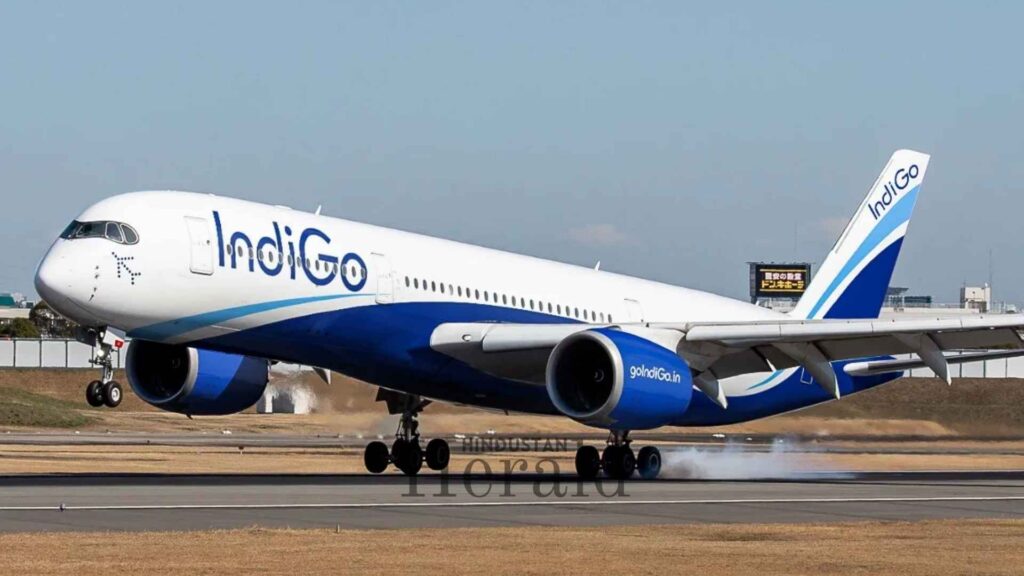
In other words, across the entire wave of new airline hopefuls that the government has been publicly championing as a challenge to the IndiGo-Air India duopoly, not one has yet commenced commercial operations. IndiGo and Air India together command approximately 90 percent of the domestic market share. The duopoly remains intact. The challenger airlines remain grounded. The minister’s announcements, however well-intentioned, have so far produced more press conferences than passengers.
Real People, Real Consequences
The social media noise around Shankh Air is one thing. But there are people whose professional lives intersect with this airline’s limbo, and their situation deserves acknowledgment separately from the online discourse.
Pilots, cabin crew, and ground staff attended recruitment drives across Delhi, Lucknow, and Mumbai through the second half of 2025. Some invested time and money preparing for those processes. Some may have turned down other opportunities on the expectation that Shankh Air was genuinely on its way. Warnings have since appeared urging people to beware of fake job portals and phishing sites using the Shankh Air name. That the airline’s unresolved public profile has become large enough to attract fraudsters operating under its banner is, in itself, a measure of how far things have drifted from where they were supposed to be.
So, Is It a Scam?
No. Not in the legal sense, based on what is publicly known right now. A scam implies deliberate deception for financial gain. There is no documented evidence that Vishwakarma or Shankh Aviation has collected money from passengers, taken deposits from customers, or made fraudulent representations to financial institutions in a manner that regulators have acted upon. The booking portal never opened, which means passengers have not been sold tickets that will go unfulfilled.

That matters. It is the difference between an airline that has failed to launch and an airline that has stolen from people.
But the questions that sit between “legal” and “reassuring” are numerous and unanswered. Why have funding sources never been disclosed? Why has no updated public timeline been offered after each missed deadline? Why has the company not issued a statement today, on the final day of the quarter it publicly committed to? These are not hostile questions. They are the basic things any airline founder owes to the pilots who attended his recruitment drives, to the staff who may be waiting, and to the passengers in UP’s smaller cities who genuinely need better air connectivity.
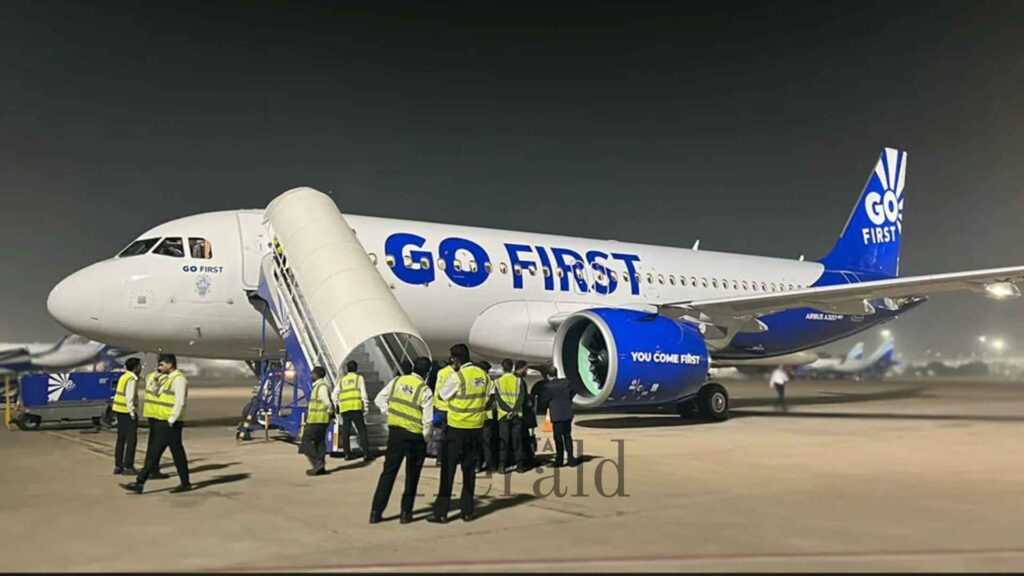
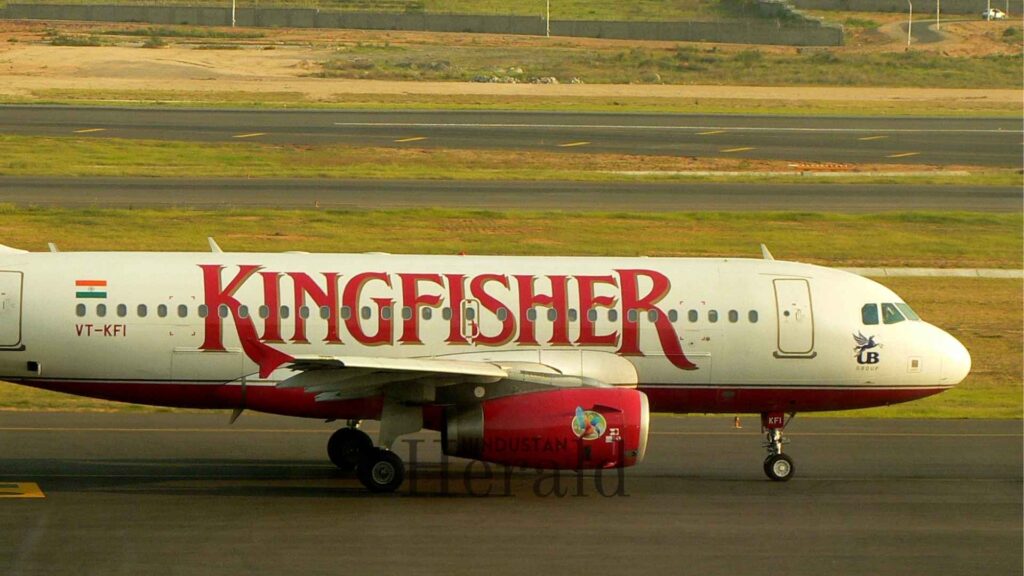
India has been through enough aviation collapses to know the early warning signs. Kingfisher made grand promises long before it imploded. Go First went dark almost overnight. The DGCA’s tough AOC requirements exist because the cost of aviation failure is not just financial. It disrupts travel, destroys livelihoods, and leaves airports half-empty in cities that desperately need the traffic.
That said, aviation startups do survive their turbulent early years. Akasa Air faced scepticism before finding its footing. The structural demand for better regional connectivity in Uttar Pradesh, covering Lucknow, Varanasi, Ayodhya, and Gorakhpur, is entirely real. If Shankh Air can secure its AOC, demonstrate genuine operational readiness, and start flying, it would genuinely serve a market that needs serving.
For now though, the runway is empty. The quarter is over. And an airline that has been promising to take wing for over a year remains, stubbornly, on the ground.
Stay ahead with Hindustan Herald — bringing you trusted news, sharp analysis, and stories that matter across Politics, Business, Technology, Sports, Entertainment, Lifestyle, and more.
Connect with us on Facebook, Instagram, X (Twitter), LinkedIn, YouTube, and join our Telegram community @hindustanherald for real-time updates.

Former financial consultant turned journalist, reporting on markets, industry trends, and economic policy.
- Kavita Iyer

- Kavita Iyer
- Kavita Iyer
- Kavita Iyer




 Ananya Sharma and Kavita Iyer