 By Rajiv Menon
New Delhi, November 17: The special tribunal in Dhaka delivered its ruling with a kind of cold finality that left even seasoned observers unsettled. Sheikh Hasina, once the most powerful figure in Bangladesh’s modern political story, was sentenced to death while staying in India, far from the courtroom where judges found her guilty of crimes against humanity linked to the 2024 student protests. AP News confirmed that the tribunal held her responsible for the killings and the force used during the unrest.
Former home minister Asaduzzaman Khan Kamal received an identical sentence. And Chowdhury Abdullah Al Mamun, the former police chief, was given five years for cooperating with investigators. According to AP News, his testimony filled in gaps that prosecutors needed to map out who issued orders during the crackdown.
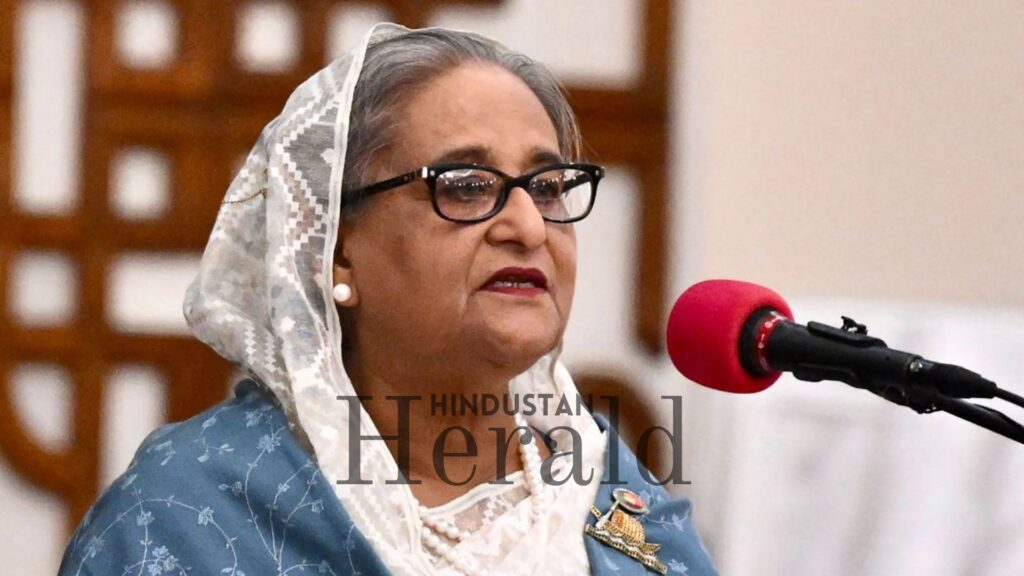
Even in a country hardened by political volatility, this decision landed with rare weight. People understood instantly that the verdict wasn’t just about accountability. It signalled a new and unpredictable phase in Bangladesh’s political life.
How the 2024 Uprising Turned Into a Legal Earthquake
The roots sit in the student protests that exploded across the country last year. What began as frustration over job quotas broadened into a national revolt. Demonstrations drew thousands. Police deployed quickly. And as clashes escalated, images of beatings, gunfire, and bloodied students flooded social media.
According to the Financial Times, prosecutors argued that the state response wasn’t a patchwork of decisions made on the ground but a structured operation shaped by high-level political direction. They leaned on logs, internal notes, and testimony from officers who said they were following directives.
Debate over the strength of those claims isn’t going away. What’s clear is that Hasina wasn’t in Bangladesh to defend herself. She fled to India in August 2024 after her government crumbled under street pressure and internal fractures. The Financial Times reported that Indian officials quietly received her during the political collapse.
The tribunal moved ahead anyway. And now the fairness of trying and sentencing a former prime minister in absentia sits at the heart of the country’s arguments.
A Date That Prompted Whispered Questions
The verdict came on November 17. People noticed immediately. It’s Hasina’s wedding anniversary. India Today reported intense speculation that the date might have been chosen deliberately. The tribunal hasn’t addressed that. But symbolism matters in Bangladesh, and timing often becomes part of the political message regardless of intention.
Dhaka Feels the Strain Even Before Unrest Begins
Security across the capital tightened in ways that felt familiar, but heavier. More checkpoints. More officers in fatigues. Nervous shopkeepers closing early. AP News confirmed that authorities anticipated possible unrest and adjusted their posture accordingly.
The interim government understands what’s at stake. Loyal networks of the Awami League may not be as visible as before, but they don’t disappear overnight. A verdict of this scale can stir emotions that have been simmering since Hasina left the country.
India Now Holds a Decision It Can’t Easily Step Around
Not long after the ruling, Bangladesh’s interim leadership sent a formal request to India asking for Hasina’s extradition. Navbharat Times reported that the request cited the existing treaty and was presented with the expectation that India would respond.
New Delhi now finds itself staring at a choice with no comfortable outcome. Hasina was one of India’s most consistent regional partners for more than a decade. She backed cross-border infrastructure, security coordination, and foreign-policy alignment that often mirrored India’s priorities.
Sending her back to face a death sentence could upset long-standing strategic balances. Refusing could strain ties with Dhaka’s interim authorities. India has said nothing so far, and silence here isn’t hesitation. It’s caution.
A Verdict That Collides With an Election Season
Bangladesh is heading into elections in February 2026, and this verdict shifts the mood overnight. The Financial Times noted that the ruling heightens tensions at a moment when the interim government hoped to project stability.
Opposition groups claim the verdict will reshape the political playing field before campaigning truly begins. Supporters insist justice cannot wait. The public seems caught between fatigue and quiet dread. The past year already tested people’s nerves; this ruling adds another layer of uncertainty.
Fairness of the Trial Becomes a National Question
The tribunal says it followed the law. Bangladesh’s system does allow trials in absentia. But legal experts in Dhaka immediately began questioning whether that framework should apply to a case carrying the death penalty.
The Financial Times highlighted analysts who were troubled by the pace of the trial and the environment in which it took place: an interim government still trying to prove authority and calm the country. Critics argue the verdict risks being read as political. Supporters counter that accountability for state violence can’t be conditional.
The divide isn’t narrowing.
Regional Powers Watch Without Taking a Public Position
Bangladesh’s internal dynamics matter to far more than Dhaka. India, China, the United States, and the European Union all rely on Bangladesh for trade lanes, migration coordination, and regional security.
None of them have released decisive statements. They’re waiting to see how the streets respond, what the political factions do next, and how India handles the extradition request. One decision could shift the entire diplomatic tone of South Asia.
Bangladesh Moves Into a Period of Uncertainty
Hasina’s legal team is expected to push for an appeal, though the process becomes more complicated with her outside the country. Bangladesh’s government may try to nudge India for a quicker response, but New Delhi tends to take its time on decisions that carry this much weight.
Whether Bangladesh holds steady or slips into unrest will depend on how citizens, political actors, and security forces handle the days ahead. The country is sitting in a narrow space between calm and fracture.
A former prime minister has been sentenced to death. Supporters are stunned. Opponents say justice has arrived. And the region is waiting, aware that whatever comes next will shape Bangladesh for years.
Stay ahead with Hindustan Herald — bringing you trusted news, sharp analysis, and stories that matter across Politics, Business, Technology, Sports, Entertainment, Lifestyle, and more.
Connect with us on Facebook, Instagram, X (Twitter), LinkedIn, YouTube, and join our Telegram community @hindustanherald for real-time updates.
Specializes in South Asian geopolitics and global diplomacy, bringing in-depth analysis on international relations.
- Rajiv Menon

- Rajiv Menon
- Rajiv Menon
- Rajiv Menon