
 By Ananya Sharma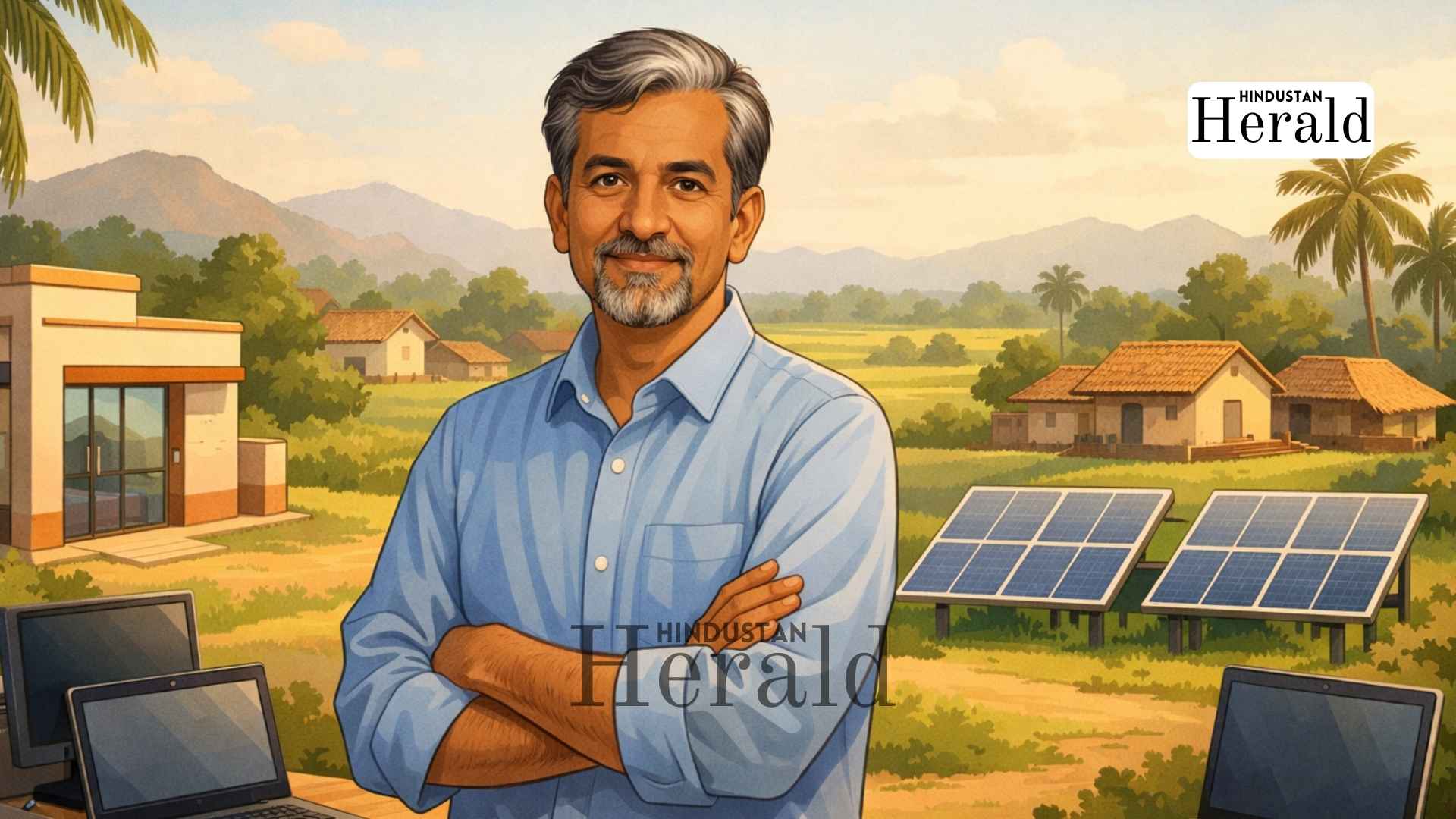
Chennai, January 12: Sridhar Vembu has shut the door, firmly and without drama, on any speculation about entering electoral politics. Speaking publicly on Monday, the Zoho founder and chief scientist said his priorities have not changed. His work, he insisted, remains rooted in technology, research, and the slow, often unglamorous task of building capability in rural India.

The statement comes at a time when Vembu’s name surfaces regularly in conversations that stretch far beyond software. His ideas on national renewal, self-reliance, and decentralised growth have attracted attention well outside the technology sector. Still, he appeared keen to draw a clear boundary. Politics, he said, is not where he believes he can make his most meaningful contribution.
A Clear Rejection Of Political Power
According to Moneycontrol, Vembu said his life’s work has always been about strengthening India’s technological foundations, not about seeking office or influence through elections. He framed the question in civilisational terms, arguing that long-term prosperity and national confidence flow from mastery in science and technology, not from symbolic victories or short-term political gains.
Vembu spoke bluntly about what he sees as a lingering colonial and defeatist mindset, shaped by centuries of setbacks. In his view, the way out of that psychological inheritance is competence. Being genuinely world-class in technology, he said, creates confidence that no speech or slogan can manufacture.
That belief, he added, is why he continues to invest his time in research and development. For him, this is public service of a different kind. Not loud, not visible, but durable. Electoral politics, he suggested, would pull him away from the work he believes matters most.
Still, the rejection was not defensive. There was no sense of distancing himself from public life altogether. Vembu remains deeply engaged with questions of national direction. He has simply chosen a lane and seems determined to stay in it.
Why Rural India Sits At The Centre Of His Thinking
Few technology leaders in India have spoken as consistently about villages as Vembu has. After moving back from California to Tamil Nadu, he began reshaping Zoho’s internal geography, pushing serious software work into places most companies overlook.

Reports from CX Today and others show how Zoho’s rural offices are not side projects. They are core to the company’s operations. Young people from non-urban backgrounds are trained to do high-value technology work, not peripheral tasks. The idea, Vembu has said repeatedly, is to prove that innovation does not need glass towers or global cities to survive.
There is also a social argument at play. By locating opportunity closer to home, wealth spreads more evenly. Migration pressures ease. Local economies gain confidence. For Vembu, this is not charity. It is economic logic, and perhaps more importantly, a statement of faith in rural talent.
As it turns out, this approach also challenges the deeper assumptions of India’s development story. If cutting-edge software can be built in villages, then many of the excuses for hyper-urbanisation begin to look thin.
Zoho, Leadership, And A Shift In Focus
Vembu’s clarity on politics mirrors changes he has already made inside Zoho. After stepping down as chief executive officer, he moved into the role of chief scientist, a transition that freed him from operational firefighting.
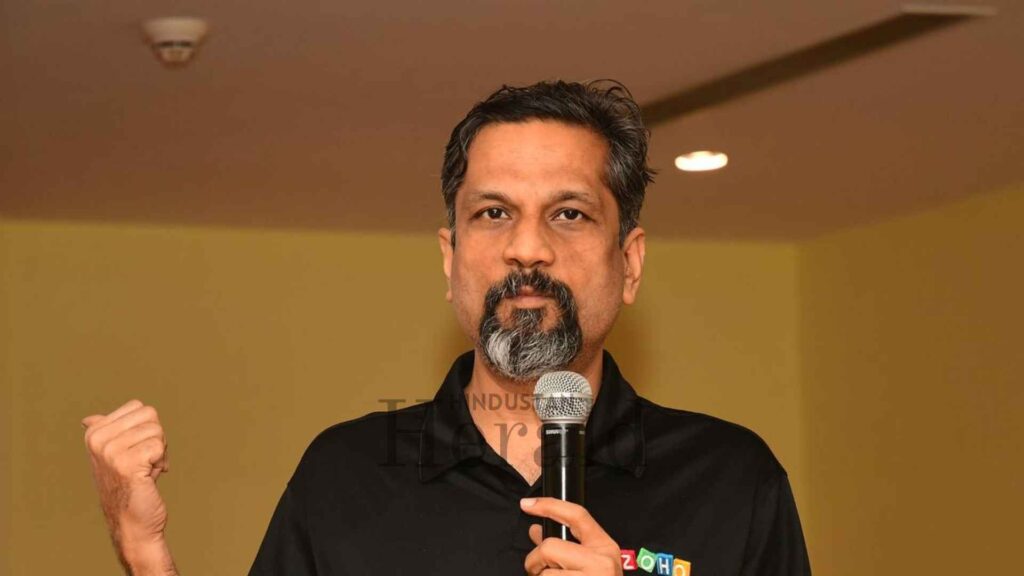
According to CX Today, the leadership change was deliberate and internal, not the result of pressure or crisis. Vembu retained influence, but his day-to-day attention shifted toward deep technology, long-term research, and mentoring teams working on foundational problems.
This repositioning fueled some of the speculation around his future. A high-profile founder, vocal on national issues, stepping back from corporate management often invites political reading. Monday’s statement cuts through that noise.
He appears uninterested in the theatre of power. His focus, by his own account, is quieter and slower, even if the implications are far-reaching.
A Legal Dispute That Refuses To Stay Private
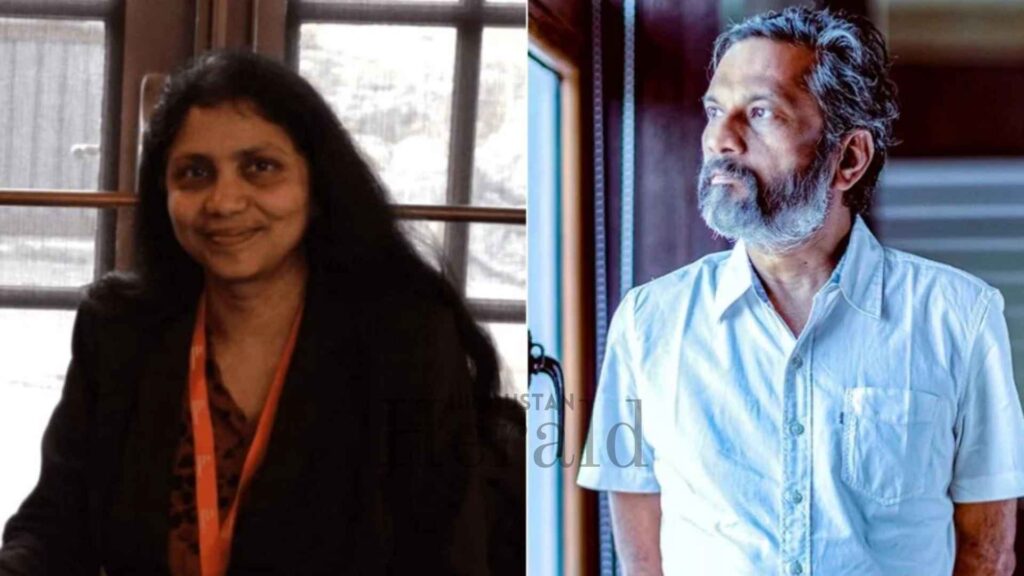
Running parallel to these professional choices is a personal battle that has played out in public view. Vembu is locked in a $1.7 billion divorce case in the United States involving his estranged wife, Pramila Srinivasan.

According to reports by Newslaundry, India Today, and The Times of India, Srinivasan has accused Vembu of abandoning the family and moving Zoho assets to India without her consent. A US court has ordered a substantial bond, a move that has become the focal point of the dispute.
Vembu has rejected the allegations outright, calling them false. His legal team has challenged the bond order, arguing that it is invalid and unenforceable. As reported by Newslaundry, appeals are underway, while Srinivasan’s lawyers maintain that the order remains binding.
The case has dragged Zoho into unfamiliar territory, raising questions about cross-border asset ownership, community property laws, and control of privately held global companies. For a firm that has long avoided public drama, the attention has been jarring.
Still, there is little indication that the dispute has shifted Vembu’s broader worldview, at least in public statements.
Why His Stand Resonates Beyond Technology
At a time when entrepreneurs are increasingly nudged toward politics, Vembu’s refusal stands out. His argument is simple but unsettling. He believes that lasting national change does not require formal political power.
Instead, he places faith in institutions, in capability building, and in patient work that rarely makes headlines. For young technologists, this offers an alternative script. Influence does not always have to end in the office. Impact can be quieter and still profound.
For policymakers, his emphasis on rural technology raises hard questions about where India invests, whom it trains, and how success is defined. For the broader public, it challenges the idea that leadership must always seek visibility.
For Now, The Path Is Set
For now, Vembu seems settled in his choice. He is not running for office. He is not laying political groundwork. His attention remains fixed on technology as a civilisational tool, and on rural India as a place where that tool can be forged.
Whether that stance holds through future twists, legal or political, is impossible to predict. What is clear is that on January 12, 2026, Sridhar Vembu drew a line and stood on one side of it.
Stay ahead with Hindustan Herald — bringing you trusted news, sharp analysis, and stories that matter across Politics, Business, Technology, Sports, Entertainment, Lifestyle, and more.
Connect with us on Facebook, Instagram, X (Twitter), LinkedIn, YouTube, and join our Telegram community @hindustanherald for real-time updates.

Covers Indian politics, governance, and policy developments with over a decade of experience in political reporting.
- Ananya Sharma

- Ananya Sharma
- Ananya Sharma
- Ananya Sharma




 Rajiv Menon and Ananya Sharma