
 By Ananya Sharma
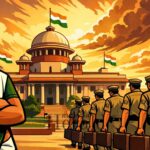
New Delhi, December 20: Sometimes, it is not an order but a sentence that shakes public confidence. A recent remark made in the Supreme Court of India, where concerns about clean food and drinking water were described as “fancies of the rich, has done exactly that.
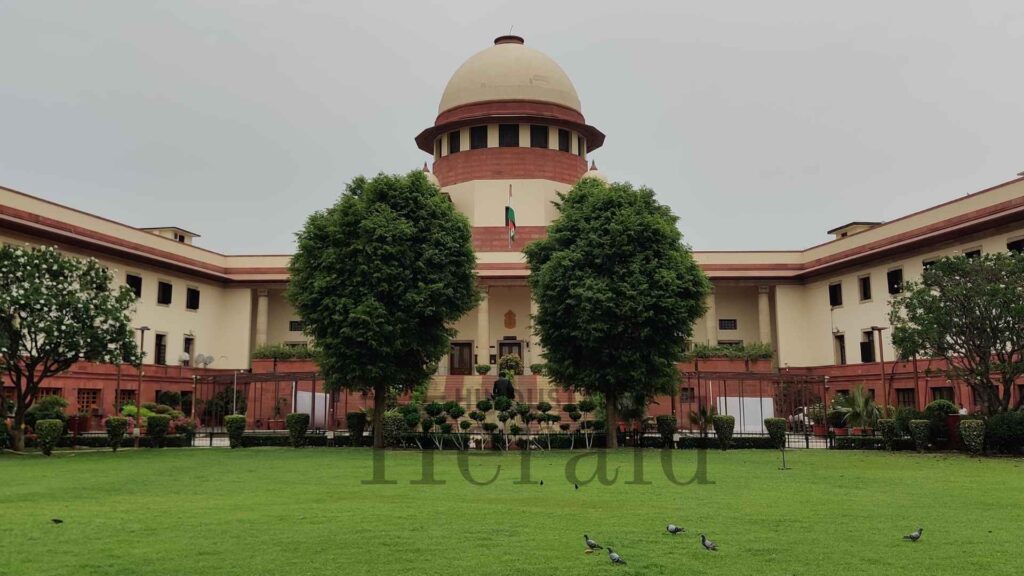
The observation came during the hearing of a Public Interest Litigation that asked for a review of India’s plastic food packaging standards. The petition did not demand bans. It did not accuse the government of negligence. It only requested that Indian limits on chemicals like DEHP and antimony be examined against global health guidelines, including those followed internationally, because long-term exposure is linked to cancer risks and reproductive health problems.
The request was simple. Study the science. Consult experts. Decide based on evidence. What followed instead was a sharp dismissal. The concern itself was portrayed as an urban fear, disconnected from India’s poverty.
A Familiar Argument That Misses The Point
India is poor. This is not news. Anyone who has travelled beyond city centres knows how millions live. Mahatma Gandhi saw it nearly a century ago. Farmers, daily wage workers, slum dwellers, and migrant labourers still live with uncertainty every day. But the question that needs asking is this: Does poverty mean people must also accept unsafe food, dirty water, and polluted air?
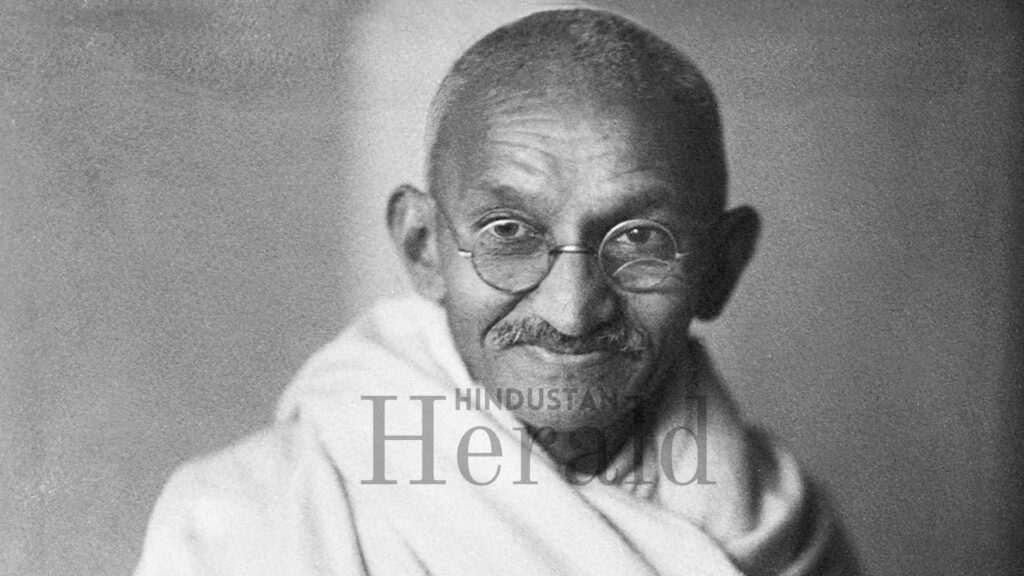
For most Indians, illness is not an inconvenience. It is a financial disaster. One hospital visit can wipe out savings. Long-term disease means lost wages, school dropouts, and debt. When chemical safety and food standards are dismissed as elite concerns, it is not the rich who suffer. It is the poor who have the least protection and the weakest access to healthcare.
What The Petition Was Really Saying
There has been some misunderstanding about the PIL. It did not say plastic must be banned tomorrow. It did not ask industries to shut down. It did not say India must blindly copy Western standards. It only asked whether India should re-examine its safety limits in light of medical research. That is not activism. That is basic governance.

Governments regularly review rules on medicines, vehicles, construction, and even toys. Food safety should not be treated as a luxury debate. Calling such a request a “fancy” sends a worrying message: that prevention is optional, and damage is acceptable.
Why This Matters Beyond Courtrooms
India already lives with the consequences of weak regulation. Rivers are polluted beyond use. Vegetables are sprayed with excessive pesticides. Antibiotic residue is found in meat and eggs. Air so toxic that children grow up with breathing problems. These are not problems of South Delhi or South Mumbai. They affect villages, small towns, and industrial belts where people have no choice but to consume what is available.
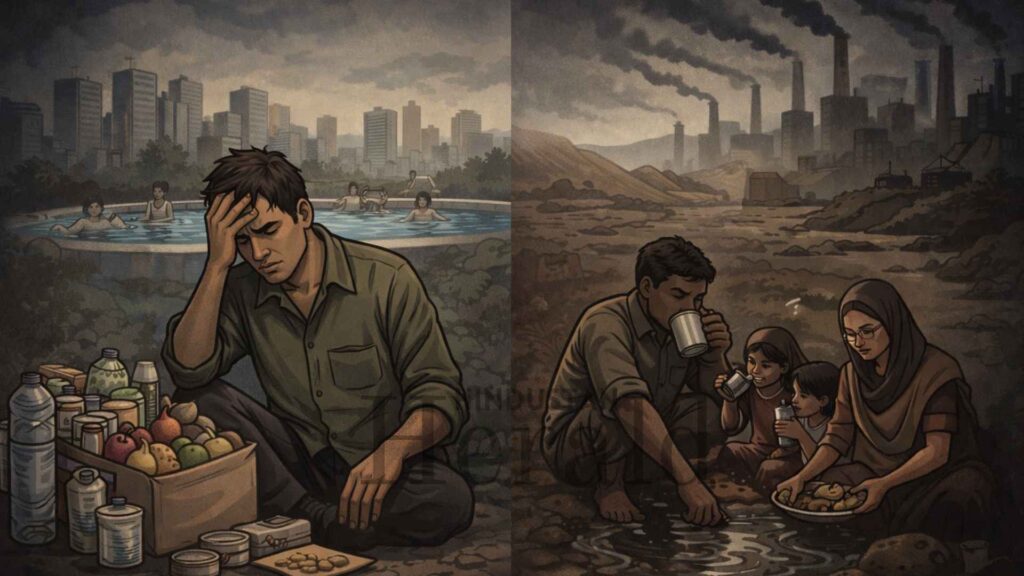
Every untreated illness deepens poverty. Every environmental shortcut taken today becomes a healthcare crisis tomorrow. When public health is framed as a distraction from poverty, the system forgets that sickness is one of the biggest reasons people remain poor.
Supreme Court And The Casual Treatment Of Reproductive Health
The PIL also referred to studies linking certain chemicals to male reproductive issues. This has been mocked in some quarters, even treated lightly, as if population decline would somehow solve India’s problems.
This thinking is dangerous. Health damage caused by pollution is not planned or controlled. It does not reduce the population neatly. It increases suffering, medical costs, and social stress. Ignoring such risks today simply hands future generations a bigger crisis.
Words From The Bench Carry Weight
Courts are not just legal bodies. They are moral anchors. Their language influences how governments act and how citizens think. For years, Indian courts expanded the meaning of the right to life to include clean surroundings and health. When that language changes, even casually, it weakens decades of progress. This was never about choosing between poverty and safety. A country cannot fight poverty by allowing its people to be slowly poisoned.
For Now, A Question India Must Answer
If clean water, safe food, and breathable air are labelled privileges, then what exactly is being promised to the poor?
Development that ignores health is not development. It is delayed. Delay until hospitals overflow, families collapse under debt, and children inherit damaged bodies instead of opportunity. India deserves growth, dignity, and safety together. Lowering expectations will not lift the poor. It will only normalise suffering.
Stay ahead with Hindustan Herald — bringing you trusted news, sharp analysis, and stories that matter across Politics, Business, Technology, Sports, Entertainment, Lifestyle, and more.
Connect with us on Facebook, Instagram, X (Twitter), LinkedIn, YouTube, and join our Telegram community @hindustanherald for real-time updates.

Covers Indian politics, governance, and policy developments with over a decade of experience in political reporting.
- Ananya Sharma

- Ananya Sharma
- Ananya Sharma
- Ananya Sharma


 Dr. Ritu Malhotra