
 By Ananya Sharma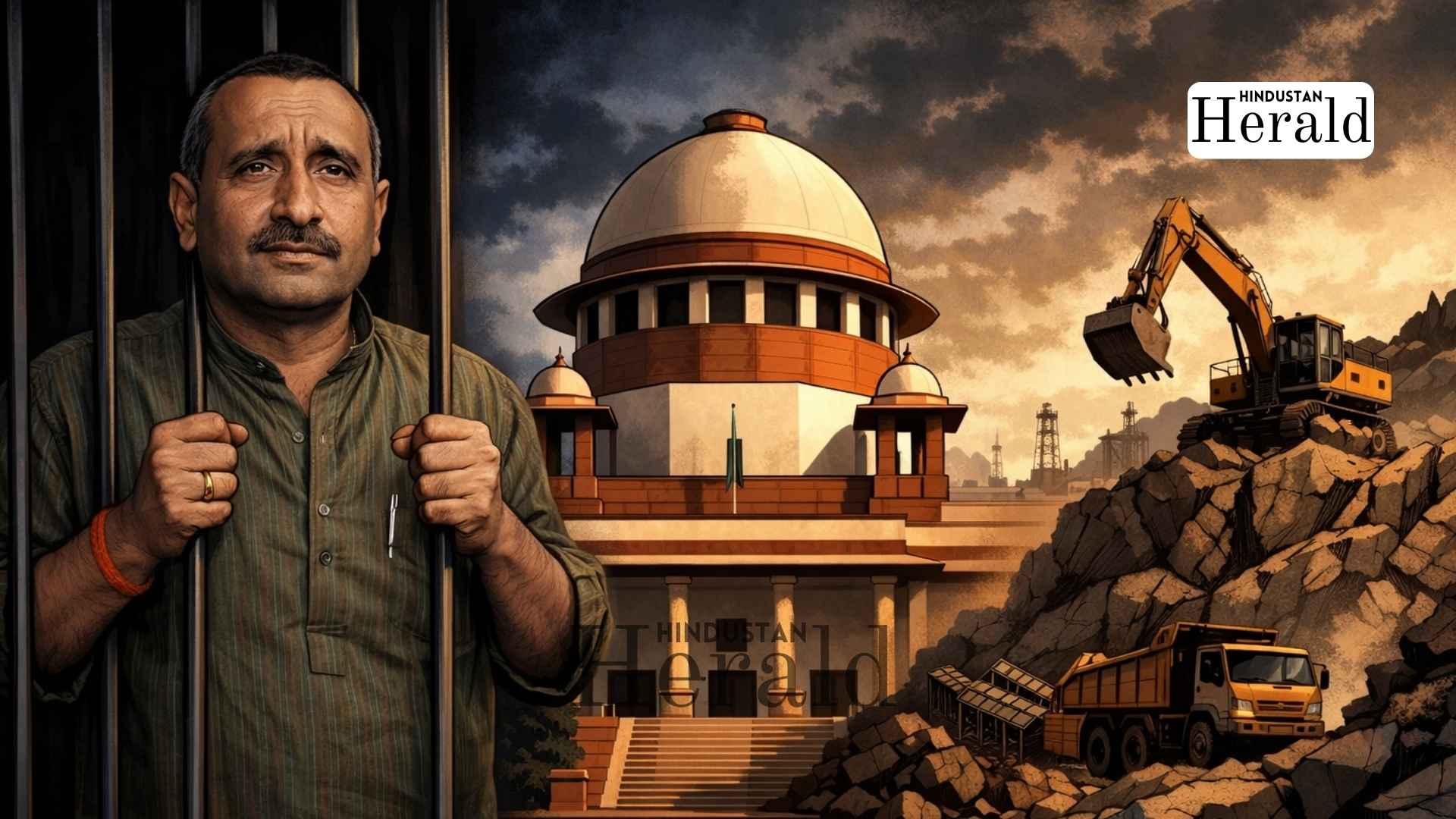
New Delhi, December 30: Some court orders land softly. Others hit with a thud. Monday’s proceedings at the Supreme Court of India were firmly in the second category. By evening, it was clear that the country’s top court had stepped in to slow things down in two very different but equally sensitive matters. One involved a convicted former politician accused of horrific sexual violence. The other involved a stretch of hills that most Indians barely notice until they begin to disappear.
What tied the two together was caution. And an unmistakable sense that undoing damage later may not be possible.
Unnao Rape Case: Supreme Court Stops Sengar’s Release
The Supreme Court on Monday put an immediate stop to the possible release of Kuldeep Singh Sengar, the former Uttar Pradesh BJP MLA convicted in the 2017 Unnao rape case.
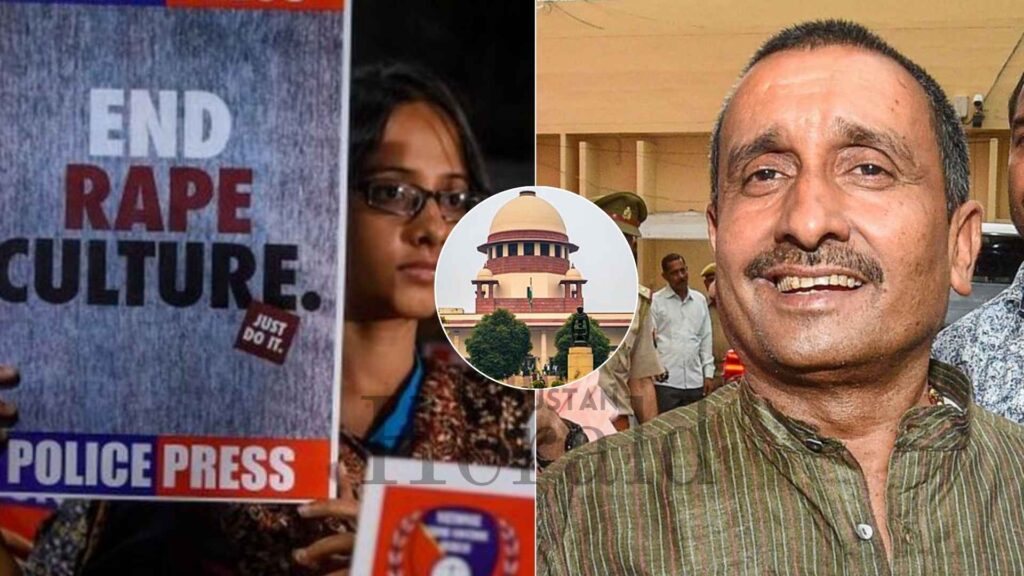
Just days earlier, the Delhi High Court had suspended his life sentence, pointing out that Sengar had already spent more than seven years in prison. That order opened the door for his release while his appeal was still pending.
The reaction was swift.
The Central Bureau of Investigation (CBI) challenged the High Court’s decision almost immediately, warning that letting Sengar out could put the survivor and her family at risk. The matter reached the Supreme Court within days. A three-judge bench headed by Chief Justice Surya Kant, with Justice J.K. Maheshwari and Justice Augustine George Masih, stayed the High Court’s order. The message was clear. Sengar stays in jail.
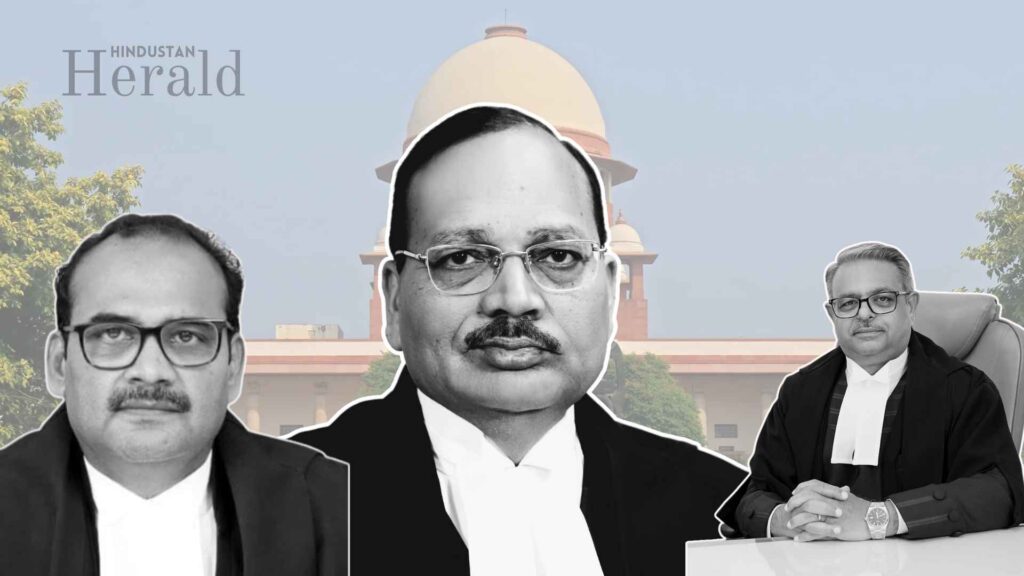
According to LiveLaw, the bench directed that the convicted former legislator “shall not be released from custody” until the court hears the matter in detail.
Why This Order Mattered So Much
On paper, the High Court’s order was procedural. It did not overturn the conviction. It only suspended the sentence while the appeal was being heard.
But the Unnao case has never existed only on paper.
When Kuldeep Singh Sengar was convicted in 2019 by a special CBI court, it was seen as a rare break from the pattern where powerful accused often escape the full force of the law. The court sentenced him to life imprisonment for the rest of his natural life. It also imposed a Rs. 25 lakh fine and ordered Rs. 10 lakh in compensation to the survivor’s mother.

That judgment came after years of allegations by the survivor that she and her family were being harassed, threatened, and targeted. There were complaints of false cases. There were claims of intimidation. Then came the car crash that killed two of her relatives and left her critically injured.
For many Indians, the case became a symbol. Not just of sexual violence, but of how difficult it is to take on political power.
This history is why the CBI’s challenge mattered. Appearing for the agency, Solicitor General Tushar Mehta argued that the High Court had not fully considered the seriousness of the crime or the impact Sengar’s release could have.

The Supreme Court did not rule on the appeal itself. But by stepping in quickly, it acknowledged what many were already thinking. This was not a case where the court could afford to take chances.
A Quiet Warning From The Top Court
The bench did not make sweeping statements. It did not lecture. It simply stayed the order. Still, legal observers say the signal was unmistakable. In cases involving sexual violence, especially where the accused held political office, courts must move carefully. Sentence suspension cannot be treated as routine.
For the survivor and her family, the stay brings temporary relief. The justice system, it reinforces a simple idea. Some cases carry consequences far beyond the individual accused.
Aravalli Hills: Supreme Court Hits Pause On Its Own Decision
Later the same day, the Supreme Court turned its attention to something less visible, but no less important.
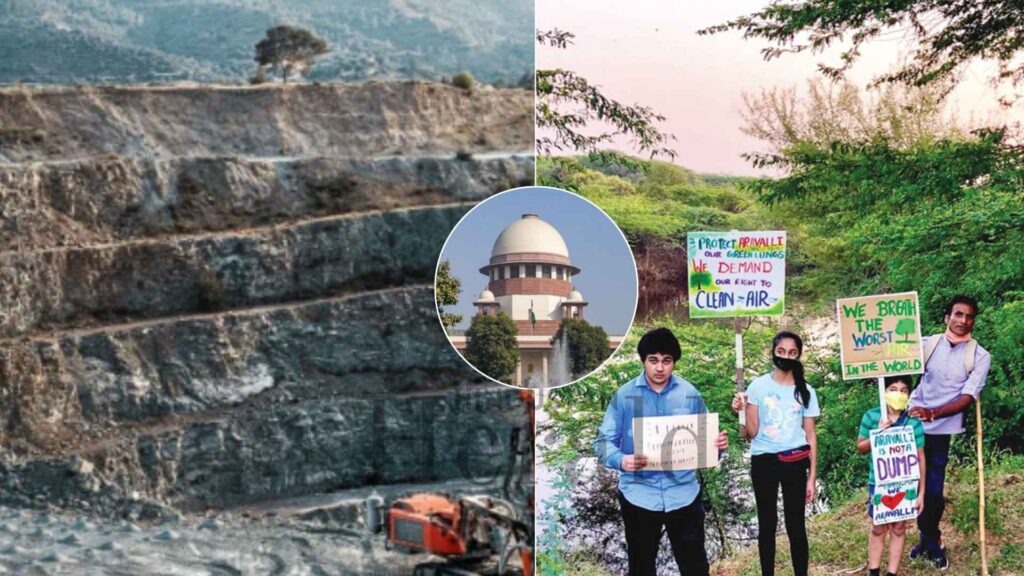
The court stayed the implementation of its own November 20, 2025 order relating to the Aravalli Hills, after concerns were raised that the ruling could allow mining in large parts of the fragile mountain range.
The earlier order had accepted a revised definition of the Aravallis proposed by the Union Environment Ministry. Environmental groups argued that the definition was too narrow and ignored how the region actually functions as an ecological system.
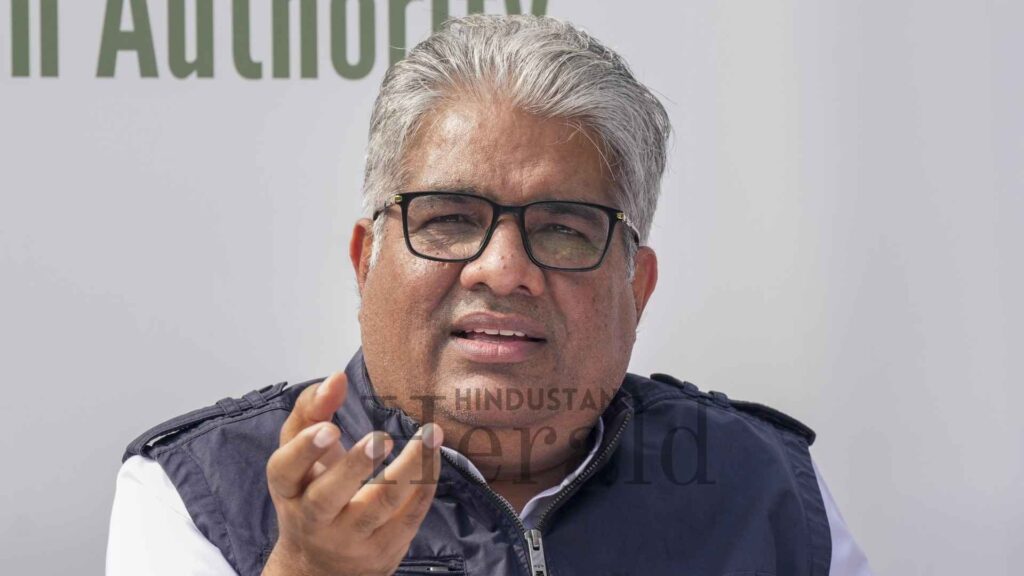
On Monday, the court appeared to agree that there was room for serious misunderstanding.
According to NDTV and SCC Online, the bench observed that the revised definition could be misused and might lead to mining in areas that need protection. As a result, the court stayed the November order and directed the formation of a high-powered expert committee.
This committee will carry out a detailed, scientific study of the Aravalli hills over time, examining their structure and environmental role. The case will be taken up again on January 21, 2026.
Why The Aravallis Are A Big Deal
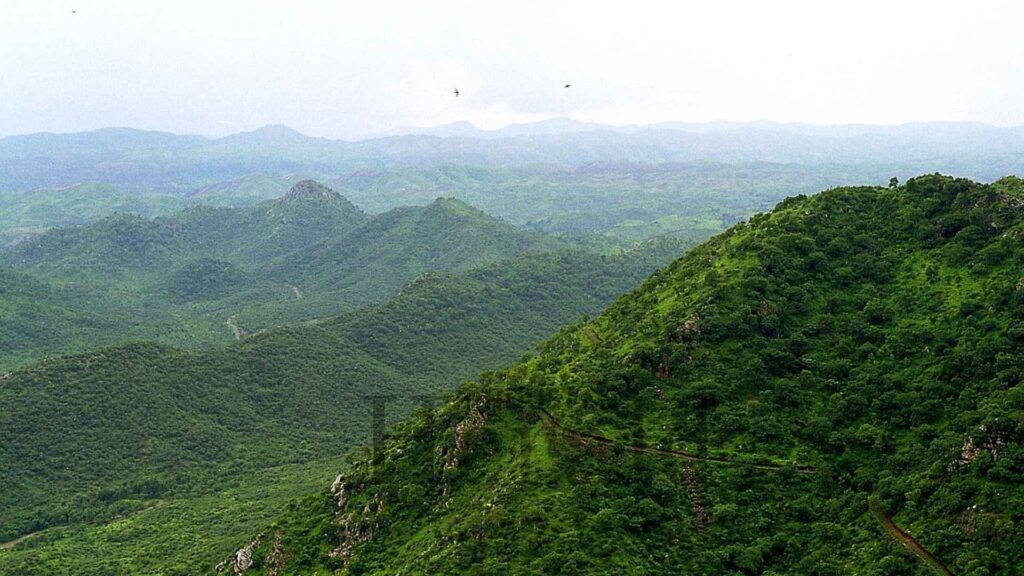
The Aravalli Hills run through Rajasthan, Haryana, Delhi, and parts of Gujarat. They are among the oldest mountain ranges in the world.
But age is not the only reason they matter. The Aravallis act as a natural shield, slowing the spread of the Thar Desert toward northern India. They help recharge groundwater, reduce dust storms, and play a role in regulating temperatures. The Supreme Court noted that the hills are the only natural barrier stopping desertification from moving toward the Gangetic plains. Once damaged beyond a point, that protection cannot be restored.
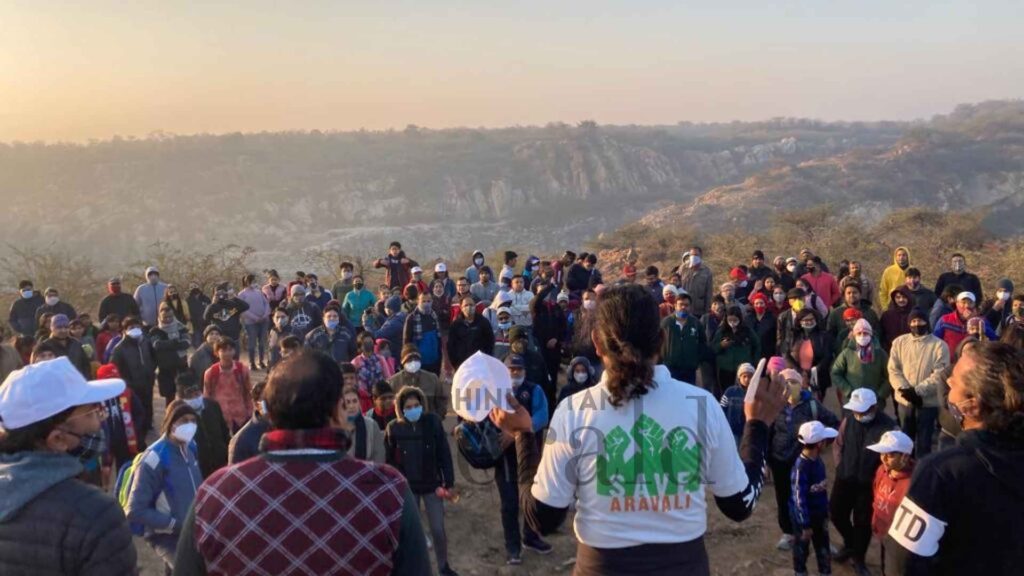
Environmental activists had warned that the November judgment could leave large areas open to mining, simply because they did not fit a strict technical definition.
Monday’s stay suggests the court took those warnings seriously.
A Rare Step Back
It is not common for the Supreme Court to put its own order on hold. But it does happen when the stakes are high.
After the November ruling, multiple applications were filed seeking clarification. Petitioners argued that decades of environmental protection could be undone by a single interpretation.
By appointing an expert committee, the court has chosen to slow things down and let science guide the next step.
For now, mining activity linked to the disputed definition remains in limbo.
Two Decisions, One Underlying Message
The Unnao rape case and the Aravalli Hills matter have nothing in common at first glance. One is about a survivor seeking safety and closure. The other is about forests, rocks, and land use.
Yet both decisions reflect the same instinct. When the damage cannot be undone, caution matters.
In one case, the court prevented a convicted rapist with political influence from walking free too soon. In the other, it stopped a legal interpretation that could permanently alter a fragile ecosystem.
Neither case is over. Appeals remain pending. Expert reports are awaited.
But December 29 will be remembered as a day when the Supreme Court chose to slow the clock. And sometimes, slowing down is the most responsible thing an institution can do.
Stay ahead with Hindustan Herald — bringing you trusted news, sharp analysis, and stories that matter across Politics, Business, Technology, Sports, Entertainment, Lifestyle, and more.
Connect with us on Facebook, Instagram, X (Twitter), LinkedIn, YouTube, and join our Telegram community @hindustanherald for real-time updates.

Covers Indian politics, governance, and policy developments with over a decade of experience in political reporting.
- Ananya Sharma

- Ananya Sharma
- Ananya Sharma
- Ananya Sharma




 Arun Upadhayay and Ananya Sharma
  Neeraj Kapoor and Ananya Sharma