 By Ananya Sharma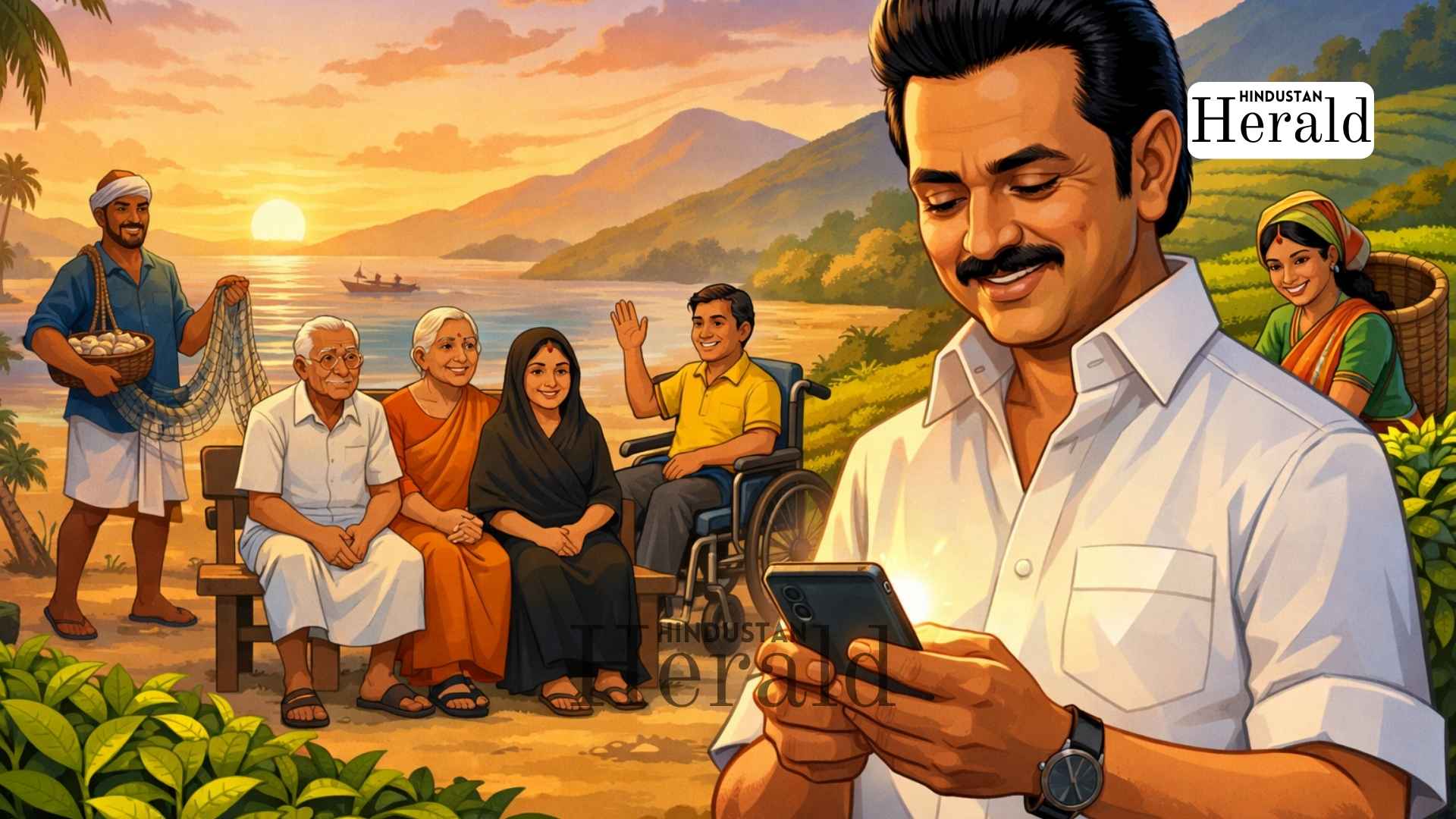
Chennai, March 3: Somewhere between midnight and dawn, bank accounts across Tamil Nadu began to blink with unexpected balance updates.
For nearly 38 lakh people who depend on the state’s social security pensions, Tuesday did not begin with a speech or a press conference. It began with an SMS. ₹2,000 extra. Credited.
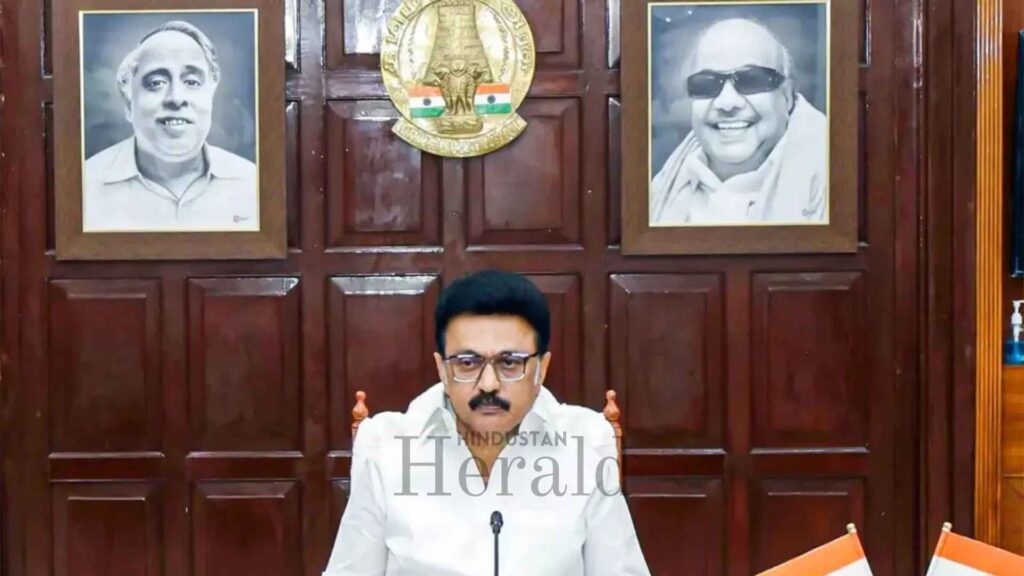
By mid-morning, Chief Minister MK Stalin had confirmed what many beneficiaries had already discovered for themselves. The government had deposited a one-time special relief of ₹2,000 along with the regular March pension. For households living month to month, that distinction matters less than the bottom line. The money is there.
A Small Sum On Paper, A Big Morning For Many
The numbers are straightforward. The impact is not.
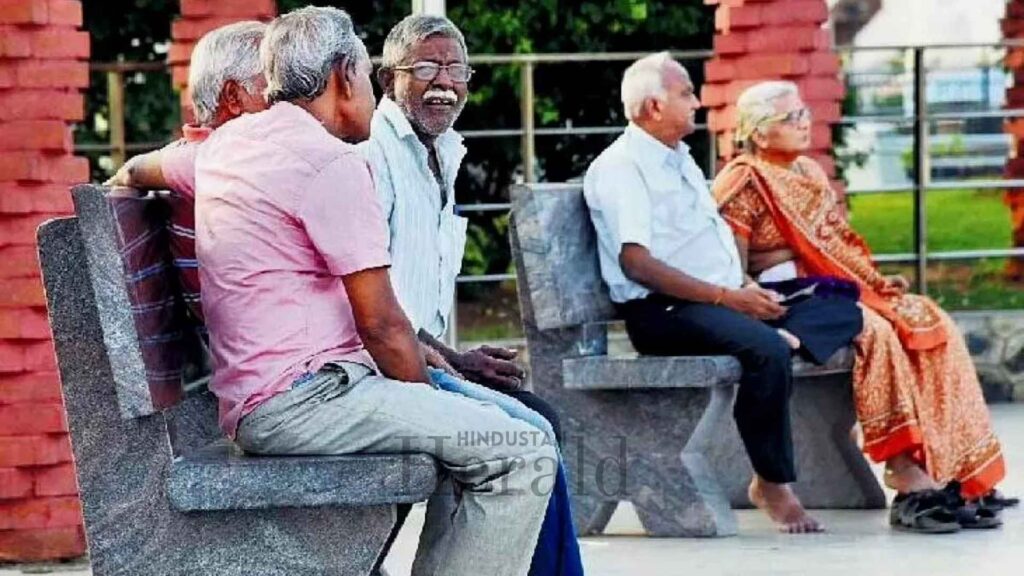
For 29.29 lakh elderly citizens and widows who receive a monthly pension of ₹1,200, Tuesday’s transfer meant ₹3,200 in their accounts. Persons with disabilities, who receive ₹1,500 per month, saw ₹3,500 credited. Those categorised as severely disabled and eligible for caregiver assistance received ₹4,000 in total.
Elderly transgender persons covered under the state’s social security net were also included.
It is easy to treat these figures as ledger entries. But speak to any pensioner, and you hear something else. Medicines that were being rationed can now be bought in full strips. A pending electricity bill can be cleared without borrowing from a neighbour. Groceries need not be stretched quite so thin.
For someone living on ₹1,200 a month, ₹2,000 is not symbolic. It is oxygen.
The Shadow Of February
This is not happening in isolation.
On February 13, the government transferred ₹5,000 to 1.31 crore women under the Kalaignar Magalir Urimai Thogai scheme. Of that amount, ₹3,000 covered three months of advance installments. The remaining ₹2,000 was described as a special summer assistance.
The optics were unmistakable. Advance payments. Lump sums. A visible show of liquidity landing in households before the heat and, not incidentally, before the political season gathers pace.
After that payout, pensioners began asking a simple question. If women beneficiaries could receive a special package, why not those on social security pensions?
On Tuesday, the Chief Minister said this disbursement answers that demand.
There is political calculation here. There is also a political instinct. Tamil Nadu’s governments, across parties, have long understood that welfare is not an abstract promise. It is a transaction. Tangible. Measurable. Delivered.
Beyond Pensioners
The announcements did not stop with pensioners.

Around 1.62 lakh fishermen families are set to receive ₹8,000 each as assistance for the annual fishing ban period from April to June. The ban, imposed to protect marine breeding cycles, effectively shuts down incomes for weeks. Every year, families brace for it. Every year, the state steps in with some form of support.
Then there are the tea growers in the Nilgiris. Roughly 14,800 small farmers will receive an incentive of ₹2 per kilogram of green tea leaves. It sounds modest, and it is. But in a sector squeezed by fluctuating prices and rising input costs, even ₹2 can soften a bad season.
These measures may not trend nationally. They will not dominate prime time debates. But they travel quickly in villages and coastal hamlets. Word spreads faster than any official notification.
Welfare As A Political Language
Tamil Nadu has always spoken the language of welfare fluently.
From the expansion of the public distribution system decades ago to more recent direct benefit transfers, governments here rarely shy away from cash support. What has changed is scale. Transfers now reach crores at the tap of a button.
The Stalin government has leaned heavily into that model. The Kalaignar Magalir Urimai Thogai scheme itself, pitched as a monthly right for women family heads, reshaped household finances in subtle ways. For many women, it meant money deposited into their own accounts, not as shared family income but as something with their name on it.
Critics raise familiar concerns. Tamil Nadu’s debt levels are not trivial. Welfare expansion costs money, and repeated lump-sum transfers can strain finances. Opposition leaders are likely to question the timing and sustainability of these decisions as elections draw closer.
Still, the state has also maintained relatively strong tax revenues and industrial growth. The government’s argument is clear: social stability and purchasing power feed the economy in return.
The debate will continue in assembly halls and television studios.
On the ground, the argument is quieter. It sounds like relief.
The Human Side Of A Bank Alert
There is something strangely intimate about a direct transfer. No queues. No token numbers. No middlemen.
Just a message on a phone.
Several beneficiaries reported waking up to SMS alerts before sunrise. Some thought it was a mistake. Others double checked with neighbours. By mid-morning, the news had travelled.
In small towns, pensioners gathered outside local banks not to withdraw everything immediately, but to confirm the balance in person. Old habits persist. Trust in a printed passbook still runs deeper than trust in a text message.
For elderly widows who live alone, this extra ₹2,000 can mean hiring help for a few days. For disabled beneficiaries, it can mean transport to a hospital that was previously postponed.
It does not solve structural poverty. It does not replace employment. But it buys breathing space.
And breathing space matters.
The Road Ahead
As the political calendar tightens, welfare disbursements will be read through multiple lenses. Strategy. Signalling. Fiscal arithmetic.
Yet there is another lens, less discussed but impossible to ignore. In a state where inflation nibbles at fixed incomes and medical costs climb steadily, predictable government support becomes part of household planning.
For now, what Tuesday has done is simple. It has injected liquidity into nearly 38 lakh homes. It has assured fishermen that the coming ban will not leave them entirely stranded. It has given tea farmers a marginal but meaningful cushion.
Whether this pattern continues, whether it expands, and whether it reshapes electoral outcomes are questions for another day.
This morning, in homes across Tamil Nadu, the conversation was smaller and more immediate.
Did you check the account?
Yes. It came.
Stay ahead with Hindustan Herald — bringing you trusted news, sharp analysis, and stories that matter across Politics, Business, Technology, Sports, Entertainment, Lifestyle, and more.
Connect with us on Facebook, Instagram, X (Twitter), LinkedIn, YouTube, and join our Telegram community @hindustanherald for real-time updates.

Covers Indian politics, governance, and policy developments with over a decade of experience in political reporting.
- Ananya Sharmahttps://hindustanherald.in/authors/ananya/

- Ananya Sharmahttps://hindustanherald.in/authors/ananya/
- Ananya Sharmahttps://hindustanherald.in/authors/ananya/
- Ananya Sharmahttps://hindustanherald.in/authors/ananya/