
 By Ananya Sharma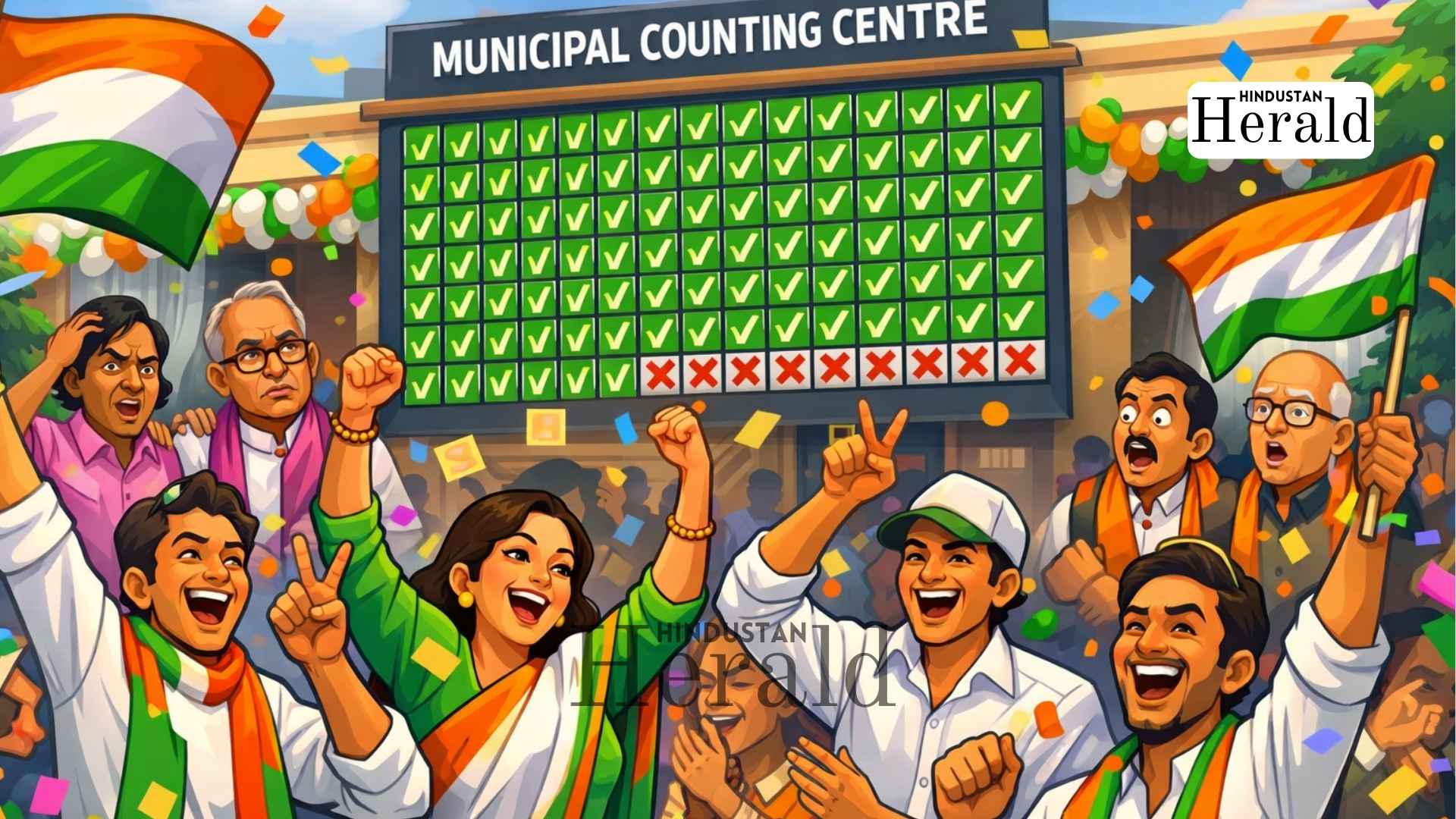
Hyderabad, February 13: By mid-morning on Friday, the mood outside counting centres across Telangana had already shifted from cautious hope to loud certainty. Party workers stood glued to their phones, refreshing ward updates every few minutes. Firecrackers began going off well before the final numbers were in. By afternoon, it was official. The Indian National Congress had swept the Telangana municipal elections in a way few had predicted so confidently on record.
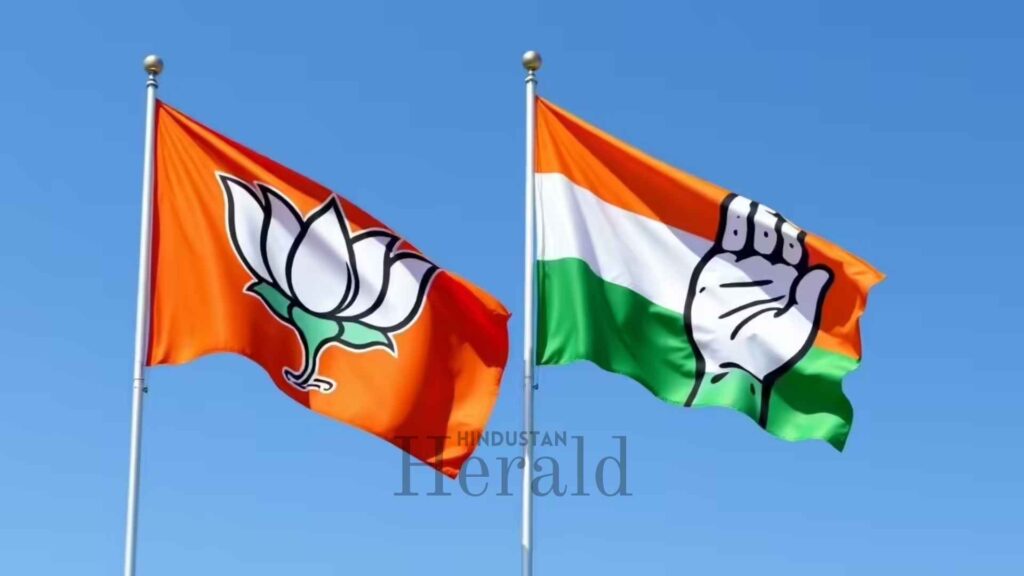
Across 116 municipalities and 7 municipal corporations, Congress closed in on the thousand-ward mark, eventually winning around 998 seats, with some tallies placing it just over that number. The Bharat Rashtra Samithi, which once dominated these very urban bodies, was left at roughly 529 to 534 wards. The Bharatiya Janata Party managed about 162. The gap is not marginal. It is political daylight.
Voting took place on February 11 with a turnout of about 73 percent. Over 52 lakh people cast their ballots to decide nearly 2,981 wards. Counting concluded on February 13, with minor postponements earlier in places like Makthal.
But numbers, while important, only tell half the story.
The Shift You Could Feel On The Ground
For months, there has been a quiet recalibration in Telangana’s urban mood. Shopkeepers, auto drivers, small contractors, municipal employees, apartment residents, all had opinions. Some were frustrated with civic issues. Others felt it was time to give the new state government a clear mandate at every level.
On Friday, that mood translated into votes.
Congress workers in towns like Nizamabad and Karimnagar did not wait for the final declaration to begin celebrations. Early leads crossed 900 wards before noon. In several municipalities, the party was not just winning, it was overwhelming the competition. Clean sweeps were reported in key pockets.
As reported by The Indian Express, this is a sharp contrast from 2020, when the BRS controlled more than 1,700 wards statewide. Back then, the party’s grip over urban Telangana looked nearly unshakeable. Today’s verdict suggests that grip has loosened considerably.
Political winds in India do not change gradually. They turn quickly. Telangana’s towns seem to have turned.
What Happened To The BRS Base
The BRS campaign this time leaned heavily on its record. Leaders reminded voters of previous welfare measures, infrastructure projects, and urban development claims. There was confidence, especially in areas where the party had deep organisational roots.
Yet ward after ward slipped away.
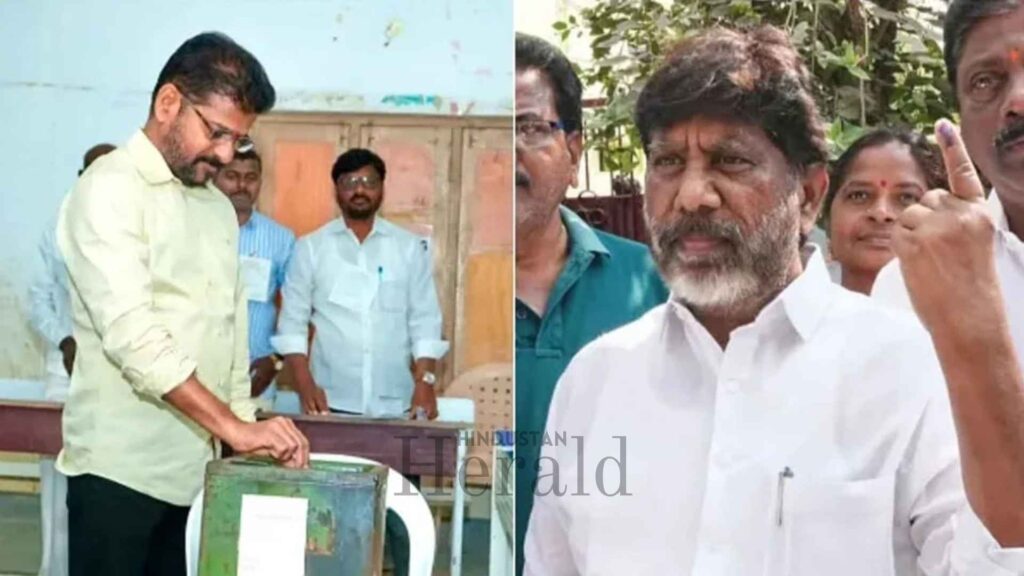
According to The Hindu’s coverage of the voting phase earlier this week, turnout remained healthy and competitive in most municipalities. That makes the outcome even more striking. This was not an election decided by apathy. People came out and voted decisively.
In several districts, BRS candidates reportedly lost by margins that surprised even local observers. The sense among political analysts is that urban voters were looking at current governance more than past performance.
The BJP, meanwhile, campaigned aggressively but struggled to convert visibility into seats. While the party has a national presence and a vocal urban base in parts of India, municipal politics in Telangana appear to remain a two-horse race, at least for now.
Why These Local Elections Matter More Than They Sound
It is easy to dismiss municipal elections as “small polls.” After all, they deal with drainage systems, streetlights, property taxes, and garbage contracts. But in reality, they shape everyday life more directly than many high-profile state decisions.
When roads are dug up and left unfinished, it is the municipal body that people blame. When water does not arrive on time, residents call their local councillor, not the assembly member.
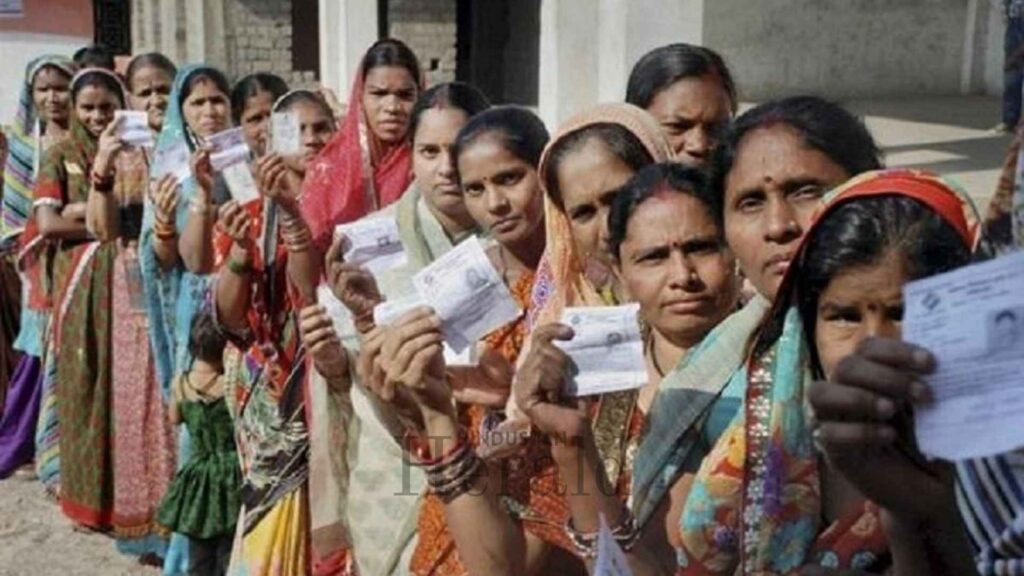
By winning close to a thousand wards, Congress now controls the machinery that runs daily urban governance in much of Telangana. Oath-taking ceremonies are scheduled for February 16. After that, mayors, chairpersons, and standing committees will be elected. With these numbers, Congress is expected to take charge in a majority of corporations and municipalities without needing complicated alliances.
That is not just symbolic power. It is administrative control.
A Boost For The State Government
The results also serve as a political endorsement of the current state government. After forming the government, Congress needed proof that its support was not limited to one election cycle. Urban local bodies provided that test.
Winning rural gram panchayat contests earlier had already strengthened its grassroots network. Now, urban consolidation adds another layer of legitimacy.
Still, expectations will rise quickly. Urban voters are often less patient. They demand faster road repairs, better waste management, cleaner public spaces, and smoother traffic systems. Delivering on those demands is not easy. Municipal finances are tight. Contractor politics is complex. Bureaucratic delays are routine.
Victory is the easy part. Governance will be harder.
What This Means For 2026 And Beyond
Although these are local body elections, political parties will read them as indicators of larger trends. The next assembly election may still be some distance away, but momentum matters in politics.
For Congress, this result strengthens its organisational confidence. Booth-level workers who campaigned ward by ward now feel energised. Leaders will likely project this as proof that the urban middle class, small traders, and salaried voters are not drifting away.
For the BRS, the numbers will trigger serious introspection. Losing more than a thousand wards compared to its 2020 tally cannot be brushed aside as a minor setback. The party may need to rethink strategy, candidate selection, and messaging.
For the BJP, the challenge remains expansion. Municipal polls demand strong local faces and sustained grassroots work. Without that, national-level messaging often falls short in ward-level contests.
The Voter’s Perspective
Beyond party offices and political analysis, the ordinary voter’s expectations remain simple.
Fix the roads.
Clear the garbage.
Ensure drinking water.
Make local offices accessible.
People do not vote in municipal elections, thinking about grand ideological battles. They vote, thinking about the street outside their home.
On Friday, over 52 lakh voters made their choice. They chose a party that now carries the responsibility of translating promises into practical improvements.
Celebrations will fade in a few days. Firecracker smoke will clear. What will remain is a long list of civic problems waiting on the desks of newly elected councillors.
For now, though, the political message is unmistakable. Telangana’s urban voters have handed Congress a dominant mandate. It is not a narrow edge. It is a commanding lead.
And in politics, commanding leads reshape conversations.
Stay ahead with Hindustan Herald — bringing you trusted news, sharp analysis, and stories that matter across Politics, Business, Technology, Sports, Entertainment, Lifestyle, and more.
Connect with us on Facebook, Instagram, X (Twitter), LinkedIn, YouTube, and join our Telegram community @hindustanherald for real-time updates.

Covers Indian politics, governance, and policy developments with over a decade of experience in political reporting.
- Ananya Sharma

- Ananya Sharma
- Ananya Sharma
- Ananya Sharma




 Rajiv Menon