
 By Ananya Sharma
New Delhi, April 4: When a government says it is amending a law to “protect” a community, and every single member of that community’s own advisory council either resigns or objects, something has gone seriously wrong. That is where India stands today with the Transgender Persons (Protection of Rights) Amendment Bill, 2026.
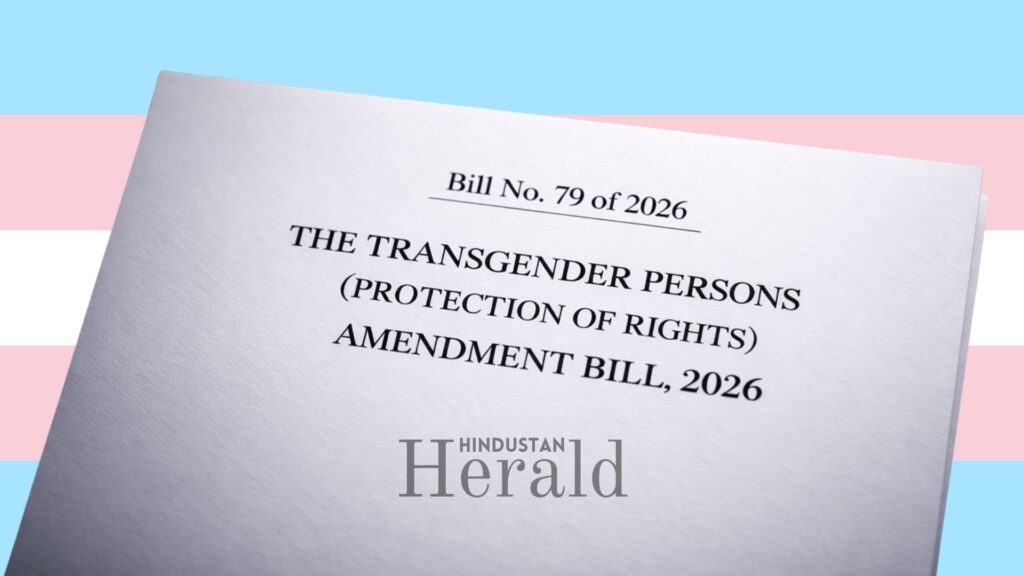
President Droupadi Murmu signed it. It is now law. And the people it claims to protect are the ones most afraid of it.
It Moved So Fast Nobody Could Stop It
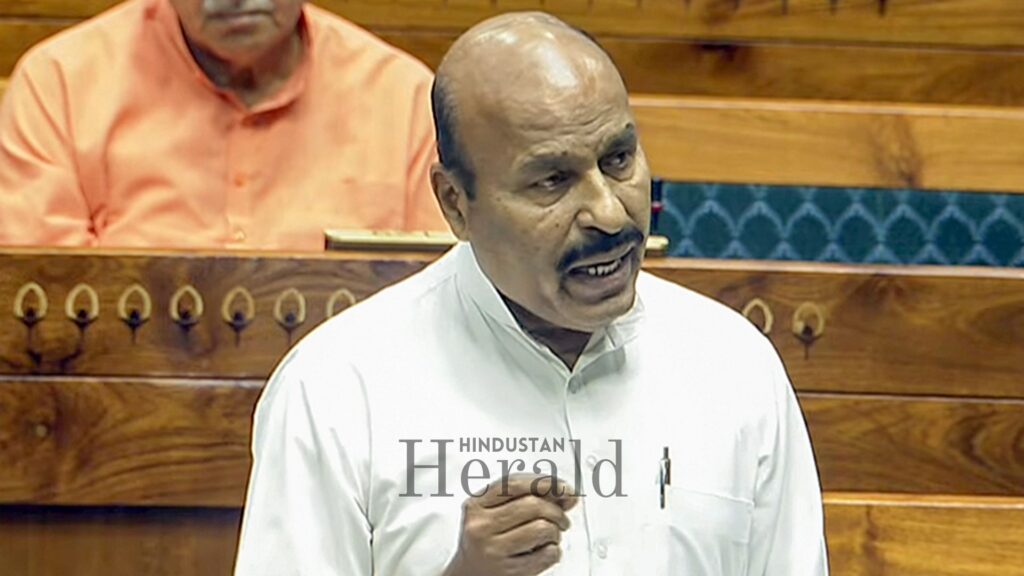
Union Minister Virendra Kumar walked into the Lok Sabha on March 13 and introduced this bill. Thirteen days later, it had cleared both houses of Parliament and was on its way to the President. Thirteen days. For a law that affects lakhs of people, that touches on constitutional rights, that contradicts a Supreme Court ruling from 2014, that even the government’s own expert committee said should be withdrawn.
The opposition walked out. Members of the National Council for Transgender Persons, which is the government’s own advisory body on this exact subject, resigned in protest. Over 140 lawyers and activists wrote to the President asking her not to sign it.
She signed it.
Who Are We Actually Talking About
Before getting into what the law says, it helps to understand who it affects.
India’s last census counted roughly 4.87 lakh transgender persons in the country. Think about that number. That is more than the entire population of many Indian cities. Of those 4.87 lakh people, only around 32,500 have ever managed to get an official identity card. An identity card that lets you open a bank account, access a ration card, apply for a government job, get proper hospital treatment without being turned away or humiliated.
The gap between 4.87 lakh and 32,500 is not a coincidence. It is the result of decades of a system that was not built for these people.
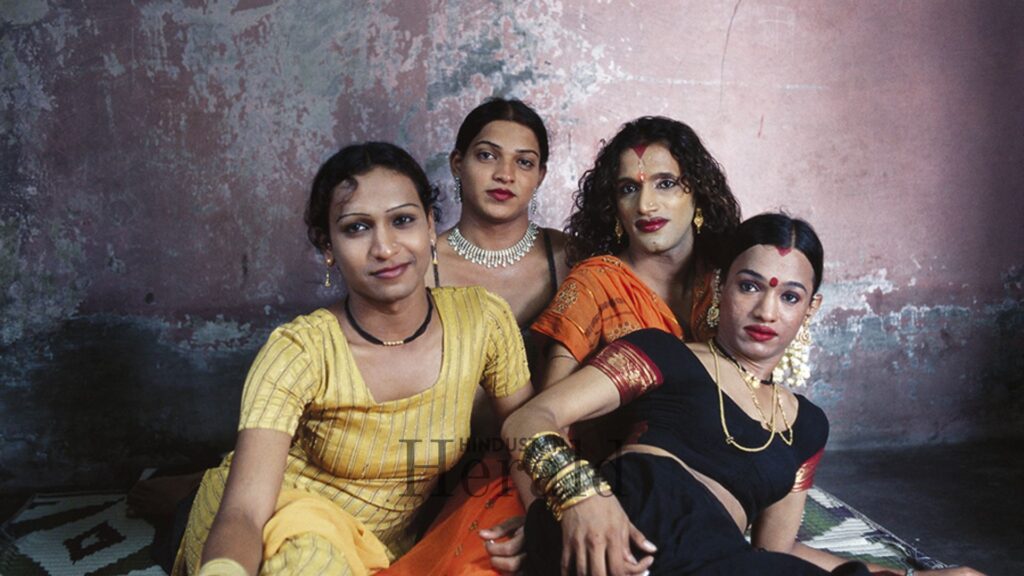
The hijra community, the kinner, the aravani these are not new identities invented recently. They go back centuries in this part of the world. They had recognised roles in Mughal courts. They are part of religious traditions, folk culture, community life. And yet the British, when they were running this country, passed the Criminal Tribes Act of 1871, which basically classified them as born criminals. Registered them with police. Made their existence itself something to be surveilled and controlled.
India got rid of that law after Independence. But the attitudes it normalised took much, much longer to shift. For decades, transgender persons here could not easily vote, could not get passports, were turned away from schools and hospitals, faced regular police harassment. The state simply did not recognise them as full citizens.
Then 2014 Happened
In 2014, the Supreme Court of India did something that genuinely mattered. In a case called NALSA v. Union of India, the court said: every person in this country has the right to identify their own gender. You do not need a doctor to confirm it. You do not need surgery. You do not need any government official to look at you and decide whether you “qualify.” Your identity comes from inside you, and the Constitution protects it.
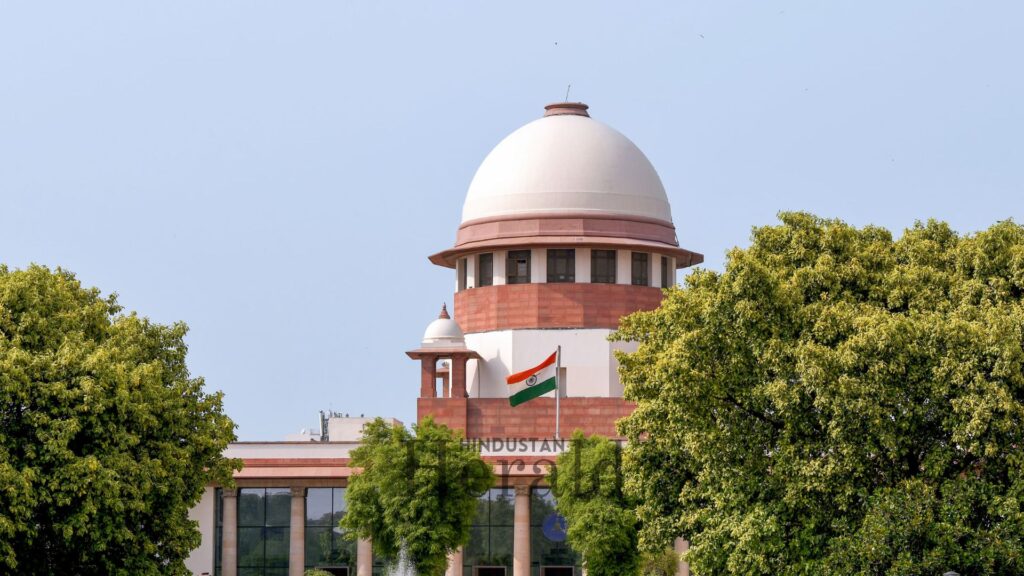
That was a big deal. It meant that for the first time, the highest court in the land was telling transgender persons that they belong, that the law sees them, that they get to decide who they are.
Five years later, Parliament passed the Transgender Persons (Protection of Rights) Act, 2019 to put that court ruling into actual working law. Was it perfect? No. Rights groups had complaints. But the foundation was solid. You fill out an affidavit, you take it to the District Magistrate’s office, you get your certificate of identity. Simple enough. More importantly, it respected what the Supreme Court had said: you are the authority on your own gender, not the state.
The 2026 amendment has now torn that foundation out.
What This New Law Actually Says, In Plain Language
Okay, here is where it gets important to pay attention, because the language in these bills can be confusing deliberately or not, and most people end up not understanding what actually changed.
First, the definition has been chopped down.
The old law said a transgender person is someone whose gender does not match what was assigned to them at birth. Simple, wide, covers everyone who needs it to cover them.
The new law replaces that with a closed list. You are transgender under Indian law now only if you belong to specific socio-cultural groups like hijra, kinner, aravani, or jogta, or if you have one of five specific biological variations, or if you were forced into a transgender identity against your will.
That last category is the strange one. If someone forced you to present as transgender, you are not choosing that identity yourself. Why would you be in a transgender rights law? Lawyers have been asking this question and not getting a clear answer.
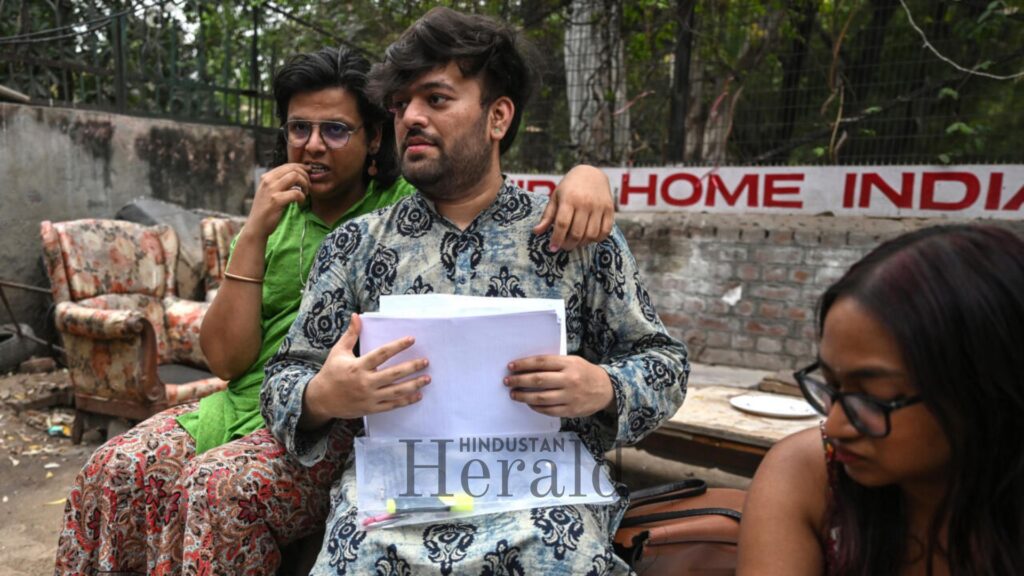
What is also not in that list: trans men. Non-binary persons. Trans women who do not come from those specific named communities. These are real people, many of whom already had legal identity cards under the 2019 Act, who are now effectively written out of the law. Not told they are losing protection. Just quietly no longer included in the definition.
The bill even has a line saying that people with different sexual orientations and self-perceived sexual identities are not included, and here is the odd part that they “will never have been included.” That last bit is trying to rewrite history through legislation. Legal experts have noted this is not how laws are supposed to work.
Second, you now need a medical board to approve your identity.
Under the old system, you go to the District Magistrate with your affidavit. Under the new system, the District Magistrate first has to wait for a recommendation from a government-appointed medical board, headed by a Chief Medical Officer or Deputy Chief Medical Officer. The board can also rope in other medical experts, though the bill does not actually define who those can be.
What this means practically: before the state will recognise who you are, a panel of doctors has to evaluate you and give the thumbs up. The Supreme Court in 2014 said specifically that no medical test can be made a condition for this recognition. The 2026 amendment essentially ignores that.
Third, your surgeon has to report your surgery to the government.
If a transgender person undergoes gender-affirming surgery, the hospital where it happens is now required to inform the District Magistrate. A government official gets notified about a private medical procedure you chose to have done. India’s own Supreme Court, in the Puttaswamy judgment of 2017, established that privacy is a fundamental right. This provision steps hard on that right.
Fourth, and this is the one that worries rights groups the most, the new criminal offences.
The bill adds serious prison time for forcing someone into a transgender identity. If you kidnap someone and force them to present as transgender, you can get ten years to life, and a minimum fine of two lakh rupees. If the victim is a child, it is life imprisonment, minimum five lakh fine.
Nobody is arguing against punishing actual coercion. That makes sense.
The problem is the words used. The bill criminalises not just force and kidnapping but also “alluring” someone into a transgender identity. What does alluring mean in this context? A parent who accepts their child? A teacher who creates a safe classroom? A doctor providing medical care? An NGO running a support centre for queer youth?
These provisions are broad enough that under the wrong magistrate, in a hostile district, they could be turned against the very people who support transgender persons. The People’s Union for Civil Liberties pointed out that this echoes the colonial laws that criminalised transgender persons for simply dressing the way they dressed. History, it seems, has not been learned from.
This Law and the Constitution Are Not Getting Along
Here is something that often gets lost in political debates about bills like this: courts actually have the final say.
The NALSA ruling from 2014 is not optional. It is binding precedent. Two more Constitution Benches after it reaffirmed the same principles. High Courts across the country have followed them. These are not activist opinions or political positions. They are constitutional law.
The 2026 amendment puts medical certification back as a requirement for identity recognition. The Supreme Court said in 2014 that cannot be required. The bill conflicts with the ruling directly. Legal scholars are not hedging on this. They are saying plainly that this amendment is constitutionally vulnerable and that challenges are coming.
A committee that the Supreme Court itself appointed to advise on transgender rights had already told the government to withdraw this bill and consult more widely. The government did not follow that advice.
The People Who Were Supposed to Be on This Bill’s Side Said No
Rituparna Neog and Kalki Subramaniam sat on the National Council for Transgender Persons. This is the official body, created by the government, specifically to advise on policies that affect the transgender community. When the bill passed the Rajya Sabha, both of them resigned. They called it “a step backward for our fundamental rights to self-identification and dignity.”
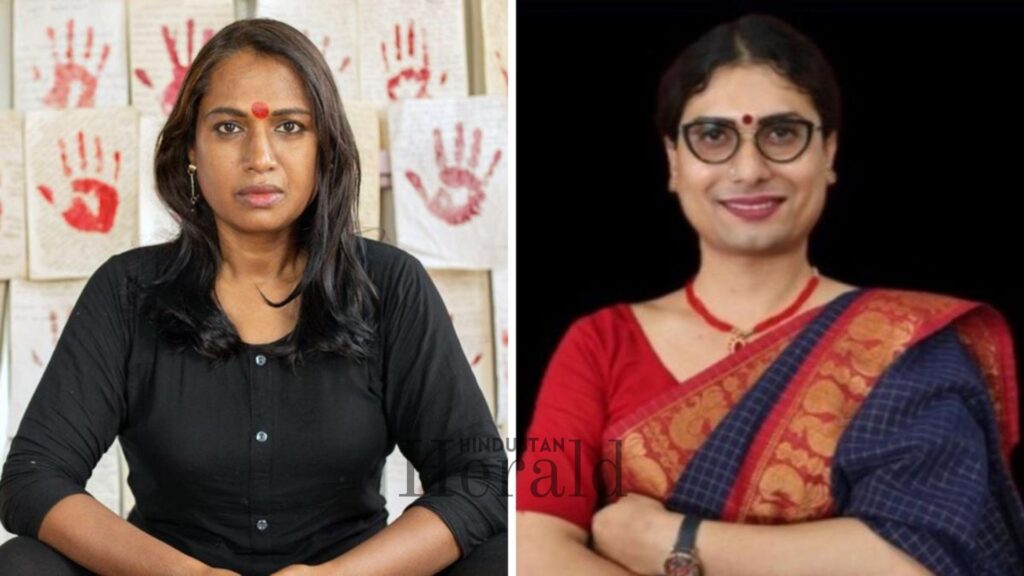
These are not opposition politicians. These are people the government invited into its own advisory structure. Their resignation tells you something.
Amnesty International called the President’s decision to sign the bill “a major step backward for human rights.” Human Rights Watch said the amendment wipes out what the 2014 Supreme Court ruling achieved. These are global organisations that track this across many countries. India, they are saying, is moving in the opposite direction from where rights are supposed to go.
What This Means for a Transgender Person Waking Up This Morning
Forget the legal arguments for a moment. Think about what this actually feels like on the ground.
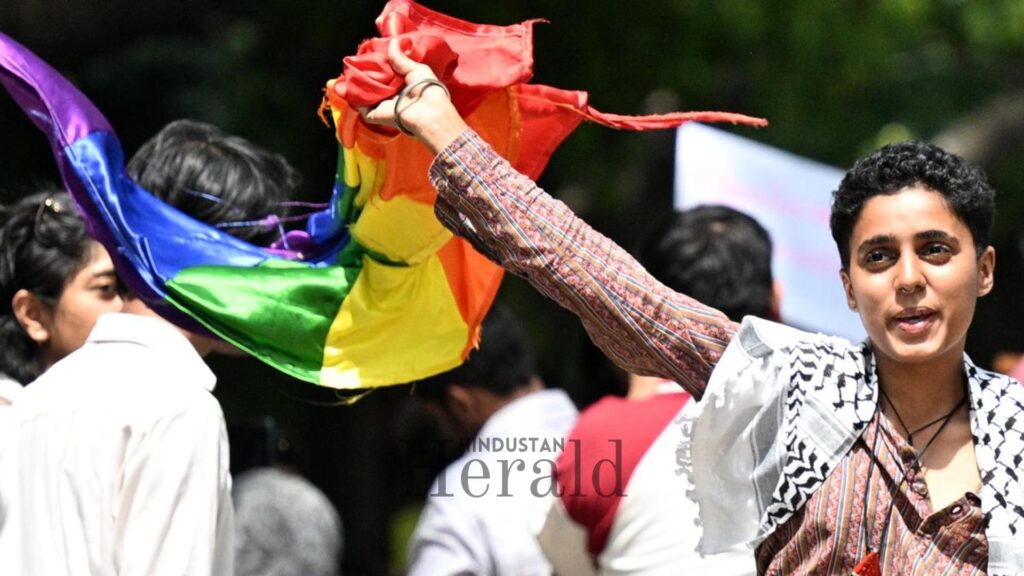
You are a trans woman in a small town. You finally got your identity certificate two years ago under the 2019 Act. That certificate is how you access your ration card. Your bank account is linked to it. Your name in your documents matches who you are for the first time in your life.
Now a new law has passed. You do not fully understand what it says because it is written in the language of legislation, not normal conversation. But people in your community are saying that you might no longer be covered. That you might need to go in front of a medical board. That your surgeon might have reported your surgery to a government official. That supporting organisations you rely on might now face criminal scrutiny.
The government has not issued clear guidance on what happens to existing identity cards. Whether they remain valid. Whether people already recognised under the 2019 Act are grandfathered in or now need to re-apply under the new, tighter rules.
That silence is its own kind of answer.
Where This Goes From Here
Courts, almost certainly. Petitions challenging the constitutional validity of this amendment are expected, and given how directly the bill conflicts with Supreme Court precedent, those petitions have real ground to stand on.
But legal processes take time. Years, sometimes. And in the meanwhile, lakhs of people are living under a law that their own community, their own advisory council, the Supreme Court’s own appointed committee, and major human rights organisations around the world have said should not exist in its current form.
The government’s argument is that it wanted precision. That the old definition was too wide. That narrowing it down helps those who genuinely need protection.
The people who genuinely need protection are the ones saying this law makes their lives harder, not easier. At some point, that has to count for something.
Stay ahead with Hindustan Herald — bringing you trusted news, sharp analysis, and stories that matter across Politics, Business, Technology, Sports, Entertainment, Lifestyle, and more.
Connect with us on Facebook, Instagram, X (Twitter), LinkedIn, YouTube, and join our Telegram community @hindustanherald for real-time updates.

Covers Indian politics, governance, and policy developments with over a decade of experience in political reporting.
- Ananya Sharma

- Ananya Sharma
- Ananya Sharma
- Ananya Sharma




 Sandeep Verma