
 By Rajiv Menon
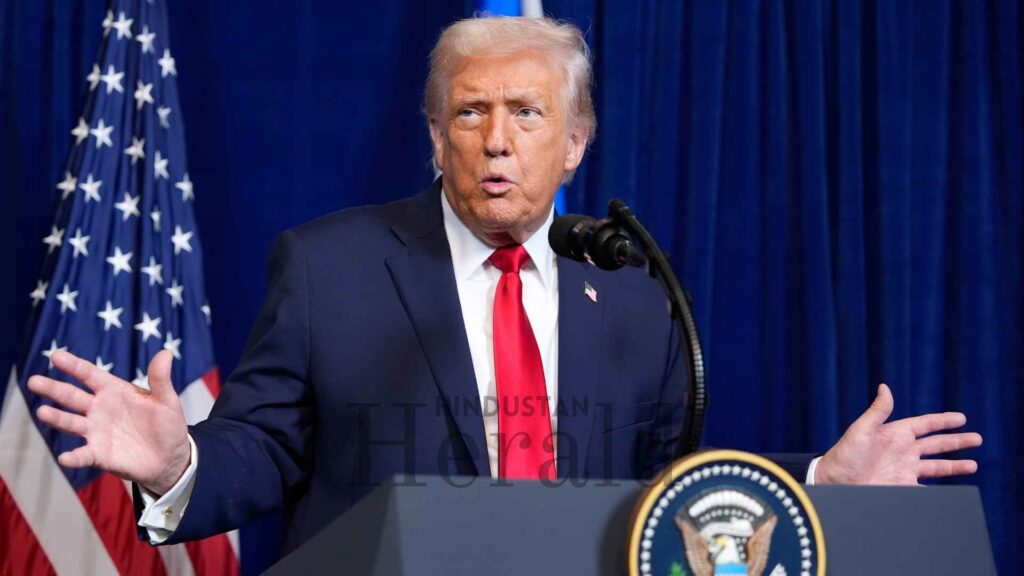
New Delhi, January 5: US President Donald Trump is back to doing what he does best, mixing praise with pressure, compliments with consequences. On Sunday, speaking casually to reporters aboard Air Force One, Trump described Prime Minister Narendra Modi as “a very good man” and “a good guy.” But the warmth lasted only a moment. Almost immediately, the American president reminded India that goodwill does not come cheap.

“They do trade with us,” Trump said. “And we can raise tariffs on them very quickly.” The reason, once again, is India’s purchase of Russian oil.
A Warning That Isn’t New, But Is Louder
Trump’s message was not subtle. If India continues buying oil from Russia, the United States is prepared to tighten the screws further. That is, even though Indian goods are already facing some of the highest US tariffs in recent history.
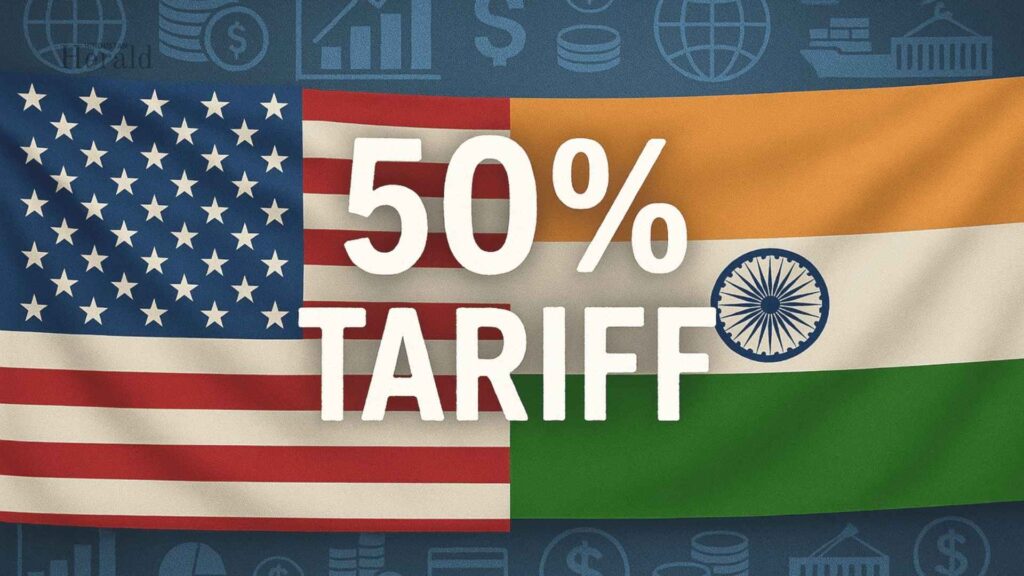
Since August 2025, Washington has imposed a 50 per cent import duty on a wide range of Indian exports. The move was rolled out in two steps. First came a 25 per cent tariff. Then another 25 per cent was added as a “penalty,” directly linked to India’s oil and defence trade with Moscow.
According to Reuters, the Trump administration believes India’s purchases of discounted Russian crude help keep Russia financially afloat during the war in Ukraine.
India does not agree. New Delhi has repeatedly said that it buys oil where it is cheapest and legally available, and that energy security for 1.4 billion people cannot be dictated by foreign governments.
India Is Already Paying The Price
On the ground, the impact of US tariffs is already being felt. Indian exporters in sectors like textiles, engineering goods, auto parts, and chemicals say US buyers have either cut orders or demanded sharp price reductions. Smaller exporters are struggling to stay afloat. Larger firms are reworking supply chains and looking for markets outside the US.
That said, Washington insists the tariffs are not meant to permanently damage trade, but to force a change in behaviour.
Trump made it clear on Sunday that the pressure campaign is not over.
Trump Says India Has Fallen In Line
Interestingly, even while threatening more tariffs, Trump claimed success. According to him, India has already “substantially” reduced its imports of Russian oil to keep him happy. If India reverses course, he warned, penalties would return swiftly.
“If they don’t help on the Russian oil issue, we could raise tariffs on India,” Trump said.
There is some truth behind the claim, though the reasons are more practical than political. As reported by The Times of India, India’s crude oil imports from Russia are expected to hit a four-year low in January 2026.
This is largely because of US sanctions on Russian tankers, shipping firms, and insurers, which have made deliveries uncertain and risky. Indian refiners have been forced to look elsewhere, turning to suppliers in the Middle East, Africa, and South America.
Russia is still selling oil at attractive discounts. But without reliable shipping and insurance, those discounts are not always worth the trouble.
India Pushes Back, Publicly And Privately
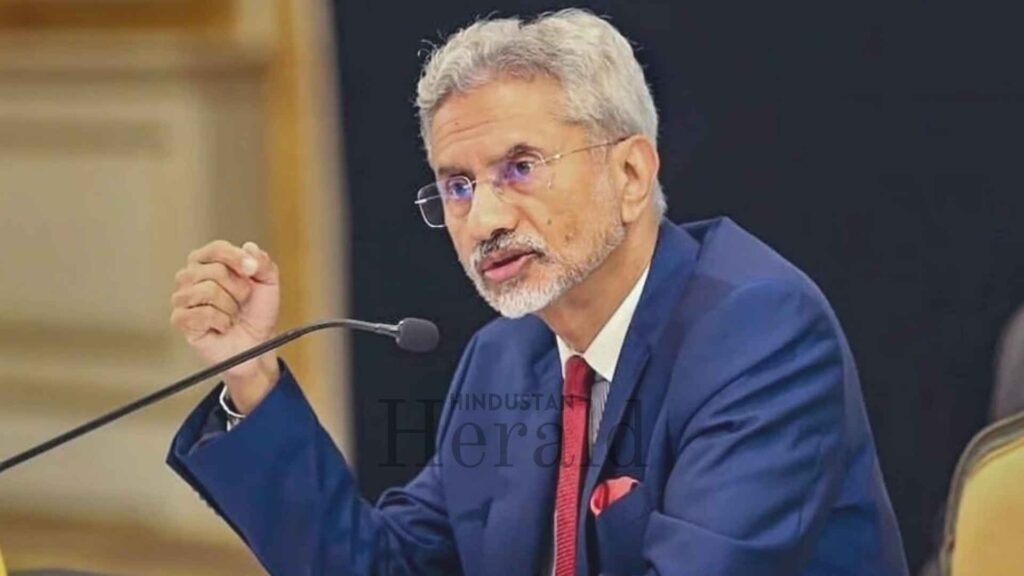
Despite the pressure, India has not softened its public stance. External Affairs Minister S. Jaishankar has previously described US demands as “unjustified and unreasonable.” Speaking earlier, and quoted by DD News, Jaishankar accused Western countries of hypocrisy, pointing out that several European nations continue trading with Russia while expecting developing countries to bear the cost of sanctions.
India’s argument is simple. Oil imports are about keeping fuel affordable at home. Sudden shifts raise prices, hurt consumers, and fuel inflation. Behind closed doors, Indian officials also point out that the US itself continues to import certain Russian-linked products through indirect routes, a fact New Delhi believes weakens Washington’s moral position.
Friendship, But On American Terms
This latest episode highlights a growing reality in US–India relations under Trump’s second term. Strategically, ties remain strong. The two countries work closely on defence, intelligence, and Indo-Pacific security. India plays a key role in balancing China’s influence in the region.
But trade is where things keep breaking down. From Washington’s point of view, India enjoys access to the US market while protecting its own economy with tariffs and regulations. From New Delhi’s side, the US increasingly uses trade as a weapon, even against partners.
The risk now is that this tension spills over into other areas, from defence deals to technology cooperation and visas.
A Tightrope For New Delhi
For India, there are no easy options. Cut Russian oil imports too sharply, and fuel prices could rise, hitting ordinary households and industry. Ignore Washington’s warnings, and Indian exporters could face even harsher tariffs.
With duties already at 50 percent, economists question how much further the US can realistically go without triggering legal challenges or retaliation. Still, Trump’s language suggests he believes pressure remains his strongest tool. For now, India appears to be walking a careful line. Oil sourcing is being adjusted quietly. Public statements remain firm.
Whether that is enough to keep Trump satisfied is another matter entirely. One thing, however, is clear. In Trump’s world, praise comes easily. Concessions do not.
Stay ahead with Hindustan Herald — bringing you trusted news, sharp analysis, and stories that matter across Politics, Business, Technology, Sports, Entertainment, Lifestyle, and more.
Connect with us on Facebook, Instagram, X (Twitter), LinkedIn, YouTube, and join our Telegram community @hindustanherald for real-time updates.

Specializes in South Asian geopolitics and global diplomacy, bringing in-depth analysis on international relations.
- Rajiv Menon

- Rajiv Menon
- Rajiv Menon
- Rajiv Menon