
 By Ananya Sharma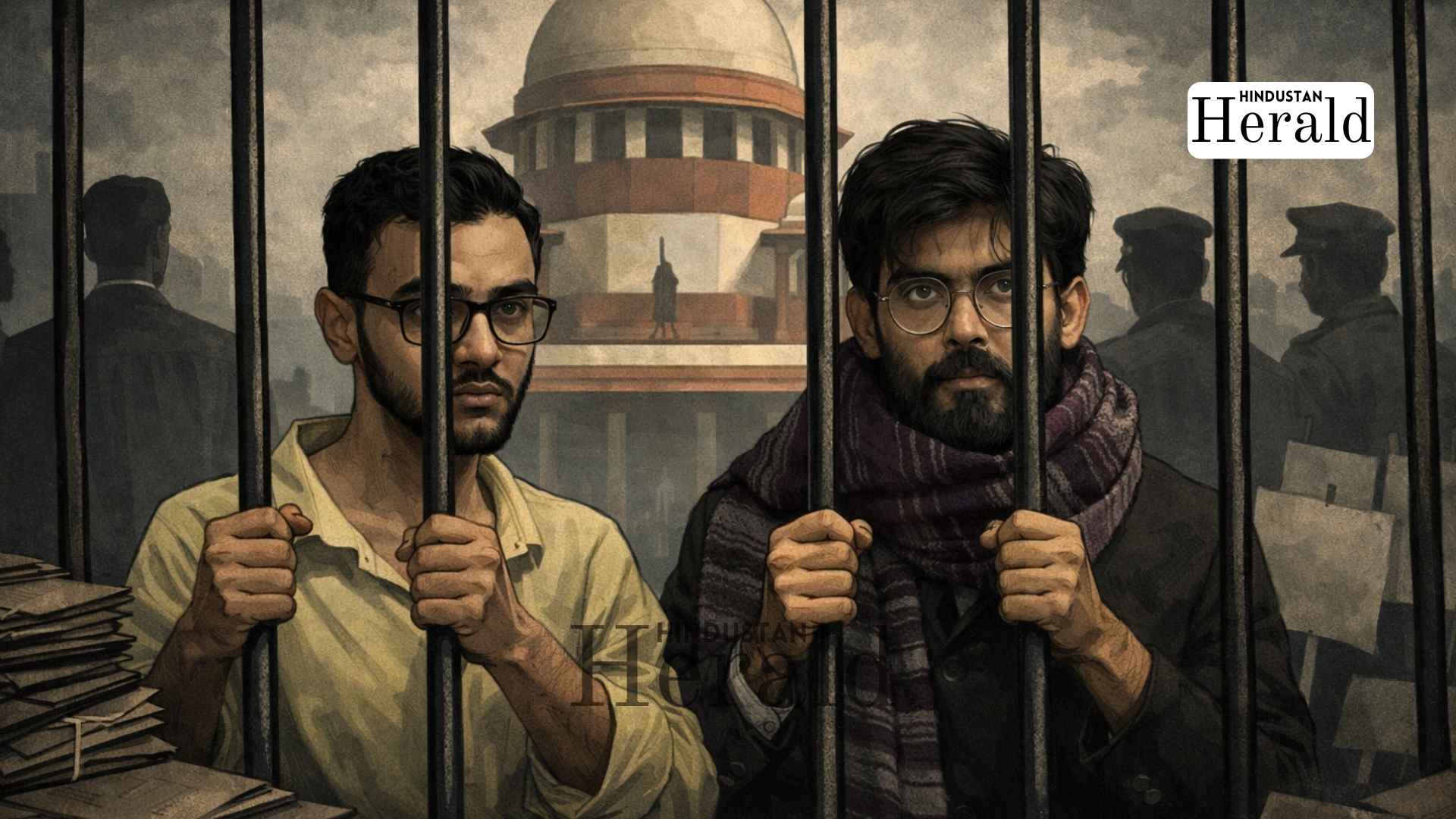
New Delhi, January 5: On Monday morning, after years of legal back-and-forth and mounting public debate, the Supreme Court of India delivered a decision that cut straight through the crowded maze of the Delhi riots conspiracy case. Two names stayed behind bars. Five others finally walked out on bail.
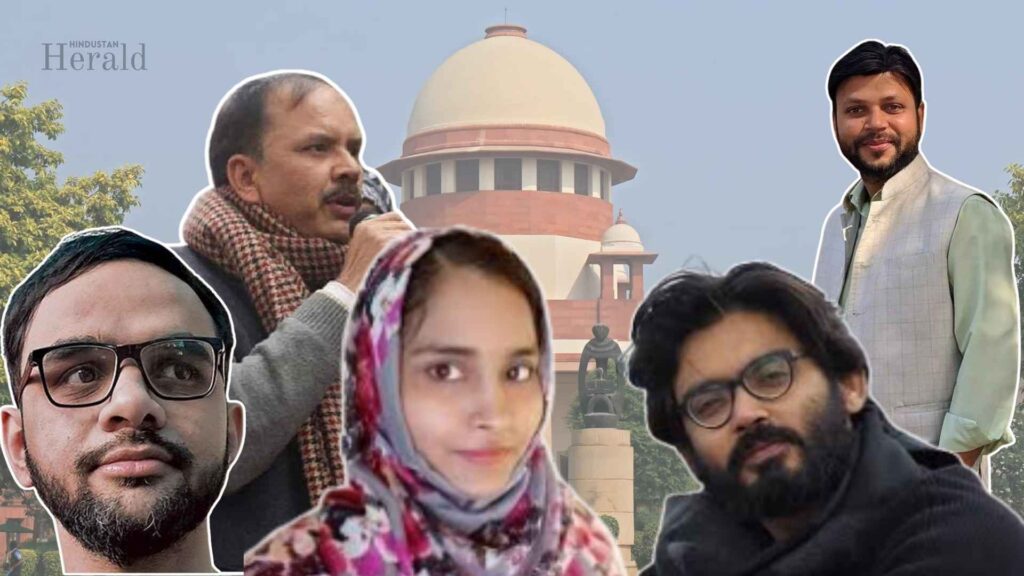
The Court denied bail to Umar Khalid and Sharjeel Imam, holding that the allegations against them were serious enough to meet the tough standards of India’s anti-terror law. At the same time, it granted bail to Gulfisha Fatima, Meeran Haider, Shifa Ur Rehman, Mohd Saleem Khan, and Shadab Ahmed, all of whom have spent years in jail without their trial reaching the finish line.
The split verdict underlined a simple but uncomfortable truth: in this case, the Court believes not everyone played the same role.
What The Judges Said And Why It Mattered
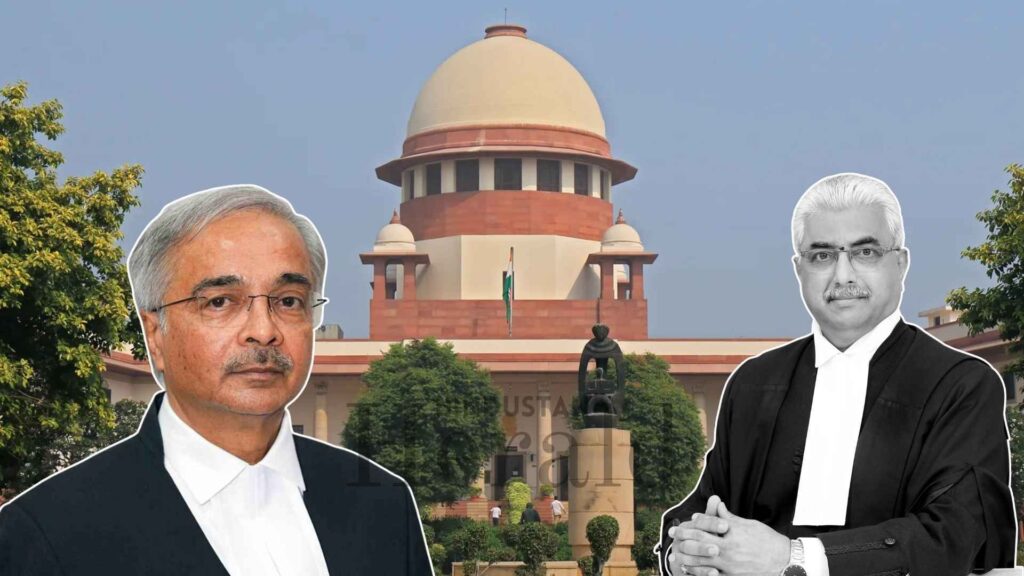
The Bench of Justice Aravind Kumar and Justice N. V. Anjaria made it clear that it was not looking at the case through a wide-angle lens. Instead, it zoomed in on each accused, one by one.
For Khalid and Imam, the judges said the prosecution material suggested something more than being part of protests or making political speeches. According to the Court, the records point towards planning and coordination, not just participation. At the bail stage, that was enough.
The judges said that, on paper, the allegations indicate actions that could fall under the Unlawful Activities (Prevention) Act, 1967, better known as UAPA. Under this law, bail is extremely hard to get if the court believes the accusations appear true at first glance.
The Court accepted the police claim that the alleged conspiracy was meant to choke daily life in parts of Delhi, disrupt traffic and essential services, and cause economic damage during a volatile period. Investigators have repeatedly alleged that the violence was not accidental or sudden, but part of a broader plan linked to protests against the Citizenship Amendment Act.
The judges were careful to say they were not deciding guilt. That will happen, if at all, during the trial. But for now, they said, the legal threshold for bail was not crossed.
Why Five Accused Got Bail
For the five others, the story looked different.
The Supreme Court said their alleged roles did not show the same level of planning or leadership. While the prosecution linked them to protest sites and meetings, the Court felt that keeping them in jail indefinitely could not be justified on the material shown so far.
One line from the order stood out: not all accused stand on equal footing.
In simpler terms, the judges said courts cannot lump everyone together just because they are named in the same chargesheet. Each person’s actions matter, and so does the scale of their involvement.
This approach worked in favour of the five accused, who have now been granted bail after spending years in prison without conviction.
The Shadow Of Five Long Years
Few things weigh more heavily on this case than time.
Both Umar Khalid and Sharjeel Imam have been in custody for more than five years. Their lawyers argued that this alone should tilt the balance in their favour. After all, India’s Constitution promises personal liberty, and undertrials are not supposed to serve open-ended jail terms.
The Supreme Court acknowledged this concern, but refused to treat delay as an automatic reason for bail in UAPA cases. The judges said Parliament intentionally made the law strict, especially where allegations involve national security or large-scale violence.
Still, the Bench also sent a clear signal to the lower court: move faster. It directed the trial court to expedite the proceedings, an admission that justice delayed too long begins to look like punishment.
Why Khalid And Imam Remain Central Figures
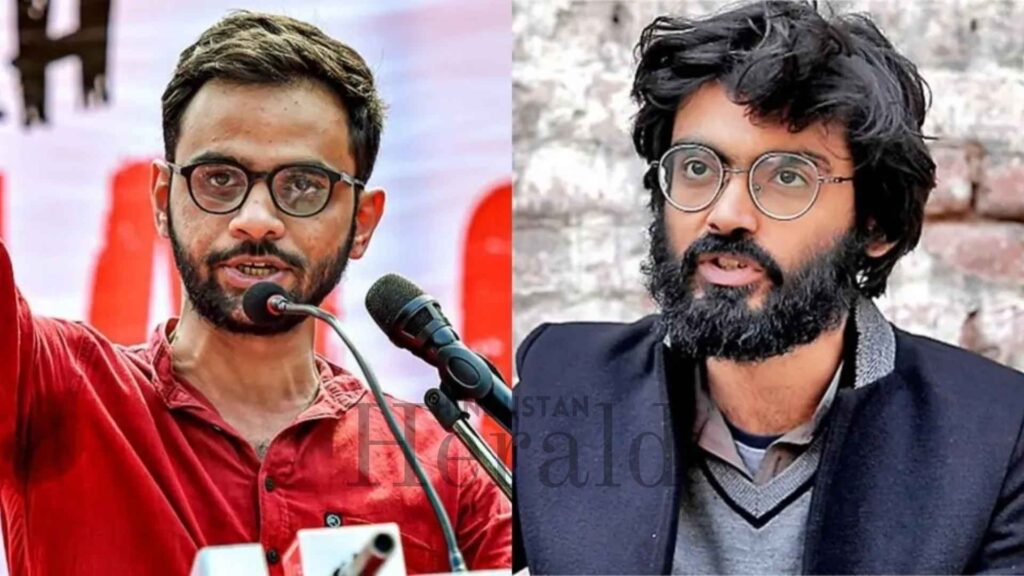
Khalid and Imam are not anonymous names in the system. Both emerged from student politics and became prominent faces during the protests against the citizenship law. That visibility has followed them into courtrooms.
The police claim that their speeches, meetings, and messages were part of a planned effort to escalate protests into disruption and violence. The defence has consistently pushed back, saying dissent has been turned into a criminal conspiracy.
At this stage, the Supreme Court chose not to weigh which version is stronger. It limited itself to a narrow legal test: does the prosecution’s case, as it stands, justify continued custody under UAPA? For Khalid and Imam, the Court’s answer was yes.
What This Means Beyond This Case
This order will not end the argument around the Delhi riots or the use of UAPA against activists and protesters. If anything, it sharpens it.
On one hand, the Supreme Court showed that bail is possible even in conspiracy cases, as long as individual roles are examined. On the other, it reinforced just how difficult it is to secure freedom once a court believes the allegations meet the prima facie standard under anti-terror law.
For the five accused now on bail, the decision brings overdue relief. For Khalid and Imam, it means waiting longer, confined to prison walls, while the trial unfolds slowly.
For Now, All Eyes Are On The Trial Court
With the Supreme Court’s ruling in place, the spotlight shifts back to the trial court. Dozens of witnesses remain to be examined. The end of the case is still nowhere in sight.
What Monday’s order makes clear is this: under India’s toughest laws, liberty does not depend only on how long you have been in jail. It depends on how the State describes your role and how the court reads it at the very first stage.
For now, that difference has drawn a hard line between who walks free and who stays behind.
Stay ahead with Hindustan Herald — bringing you trusted news, sharp analysis, and stories that matter across Politics, Business, Technology, Sports, Entertainment, Lifestyle, and more.
Connect with us on Facebook, Instagram, X (Twitter), LinkedIn, YouTube, and join our Telegram community @hindustanherald for real-time updates.

Covers Indian politics, governance, and policy developments with over a decade of experience in political reporting.
- Ananya Sharma

- Ananya Sharma
- Ananya Sharma
- Ananya Sharma




 Arun Upadhayay and Ananya Sharma
  Neeraj Kapoor and Ananya Sharma