
 By Ananya Sharma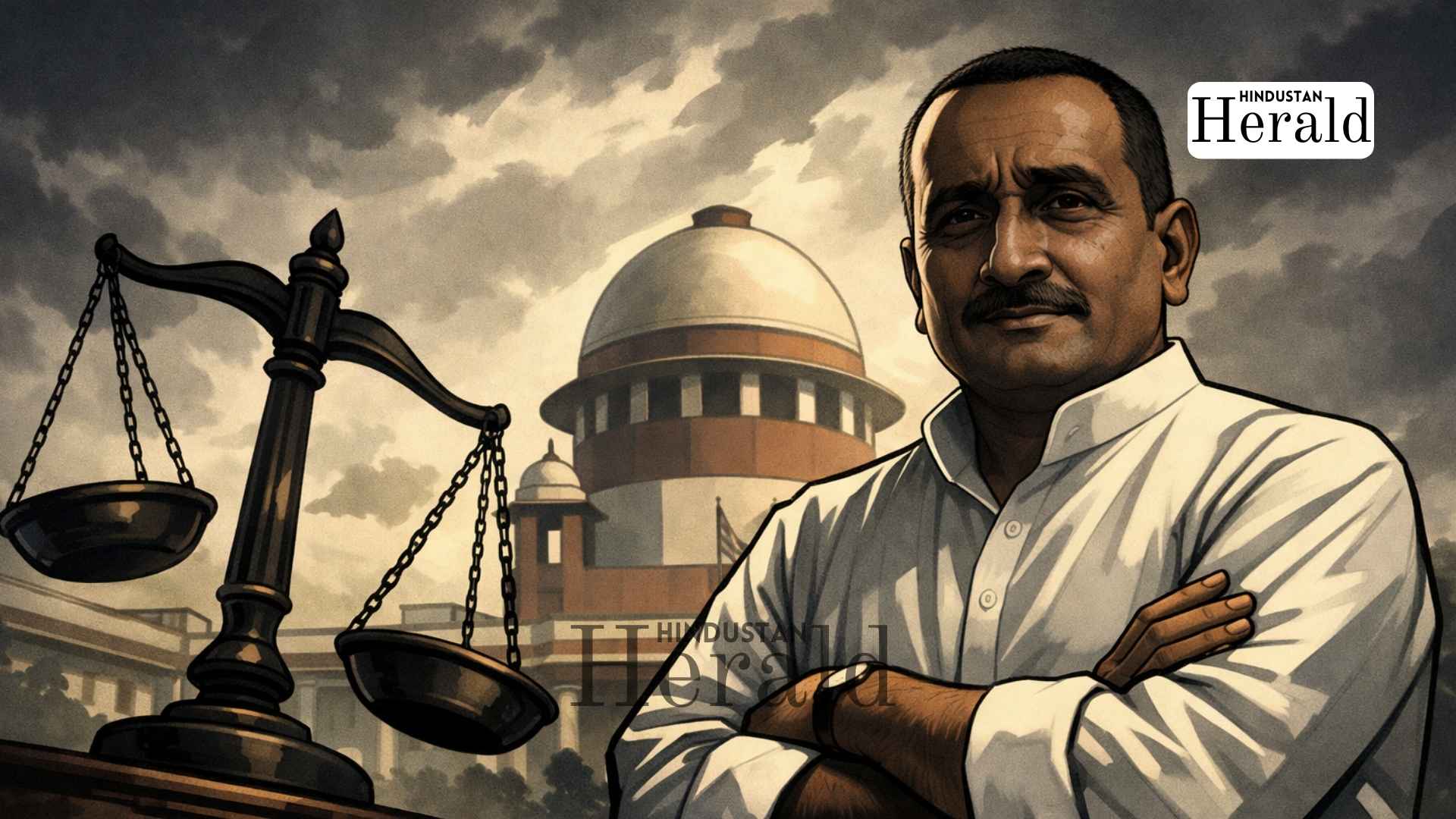
New Delhi, December 28: On Monday morning, the Supreme Court of India will once again be asked to step into a case that has never truly left the nation’s conscience. The court is scheduled to hear the CBI’s challenge to the Delhi High Court’s decision suspending the life sentence of former BJP MLA Kuldeep Singh Sengar in the Unnao rape case, a ruling that has stirred anger, unease, and quiet disbelief in equal measure.
This is not just another procedural hearing tucked into the winter vacation calendar. It is about whether the justice system is willing to pause, even briefly, the punishment of a powerful man convicted of a brutal crime. And it is about whether victims are expected to keep trusting institutions that have repeatedly tested that trust.
A Survivor’s Faith, And Her Doubt
On Sunday, the woman at the centre of the case spoke again. Years after she was first forced into the public eye, the Unnao rape survivor told ABP News that she still believes the Supreme Court will do what is right. Her faith in the court, she said, remains intact.
But alongside that faith came something else. Fatigue. Scepticism. A question she did not soften.
“How can we trust the CBI?” she asked, echoing a sentiment that has followed this case almost from the start.
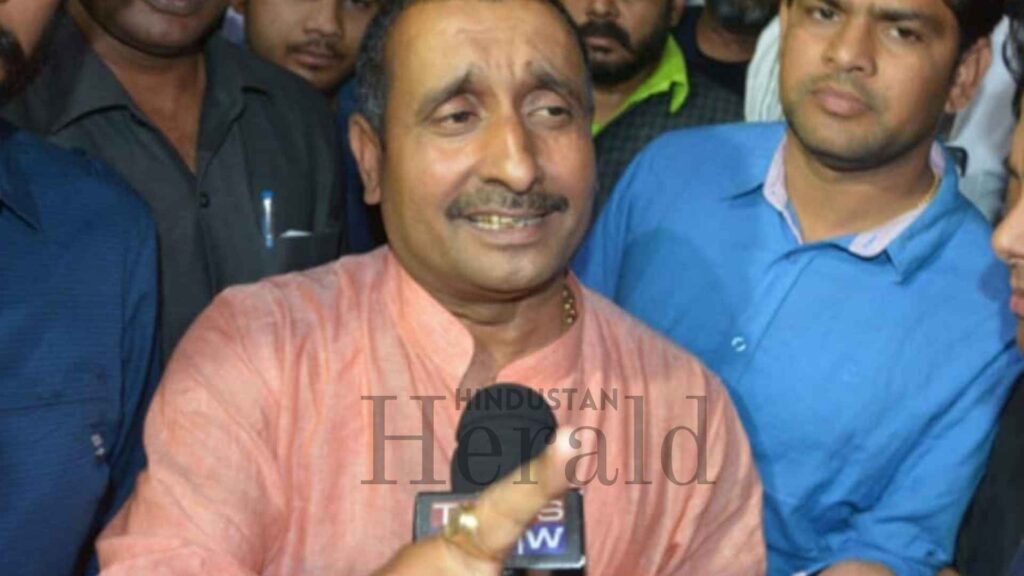
The question was not dramatic. It did not sound rehearsed. It sounded like someone who has spent years watching files move, hearings get adjourned, and institutions promise accountability while time quietly passes. Her mother echoed the concern, pointing out that the same system now appealing against Sengar’s bail had once been slow to protect them.
Still, the survivor made a clear distinction. The Supreme Court, in her words, remains the last place where she believes justice can still arrive without compromise.
Why The CBI Knocked On The Supreme Court’s Door
The Central Bureau of Investigation filed its Special Leave Petition on December 26, moving swiftly after the Delhi High Court suspended Sengar’s life sentence on December 23 and granted him conditional bail.
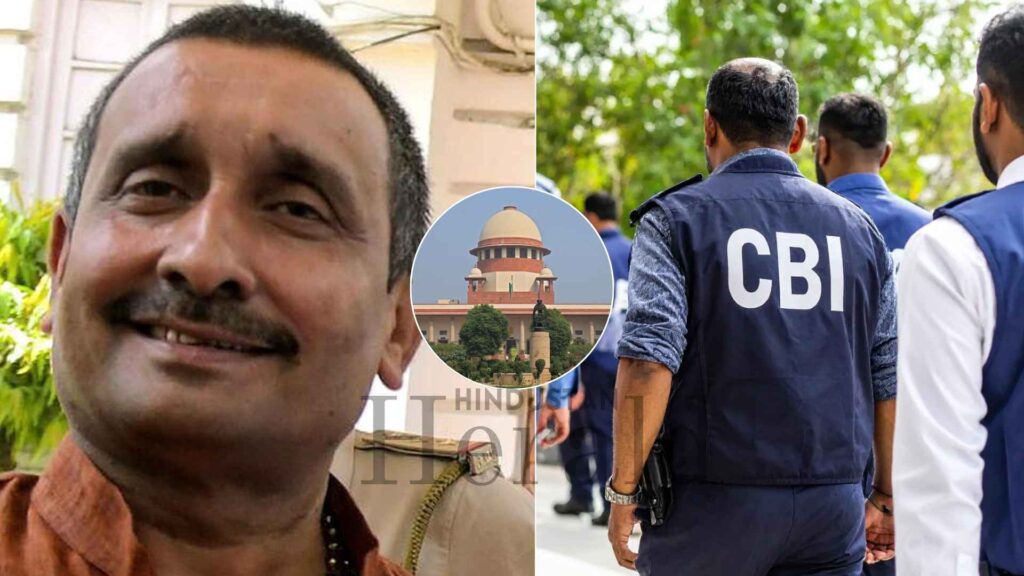
In its petition, the agency has taken a hard line. It argues that the High Court ignored a basic rule of criminal law. Once a person is convicted, jail is the norm. Bail is meant to be rare, not routine. According to the CBI, the High Court’s order turns that principle on its head.
The agency has described the decision as legally flawed and dangerous in its implications, especially in a case involving sexual violence and political power. It has stressed that suspending a life sentence sends a deeply troubling signal, not only to the survivor but to society at large.
The Question Of Power And Accountability
A key part of the CBI’s argument centres on who Sengar was when the crime was committed. He was not an ordinary citizen. He was an elected MLA, a position that gave him influence, reach, and the ability to intimidate.
Citing earlier Supreme Court rulings, including the L.K. Advani case, the CBI has argued that public office holders should face stricter standards when seeking relief after conviction. Power, the agency says, must count against the accused, not quietly disappear once a sentence is pronounced.

The CBI has also invoked the spirit of provisions under the POCSO Act, arguing that abuse of authority is a central factor that courts must weigh while considering suspension of sentence, even at the appellate stage.
What The High Court Relied On
The Delhi High Court, however, saw things differently. In its order, it pointed to the length of Sengar’s incarceration, aspects of his health, and the reality of delayed hearings in appellate courts. On those grounds, it decided to suspend the sentence for the time being.
Legally, such discretion exists. But context matters. And in this case, the context is heavy.
The Unnao case is not remembered only for the rape conviction. It is remembered for what followed. The custodial death of the survivor’s father. The truck collision killed two of her relatives. The repeated allegations of intimidation. Each episode added to the sense that the system moved faster when shielding the powerful than when protecting the vulnerable.
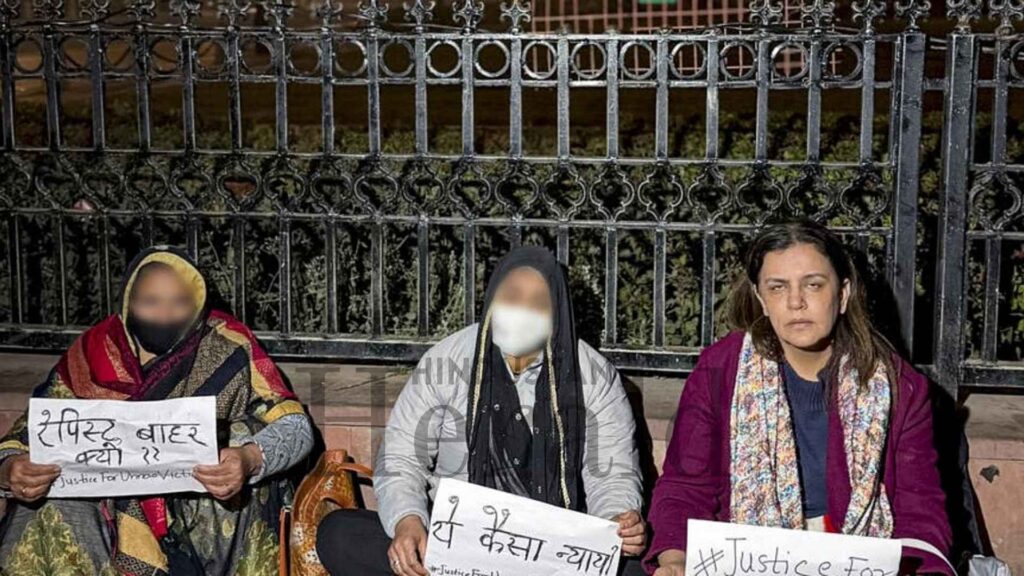
Against that history, even a conditional bail order felt to many like a reopening of wounds that had barely healed.
Monday’s Bench And What It May Do
The case will be heard by a three-judge vacation bench led by Chief Justice of India Surya Kant, with Justice J.K. Maheshwari and Justice Augustine George Masih alongside him.
The court has several options. It could stay the High Court’s order immediately. It could issue a notice and maintain the status quo. Or it could decide to hear the matter in detail after the court resumes regular sittings.
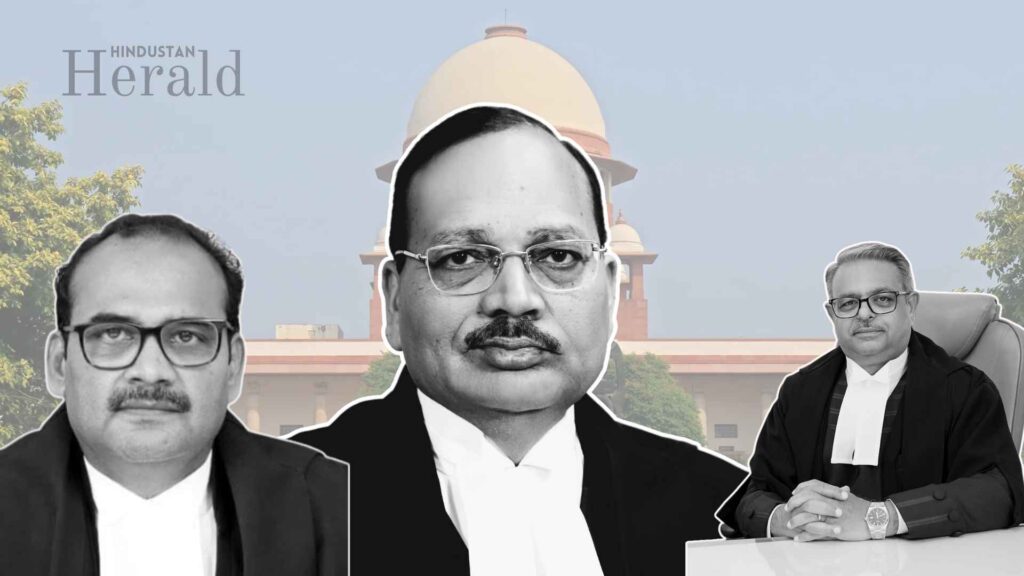
Whatever the route, the first signals will be closely watched.
For now, Sengar will remain in prison regardless of the outcome. He is serving a 10-year sentence in a separate CBI case linked to the custodial death of the survivor’s father. But symbolism matters in cases like this. A suspended life sentence, even on paper, carries weight far beyond the legal file.
Why This Moment Matters
The Unnao rape case has long stood as a test of whether justice in India bends under political pressure. Every court order, every appeal, has been read not just for its legal reasoning but for what it says about equality before law.
On Monday, the Supreme Court’s hearing will be another chapter in that long story. For the survivor, it is another day of waiting. For the justice system, it is a moment that will be judged not only by lawyers but by ordinary citizens who have watched this case unfold year after year.
Some cases refuse to fade because they touch something fundamental. This is one of them.
Stay ahead with Hindustan Herald — bringing you trusted news, sharp analysis, and stories that matter across Politics, Business, Technology, Sports, Entertainment, Lifestyle, and more.
Connect with us on Facebook, Instagram, X (Twitter), LinkedIn, YouTube, and join our Telegram community @hindustanherald for real-time updates.

Covers Indian politics, governance, and policy developments with over a decade of experience in political reporting.
- Ananya Sharma

- Ananya Sharma
- Ananya Sharma
- Ananya Sharma




 Arun Upadhayay and Ananya Sharma
  Neeraj Kapoor and Ananya Sharma