
 By Prakash Nair
Sydney, January 3: The announcement did not come with drama or theatrics. There was no long pause, no rehearsed emotion. Just a senior cricketer sitting at a table, speaking in plain language, saying he had reached the end. When Usman Khawaja confirmed on Thursday that the fifth Ashes Test at the Sydney Cricket Ground would be his last in Test cricket, most in the room expected a standard farewell. What they got instead was something far more direct and far more uncomfortable.
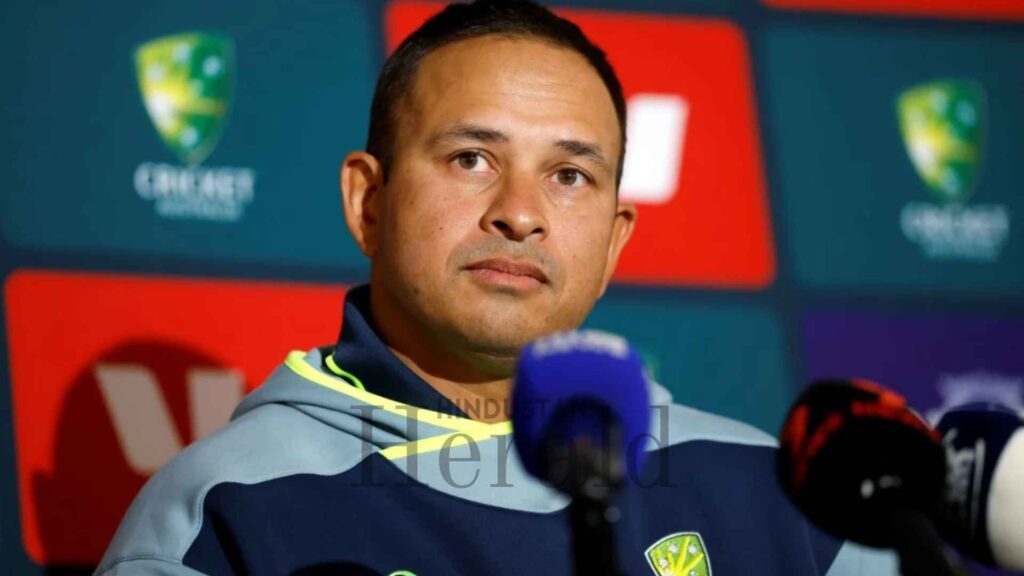
Khawaja spoke about race. About being judged differently. About stereotypes that, he said, followed him through his career and had not disappeared even now, in his final summer wearing the baggy green.
He did not raise his voice. He did not sound bitter. He sounded like someone who had decided that silence was no longer worth it.
A Goodbye Without Filters
Retirement press conferences in cricket usually follow a familiar pattern. Thank the team. Thank the board. Thank family. Smile for the cameras.
This one did not.
According to Reuters and ABC News, Khawaja said he had faced racial stereotyping throughout his career and that some of it was recent. He spoke about feeling judged on things other than performance. About how tiring it can be to constantly feel watched differently.
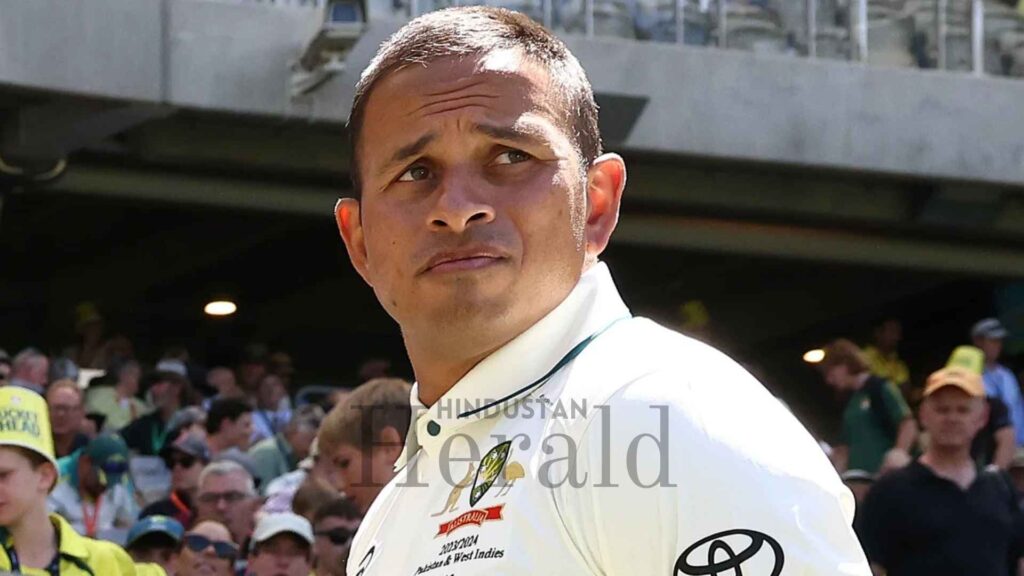
There were no accusations thrown around. No names taken. Just lived experience, spoken plainly.
For Australian cricket, which has often preferred to keep such conversations behind closed doors, the timing was striking. Khawaja chose the biggest stage, during the biggest series, at the ground where his career would end.
A Career That Was Never Straightforward
Khawaja’s path was never smooth. He made his Test debut in January 2011. Born in Pakistan and raised in western Sydney, he became one of the first players of Pakistani descent to represent Australia in Test cricket. From the beginning, he stood out, not just for his technique, but for how different he looked in a team that rarely changes its image.
He was picked and dropped repeatedly. When he scored runs, he was praised for elegance. When he failed, doubts came quickly. Words like “soft” and “fragile” followed him for years.
Other players were backed longer. Khawaja often was not. There were long stretches when it felt like Australian cricket did not quite know what to do with him.
Late Success, Hard-Earned
The best phase of Khawaja’s career came later than most. When he was recalled during the 2021 Ashes, expectations were low. Many thought he was filling a gap. Some thought it would not last.
Instead, he became one of Australia’s most reliable batters. He batted time. He wore bowlers down. He scored runs in England, Pakistan, Sri Lanka, and at home. Not flashy runs. Proper Test runs. The kind that changes games slowly.
By his mid-thirties, the same player once questioned for his mindset had become the calmest presence in the top order.
It was a turnaround few saw coming.
The Ashes As A Final Chapter
That Khawaja’s career ends during an Ashes series feels appropriate. This series has not been easy for him. Injury interrupted his run. He missed matches. He returned under pressure and even batted out of position when the team needed it.
His 82 at Adelaide Oval, away from his usual role, showed his class. His return for the Boxing Day Test at the MCG showed the trust the team still placed in him. When news emerged that he had called a press conference before the SCG Test, the message was clear. According to Hindustan Times, retirement talk had been building for weeks.
On Thursday, Khawaja ended the speculation himself.
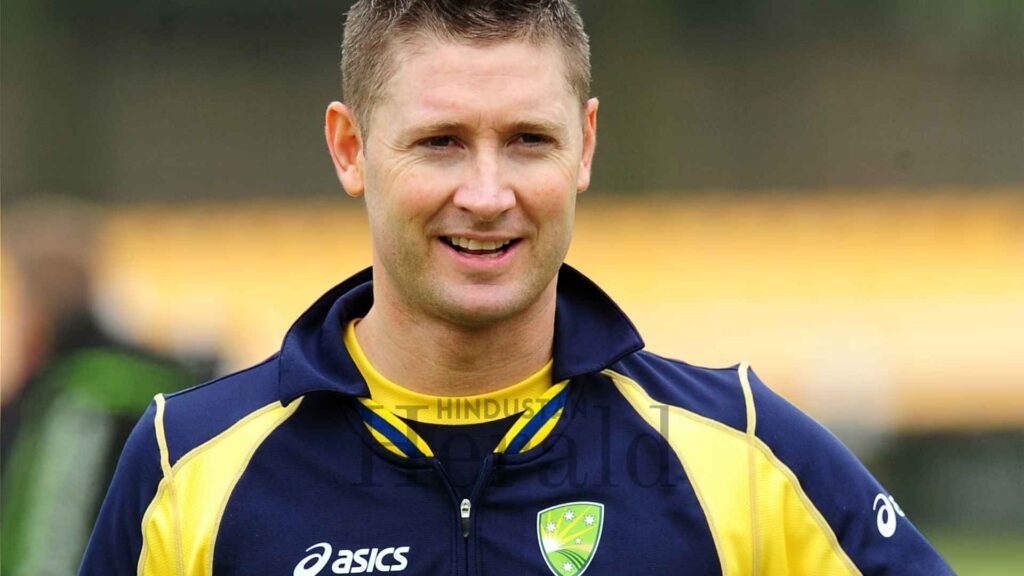
Former captain Michael Clarke said he hoped Khawaja would leave on his own terms. For a player whose career was often shaped by selection calls, that mattered.
Warner And Stability At The Top
Late in his career, Khawaja found stability opening the batting alongside David Warner. It was not complicated. Warner attacked early. Khawaja stayed patient. One took risks. The other held things together.
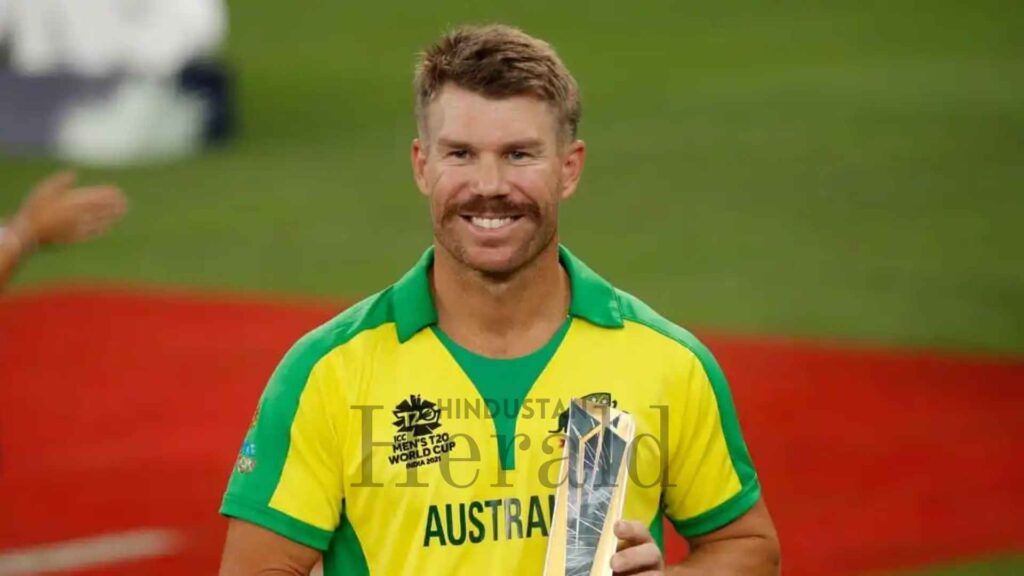
Together, they gave Australia solid starts during a period when the top order often struggled. During his press conference, Khawaja spoke warmly about Warner, praising his loyalty and team-first approach during difficult periods. It was a reminder that what happens inside a dressing room often looks very different from what is said outside.
When Warner retired after the SCG Test in January 2024, it marked a shift. With Khawaja now stepping away, that shift feels complete.
More Than Just Cricket Numbers
On paper, Khawaja has had a strong Test career. 87 Tests, runs across continents, key performances in tough conditions.
But his legacy goes beyond statistics. By speaking openly about race and belonging, he has forced Australian cricket to confront questions it often avoids. According to ABC News, Khawaja acknowledged progress but said stereotypes and quiet biases still exist.
So far, Cricket Australia has not made a detailed public response. Whether it does or not, the conversation has already moved into the open.
And it will not be easy to ignore.
Walking Away Without Noise
After the final ball is bowled at the SCG, Khawaja will walk away quietly. There is no farewell tour planned. No long goodbye. People close to him say he is looking forward to simple things. Time with family. Life without constant travel. Space away from scrutiny.
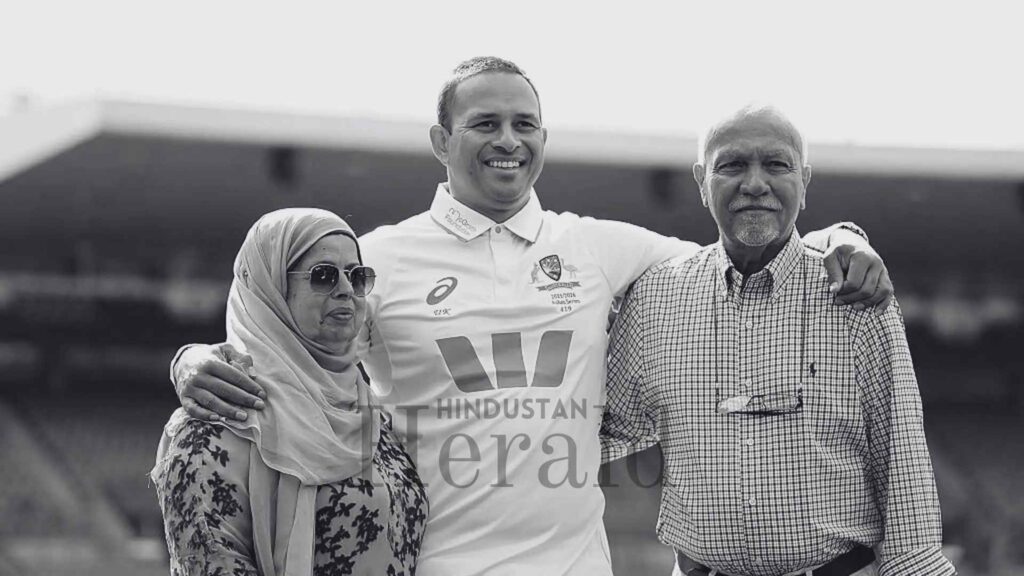
Australian cricket will move on. It always does. New players will come in. New debates will begin. But Khawaja’s career will stay with many fans, especially those who saw parts of themselves in his journey. He did not fit the mould. He stayed anyway. And in the end, he spoke honestly about what that cost.
For now, that feels like the right note to end on.
Stay ahead with Hindustan Herald — bringing you trusted news, sharp analysis, and stories that matter across Politics, Business, Technology, Sports, Entertainment, Lifestyle, and more.
Connect with us on Facebook, Instagram, X (Twitter), LinkedIn, YouTube, and join our Telegram community @hindustanherald for real-time updates.

Sports reporter covering cricket, football, and Olympic disciplines, with on-ground event experience.
- Prakash Nair

- Prakash Nair
- Prakash Nair
- Prakash Nair