
 By Ananya Sharma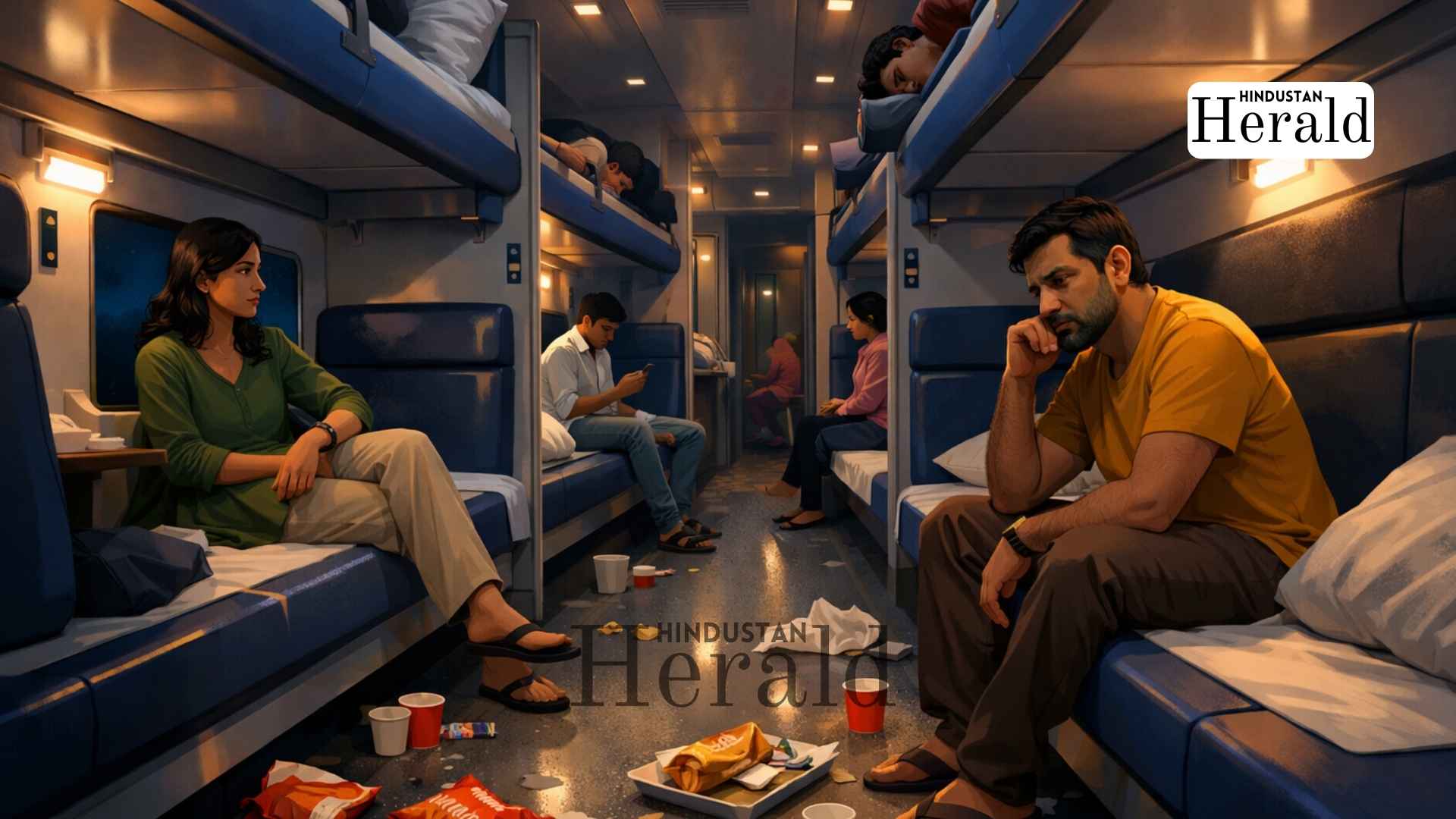
Kolkata, January 20: Barely hours after it was unveiled with fanfare, India’s most ambitious overnight train found itself at the centre of a very old argument. Not about speed. Not about technology. But about how Indians treat shared public spaces.
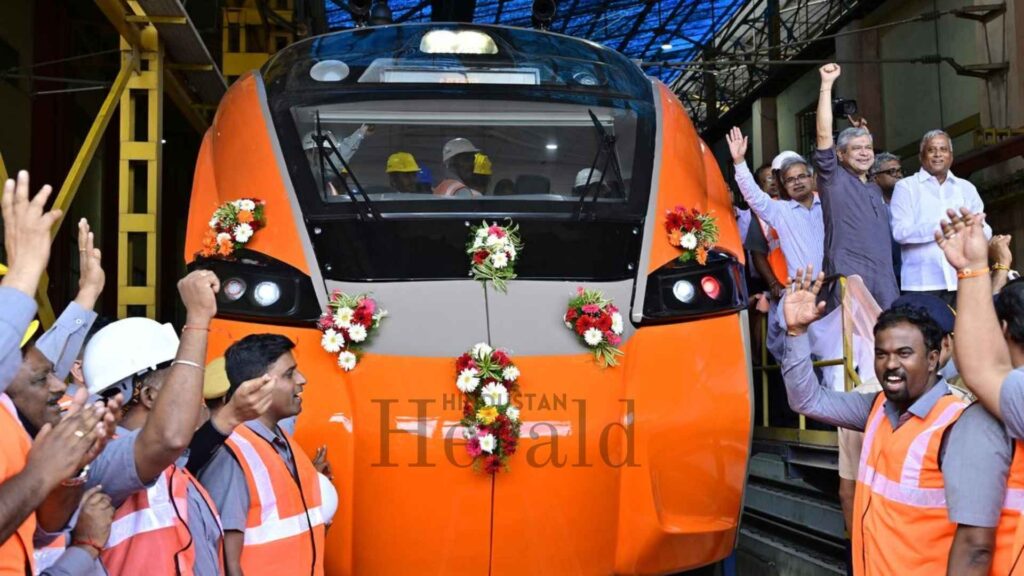
The Vande Bharat Sleeper, India’s first premium overnight service under the flagship semi-high-speed brand, was flagged off on January 17 on the Howrah–Kamakhya route. It was meant to signal a new chapter in long-distance rail travel. Instead, by nightfall, a short video clip from inside one of its coaches had gone viral, showing food wrappers and discarded waste scattered on the floor.
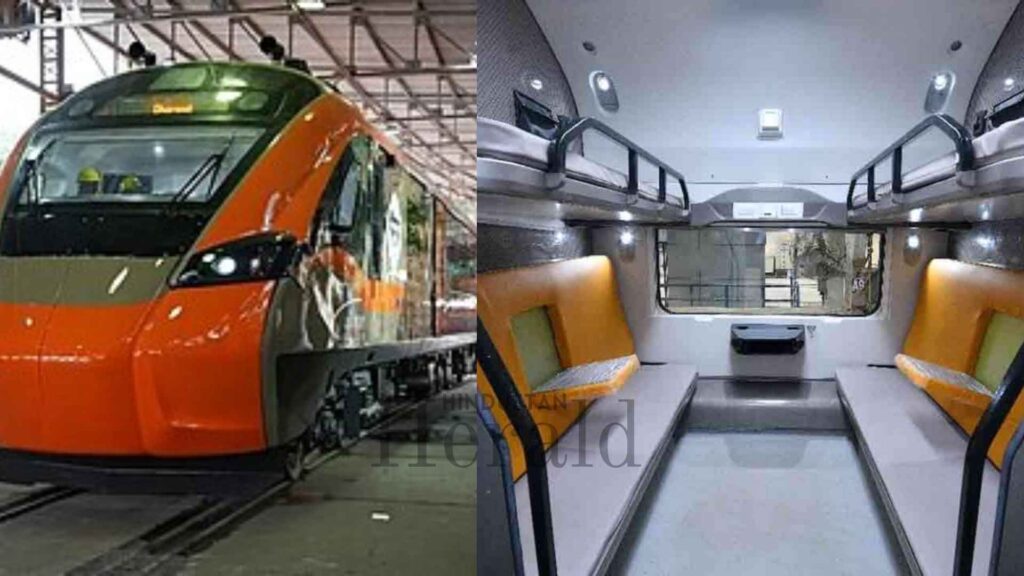
By Monday, the train had become less a symbol of progress and more a mirror held up to the country’s civic habits.
A Showcase Project With High Expectations
The sleeper variant of the Vande Bharat was never meant to be just another train. Railway planners had pitched it as a statement. Faster than conventional night services. More comfortable. More controlled. More premium.
The 16-coach rake offers AC First Class, AC 2-Tier, and AC 3-Tier, all redesigned with ergonomic berths, automated doors, and modern washrooms that borrow heavily from airline and metro design philosophy. Safety systems include Kavach, the indigenous anti-collision technology that has become central to Indian Railways’ modernization pitch.
The train covers close to 1,000 kilometres between Howrah and Kamakhya in about 14 hours, with a design speed of 180 kilometres per hour. For passengers, the selling point was not just time saved, but a promise of dignity and order during overnight travel. Tickets start at ₹960 for AC 3-Tier on shorter segments, rising sharply for longer distances and higher classes.
Officials had spoken openly about targeting business travellers and tourists, people who might otherwise fly or book premium buses. This was rail travel attempting to change its own reputation.
The Video That Changed The Conversation
That reputation took a hit almost immediately.
Within hours of the inaugural run, social media was awash with clips showing the inside of the train in a less flattering light. Disposable plates. Snack packets. Paper cups. All were lying on the floor of a coach that had been pristine just hours earlier.
The captions were unforgiving. “Civic sense dekh lo aap,” one read. Look at this civic sense.
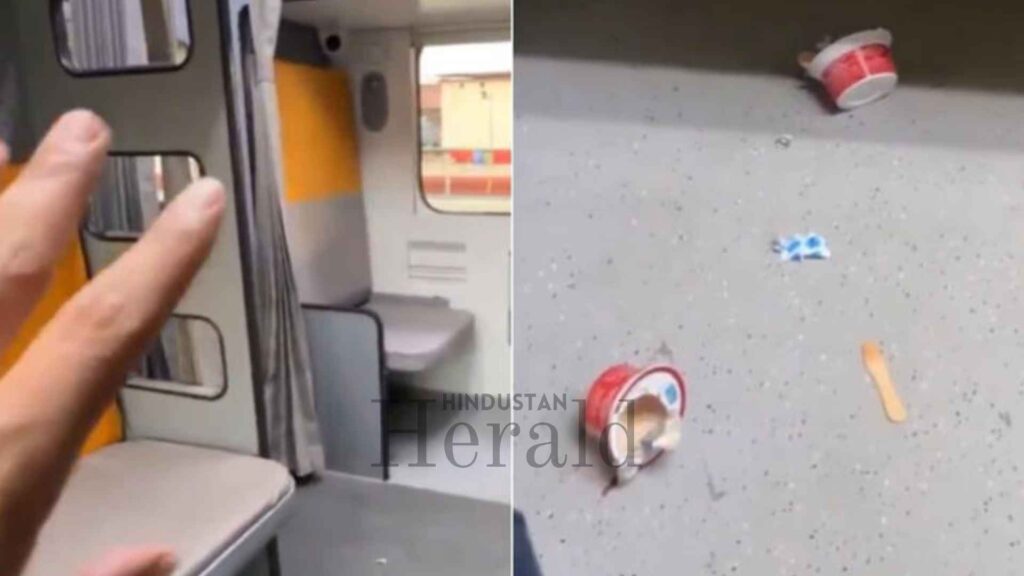
The anger was not subtle. Many users pointed out that this was not a general compartment or a low-cost service. This was a premium train, with tickets running into the thousands. If this was the behaviour here, they asked, what hope was there elsewhere?
What stood out was who escaped blame. Most of the outrage was directed squarely at passengers, not railway staff. There was a near-universal agreement online that no amount of technology could compensate for basic indifference.
Railways Push Back Gently
Railway officials, responding to queries from multiple news organizations, struck a careful tone. There was no attempt to deny the visuals. Nor was there any announcement of immediate penalties or investigations.
Instead, the emphasis was on shared responsibility.
Senior officials reminded that pre-launch announcements and onboard messaging had explicitly urged passengers to keep the train clean. According to them, staff cannot realistically monitor every action inside a moving overnight train, especially when passengers themselves choose to ignore basic norms.
Privately, some officials conceded that the incident was embarrassing, particularly given the effort that went into projecting the sleeper service as a “world-class” experience. Publicly, though, the line remained consistent. Infrastructure can only set the stage. Behaviour decides the outcome.
Not An Isolated Problem
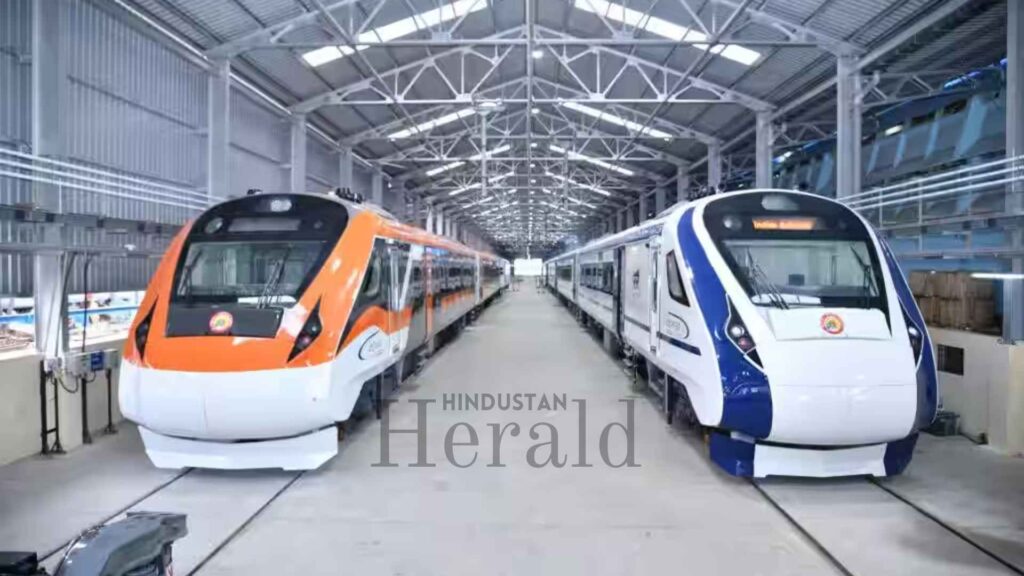
For anyone familiar with Indian Railways’ recent history, the episode felt depressingly familiar.
Earlier Vande Bharat Express services, introduced as premium day trains, had faced their own share of problems. Torn seat covers. Clogged toilets. Damaged fittings. In most cases, the damage had little to do with design flaws and everything to do with misuse.
Over time, stricter monitoring and repeated public messaging did improve conditions. But the pattern remains hard to ignore. Each leap in infrastructure is followed by a period where social habits lag.
The sleeper train’s controversy fits squarely into that pattern.
A Politically Loaded Route
The choice of the Howrah–Kamakhya corridor was never accidental. Linking West Bengal to Assam with a flagship train carries political and symbolic weight, especially as both states navigate sensitive electoral cycles.
The flag-off from Malda by Narendra Modi was meant to underline the Centre’s focus on the eastern region and the Northeast. Faster, more comfortable connectivity has long been framed as essential to economic integration and national cohesion.
That context makes the optics of the littering episode sharper. For critics, it offered an opening to argue that headline-grabbing launches often outrun ground-level preparedness. For supporters, it reinforced the idea that governance alone cannot legislate civic sense.
Expansion Plans Remain Unchanged
Despite the backlash, railway officials insist that the Vande Bharat Sleeper programme is moving ahead as planned. More trainsets are under production, and future routes are expected to stretch 1,200 to 1,500 kilometres, covering major city pairs across the country.
Internally, there is acknowledgment that behavioural enforcement will have to become tighter. Ideas being discussed include clearer penalties for littering, stronger onboard supervision, and more direct accountability. None of this, however, has translated into formal announcements yet.
For now, the train continues to run on schedule, carrying passengers who book it as much for curiosity as for convenience.
An Uncomfortable Reflection
The Vande Bharat Sleeper was designed to showcase how far Indian Railways has come. In many ways, it succeeds. The technology works. The comfort is real. The ambition is undeniable.
But the scenes from its first day also underline a harder truth. Modern trains alone do not create a modern travel culture. That comes from everyday choices made by passengers, one wrapper at a time.
Whether this episode becomes a fleeting embarrassment or a turning point depends on what follows. Enforcement matters. So does public pressure. For now, the sleeper train rolls on, carrying with it both the promise of progress and the stubborn weight of old habits.
Stay ahead with Hindustan Herald — bringing you trusted news, sharp analysis, and stories that matter across Politics, Business, Technology, Sports, Entertainment, Lifestyle, and more.
Connect with us on Facebook, Instagram, X (Twitter), LinkedIn, YouTube, and join our Telegram community @hindustanherald for real-time updates.

Covers Indian politics, governance, and policy developments with over a decade of experience in political reporting.
- Ananya Sharma

- Ananya Sharma
- Ananya Sharma
- Ananya Sharma




 Rajiv Menon and Ananya Sharma