
 By Prakash Nair
New Delhi, December 24: Domestic cricket usually arrives quietly. Scorecards trickle in, performances are logged, and the national conversation keeps moving. On Tuesday, that rhythm broke. The opening day of the 2025–26 Vijay Hazare Trophy did not behave like a routine domestic fixture list. It demanded attention, largely because two careers that have shaped Indian white-ball cricket for more than a decade suddenly re-entered the domestic space. Rohit Sharma and Virat Kohli, both absent from the tournament for years, turned up again. And neither came to make a point subtly.
There were other hundreds, louder ones in weaker contests, but the weight of the day sat elsewhere. It sat in Jaipur and in Delhi, where familiarity met expectation and neither blinked.
Rohit Sharma And The Comfort Of Control
In Jaipur, Mumbai was always expected to brush past Sikkim. The difference lay in how quickly the game slipped out of reach once Rohit Sharma settled in. This was his first Vijay Hazare appearance in nearly ten years. It did not show. The stance was unchanged. The pickup was early. The intent, clear without being theatrical. Rohit moved through the innings the way experienced players do in domestic cricket, reading the room, choosing his moments, never letting the contest breathe.
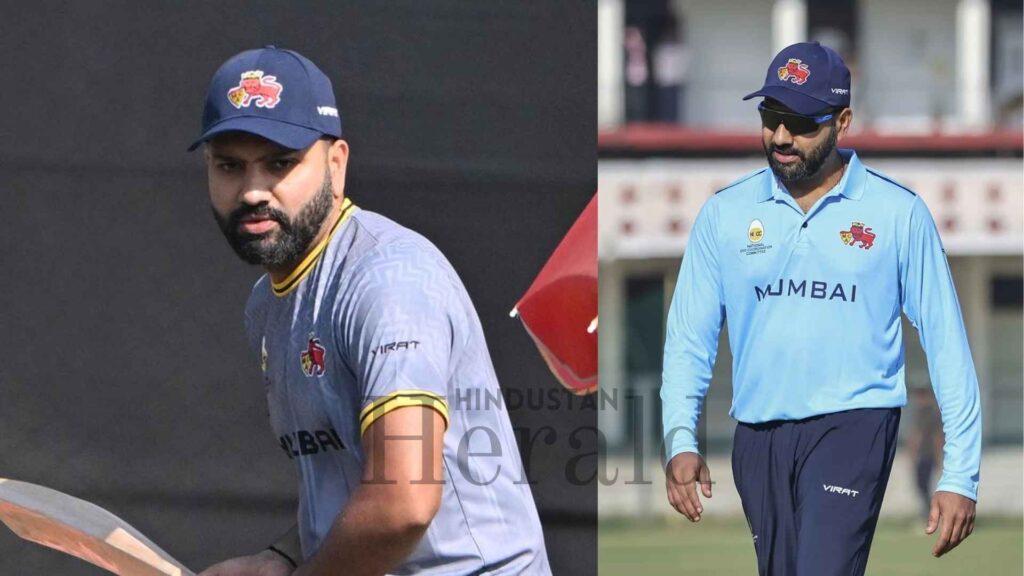
He finished with 155 from 94 balls, an innings reported by NDTV Sports that flattened what little resistance Sikkim could offer. Mumbai’s chase barely registered as a chase at all. According to Outlook India, the match ended with eight wickets in hand, long before any tactical questions could arise.
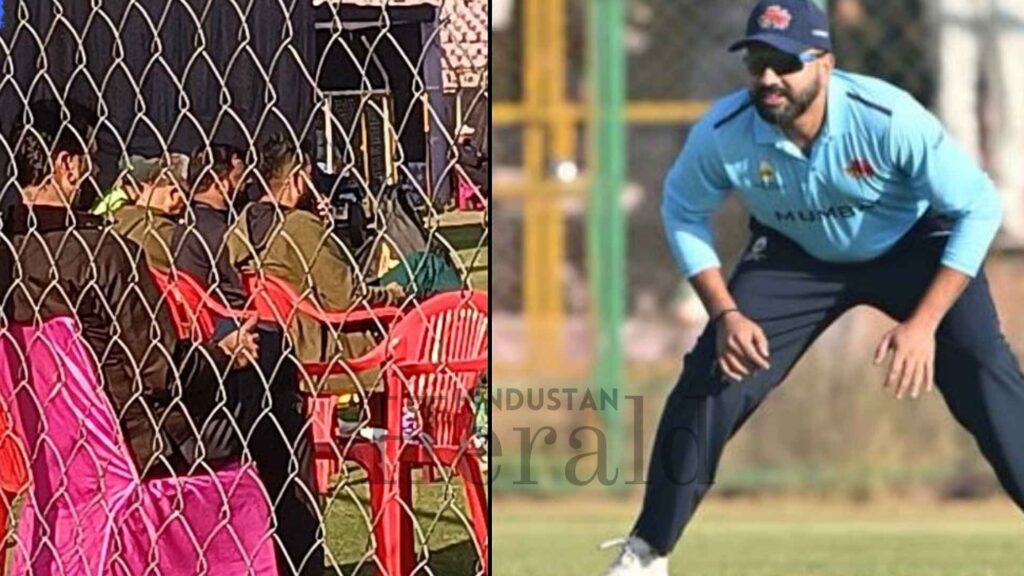
What lingered was not the margin, but the ease. Rohit did not need a stage. He did not manufacture drama. He simply turned a List A fixture into a reminder of how quickly class shortens contests.
Virat Kohli’s Return To Familiar Ground
If Rohit’s innings felt inevitable, Virat Kohli’s return carried something else. Time. Delhi’s match against Andhra Pradesh marked Kohli’s first Vijay Hazare appearance in 15 years. The gap mattered. Not for fitness or form, but for perspective. Domestic grounds ask different questions. They offer fewer cushions.
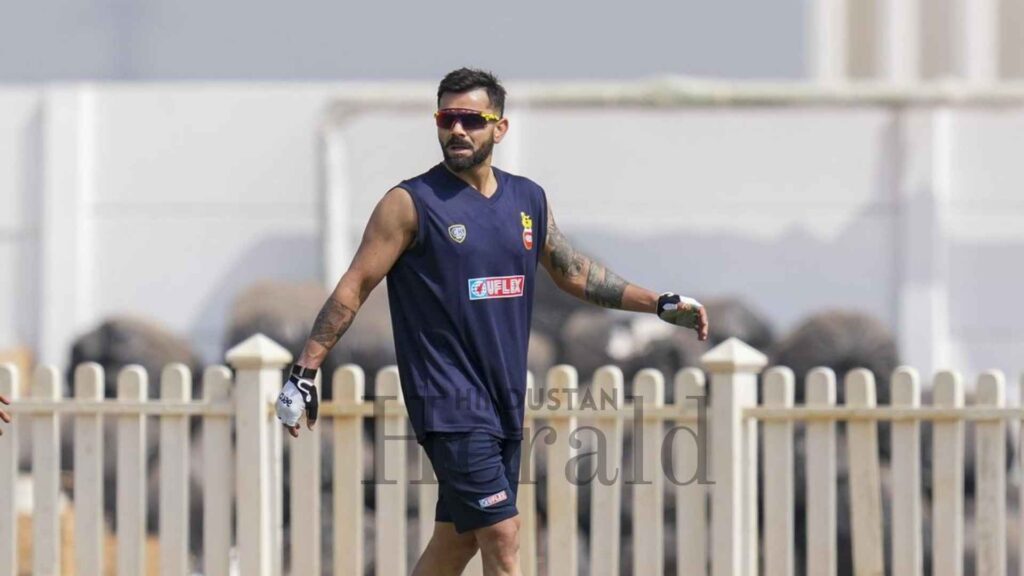
Kohli’s 131 off 101 balls, as reported by The Times of India, was not an innings designed for highlight reels. It was shaped around control. Singles were taken early. Boundaries arrived late. The tempo rose only once the chase had settled. Delhi were chasing 298, a total that can still unravel domestic sides. It did not. Kohli held one end while younger batters rotated around him. According to Outlook India, the target was reeled in without panic.
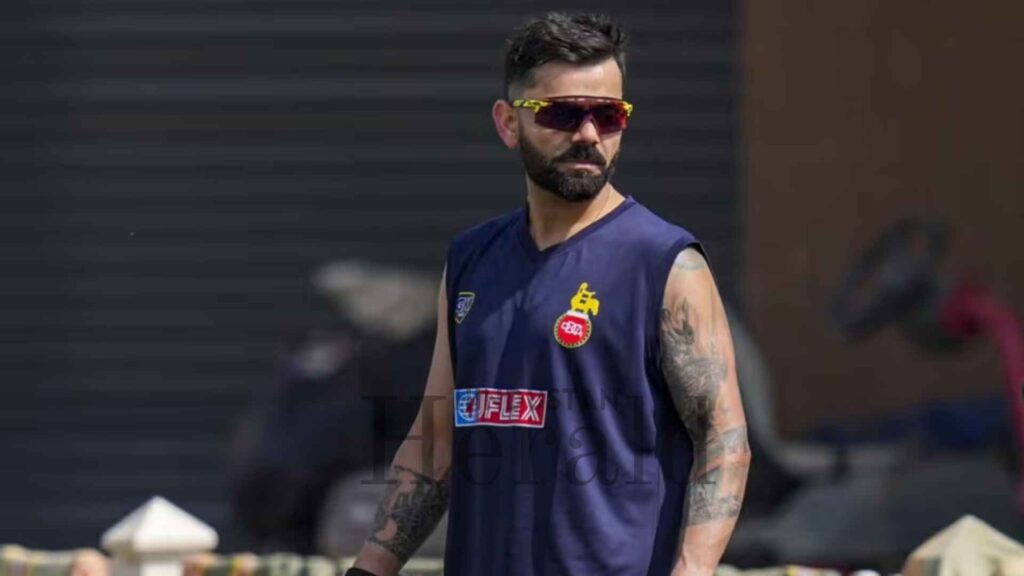
Somewhere inside the innings came a milestone. Kohli crossed 16,000 List A runs, joining Sachin Tendulkar in a rare bracket. It barely drew a reaction from him. That said everything.
Why These Appearances Matter
The Vijay Hazare Trophy has always existed in an awkward space. It mirrors the international 50-over format closely, yet rarely carries the same urgency. This year feels different.
As detailed by ESPNcricinfo, 38 teams are competing across Elite and Plate groups, with knockout rounds scheduled through January. Structurally, nothing has changed. Contextually, plenty has. According to reporting by The Indian Express, the BCCI has quietly pushed for stronger domestic participation from centrally contracted players. The message is not punitive. It is practical. Skills decay when disconnected from competition.
For younger players, this is not symbolic. Bowling to Kohli in a chase or setting fields for Rohit in the Powerplay compresses learning curves brutally. Domestic cricket becomes less forgiving when legends turn up prepared.
Vaibhav Suryavanshi And The Uneven Landscape
Away from the spotlight matches, Vaibhav Suryavanshi produced the day’s most violent innings. Playing for Bihar against Arunachal Pradesh, Suryavanshi smashed 190 off 84 balls, including a hundred in just 36 deliveries, according to LiveMint. The bowling attack was limited. The conditions are friendly. Both truths can coexist with the fact that such dominance still demands skill.
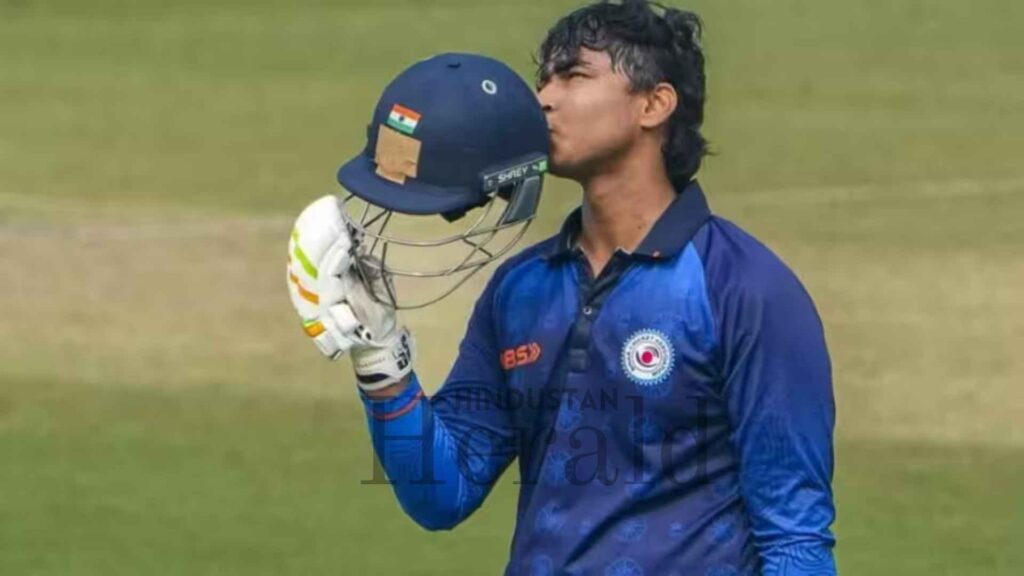
Domestic cricket in India has never been balanced. Disparities exist and always will. What selectors look for is intent, clarity, and repeatability. Suryavanshi delivered at least two of those.
The Familiar Broadcast Problem
Interest surged. Access did not. As noted by Wisden, only a handful of matches on Day One were fully broadcast or streamed. Several high-profile fixtures were reduced to score updates and scattered clips. This remains one of domestic cricket’s most persistent failures.
Star participation raises expectations. Infrastructure continues to lag behind it. Still, the visibility, even partial, exceeded previous seasons. That is progress of a modest kind.
What Day One Really Said
The significance of the opening day did not sit in numbers. Hundreds come and go. Records fall quietly in domestic cricket.

What changed was tone.
Senior players returning altered dressing rooms, not headlines. Preparation sharpened. Young players noticed. Coaches adjusted plans. The competition felt watched. For Rohit Sharma and Virat Kohli, these innings do not define futures. They simply reinforce presence. For the tournament, that presence changes everything.
For now, the Vijay Hazare Trophy is not just being played. It is being taken seriously again.
Stay ahead with Hindustan Herald — bringing you trusted news, sharp analysis, and stories that matter across Politics, Business, Technology, Sports, Entertainment, Lifestyle, and more.
Connect with us on Facebook, Instagram, X (Twitter), LinkedIn, YouTube, and join our Telegram community @hindustanherald for real-time updates.

Sports reporter covering cricket, football, and Olympic disciplines, with on-ground event experience.
- Prakash Nair

- Prakash Nair
- Prakash Nair
- Prakash Nair