
 By Ananya Sharma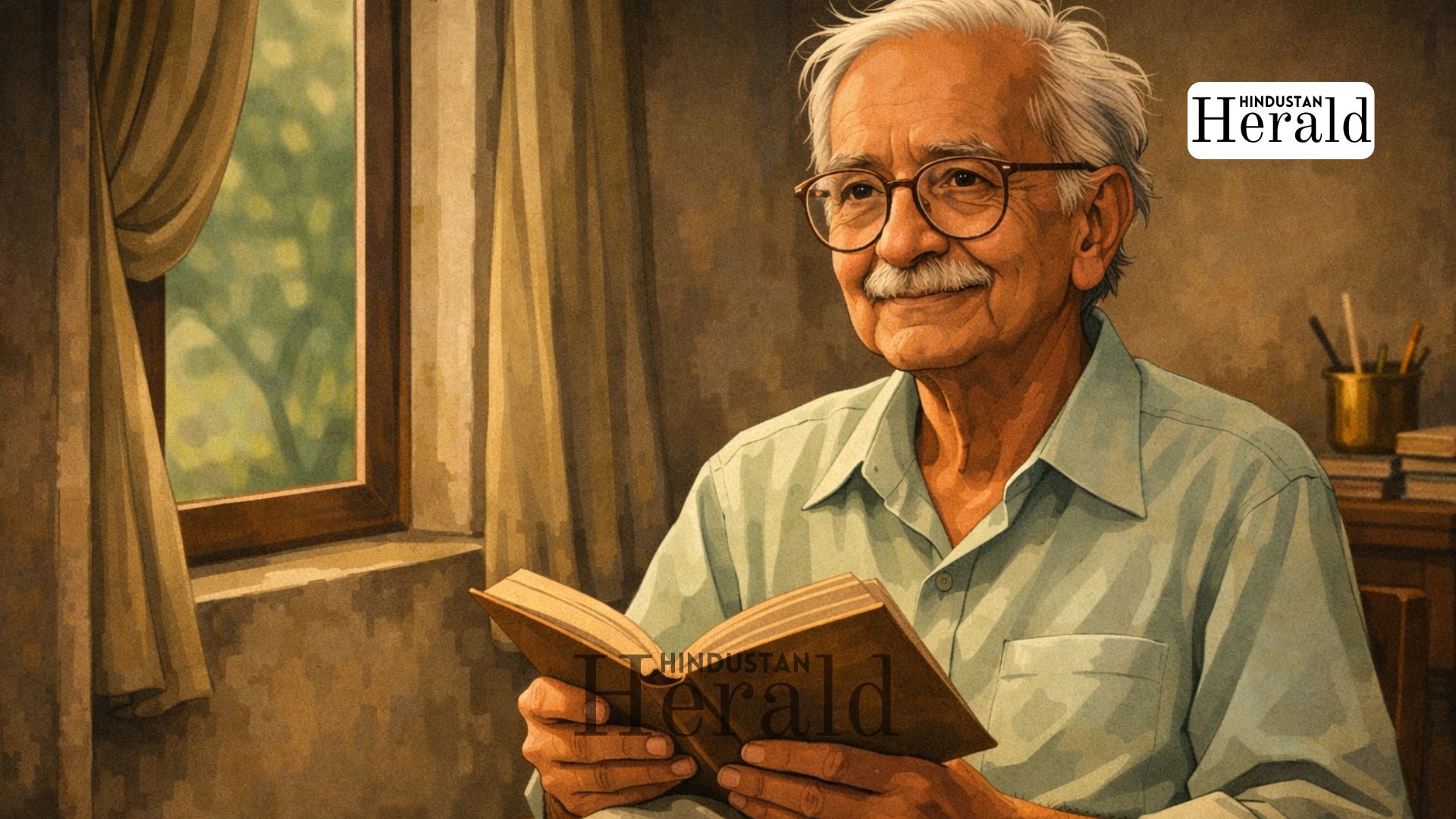
Raipur, December 23: The call came in the morning. Short. Direct. Vinod Kumar Shukla was no more. He died on December 22, 2025, at the age of 89, at AIIMS Raipur, where he had been admitted for breathing-related complications. Doctors said his condition had worsened over the last few days. There was no confusion about the news. Just a pause. People took a moment before reacting. That seemed fitting.
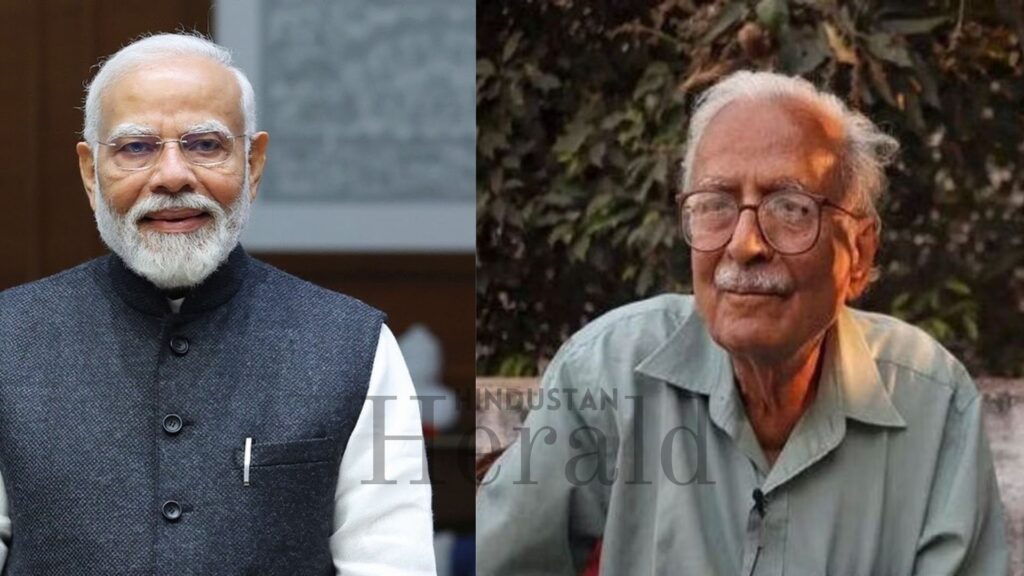
By afternoon, messages began circulating across literary circles. Writers called each other instead of posting. Old students sent single-line texts. Readers pulled out thin, ageing books from shelves. Narendra Modi expressed grief, saying Hindi literature had lost a voice that spoke quietly but carried weight.
No one disagreed.
He Never Tried To Be Everywhere
Vinod Kumar Shukla did not build a public persona. He did not chase platforms or visibility. Born in 1937 in Rajnandgaon, he lived most of his life away from Delhi and other literary centres. He stayed put. That choice mattered. His writing did not come from conferences or movements. It came from routine. From watching how people live when nothing dramatic is happening. Small homes. Salaried worries. Unfinished conversations. Long afternoons. Shukla noticed these things because he did not rush past them.
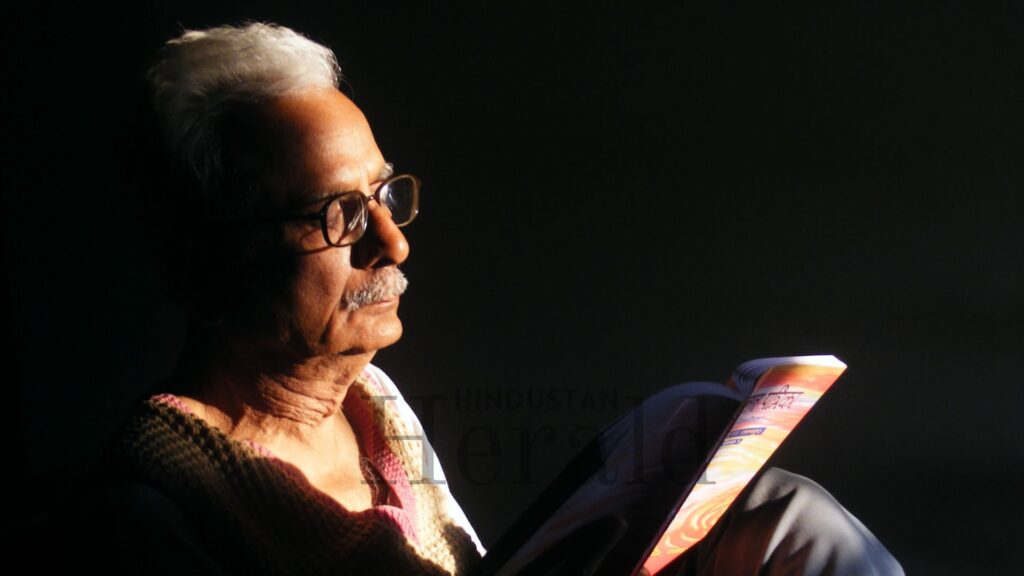
Those who met him describe a man who spoke little and listened carefully. He did not enjoy explaining his work. He believed the writing should stand on its own.
What His Fiction Actually Did
Shukla’s novels are often called minimalist. That word does not quite explain the effect.
Naukar Ki Kameez followed a government employee whose life slowly tightens around him. There is no rebellion. No release. The book works by repetition and fatigue. Readers feel trapped because the character is trapped.
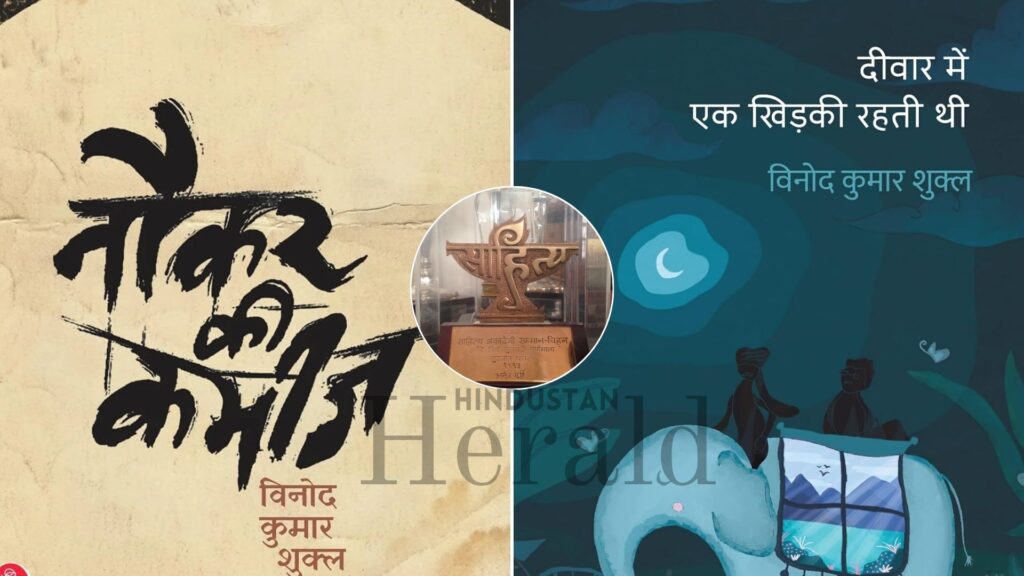
Deewar Mein Ek Khidki Rahti Thi, which won the Sahitya Akademi Award in 1999, went even further. The novel is built around rooms, walls, silences. Things do not happen in the usual sense. But something keeps pressing in.
Many readers struggled with it at first. Others recognised their own lives on the page. That was Shukla’s strength. He did not tell people what to feel.
Poetry That Refused Decoration
Shukla’s poetry followed the same logic. No ornament. No declaration. Objects appear again and again. Doors. Windows. Chairs. Streets. They are not metaphors waiting to be decoded. They are part of how people move through the world.
The language stays plain. Almost stubborn. The impact comes later, when the lines refuse to leave.
Recognition Came, Eventually
In March 2025, Shukla was awarded the 59th Jnanpith Award. It was widely seen as overdue. The recognition carried extra significance because he became the first writer from Chhattisgarh to receive the honour. For many in the state, the award felt personal. Those close to him said he was pleased, but unchanged. He did not suddenly appear everywhere. He returned to his routine. Reading when he could. Writing when health allowed.
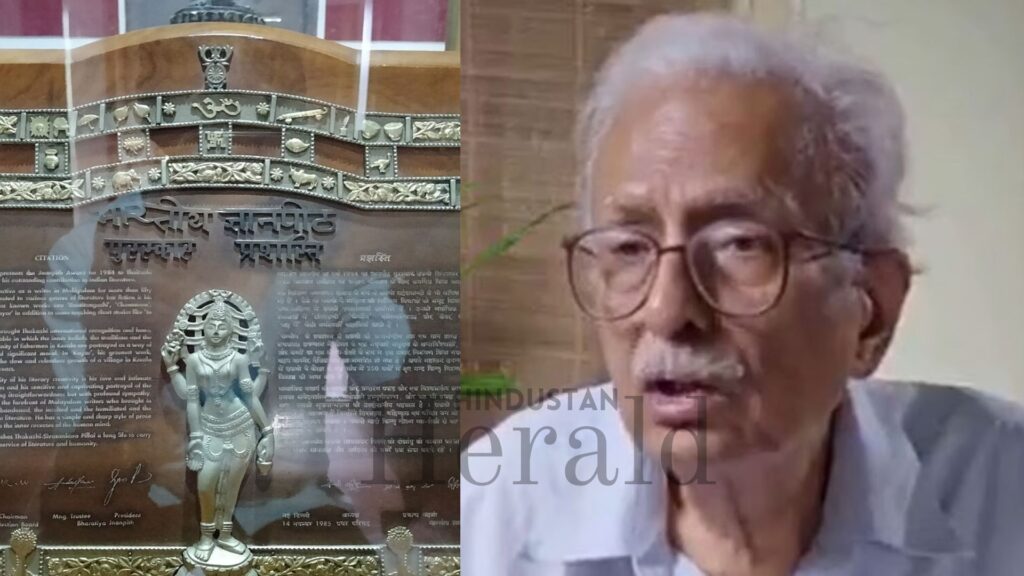
At one point, he said there was still more he wanted to write. That line now feels heavy.
The Royalty Issue People Could Not Ignore
Earlier this year, Shukla was drawn into public attention for a different reason. A dispute with established Hindi publishers over unpaid royalties came out in the open. The issue struck a nerve. If someone of his stature could be denied payments, the system was clearly broken. The matter was later resolved after a newer publishing house paid him a substantial amount, reportedly Rs 30 lakh. The money mattered less than the conversation it started.
Shukla spoke calmly. He did not accuse. He spoke about fairness.
The Way People Are Remembering Him
After his death, there were no loud ceremonies. That would have felt wrong. In Chhattisgarh, people gathered in small groups. Read passages. Talked quietly. Across the country, readers returned to his books, some after years.
The phrase “quiet giant” keeps appearing. It is not clever, but it is accurate.
What Is Left Behind
Hindi literature has lost many big names. It has lost fewer people like Vinod Kumar Shukla. He believed that ordinary lives deserved attention. That patience was not a weakness. That writing did not need to shout to matter.
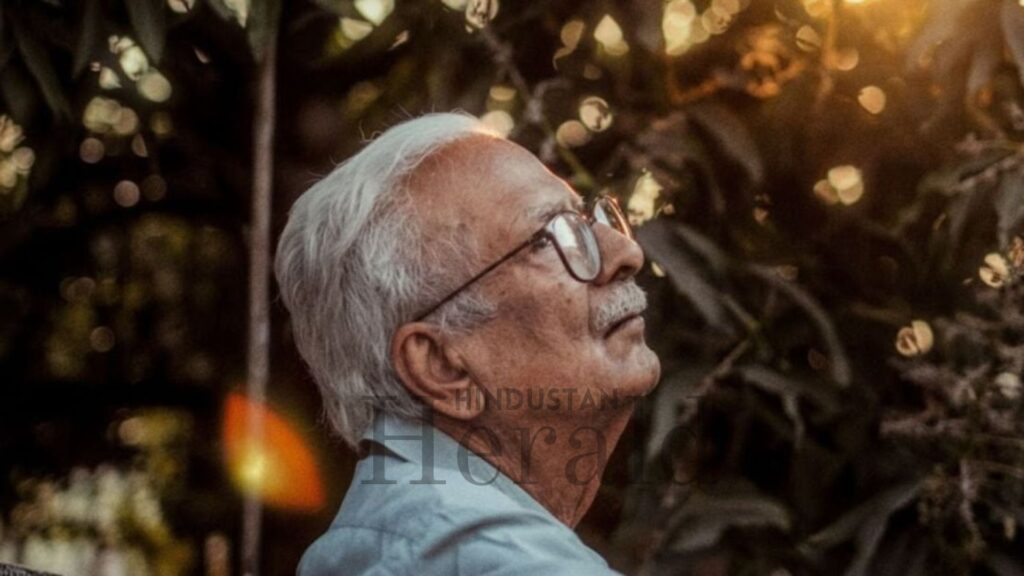
His absence will be felt slowly. His sentences remain. They are still doing what they always did. Watching. Waiting.
Stay ahead with Hindustan Herald — bringing you trusted news, sharp analysis, and stories that matter across Politics, Business, Technology, Sports, Entertainment, Lifestyle, and more.
Connect with us on Facebook, Instagram, X (Twitter), LinkedIn, YouTube, and join our Telegram community @hindustanherald for real-time updates.

Covers Indian politics, governance, and policy developments with over a decade of experience in political reporting.
- Ananya Sharma

- Ananya Sharma
- Ananya Sharma
- Ananya Sharma




 Rajiv Menon and Ananya Sharma