
 By Ayesha Khan and Ananya Sharma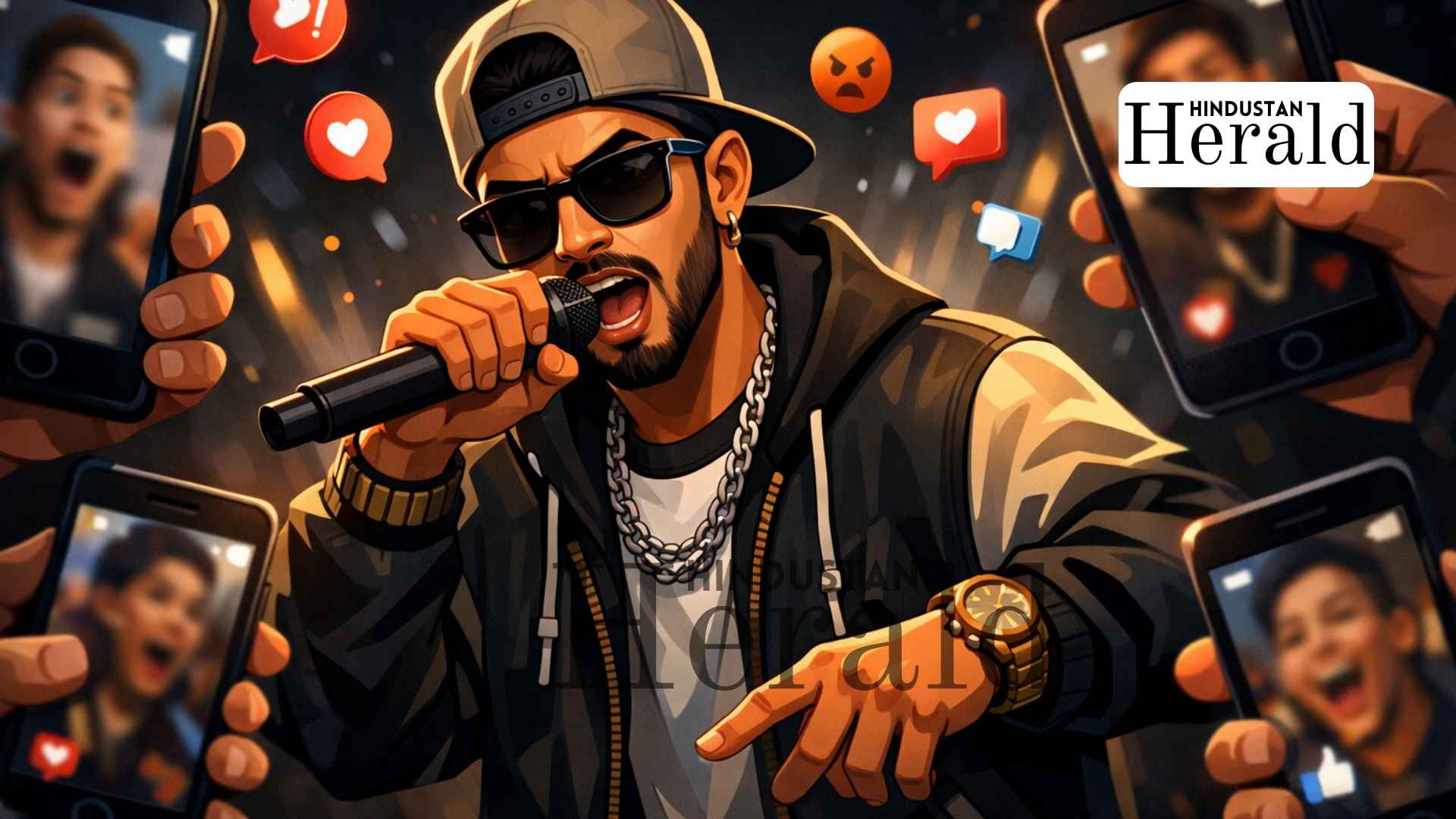
New Delhi, December 17: When Dhanda Nyoliwala uploaded Vomit On Paper to YouTube, it looked like another uncompromising entry from a rapper who has never shown much interest in being palatable. The track was rough, confrontational, and deliberately uncomfortable. For his audience, that was the point.
What followed, however, was bigger than a song release.
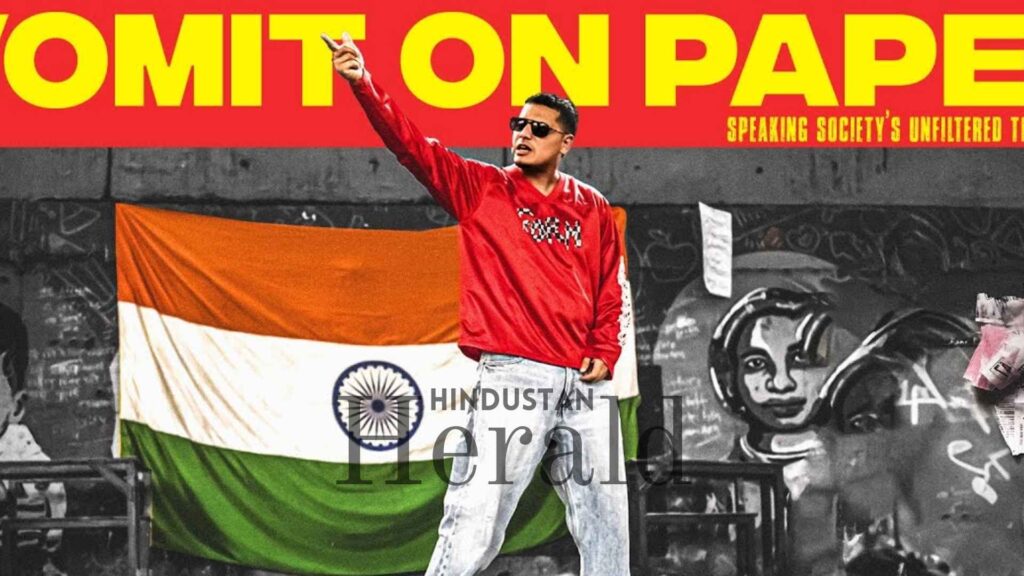
Over the last several days, Vomit On Paper has escaped its original frame and taken on a life of its own across Instagram reels, YouTube Shorts, and forwarded WhatsApp clips. Isolated lines from the track, often clipped mid-verse, have triggered accusations that Nyoliwala crossed into religious insult. The backlash has been loud, emotional, and entirely online.
As of December 17, there is still no confirmed FIR, no court notice, and no official action from authorities. Yet the controversy feels far from minor. In India’s current cultural climate, digital outrage alone is often enough to shape careers.
How The Song Slipped Out Of Context
The full version of Vomit On Paper is not subtle. Nyoliwala takes aim at what he sees as hypocrisy, moral posturing, and exploitation masked as virtue. References to fake babas and performative spirituality sit alongside broader critiques of greed and manipulation.

That context matters, but context is exactly what disappeared once short clips began circulating.
On Instagram, the song was reduced to seconds. Those seconds were reposted with captions alleging disrespect toward religious figures. The platforms did the rest. Engagement surged, reactions hardened, and the conversation narrowed to a single question: insult or expression?
For many critics, the answer was obvious. In a country where religious identity is deeply intertwined with public life, even indirect language can be perceived as offensive. For supporters, the outrage itself proved Nyoliwala’s point about how easily power hides behind sentiment.
Nyoliwala Speaks, And Refuses To Retreat
As the criticism grew, Dhanda Nyoliwala addressed the issue during a live session on social media. The video, now widely shared in fragments, shows an artist who does not appear interested in softening his stance.

According to those clips, Nyoliwala argued that the song targets individuals who misuse religion, not belief systems themselves. He framed the backlash as selective listening driven by algorithms rather than intent. What he did not do was apologise.
That decision has divided opinion sharply. Some see a rapper standing by his work. Others see stubbornness. Either way, the response added fuel to a fire already burning.
Religious Figures Enter The Fray
The controversy escalated further when videos surfaced of religious figures, including individuals identified as sadhvis, responding critically to the song. In these clips, they accuse Nyoliwala of crossing moral boundaries and disrespecting faith.
One widely circulated video shows Nyoliwala responding directly, reiterating that exposing fake spirituality is not the same as attacking religion. The exchange, emotional and unscripted, has drawn significant attention.
None of these interactions, however, has been formally acknowledged by major national newsrooms or institutions. They exist primarily as digital artefacts, powerful in reach but limited in verification.
Noise, Rumours, And The Reaction Economy
As often happens during viral disputes, the controversy has attracted peripheral content. Thumbnails and short videos claim reactions from artists like Raftaar and creator Lakshaya Choudhary, suggesting anger or confrontation.
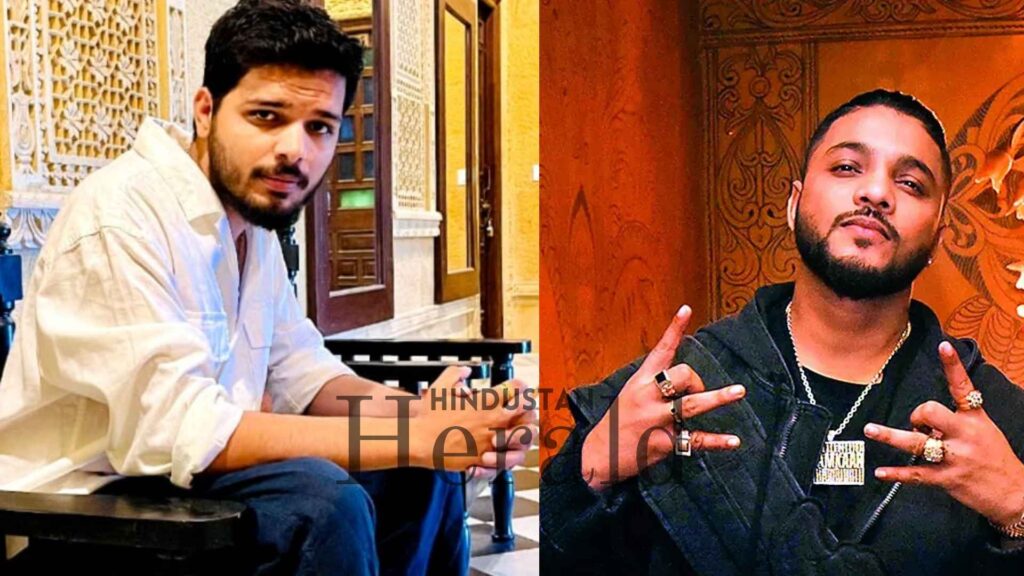
There is no confirmed reporting to support these claims.
Industry observers note that reaction driven content thrives during moments like this. Outrage becomes currency, and speculation travels faster than facts.
The Algorithm Question Resurfaces
Alongside the cultural debate, older questions about YouTube visibility have resurfaced. Earlier reporting by Hindustan Herald explored rumours that Vomit On Paper was being hidden or restricted by the platform.
There is no evidence that such suppression is happening now. If anything, the controversy appears to have boosted the song’s reach. The attention, even when negative, has pushed Nyoliwala further into the mainstream conversation.
The suspicion, however, reflects a deeper unease among independent artists who feel that platform moderation lacks transparency, especially when content challenges dominant narratives.
No Legal Case, But Real Consequences
For now, the controversy remains informal. No police action. No court filings. No official condemnation.
That does not mean it is inconsequential.
In the music industry, consequences often arrive quietly. Sponsors pause. Event organisers hesitate. Algorithms shift. These effects rarely make headlines, but artists feel them all the same.
Whether Vomit On Paper becomes a defining moment or a passing storm in Dhanda Nyoliwala’s career is still unclear. Some artists emerge sharper after backlash. Others find doors closing without explanation.
A Familiar Fault Line In Indian Hip Hop
What this episode ultimately reveals is a recurring tension within India’s evolving hip hop scene. As regional voices gain national reach, they encounter audiences with very different thresholds for provocation.
Dhanda Nyoliwala did not invent that tension. He has simply run straight into it.
For now, the argument lives where it began: online, fragmented, emotional, unresolved. The song continues to trend. The clips keep circulating. The lines are being drawn.
Whether anyone crosses from outrage into action remains to be seen.
Stay ahead with Hindustan Herald — bringing you trusted news, sharp analysis, and stories that matter across Politics, Business, Technology, Sports, Entertainment, Lifestyle, and more.
Connect with us on Facebook, Instagram, X (Twitter), LinkedIn, YouTube, and join our Telegram community @hindustanherald for real-time updates.

Covers films, television, streaming, and celebrity culture with a focus on storytelling trends.
- Ayesha Khan

- Ayesha Khan
- Ayesha Khan
- Ayesha Khan





Covers Indian politics, governance, and policy developments with over a decade of experience in political reporting.
- Ananya Sharma
- Ananya Sharma
- Ananya Sharma
- Ananya Sharma




 Sandeep Verma