 By Ananya Sharma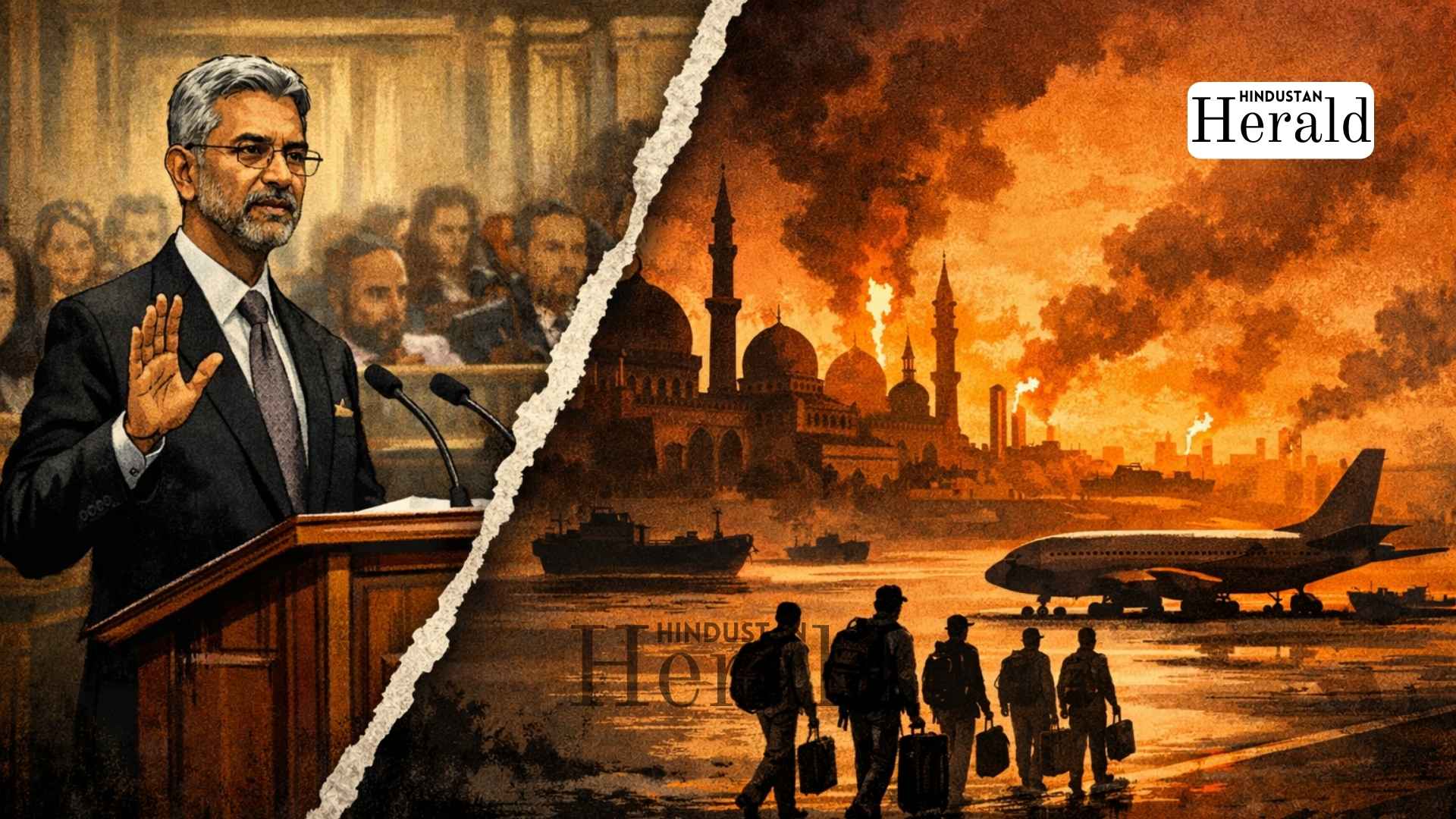
New Delhi, March 9: There is a map on the wall of the Ministry of External Affairs in South Block, and right now, a large part of it is on fire.
Not metaphorically. Actually on fire.
Oil depots are burning somewhere near the Gulf. Desalination plants, the machines that turn seawater into drinking water for millions of people, have been hit. And sitting in the middle of all of this, trying to get their people out and keep the lights on back home, is the Indian government.
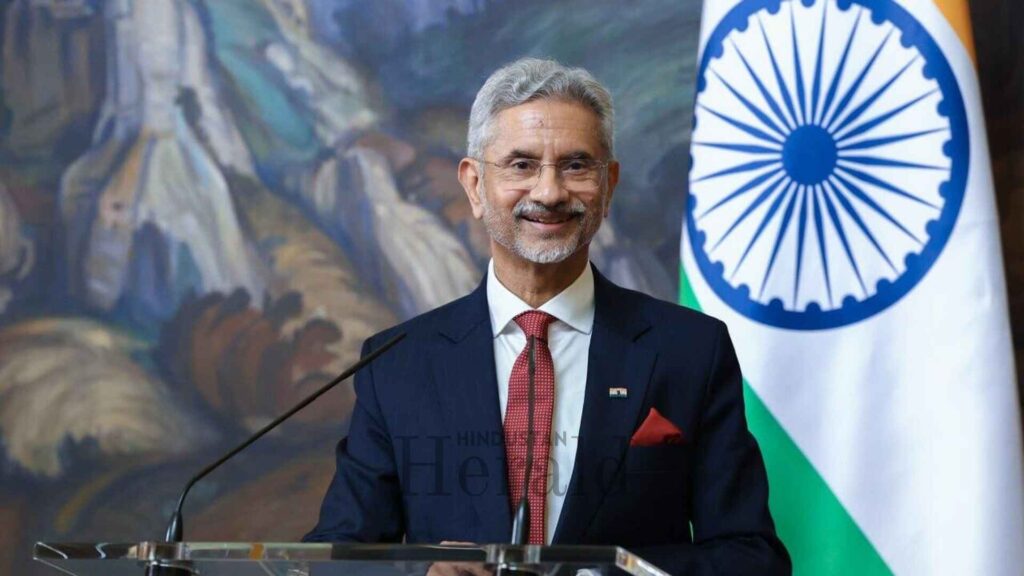
On Monday, External Affairs Minister S. Jaishankar walked into the Lok Sabha and told Parliament what a lot of people already suspected: the situation in West Asia has gotten significantly worse, India has 10 million citizens stuck in the middle of it, and New Delhi is doing everything it can, even if everything it can do has limits.
The session itself was already a mess before he even opened his mouth.
The Room Was Already Burning Before He Spoke
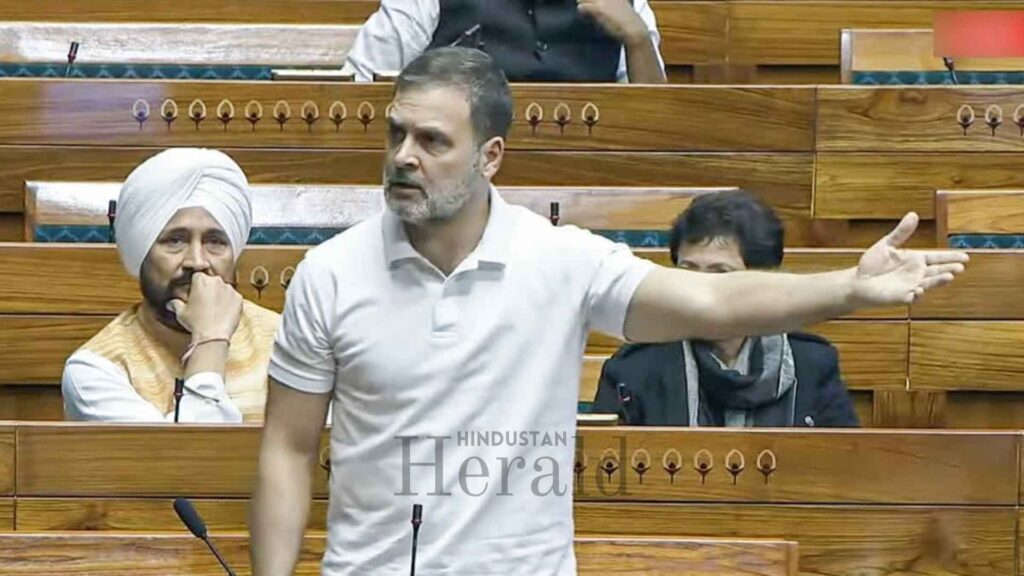
The second half of Parliament’s Budget Session was supposed to resume Monday. Simple enough. Except the Opposition had spent the weekend preparing a no-confidence motion against Lok Sabha Speaker Om Birla, accusing him of blocking Rahul Gandhi’s speech unfairly. So the morning began with MPs shouting, sloganeering, and general chaos before anyone had even settled into their seats.
Into that atmosphere walked Jaishankar to brief the House on a war.
He had been added to Monday’s agenda only on Sunday evening. Up until Saturday, the only official item listed for the day was the resolution to remove the Speaker. The West Asia briefing was tacked on late, reportedly after Opposition pressure made it politically impossible to open the session without one.
That tells you something. The government did not rush to address this. It was pushed.
Ten Days That Changed the Region
Go back to February 28.
On that day, the United States and Israel launched joint military strikes on Iran. The strikes killed Ayatollah Ali Khamenei, the man who had led the Islamic Republic for over 35 years. He was 86. He had survived everything the world had thrown at him for decades. He did not survive this.
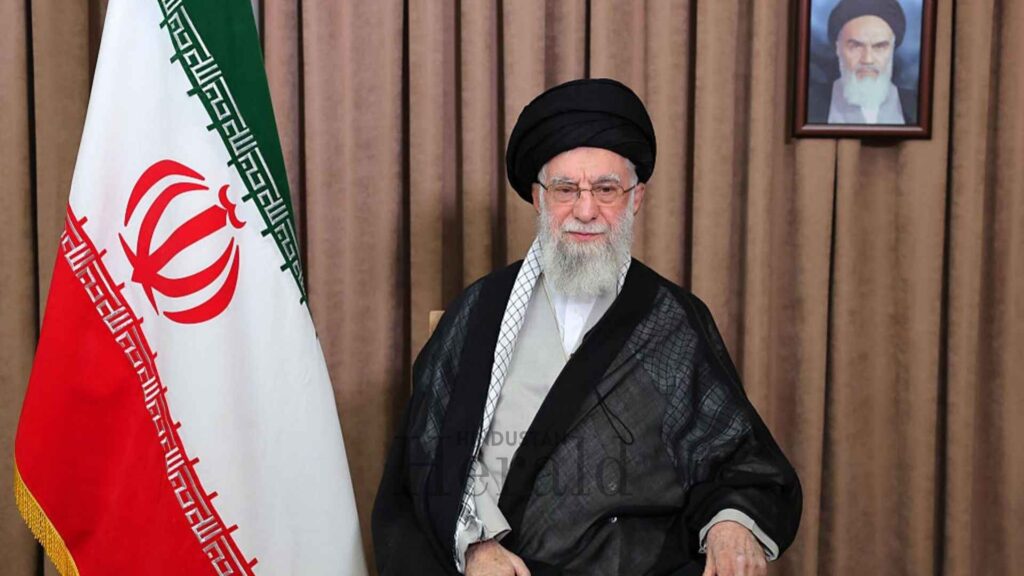
The strikes did not just kill a man. They decapitated the ideological leadership of a country of 90 million people, a country that has been the central player in regional politics across West Asia for a generation. The consequences were never going to be small.
Tehran responded by hitting American military bases across several Arab countries. Israel kept striking Iranian targets. And then over the weekend just before Monday’s session, the attacks shifted to infrastructure. Oil depots. Water desalination plants. The kind of targets that do not just hurt armies. They hurt everyone.
Jaishankar told Parliament the regional environment had “significantly deteriorated.” Honestly, that is putting it politely.
The Number That Matters Most: One Crore
Forget the geopolitics for a moment. Forget the strategic calculations and the diplomatic language.
There are roughly one crore Indian citizens living and working across the Gulf right now.
One crore. That number needs to sit with you for a second.
These are not diplomats or executives who can pack a bag and book business class out of there. These are construction workers from Bihar and Rajasthan. Nurses from Kerala. Drivers, cleaners, and security guards from Uttar Pradesh. People who left home because there was no work here that paid enough, and found it there instead. People whose families are back in India wait every month for the money transfer that pays school fees, house loans, and medical bills.
When missiles start flying where these people live and work, they cannot simply leave. Many of them do not have the money. Many of them have employers who hold their passports. And many of them are just terrified and do not know who to call.
The government says it has brought 52,000 Indians home between March 1 and March 7 alone. Flights, both commercial and specially arranged, have been running since the airspace partially reopened in the region. Indian embassies have set up 24-hour helplines. Students trapped in Iran have been moved to safer areas inside the country. Business travellers caught in the crossfire were routed home via Armenia because that was the safest corridor available.
The Indian Embassy in Tehran itself is still open. Still staffed. On “high alert,” as the ministry puts it.
Think about what that means. India is keeping its embassy functional in the capital of a country whose Supreme Leader was just killed in a joint American-Israeli military operation, and whose government is currently firing missiles at multiple countries. That takes nerve, and it also takes a calculation that pulling out entirely would cost India more than it saves.
There is also a small but telling detail from last week. An Iranian naval vessel, the IRIS Lavan, was allowed to dock at Kochi for repairs after another Iranian ship sank in the Indian Ocean. India helped. Quietly, without fanfare, without making it a diplomatic statement. Just helped.
Your Petrol Price Is Connected to This War
Here is what does not get said plainly enough in the coverage of this crisis.
West Asia is where India gets the bulk of its crude oil. When oil infrastructure there gets hit, global oil prices rise. When global prices rise, fuel in India gets more expensive. And when fuel gets more expensive, everything else does too. Vegetables. Medicines. Construction material. Anything that moves on a truck.
Jaishankar warned Parliament of “serious supply chain disruptions” and said the Indian consumer’s interest is the government’s “overriding priority.” He was not speaking in abstractions. He was describing a very real risk that this war, fought thousands of kilometres away, could land in your kitchen and at your fuel station.
Prime Minister Modi has reportedly been on the phone with multiple Gulf leaders personally over the past week, including the rulers of Oman, Kuwait, and Qatar. The Cabinet Committee on Security is meeting. Everyone is watching prices and supply lines very carefully.
For now, no emergency measures have been announced. But the word “serious” in a Jaishankar parliamentary statement is not a word he uses lightly.
India’s Quiet Balancing Act
India’s official position in this conflict is, to use the government’s own language, “dialogue and diplomacy should be pursued.”
New Delhi had put out a statement calling for restraint as far back as February 20, before Khamenei was even killed. India has not condemned the US-Israeli strikes. India has not condemned Iran’s retaliation. India has called for peace and kept its head down.
This is not a weakness. This is arithmetic.
India buys its oil from the Gulf. India has a long relationship with Iran that includes the Chabahar Port project, a strategically vital trade corridor to Central Asia and Afghanistan. India has a growing defence and technology partnership with Israel. And India absolutely cannot afford to anger the United States, its most important partner on the world stage right now.
Pick any side in this war and you damage at least one of those relationships badly. So India picks no side and calls for peace instead, which is not a popular position but is probably the only one that makes practical sense for a country in India’s position.
The Opposition Has a Point, Even If They Are Being Loud About It
Here is where the session got genuinely contentious, beyond just the usual noise.
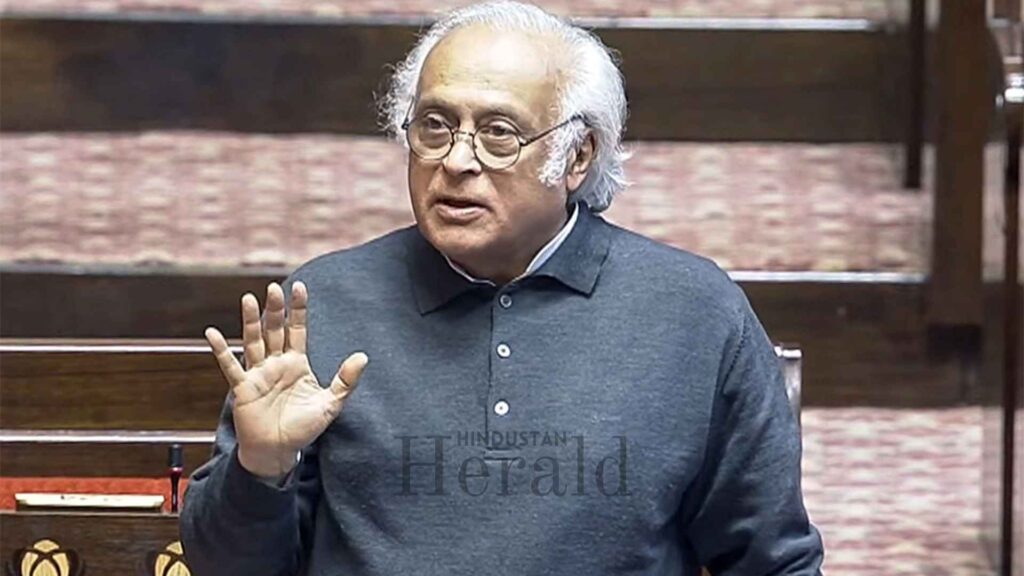
Congress leader Jairam Ramesh had said the night before that a ministerial statement from Jaishankar would accomplish almost nothing. His argument was simple: a statement lets the government speak. It does not let MPs ask questions, push back, or put uncomfortable facts on the record. It is accountability theatre, not actual accountability.
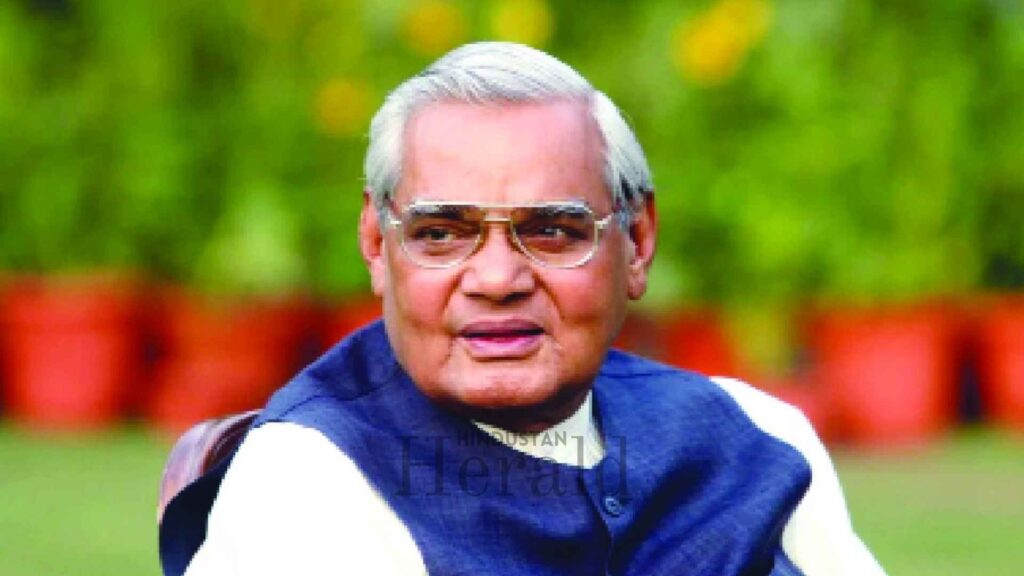
Ramesh brought up 2003. When the US invaded Iraq, Parliament under Atal Bihari Vajpayee, a BJP prime minister, held a proper debate. MPs spoke. A resolution condemning the invasion was passed. Ramesh’s point, sharp and deliberate, was that Vajpayee trusted Parliament with the hard questions. Why does the current government not?
Honestly, that comparison stings because it is fair.
A war of this scale, in a region where one crore Indians live, affecting India’s energy supply and its most important diplomatic relationships, is precisely the kind of issue Parliament exists to examine. Not just hear about. Examine. With questions. With pushback. The government is forced to defend its choices in front of elected representatives.
The government’s counterargument is that ongoing evacuations, active back-channel diplomacy, and real-time security negotiations do not benefit from being fully aired in public. There is some truth to that. But it feels like a reason to be careful about what is disclosed, not a reason to avoid debate entirely.
The two positions are not impossible to reconcile. A proper debate, with some information held back for security reasons, is not an unreasonable ask. Whether Parliament gets that before April 2, when the session ends, remains to be seen.
What Happens Now
The Budget Session runs until April 2. West Asia will not have calmed down by then. More developments will come. More questions will be asked. More pressure will mount on the government to say clearly, in Parliament, what India is doing and why.
For the crore Indians still in the Gulf, that debate is not an intellectual exercise. It is about their lives, their safety, and whether someone in New Delhi is paying enough attention.
Jaishankar spoke for a long time on Monday. He was thorough. He was measured. He covered the facts carefully.
The Opposition wanted more. India’s diaspora probably wants more too.
Whether more is coming is the only question that really matters now.
Stay ahead with Hindustan Herald — bringing you trusted news, sharp analysis, and stories that matter across Politics, Business, Technology, Sports, Entertainment, Lifestyle, and more.
Connect with us on Facebook, Instagram, X (Twitter), LinkedIn, YouTube, and join our Telegram community @hindustanherald for real-time updates.

Covers Indian politics, governance, and policy developments with over a decade of experience in political reporting.
- Ananya Sharmahttps://hindustanherald.in/authors/ananya/

- Ananya Sharmahttps://hindustanherald.in/authors/ananya/
- Ananya Sharmahttps://hindustanherald.in/authors/ananya/
- Ananya Sharmahttps://hindustanherald.in/authors/ananya/