
 By Ananya Sharma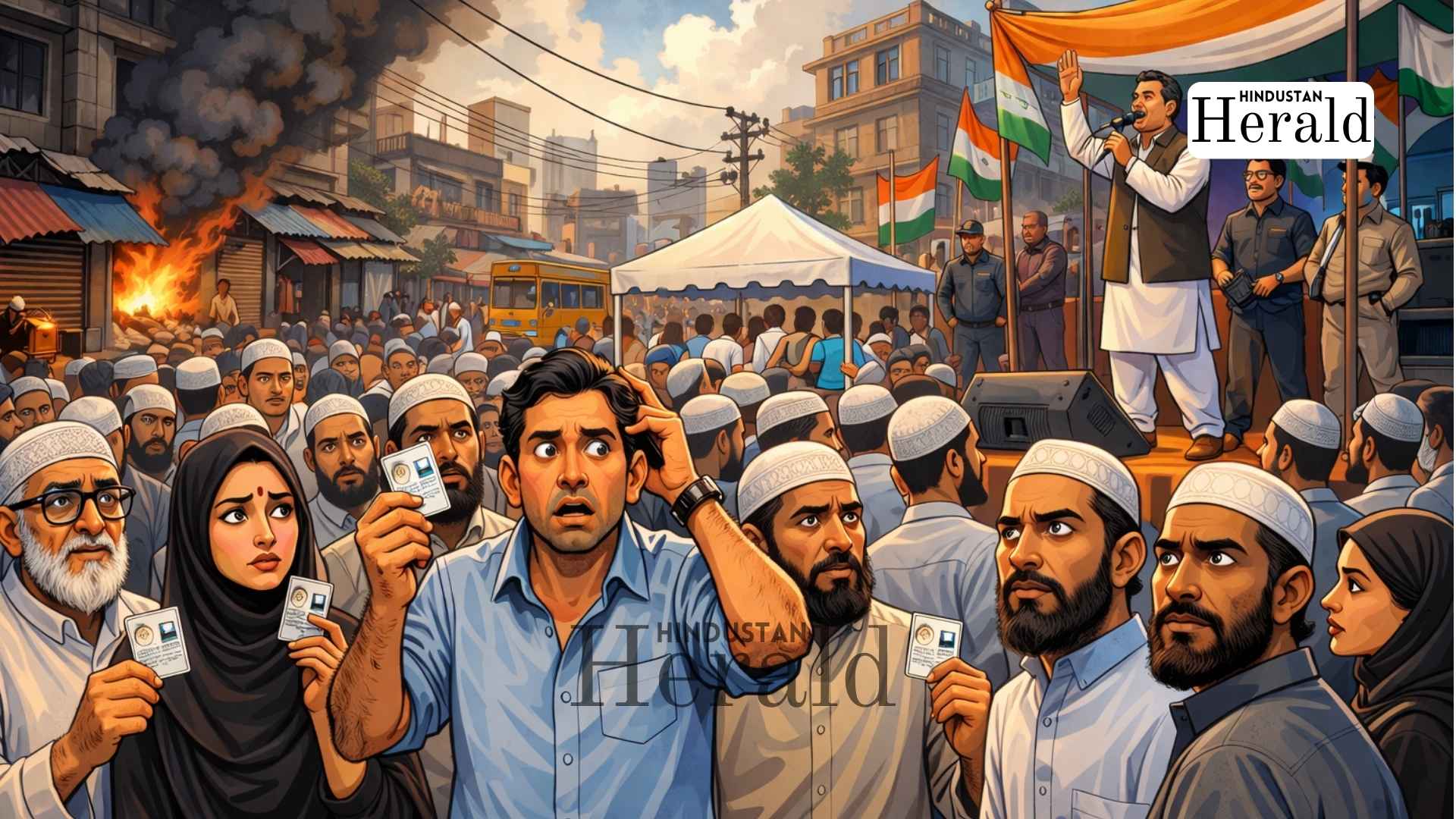
Kolkata, April 2: When shops burn and names vanish from voter lists and nobody in power seems particularly bothered, ordinary people notice. They talk. And in West Bengal right now, a lot of people are talking.
Three crore Muslims live in this state. That is roughly three out of every ten people you would meet on a street in Kolkata, in Murshidabad, in Malda. They have been voting in every election for decades. They voted Left, they voted Congress, they voted Mamata. And right now, weeks before the biggest election this state has seen in years, many of them are waking up to find their shops have been burned, their names have been deleted from voter lists, and a new political voice is telling them, loudly, that all that loyalty was for nothing.
This is not a small story. This is West Bengal in April 2026.
The Day Murshidabad Burned
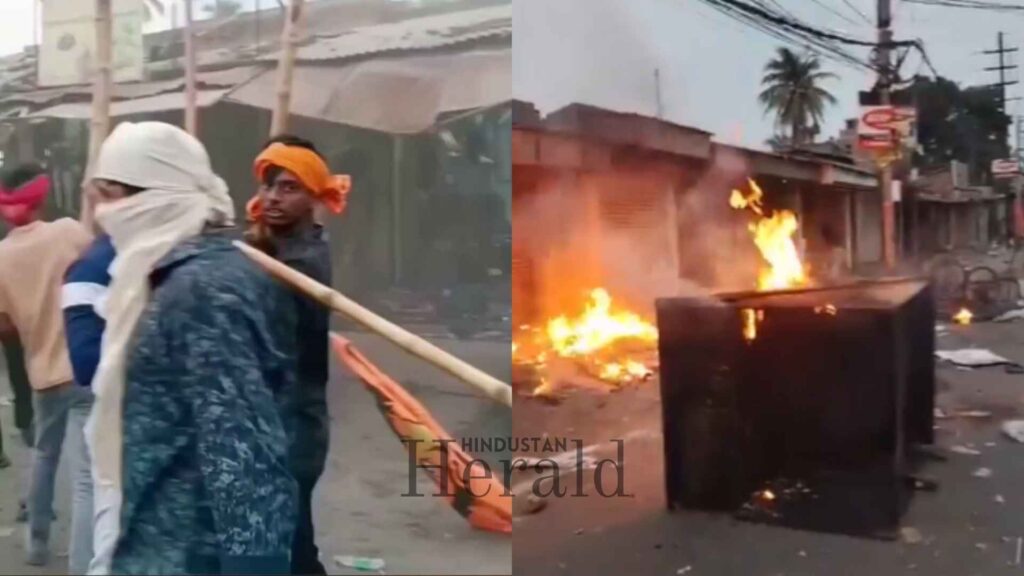
It was a Friday afternoon. March 27. A Ram Navami procession was moving through the lanes of a neighbourhood called Fultala in Raghunathganj town, Murshidabad. Loud music, large crowd, high energy. Normal enough on the surface. Except the procession was passing right in front of a mosque, around 200 metres away, while Friday prayers were going on inside.
The people praying inside asked for a short pause. Just wait until prayers finish, they said.
That request did not go well.
What happened next was not a fight that broke out between two groups of angry men. This was organised. Men climbed onto the roofs of Muslim homes and planted saffron flags. Shops were broken into and looted. Around 40 small businesses in that neighbourhood, fruit stalls, tea stalls, little eateries, almost all of them owned by Muslims, were set on fire in broad daylight. As reported by The Telegraph and confirmed through PTI, it was systematic enough that people are still struggling to call it anything other than what it looked like.
One man, Abul Sheikh, 30 years old, a municipal worker, was just riding his motorbike home. He crossed the procession by accident. They pulled him off the bike, beat him with iron rods, smashed his bike and set it on fire. He ended up in hospital with serious head injuries. He told reporters he had nothing to do with any of it. He was going home.
At least 15 people were injured in total. And here is the part that really got people talking: all of this happened just 500 metres from the Raghunathganj police station. Police were there. Central forces were there too. Locals say nobody moved for a long time. Eventually the police used lathi charges to break things up, by which point the damage was already done. The administration slapped Section 144, called in the CRPF, and declared the situation under control.
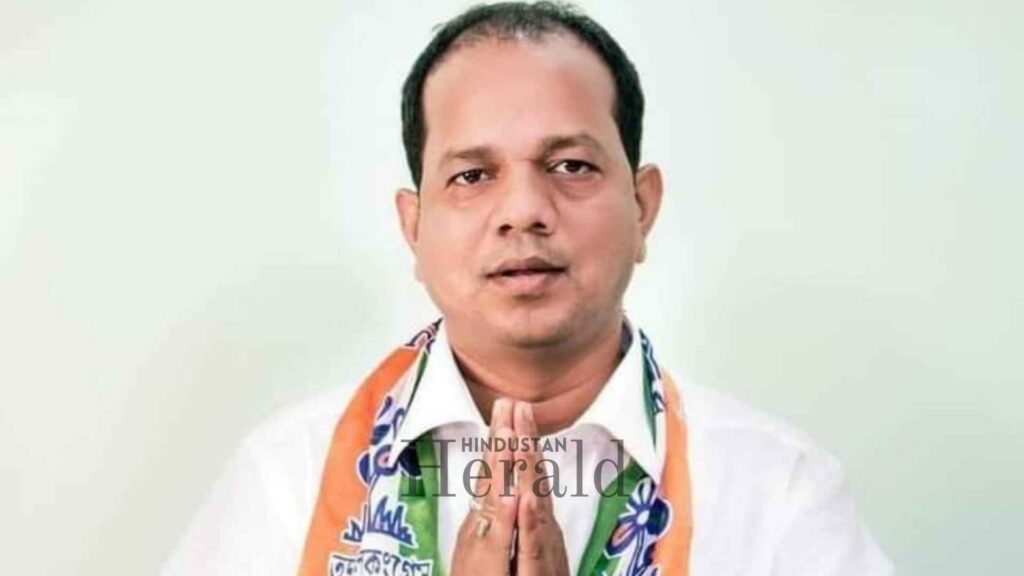
The sitting MLA from Jangipur, Jakir Hossain of TMC, came out and said what many people were already thinking. The BJP did this deliberately to polarise voters before polling. He pointed to the party’s own internal problems in the constituency as a reason why creating communal tension suited them. He won his seat last time with more than half the votes. The BJP was a distant second. Draw your own conclusions about who needed things to change.
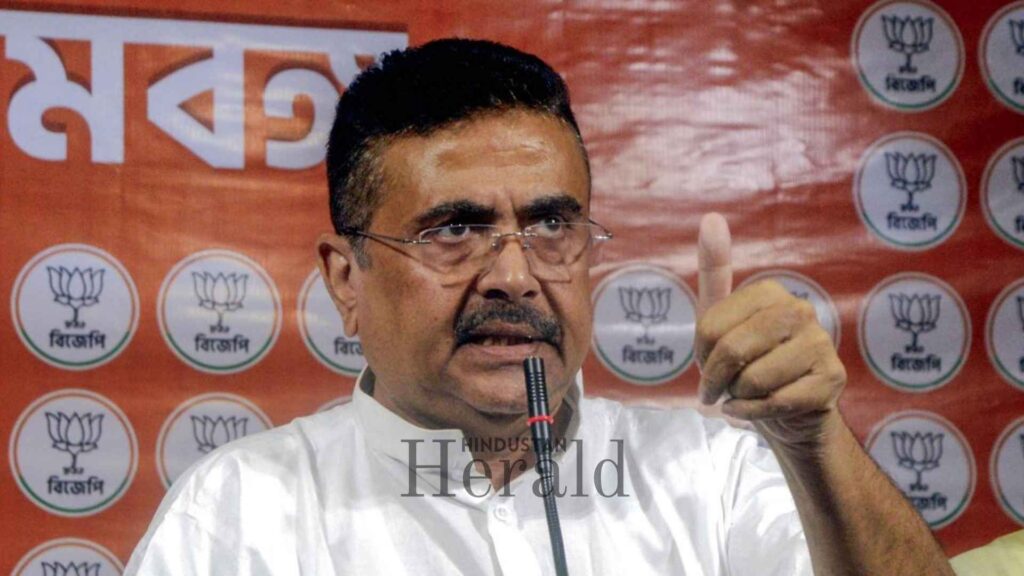
The BJP said the opposite. Suvendu Adhikari, the Leader of Opposition, said it was an attack on a Hindu religious procession and blamed Mamata’s government for letting law and order collapse. Their Bengal unit put out statements saying similar incidents in Purulia’s Para area showed a pattern of planned attacks on Ram Navami celebrations.
Two completely different stories. Same set of burned shops.
The Voter List That Swallowed People
Now here is the part that is less dramatic but might actually matter more.
The Election Commission of India decided to clean up West Bengal’s voter list this year. Fair enough. The last serious cleanup was in 2002, more than two decades ago. They called the process SIR, Special Intensive Revision. Officials went door to door. They checked names, cross-referenced records, removed people who had died or moved away or appeared twice. The final list came out on February 28, 2026. It has 7.08 crore voters on it.
To get to that number, they removed over 58 lakh names from the earlier draft.
Now, 58 lakh is a big number. Some of those removals make complete sense. People die. People move cities. Lists do accumulate errors over 20 years. But when you look at where exactly those names were removed from, things start to look less like routine housekeeping and more like something else.
According to a detailed analysis by HW News English, nearly 15 lakh of the deleted names came from just four districts: Murshidabad, Malda, North 24 Parganas, and South 24 Parganas. These happen to be the four districts in West Bengal with the highest Muslim populations. Murshidabad, where Muslims are about 66 per cent of the population, lost close to 3 lakh names. On top of that, another 11 lakh people from the same district have been put in something called “Under Adjudication,” which basically means their paperwork is still being checked and nobody has confirmed yet whether they can vote.
Polling is in three weeks.
Then there is a village called Boro Gobra in Basirhat North constituency. As reported by Maktoob Media, the supplementary voter list published after the SIR showed that every single voter from one booth, Booth No. 5, had been deleted. All 340 of them. Every one of them, reportedly, from the Muslim community. Among those deleted was the Booth Level Officer himself, a man named Md. Shafiul Alam, whose job it literally was to go around verifying other people’s voter details. His family has been on the rolls since 2002. His own name is now gone.
He confirmed this himself. He was not shy about how absurd it was.
Protests broke out. Opposition politicians called it a scam. As reported by Enewsroom, for over five lakh deleted voters across the state, the EC’s own published report gives no explanation at all for the deletion. No letter, no notice, no hearing. One day on the list, next day gone.
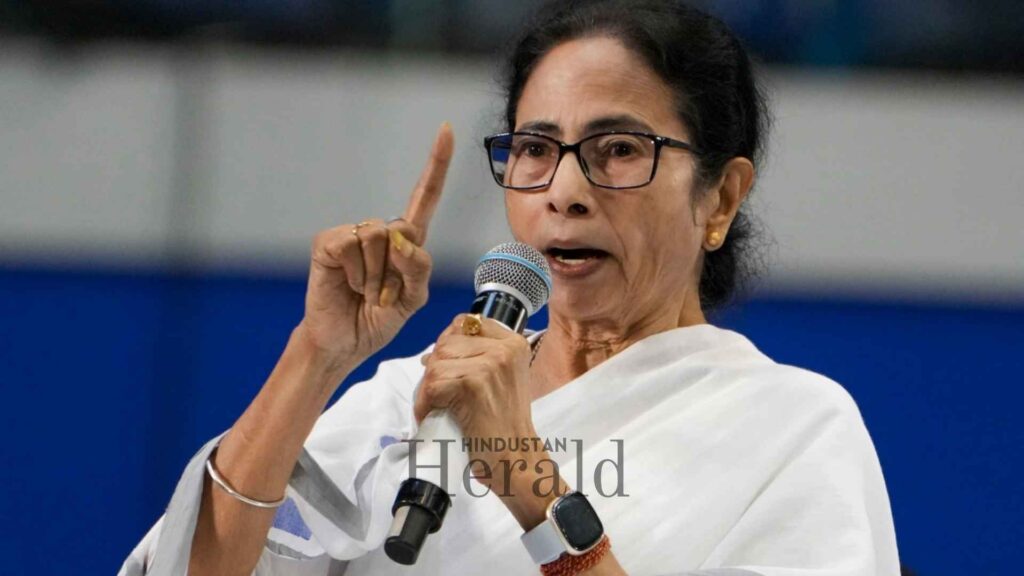
Mamata Banerjee went to the campaign trail with this. At rallies in North Bengal she said the SIR is step one and the NRC is step two, and the whole thing is designed to make Muslims prove they belong in their own country. “They are snatching people’s voting rights,” she told crowds. The Congress called it a “SIR scam.” The Supreme Court, as reported by Countercurrents, said it would not stop the SIR but ordered judicial officers to oversee the appeals process and sent petitioners to the Calcutta High Court.
Around 60 lakh people across West Bengal are still in this adjudication limbo. Most of them from Muslim-majority areas. Most of them waiting to find out if they will get to vote at all.
The Man Who Came to Murshidabad With a Simple Question
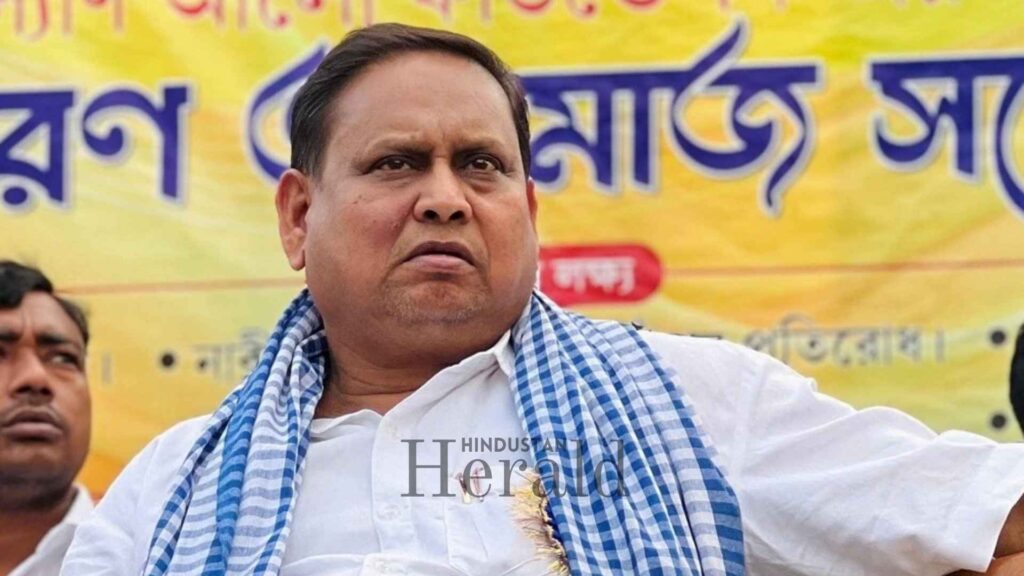
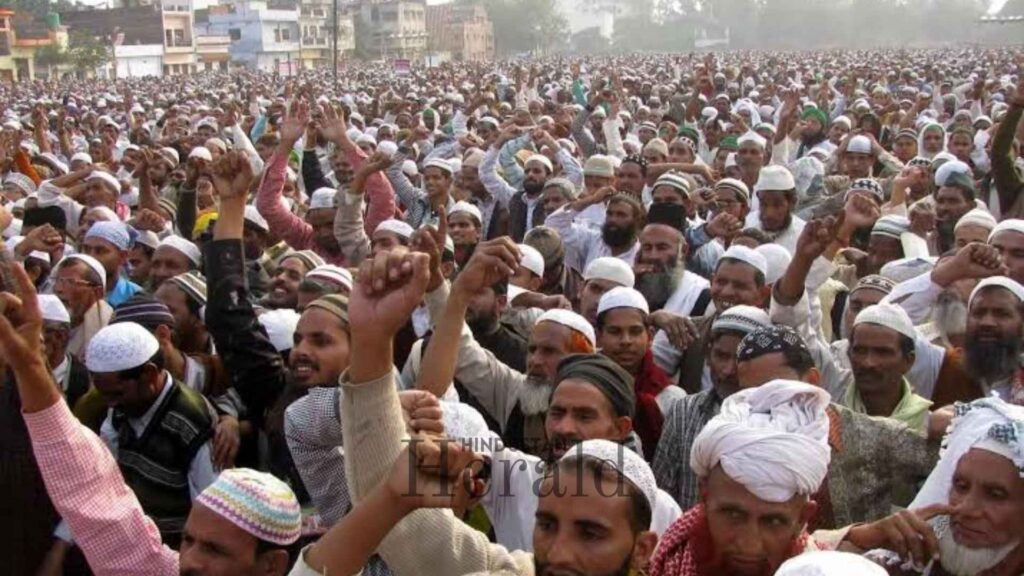
On April 1, the day before this was written, a very large crowd gathered in Murshidabad to hear two men speak. One was Humayun Kabir, who runs a party called the Aam Janata Unnayan Party, AJUP. The other was Asaduddin Owaisi, the most recognisable Muslim political voice in India right now, leader of the AIMIM.
They have formally joined hands for the West Bengal election. And they came to Murshidabad, which is the heartland of Muslim political strength in this state, with a message that was not complicated at all.
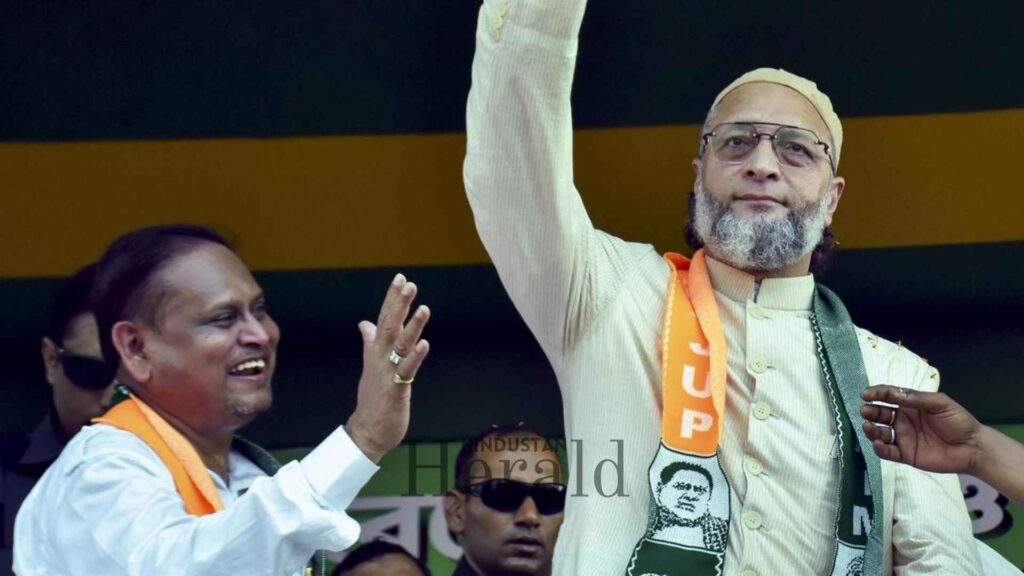
Owaisi told the crowd, as reported by The Week and PTI via Telangana Today: for 50 years you voted for the Congress, then the Left, then Mamata. What did you get? He said Mamata and Modi are essentially the same when it comes to Muslim development. Neither wants real Muslim leadership to emerge. He asked people to stop being a vote bank for parties that pocket their votes and forget about them until the next election.
That argument has always existed in Indian Muslim politics. What is different this time is the mood in which it is landing. The voter list deletions are fresh. The Murshidabad fires are still in people’s memory. The CAA is law. The NRC conversation will not die. And into all of that, Owaisi is standing up and saying: your patience has not been rewarded.
The only time a Muslim-centric party actually won a seat in Bengal’s assembly was in 2021, when Naushad Siddiqui of the Indian Secular Front won Bhangar. One seat out of 294. The ISF is not part of this AJUP-AIMIM alliance. Analysts will tell you, correctly, that splitting the Muslim vote in tight constituencies could simply hand those seats to the BJP rather than creating independent Muslim representation. But that calculation does not address the emotional reality of what Owaisi is tapping into. People who feel let down are not always thinking in terms of seat arithmetic.
The Part Nobody Talks About Enough
Here is something strange about this whole situation. All of this fear and anger and disenfranchisement, the voter deletions, the violence, the feeling of being under siege, might actually end up helping Mamata Banerjee win this election.
Political analyst Prof. Maidul Islam from the Centre for Studies in Social Sciences told Millennium Post that when a community feels threatened, it does not stay home on election day. It comes out in larger numbers and votes for whoever it trusts most to protect it. Even if 15 lakh names are gone from the rolls in Muslim districts, the communities in those districts are still majorities. The voters who survived the SIR filter are now more motivated, not less.
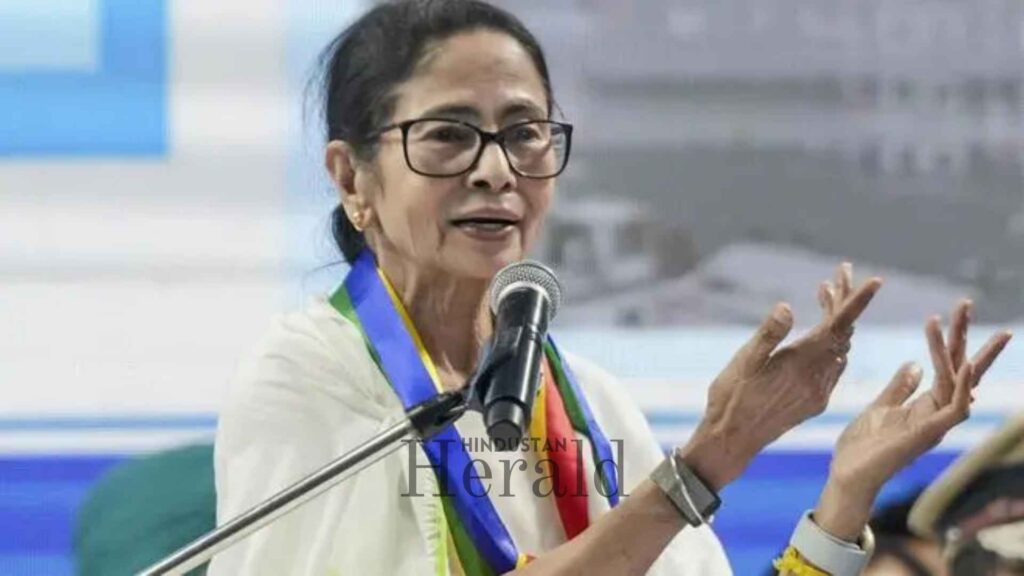
As analysed by HW News English, Mamata has spent years building the image of someone who stands between Muslims and the BJP. The SIR deletions have reinforced exactly that image. Every deleted name, every protest, every rally where she says “I will fight for you” makes the bond tighter.
That does not make any of this okay. It just explains why the people engineering this crisis, whoever they are, may not get the result they expected.
What This Is Really About
Step back for a moment and look at the full picture.
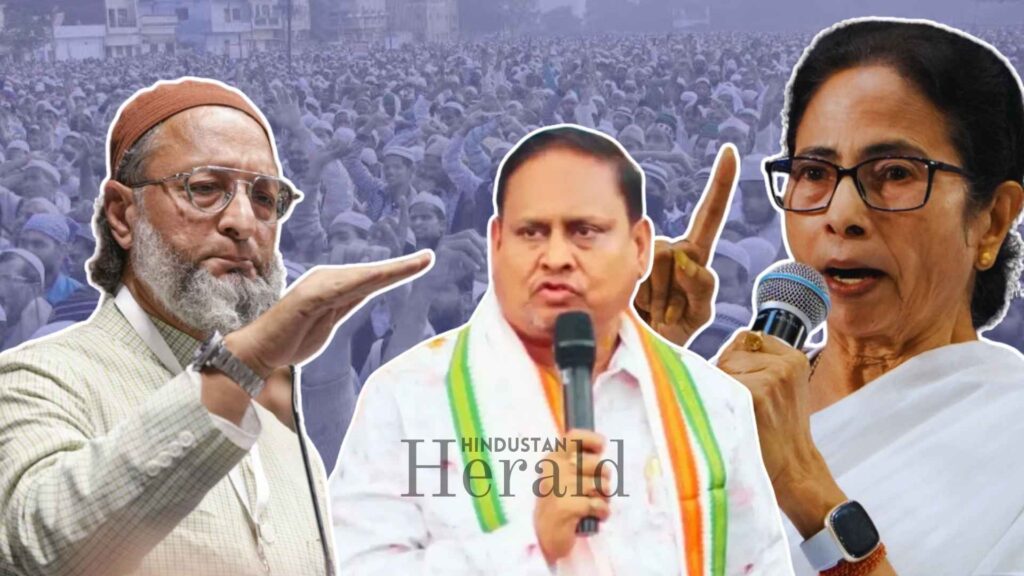
West Bengal’s Muslims are dealing with three things at once right now. Their shops and homes being targeted in communal violence that happens in front of police who do not move fast enough. Their names being removed from voter lists in a process that nobody is explaining clearly. And a growing political voice within their own community saying that decades of loyal voting have bought them very little in terms of actual power, development, or safety.
As FairPlanet has reported in a broader investigation, this is not just a West Bengal problem. Bengali-speaking Muslims in Delhi, in Assam, in Maharashtra have all been pushed to produce documents proving they are Indian citizens, in ways that do not get applied to others. The CAA exists. The NRC conversation exists. And elections, especially in states like West Bengal, have increasingly been fought on the question of whether Muslims belong here at all, or whether they are, as some politicians have put it on record, infiltrators.
That is the atmosphere in which three crore people are trying to vote.
West Bengal votes April 23 and April 29. Results on May 4.
People always say elections are about development, roads, jobs, welfare schemes. And they are. But they are also about something simpler. They are about whether you feel safe. Whether your name is on the list. Whether the people in charge think you belong.
In West Bengal right now, a lot of people are not sure about any of those three things. And they have a ballot in their hand. That combination is almost never quiet.
Stay ahead with Hindustan Herald — bringing you trusted news, sharp analysis, and stories that matter across Politics, Business, Technology, Sports, Entertainment, Lifestyle, and more.
Connect with us on Facebook, Instagram, X (Twitter), LinkedIn, YouTube, and join our Telegram community @hindustanherald for real-time updates.

Covers Indian politics, governance, and policy developments with over a decade of experience in political reporting.
- Ananya Sharma

- Ananya Sharma
- Ananya Sharma
- Ananya Sharma



 Arun Upadhayay