
 By Arun Upadhayay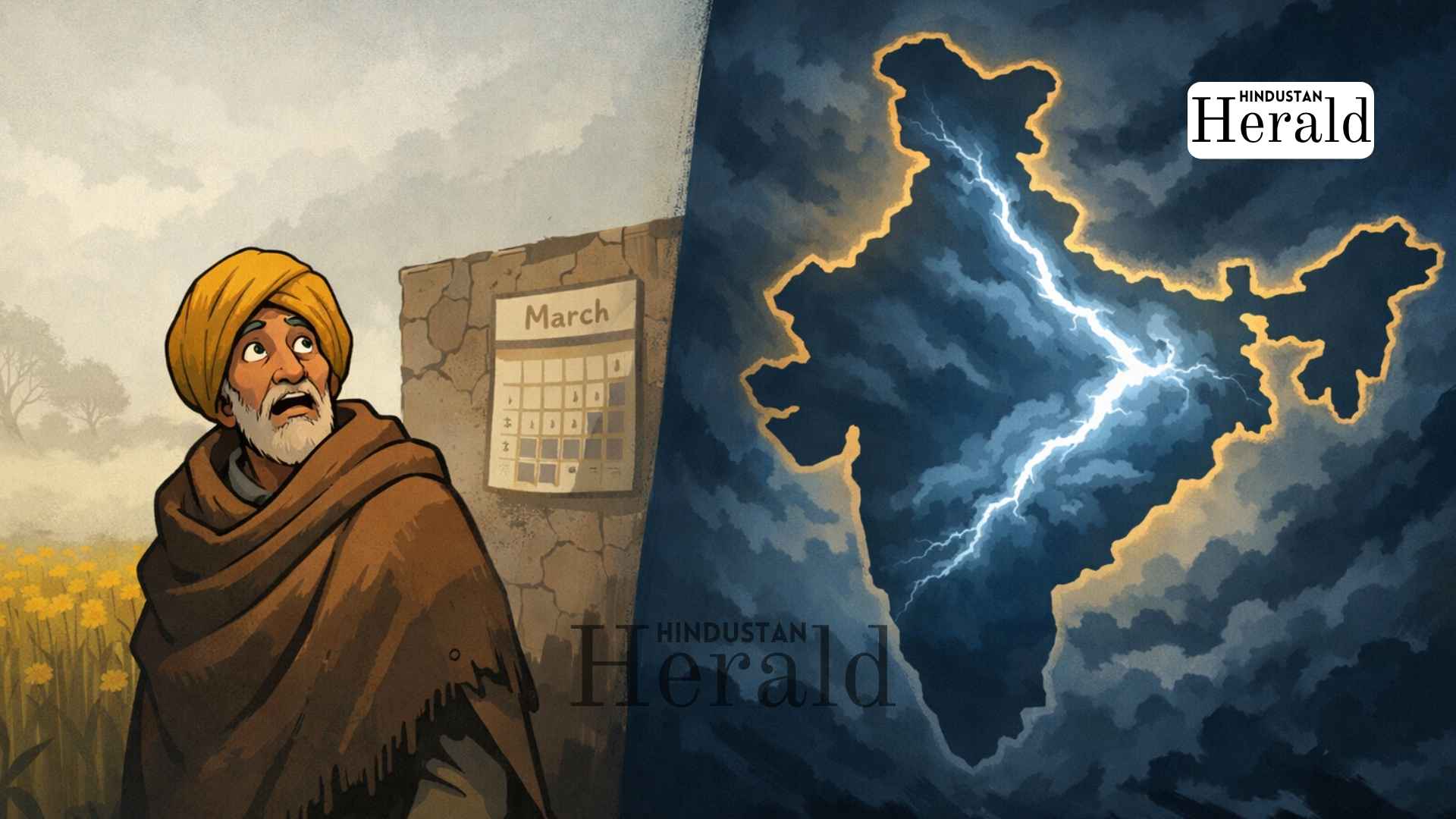
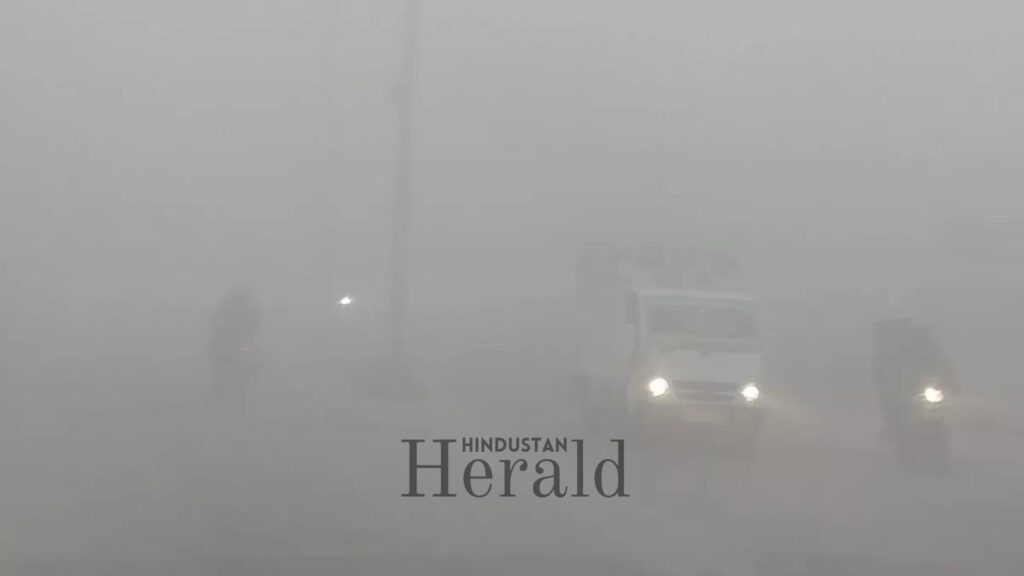
New Delhi, March 21: Nobody in Meerut was expecting to reach for a jacket this morning. Not in March. Not when barely two weeks ago, the city was baking under a sky that felt more like May, with temperatures nudging close to what typically signals the uncomfortable onset of summer. And yet, there it was fog thick enough to slow traffic to a crawl, a biting chill in the air, and thermometers reading figures that belong somewhere around the first week of January.
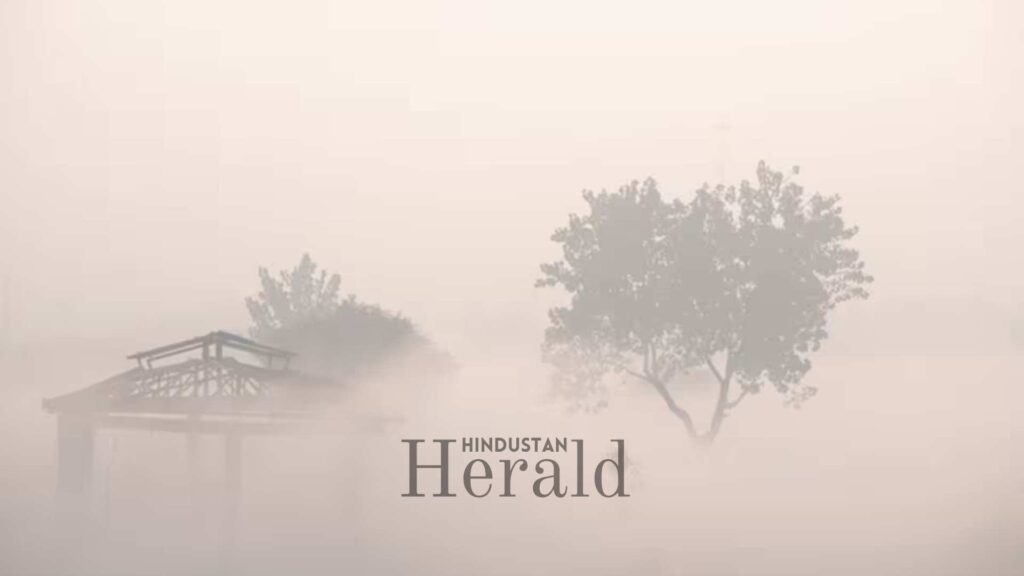
This is not a localised quirk. Across North India, the past 48 hours have delivered a weather reversal so sharp that even seasoned meteorologists are choosing their words carefully. A powerful Western Disturbance, unusual both in its timing and its structure, swept through the region on Thursday and Friday, and left behind a landscape that looks, feels, and honestly behaves like the wrong season entirely.
What Actually Happened Out There
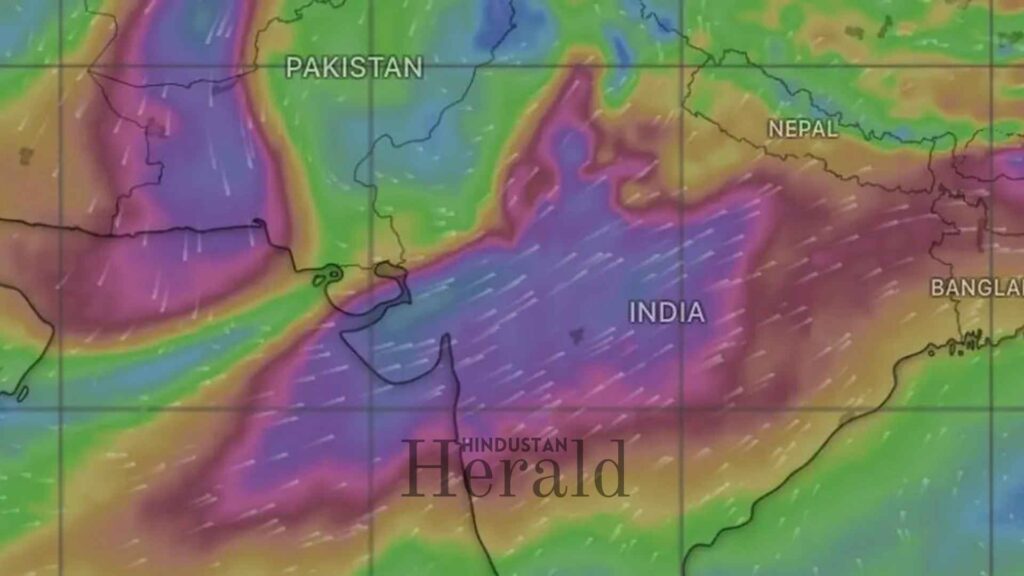
The disturbance that rolled in this week was not your average winter system arriving fashionably late. Western Disturbances usually originate near the Mediterranean, travel east across Iran, Afghanistan, and Pakistan, and curve into the Indian subcontinent in a familiar arc. This one did not curve. Instead, it formed a straight, linear trough stretching nearly 1,000 kilometres from Afghanistan through Pakistan and deep into the Indian heartland. That kind of geometry is rare. It amplifies intensity rather than dispersing it, and the results across the plains this week showed exactly that.
Just days earlier, Delhi had been nudging 37 degrees Celsius. Within hours of the system’s arrival, temperatures dropped 3 to 7 degrees through cooling rains and sustained winds. By Friday, the maximum temperature at Safdarjung had settled at 21.7 degrees Celsius 9.6 degrees below normal, marking Delhi’s coldest March day in six years People who had packed their woollens away a fortnight ago were quietly pulling them back out.
Delhi, Fog, and Air That Finally Felt Clean
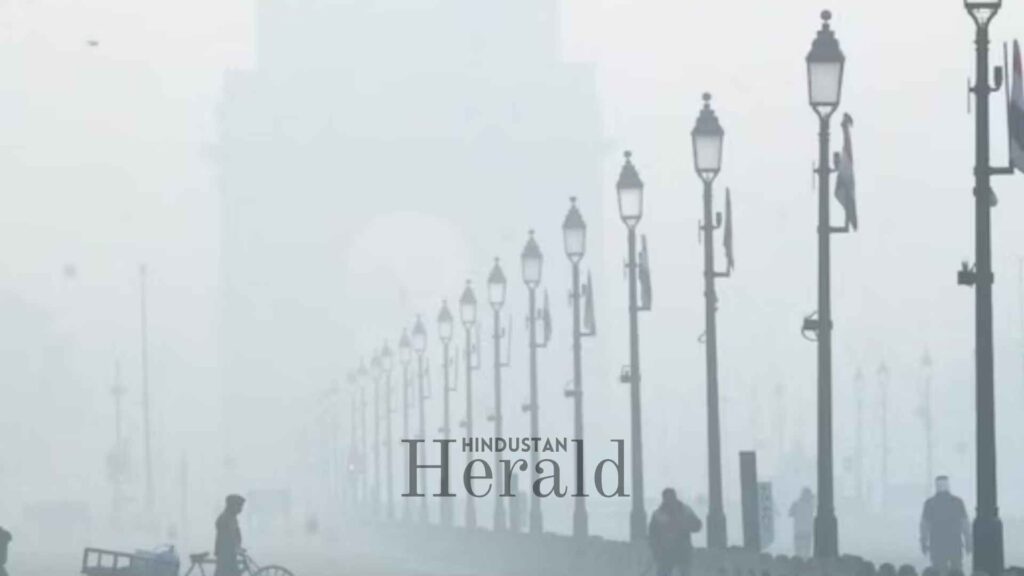
There is something almost disorienting about standing in Delhi in mid-March and not being able to see clearly across the road because of the mist. Localities like Ashok Vihar and Bawana reported foggy early mornings, and the city’s notoriously unforgiving air through winter got a genuine, if temporary, reprieve.
The Air Quality Index dropped to 93 on Friday, placing Delhi in the satisfactory category for the first time in roughly five months. Rain tends to do that. Around 7 mm of rainfall was logged across various stations, and taken together with the rest of the month’s wet spells, this has shaped up to be the wettest March the capital has seen in three years.
Still, the clarity will not last. A fresh, if weaker, Western Disturbance is reportedly on its way from March 22 onwards, and two more systems are being tracked for later in the month. The air will not stay clean. The fog will not stay picturesque.
Uttar Pradesh Took the Worst of It
While Delhi got drama, Uttar Pradesh got something closer to danger. Thunderstorms, lightning, and winds that in some areas gusted between 40 and 60 kilometres per hour swept through much of the state over the past two days. The IMD issued an orange alert covering roughly 27 districts, including Meerut, Agra, Mathura, and Kanpur Dehat, among them.
The rainfall figures told their own story. Hamirpur received the highest at 40 mm. Bareilly, Shahjahanpur, and Aligarh each logged 24 mm. Lucknow recorded 18 mm and watched its maximum temperature fall to 23.5 degrees Celsius, nearly 10 degrees below where it should be for this time of year.
Atul Kumar Singh, a senior scientist at the Regional Meteorological Centre in Lucknow, confirmed that the system’s impact would continue through eastern UP, central regions, and Bundelkhand into Saturday, with strong winds and thunderstorms persisting across most of the state. In Meerut, the temperature swing compared to earlier this month was reportedly close to 16 degrees the kind of number that does not compute easily when you say it out loud.
The Hills Were Already Getting Hit
Before the plains saw any of this, the mountains had been absorbing the disturbance’s force for days. Light to moderate rain and snowfall, with isolated heavy spells, hit Himachal Pradesh and Uttarakhand. Jammu and Kashmir, Ladakh, Gilgit-Baltistan, and Sikkim all received their share.
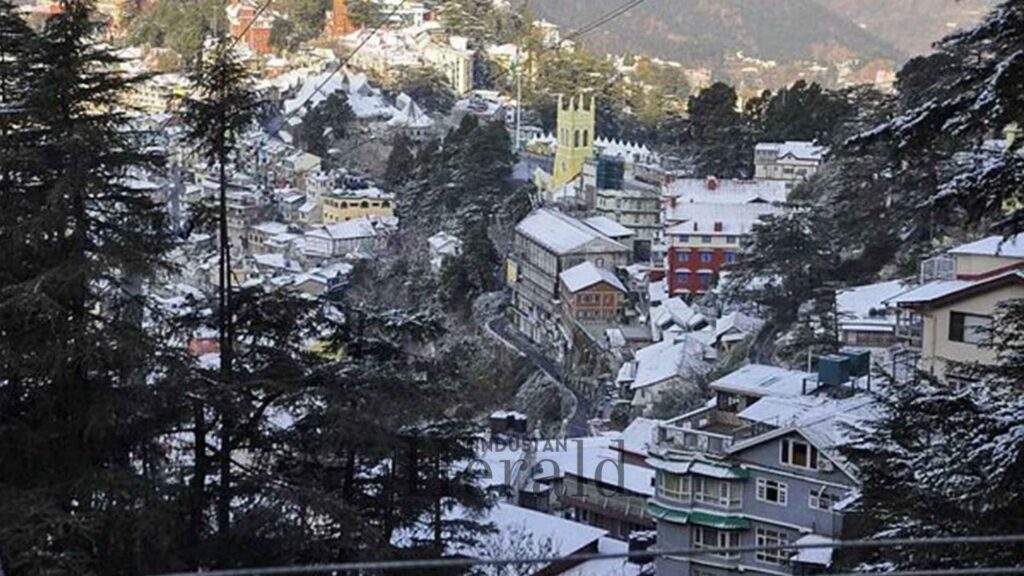
The IMD had flagged this well in advance. Thundersqualls with wind speeds reaching 50 to 60 kilometres per hour, gusting up to 70, were forecast for isolated areas in Uttarakhand. Hailstorm activity was expected across Himachal Pradesh, Punjab, Haryana, Chandigarh, and West Uttar Pradesh. Farmers in the higher reaches were advised to stay off their fields until at least Saturday.
What the hills absorbed over two days is now being felt as fog and cold-air drainage in the plains. That is how Western Disturbances leave their mark even after they pass cold northerly winds rushing down from snow-covered peaks into the plains, dropping temperatures sharply and triggering the dense fog that can linger for days. In March. Which, again, is not supposed to work this way.
Nobody Is Blaming the Jet Stream on Social Media
Predictably, the internet found its own explanation. Viral posts this week claimed the unseasonal weather was linked to Bill Gates and cloud-seeding programmes supposedly deployed without public knowledge. The claims spread fast, as these things do.

Cloud seeding is a real technique it involves dispersing silver iodide or salt particles into existing cloud formations to encourage rainfall. It is used in several countries and has genuine, if limited, applications. It also depends entirely on pre-existing weather conditions to work at all. A straight-line trough stretching a thousand kilometres from Afghanistan into the subcontinent is not something you can manufacture from a laboratory. The claims are misleading. Meteorologists have not engaged with them beyond dismissal.
What This Week Actually Signals
Step back from the daily numbers, and something more unsettling comes into view. Historically, intense Western Disturbances are most active between December and February, with India typically seeing four to six such systems per month during that window, roughly 16 to 24 annually. By late March, as the jet stream weakens and drifts northward, large systems become genuinely rare, perhaps one or two per year.
This week’s disturbance was not one of those gentle late-season stragglers. It was intense, structurally unusual, and it arrived on top of an early heatwave that had already pushed temperatures well ahead of seasonal norms. First, a fake summer. Then, a fake winter. All within the same month.
The rabi harvest is not an abstraction in this context. Farmers across Meerut, Agra, and Kanpur divisions were already navigating the stress of the early March heat at a sensitive stage in crop development. The hailstorm alerts, gusty winds, and sudden cold that followed this week will require proper damage assessment in the days ahead. Neither the Uttar Pradesh government nor central agencies have released formal estimates yet, but the scale of the weather activity across 27-plus districts makes some level of agricultural impact almost certain.
For Now, an Uneasy Calm
What follows the disturbance is not quite stability. Forecasters describe it as a transition phase, fluctuating temperatures, lingering cloud cover, and patchy fog keeping conditions unsettled even as the rain itself fades. Maximum temperatures in the plains are expected to climb back toward the low 30s by early next week, only for another system to potentially knock them back down around March 23, with yet another being tracked for the 28th.
Summer will assert itself eventually. It always manages to. But this March has been a reminder that the season’s arrival is no longer the reliable, gradual affair it once was. The heat comes too early, the cold returns when it has no business doing so, and somewhere in between, people are just trying to figure out what to wear in the morning.
Stay ahead with Hindustan Herald — bringing you trusted news, sharp analysis, and stories that matter across Politics, Business, Technology, Sports, Entertainment, Lifestyle, and more.
Connect with us on Facebook, Instagram, X (Twitter), LinkedIn, YouTube, and join our Telegram community @hindustanherald for real-time updates.

- Arun Upadhayay

- Arun Upadhayay


 Sandeep Verma